
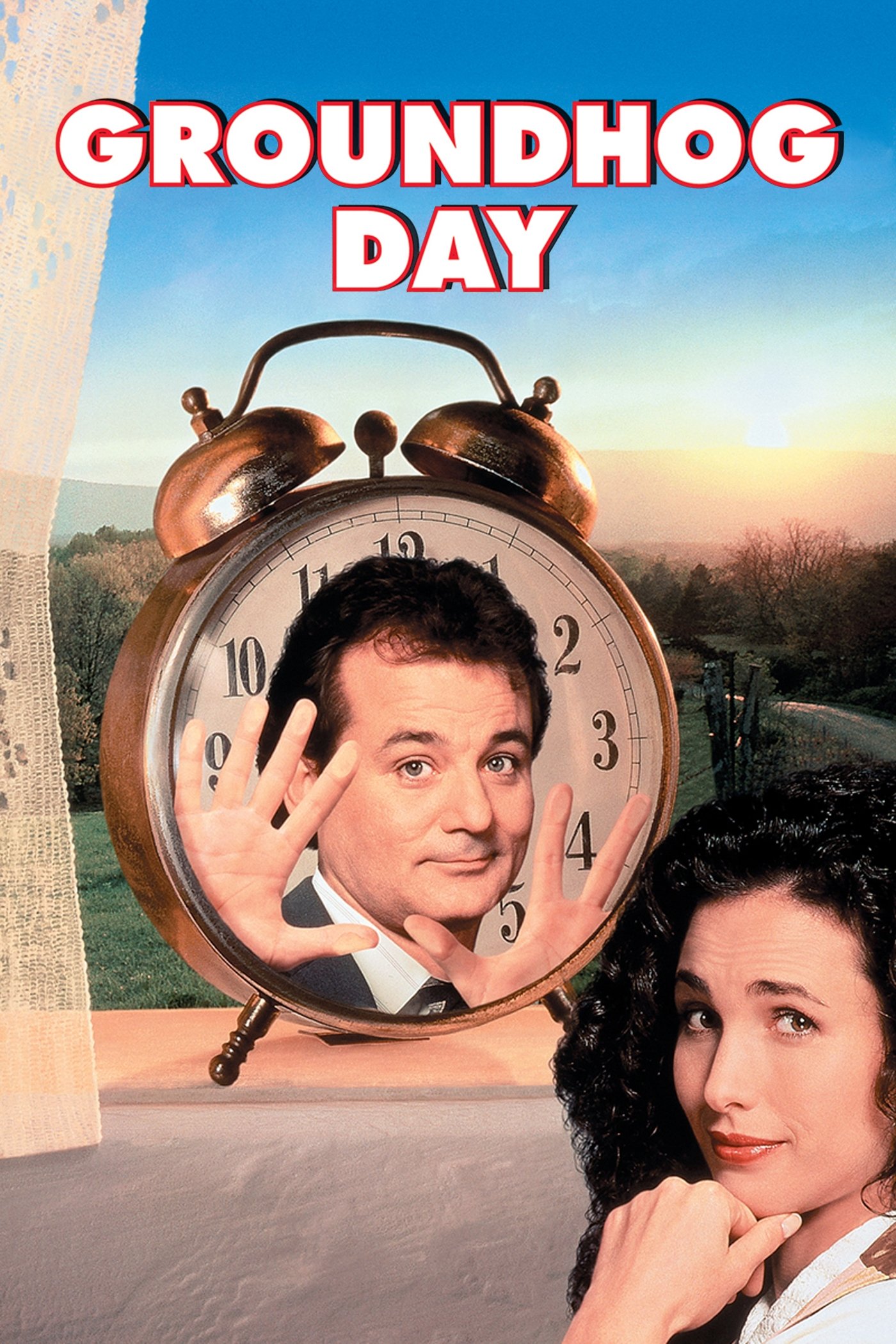
The Historical Era of the Film
Every time I revisit Groundhog Day (1993), I find that understanding its historical context is essential to grasping the film’s tone and worldview. When the movie was made, the early 1990s were marked by a sense of transition and uncertainty across the United States. The Cold War had recently ended—specifically with the dissolution of the Soviet Union in 1991. This seismic shift left Americans dealing with both relief and unfamiliar ambiguity about their country’s new place in the world. The prevailing political climate was one of cautious optimism: Bill Clinton was inaugurated as President in January 1993, promising generational change, but the country still carried economic anxieties from the early 1990s recession.
Socially, I recognize that the nation was recalibrating its values. There was widespread debate about what the end of Cold War ideology meant for daily life and the collective psyche. People were seeking meaning amid significant changes—increased globalization, technological advances, and a growing skepticism toward institutions. The early 1990s also saw an economic recovery from a difficult downturn that had left many Americans feeling uncertain about job stability and the future of their communities.
At the local level, many smaller towns had begun to feel the effects of these national changes. When I think about how Punxsutawney—a real small town in Pennsylvania—served as the primary backdrop for the film, I see it as a perfect reflection of how American society was negotiating its relationship with tradition in an era of flux. The film’s release coincides with a moment when Americans were both nostalgic about their roots and eager for new beginnings.
On a cultural level, the production era was an interesting crossroads. Society was edging away from the materialism that characterized the 1980s, influenced by a rising Gen X outlook that was more skeptical and ironic. Simultaneously, there was growing attention to mindfulness and self-improvement, paralleling the rise of self-help books and New Age philosophies. The historical texture of 1993 is integral to understanding the energy that Groundhog Day brings to its characters and small-town setting.
Social and Cultural Climate
When I reflect on the social and cultural climate that shaped Groundhog Day, I see it as a product of a time when American society was grappling with changing values and a desire to find new forms of purpose. The dominance of cable television and the expansion of mass media in the early 1990s introduced people to a wider array of worldviews and personal stories. One major trend was a cynicism about media and institutions, but there was also a powerful yearning for connection and authenticity.
Family structure, community, and personal fulfillment were frequent topics in the national conversation. The film’s small-town community, with its quirky but close-knit feel, mirrors a cultural ideal of “true America” that many people still longed for even as society modernized rapidly. I find it significant that this was the era when conversations around work-life balance, burnout, and personal growth were becoming more visible, laying the groundwork for the “self-improvement” movement that would surge later in the decade.
What stands out to me is how the notion of “time”—how it’s spent and its repetitiveness—was a prevalent cultural undercurrent. The “rat race” and monotony of work, along with anxiety over wasted potential, was often discussed among people I knew. I sense that the film’s setting during the literal “Groundhog Day” tradition was a wry commentary on these societal feelings. It’s as if the wider American public, much like Phil Connors, found themselves caught in cycles of expectation, obligation, and hope for something transcendent.
A few key historical factors from this social moment that I see reflected in the film include:
- Increasing national skepticism toward old narratives
- Yearning for authentic community and connection
- Growing discourse on self-discovery and personal meaning
- Shift toward more ironic, self-aware storytelling
This intersecting swirl of traditional values and evolving cultural identity seems to permeate every frame of the movie. The early 1990s were a time when American cinema began to grow more reflective, searching, and at times, self-deprecating, which I believe is captured perfectly in the film’s character-driven humor and philosophical undertones.
How the Era Influenced the Film
In my research and personal reflection, I see Groundhog Day as something of a cultural artifact that could not have been made in a previous decade or later one with the same resonance. The story’s premise—a man reliving the same day endlessly—seems tailor-made to the anxieties and aspirations of the early 1990s. At its core, I believe the film absorbed and refracted the era’s questions about routine, agency, and the possibility of change.
Director Harold Ramis and screenwriter Danny Rubin chose to center the story around a jaded, cynical protagonist—a clear product, in my opinion, of the postmodern skepticism that colored so much of the cultural output of the early 1990s. I often notice how Phil Connors’ initial self-absorption and disaffection mirrors a generation wrestling with meaning in an era of perceived over-saturation and “information fatigue.” The film’s tone is infused with irony and detachment, yet it leaves room for genuine transformation, a narrative arc that suits an era moving from the brash optimism of the previous decade into more contemplative territory.
The filmmaking itself reflects attitudes of its time. I see a distinct lack of flashiness in the production design—Punxsutawney is not glamorized but presented with honesty. This mirrors the period’s trend toward “indie sensibility,” even in mainstream studio comedies, as audiences started to gravitate toward more grounded and relatable storytelling. In portraying the repetitive, almost Sisyphean rhythms of daily life, the film aligns with a widespread cultural conversation about finding value in small, everyday actions, which became increasingly popular in early 1990s media and literature.
I also notice a unique interplay between tradition and disruption: the “Groundhog Day” holiday itself is quaint and steeped in Americana, but the film uses it as a blank slate to explore new, complex philosophical ideas. This melding of the old and new speaks directly to how people of that era were both clinging to ritual and exploring uncharted existential territory. In this way, Groundhog Day came to embody the liminal space the country found itself in—between certainty and uncertainty, between old paradigms and emerging ones.
These factors make the film feel deeply rooted in its production era, expressing not only the surface quirks of early 1990s culture but also its subtler preoccupations and hopes for renewal.
Audience and Critical Response at the Time
I vividly remember the initial reaction to Groundhog Day upon its release in February 1993. Audiences seemed, at first, to approach it as a typical Bill Murray vehicle—an offbeat romantic comedy with a fantasy twist. But it didn’t take long for people to recognize that there was something different at work. The film’s timing coincided with a moment when, in my view, audiences were beginning to crave stories that blended humor with a deeper, more reflective sensibility.
Critics responded with a level of engagement and curiosity that mirrored the era’s cultural mood. I recall reading reviews that noted how the film worked as a comedy, but also as a meditation on the nature of change and redemption. Some critics suggested that it tapped into a collective anxiety about direction and meaning, which resonated with viewers who were living through rapid social transitions. What I find especially interesting is that the movie’s core concept—the possibility of breaking free from repetition through self-awareness—seemed to strike a chord with those experiencing the sameness of daily routines in their own lives.
Box office numbers and word-of-mouth indicated that the movie was connecting with a diverse audience. I heard people discuss the film not just as entertainment, but as a springboard for conversation about personal growth and life’s purpose. The notion that a mainstream comedy could provoke these kinds of discussions felt somewhat new at the time, signaling a shift in what audiences expected from Hollywood films.
Culturally, the movie earned praise for its subtly satirical take on American traditions. The narrative’s interplay between biting sarcasm and genuine sentiment, in my opinion, was particularly apt for a generation raised on irony but eager for hope.
Why Historical Context Matters Today
For me, understanding the historical context of Groundhog Day (1993) fundamentally changes how I view the film today. With the benefit of hindsight, I can see how it addresses questions and concerns that were alive in its own time, some of which have only intensified with each passing decade. The movie’s exploration of individual agency, routine, and community is more than a clever premise—it’s a direct reflection of the anxieties and possibilities of the early 1990s.
Appreciating the specific climate in which the film was produced enhances my interpretation of its narrative and visual choices. The film’s balance of skepticism and hope, its grounded sense of place, and its gentle critique of repetitive living all become richer when I consider what was happening in the wider world at that time. In my view, the resonance of the story comes from its grounding in a moment when Americans were learning to question old answers and seek new ones.
This historical understanding also helps me appreciate how the film endures. I see echoes of early 1990s concerns—about meaning, connectedness, and transformation—in the conversations and crises of today’s world. Our current environment, with its rapid technological shifts and cultural redefinition, shares a kinship with the mood of uncertainty and hope that marked Groundhog Day’s original context. That’s why, each time I watch it, I’m reminded that the film is not just a product of its time, but also an ongoing conversation with the present.
After understanding the factual background, you may want to see how this story was received as a film.
🎬 Check out today's best-selling movies on Amazon!
View Deals on Amazon