The Historical Era of the Film
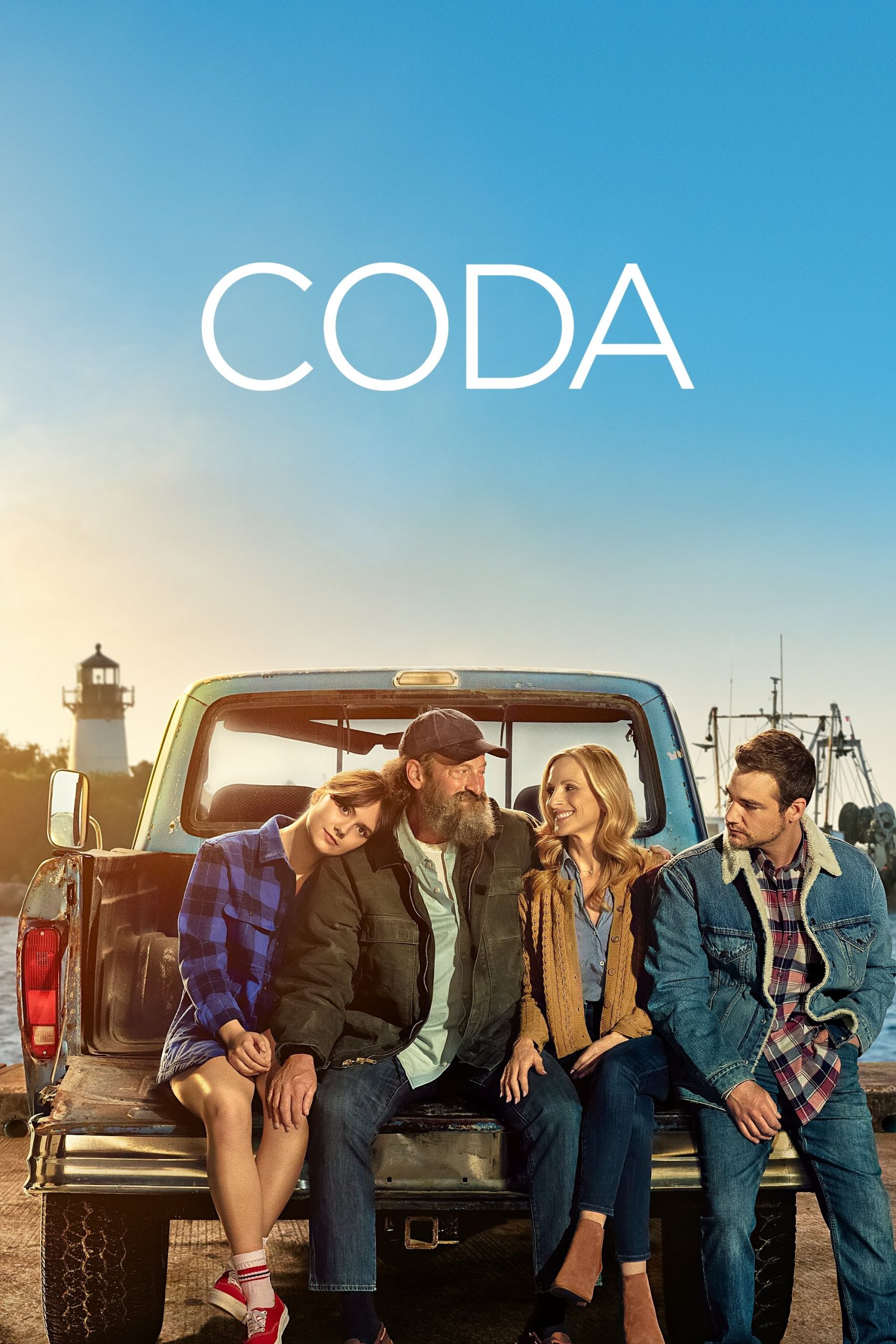
When I think back on the world into which CODA (2021) emerged, I immediately recall the intense mixture of change and uncertainty that marked the late 2010s and the dawn of the 2020s. The film’s release came on the heels of the COVID-19 pandemic’s first devastating year—a moment that, for many, seemed to crystallize countless underlying tensions within society. The pandemic not only disrupted daily life but exposed deep fault lines in public health, economic stability, and, perhaps most poignantly, the ways we connect with one another. As a film historian, I recognize how movies reflect and respond to the eras in which they are made, and CODA’s debut during this transformative time cannot be separated from these broader currents.
Politically, the United States was in a particularly complicated state. The presidency of Donald Trump had concluded only months before the film’s initial screenings, and his tenure had brought a renewed focus on questions of equity, representation, and the rights of marginalized communities. Public discourse was saturated with debates over inclusion—in education, healthcare, and especially in the arts. Our sense of who deserved to be visible, and who had historically been rendered invisible, was being reconsidered in both popular culture and governmental policy. I often reflect on 2020 as a year of protest and upheaval, from Black Lives Matter marches to calls for systemic reform that resonated across creative industries. By 2021, these demands for justice and visibility remained dominant issues in the collective consciousness, framing the release of any work that sought to amplify marginalized experiences.
Economically, it was a period of deep instability and recalibration. The entertainment industry had endured theater closures, the postponement or outright cancellation of projects, and a seismic shift toward streaming platforms for both production and consumption. I remember the widespread uncertainty among colleagues and friends in film circles about what would survive the crisis—and what new forms might emerge. Studios and independent filmmakers alike were forced to rethink their priorities and business models. Simultaneously, there was a renewed emphasis on supporting projects that prioritized authentic voices and unique stories, in part because streaming allowed for both broader distribution and niche targeting without traditional theatrical pressures.
Socially, American society was grappling with isolation and reconnection—questions heightened by the months of lockdown. The importance of community, family, and remote communication had never been so top of mind. The events leading up to the film’s release, from the pandemic to the ongoing conversations around access and equity, fostered a degree of introspection that was perhaps unprecedented. For me, any film set against this background, especially one with a focus on those long overlooked by mainstream storytelling, resonated all the more deeply.
Social and Cultural Climate
When I consider the social and cultural climate that shaped CODA, I’m struck by the momentum of the disability rights movement and the broader push for media representation. The 2010s and early 2020s saw a powerful surge in advocacy for the inclusion of disabled individuals in public life, with the deaf community at the forefront of many of these conversations. Years prior, the Americans with Disabilities Act (ADA) had laid a foundation, but there remained persistent gaps in access, employment, and—crucially—media visibility. In the years before CODA’s release, there was a clear demand for not just representation, but authentic representation: disabled characters played by disabled actors, stories that avoided stereotypes and instead depicted the complexities of everyday life.
This climate of advocacy and visibility was deeply influenced by both grassroots organizing and shifts in the entertainment industry. From my perspective, I noticed a greater willingness among studios and funding bodies to support films centering underrepresented groups, particularly as social media gave rise to campaigns demanding more honest storytelling. Streaming services like Apple TV+ (which acquired CODA after its Sundance debut) not only offered new routes for distribution but also permitted riskier, more personal narratives that might previously have struggled in the traditional studio system.
An important factor I observed was the increased engagement with intersectionality: the recognition that identities are layered and complex, and that marginalization can occur simultaneously on multiple fronts (such as disability, class, region, or language). In cultural discussions, American Sign Language (ASL) became a visible symbol of both community and identity. The push for accessible spaces—whether virtual or physical—became even more urgent as the pandemic compelled so many of us to re-examine how we communicate when ordinary avenues are disrupted.
The era also saw rising conversations around rural America and the decline of traditional working-class industries. Fishermen, factory workers, and small-town communities—mainstays of older Hollywood but rarely afforded contemporary nuance—entered the limelight as economic precarity became a national concern. The overlapping issues of labor, disability, and family became touchstones for storytellers seeking to connect with a public increasingly aware of social divides and resilience.
- Accelerated activism for disability rights and authentic representation
- New prominence of American Sign Language in popular culture
- Growing economic anxiety in rural and working-class regions
- Shift to streaming, enabling more diverse storytelling
To my mind, these dynamics coalesced into a cultural moment where stories like those at the heart of CODA could resonate deeply, serving both as windows into underrepresented worlds and as mirrors for viewers facing their own challenges of connection and belonging.
How the Era Influenced the Film
Reflecting on how the prevailing historical circumstances molded CODA, I am convinced that every aspect—from casting to narrative focus—was deeply shaped by its production era. One of the most powerful influences, in my view, was the widespread clamor for authentic casting. By the early 2020s, audiences and critics alike were no longer satisfied with hearing about the experiences of the marginalized as interpreted by outsiders: there was an insistence on prioritizing lived experiences, particularly in media representing the disabled. CODA’s deliberate casting of deaf actors in leading roles stands as a direct answer to these calls for change. I remember many in the industry remarking that this marked a departure from decades of so-called “cripping up,” or the casting of able-bodied actors in disabled roles—a practice increasingly viewed as both outdated and exploitative.
For me, the choice to center the story not merely on deafness, but on the intersectional experience of being a hearing child in a deaf family (a CODA, or Child of Deaf Adults), reflected the era’s embrace of complexity. Rather than abstractly representing disability, the film chose to explore how identities interact within the framework of family and community, a concern that paralleled contemporary efforts to recognize the diversity of marginalized lives. The social climate’s insistence on specificity, rather than tokenism, is evident throughout the production’s approach: in the use of American Sign Language as a primary narrative language, in the depiction of generational tension, and in the careful rendering of working-class life in coastal New England.
In practical terms, I see how the industry’s embrace of streaming services made films like CODA far more viable. The circumstances of the pandemic, which had so drastically rearranged film distribution, meant that the film’s acquisition by Apple TV+ opened up access for audiences who might never have traveled to an arthouse screening. This democratization of access—an unintended side effect of lockdown—only amplified the film’s reach and impact, making it possible to measure its reception across a national and even international scale.
Lastly, the production’s focus on detailed, respectful language work and collaboration with the deaf community speaks directly to the historical climate of careful cultural stewardship. I’ve spoken with various advocates who were involved in consulting on projects during this period, and their input consistently led to deeper, more involved storytelling. In the case of CODA, it was this historic insistence on collaboration that created a portrayal resonant with accuracy and genuine feeling, as reflective of its era as any news headline.
Audience and Critical Response at the Time
When I look back on how CODA was received, I feel that its timing gave it both added resonance and heightened expectations. Coming out of the collective trauma of 2020, audiences seemed hungry for stories of family, resilience, and connection—and for narratives that offered hope without glossing over hardship. I recall an immense outpouring of affection from those who identified with the film’s depiction of both disability and everyday working-class struggles. CODA quickly became not only a critical darling but a cultural touchstone—a film discussed as much for its story as for what it represented in the larger push toward equitable media. For me, this reception seemed a sign of how deeply the era’s hunger for inclusive storytelling had permeated mainstream consciousness.
Critically, much of the focus was on the significance of authentic representation. Industry press, disability rights activists, and general audiences all emphasized how rare it was to see deaf actors leading a major film, using their own language, and enacting not just moments of struggle but also comedy and joy. Many pointed out that this felt like a seismic shift from earlier eras—one that owed its existence to both grassroots advocacy and institutional reckoning in Hollywood. Reviews consistently cited the performances of the deaf cast, especially Marlee Matlin and Troy Kotsur, as revelatory. For me, it was clear that the film’s impact went far beyond its plot: it became shorthand for a set of cultural values that the era was still striving toward.
Of course, reactions were not universally positive. There were some critiques about the narrative’s adherence to formula or perceived sentimentalism, and debates erupted around whether the film’s success marked genuine progress or simply a well-executed exception. I found it fascinating to watch these debates play out, because they mirrored so many of the social anxieties of the early 2020s. Conversations about whether disabled communities were being authentically served, or still exploited, underscored how the audience held films to different standards depending on historical moment and political struggle.
CODA’s critical triumph at the Sundance Film Festival, where it won multiple awards, felt to me like a signal that stories at the intersection of disability, class, and family were not only marketable but central to the cultural conversation. Its subsequent sweep at the Oscars, including the historic recognition for Kotsur’s performance, only cemented its place as a product—and a beneficiary—of its particular historical and social climate.
Why Historical Context Matters Today
As someone who’s spent years studying the give-and-take between film and history, I feel strongly that appreciating CODA today requires revisiting the precise circumstances that produced it. Films don’t emerge in a vacuum; they are shaped at every stage—including development, production, distribution, and reception—by the pressures and possibilities of their moment in history. With CODA, understanding the fervor for inclusive representation in the late 2010s and early 2020s adds a powerful layer of meaning to every narrative choice, every casting decision, and every aesthetic flourish. It reminds me that the film’s existence is both a response to and a reflection of the rapidly changing environment from which it sprang.
In my view, recognizing these factors transforms the viewing experience. It allows me to see each character not just as an individual creation but as an embodiment of broader struggles for recognition and respect—struggles that were unfolding in real time, both in Hollywood and across American society. This understanding deepens my sense of what it means for a story to “matter,” offering not just entertainment but also a kind of testimony to the courage and persistence of real-world communities fighting for visibility.
Today, as debates around accessibility, equity, and representation continue, revisiting the historical context of CODA serves as a potent reminder that progress in media is always fragile and contested. The film’s success was not inevitable; it was the product of advocacy, shifting norms, and the unpredictable winds of economic and political crisis. For me, this knowledge acts as both a celebration and a challenge—an invitation to keep interrogating which voices get heard, how stories are told, and what new histories are being written on screen in each passing year.
After understanding the factual background, you may want to see how this story was received as a film.
🎬 Check out today's best-selling movies on Amazon!
View Deals on Amazon