
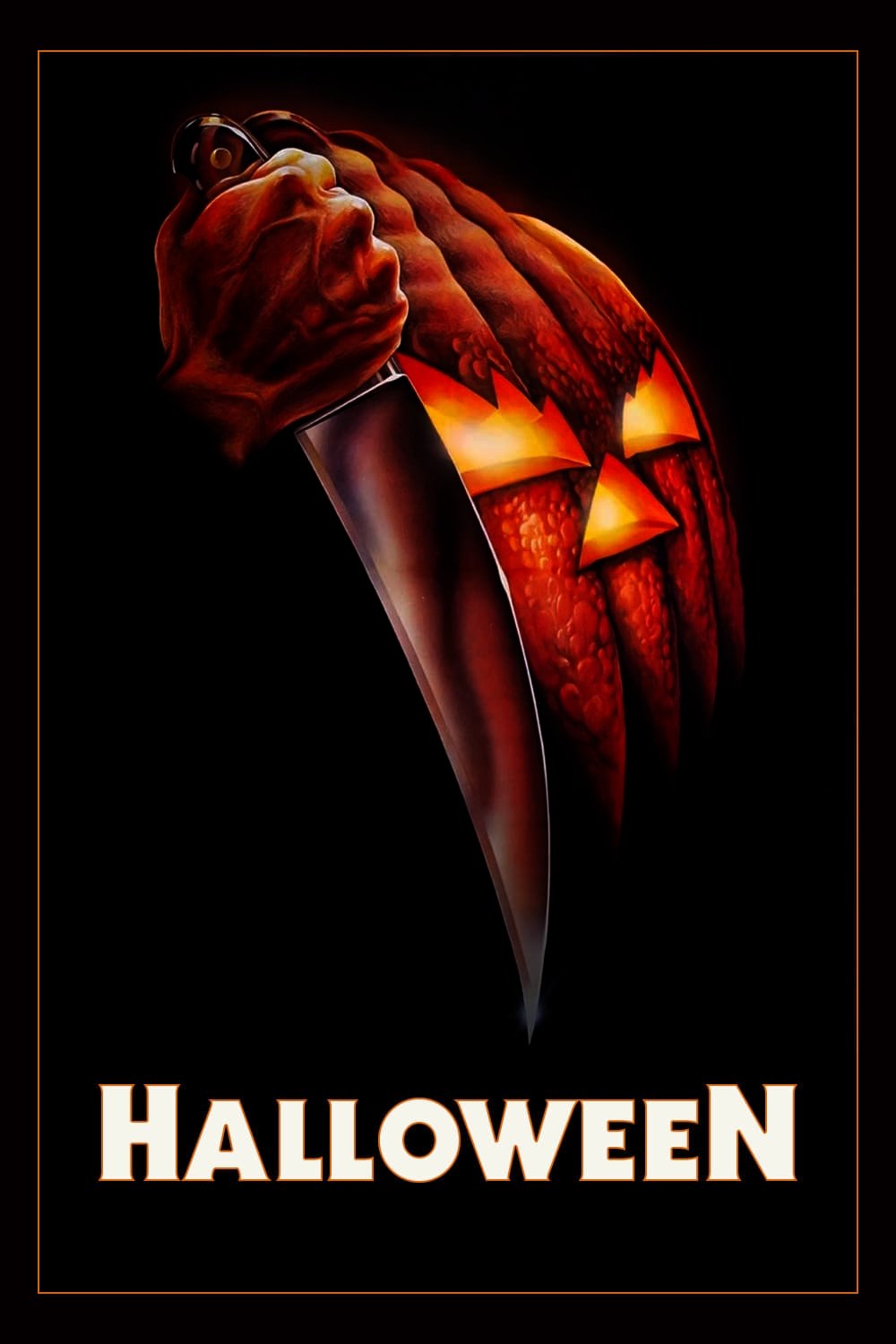
The Historical Era of the Film
When I first delved into the origins of Halloween (1978), I was struck by the enormous shifts taking place in late-1970s America. The United States was still reeling from the turbulence of the previous decade—a period that had seen the idealism of the 1960s fade, replaced by cynicism and a sense of disillusionment. Richard Nixon had resigned just a few years earlier in the wake of Watergate, casting a long shadow of distrust on political institutions. Trust in government was at one of its lowest historical points, fueling an underlying uncertainty that seemed to seep into all aspects of daily life. Unemployment was rising, inflation ate at the buying power of the middle class, and cities—once storied icons of American progress—began to show clear signs of decline.
I often consider how the era’s economic strain had a profound impact far beyond the balance sheets. This was a country shocked by oil shortages, economic stagflation, and a series of layoffs that hit blue-collar neighborhoods particularly hard. The “American dream” felt precarious, and for many, the predictability of suburban life was not a source of comfort but a fragile illusion. The post-Vietnam malaise added a further layer of instability; the country was grappling with its own identity, seeking to answer questions about its national values. Political unrest was not just something you saw on television—it was present in the social fabric, as families and individuals struggled to define security and morality in an era of uncertainty.
On a cultural level, I witnessed a paradoxical combination of yearning for simpler traditions and open anxiety about the changing world order. Suburbia had sprawled across the American landscape, a testament to the promise of safety and order, but also the source of growing alienation. The notion of “home” was evolving—suburban communities often felt isolated, cut off from urban centers but not immune to their problems. Televised violence and shocking crime stories now reached safely behind white picket fences, which led to rising fears about vulnerability and protection. It’s no coincidence in my view that these unsettled feelings would suffuse the artistic production of that time. The shift away from the bright, communal optimism of the 1960s toward the more insular, self-protective mood of the late 1970s framed not just how people lived, but the stories they told.
So when I explore the historical context of Halloween (1978), I can’t help but see it as a direct product of these circumstances. It’s set in a world familiar to many contemporary Americans—calm, routine, and yet simmering with an ambient dread. And that sense of unease, to me, isn’t accidental: it eerily mirrors a nation finding its footing after a decade full of seismic political, economic, and social shifts.
Social and Cultural Climate
What I find most compelling about the social climate of the film’s production era is the undercurrent of cultural anxiety that permeated so much of American life. The mid- to late-1970s were aftershocks of the “cultural revolution”—ideas around gender roles, sexuality, and family were being renegotiated almost daily. The traditional structures that had provided comfort felt suddenly open to question, with second-wave feminism challenging the norms of domesticity, workplace equality, and personal autonomy. The sexual revolution and the women’s liberation movement—not exactly new in 1978, but still evolving—had fundamentally altered expectations around dating, privacy, and moral responsibility.
Against this backdrop, I notice that mass entertainment—especially in Hollywood—gravitated toward stories that reflected, or sometimes inflamed, contemporary anxieties. There was an increasing appetite for movies that tested boundaries, reflected uncertainty, and captured tangible fears. The rise of the slasher film and the horror genre more broadly can’t be divorced from this climate. I remember reading how Halloween’s very existence is tied to cinema’s ongoing search for new ways to shock, unsettle, and engage an audience that was becoming harder to scare.
Small-town America, with its manicured lawns and unspoken codes, had become emblematic of both safety and repression. I see films like Halloween probing beneath the surface, tapping into anxieties about the home as a place not entirely immune to threat. The film’s representation of youth, especially teenage girls, reflects a society both curious about and cautious of changing gender relations. There’s a palpable sense of generational tension—adults made powerless, authority figures called into question, and teenagers both vulnerable and newly empowered.
It’s fascinating to witness how Halloween found itself at the intersection of growing concerns about media violence and its influence on society. Every new violent crime or serial killer made headlines, reframing the perception of what could happen in “safe” spaces. The sense that the unknown could penetrate even the most familiar neighborhoods became a collective fear. I find these trends captured succinctly in Halloween’s depiction of “The Shape”—a nameless, motiveless figure intruding on everyday life. For me, this wasn’t just a narrative choice; it was an embodiment of a social reality, amplifying the dread that the boundaries between safe and unsafe, known and unknown, had all but disappeared.
- Heightened fear of crime and “stranger danger” in suburban neighborhoods
- Shifts in gender dynamics due to feminism and changing social roles
- Increased youth independence and generational divide
- Economic and moral uncertainty post-Watergate and post-Vietnam
How the Era Influenced the Film
Whenever I watch Halloween again, I’m reminded how inseparably linked its narrative and aesthetic choices are to the historical moment of its creation. John Carpenter and Debra Hill, working with limited resources, seem to channel the anxieties and claustrophobia of the late 1970s into every shot, location, and character. Reading about the film’s production, I was fascinated to learn how the budgetary constraints—often under $350,000—did not stifle creative ambition, but rather distilled the story to its most essential parts. That sparseness, for me, is evocative of a time in which many Americans were forced to make do with less, calibrating their expectations and their routines against economic uncertainty.
The very idea of setting the film almost entirely in the quiet suburb of Haddonfield, Illinois, mirrors the era’s desire for community safety, even as audiences were growing suspicious of whether such safety could truly exist. I see Halloween as a meditation on the illusion of suburban invulnerability. The houses, streets, and schools are instantly recognizable, yet the way they are filmed—often through voyeuristic camera angles—reminds me of the broader concern about surveillance, privacy, and the permeable nature of personal security during that time.
For me, one of the most profound influences of the era is in the characterization of Laurie Strode. Her role both reflects and resists the changing expectations for young women. Laurie is responsible, intelligent, and independent, but she’s also expected to conform to modes of feminine vulnerability that the earlier women’s movement had begun to question. Her friends, and even her own choices, seem guided less by traditional morality and more by a search for autonomy in a world that cannot guarantee protection. In this way, the film’s sense of threat is as much about social change as it is about physical danger.
Discussions about violence and innocence were common in the late 1970s, and I can’t help but see how Halloween channels these questions. The film’s violence, though chillingly sparse compared to later horror movies, resonates because it arrives in places and at times that should be safe. I believe this reflects then-current anxieties about random violence—the feeling that safety is not a guarantee, and that the world is far less predictable than parents and authorities suggest. Even the motivated, inexplicable nature of “The Shape” is a product, in my view, of a societal inability to explain or rationalize the threats that now appeared in headlines.
Special attention must also be paid to Halloween’s production context. The limitations of shooting quickly and cheaply in Southern California—dressing the set to look like Illinois, using budget-friendly technology, and employing local acting talent—speak directly to the film industry’s new priorities in the post-studio era. “Indie” filmmaking, not yet the enormous movement it would become, was carving out its space, and I’ve always felt Halloween is a striking example of how resourcefulness and necessity can spur creative breakthroughs that resonate with audiences both then and now.
Audience and Critical Response at the Time
When I research and reflect on the initial audience reception to Halloween, I’m always surprised by the passion—and sometimes controversy—the film generated. At first, many critics seemed unsure how to categorize it, often writing off horror films as lesser entertainment. But quickly, I saw a remarkable divide between critical skepticism and public enthusiasm. Word-of-mouth spread rapidly, and audiences in 1978 seemed galvanized by the film’s simplicity and relentless tension. Here was a movie that distilled a generation’s fears into a taut, almost archetypal setup—and viewers took notice.
I find it telling that contemporary reviews often focused not only on the film’s suspense, but also on the underlying social anxiety it seemed to capture. Roger Ebert, for example, noted how Halloween’s “clean, spare, linear style” made it especially effective—a stark contrast to the excess and melodrama found in so many other genres. For me, this indicates that even seasoned critics recognized something unusually potent about the way Halloween reflected its cultural moment.
There was, of course, a significant group that reacted with concern or even alarm. Headlines about film violence had already begun to dominate public discourse, and Halloween added fuel to the fire. Debates around the influence of horror movies on youth behavior, and whether such films encouraged real-world violence or simply reflected real fears, were common in the late 1970s. I notice that much of this anxiety mirrored the ongoing cultural soul-searching happening in the country more broadly.
Among younger viewers, especially, Halloween achieved something like cult status almost overnight. The minimalist electronic score became immediately identifiable in pop culture, and the “final girl” trope—while not yet named as such—shaped the way horror fans and filmmakers alike thought about gender and survival. To me, the mix of fear, fascination, and controversy remains one of the most distinctive legacies of its initial audience reception.
Why Historical Context Matters Today
When I revisit Halloween now, decades after its release, I’m reminded how essential it is to root my understanding in the historical context that produced it. Without an appreciation for the social and political tensions of the late 1970s, the film risks feeling generic—just another scary story set in an idyllic town. But for me, knowledge of the era’s disillusionment, economic anxiety, and changing cultural codes makes Halloween vastly richer and more resonant.
Understanding its moment of creation illuminates the reasons behind its form and content. I find it invaluable to see Laurie Strode not just as a horror archetype, but as a symbol of the new kinds of female agency being forged in real communities. The quiet suburban streets, seemingly random violence, and impotence of once-trusted authority figures encourage me to reflect on the fragility of the social contracts that so many Americans were questioning at the time. By recognizing these underlying forces, I find myself more sensitive to the film’s textures—its use of silence, space, and pacing all become threads in a tapestry woven from very real historical anxieties.
For today’s viewers, I think the lessons of Halloween extend beyond genre appreciation or cinematic innovation. I see it as an essential text for anyone interested in how art both shapes and is shaped by the moment in which it’s made. The film’s continued popularity is, for me, a testament to the persistence of uncertainty and fear in the American experience—a reminder that the issues seething beneath its surface have not disappeared but merely changed forms.
I can’t help but believe that every rewatch of Halloween is made deeper by contemplating its origins. The film becomes a time capsule, revealing not just ghosts and killers but the everyday worries and aspirations of people living through a unique historical crossroads. It’s in this sense that understanding historical context doesn’t just enhance appreciation—it’s the key to unlocking the film’s enduring power.
After understanding the factual background, you may want to see how this story was received as a film.
🎬 Check out today's best-selling movies on Amazon!
View Deals on Amazon