
The Historical Landscape
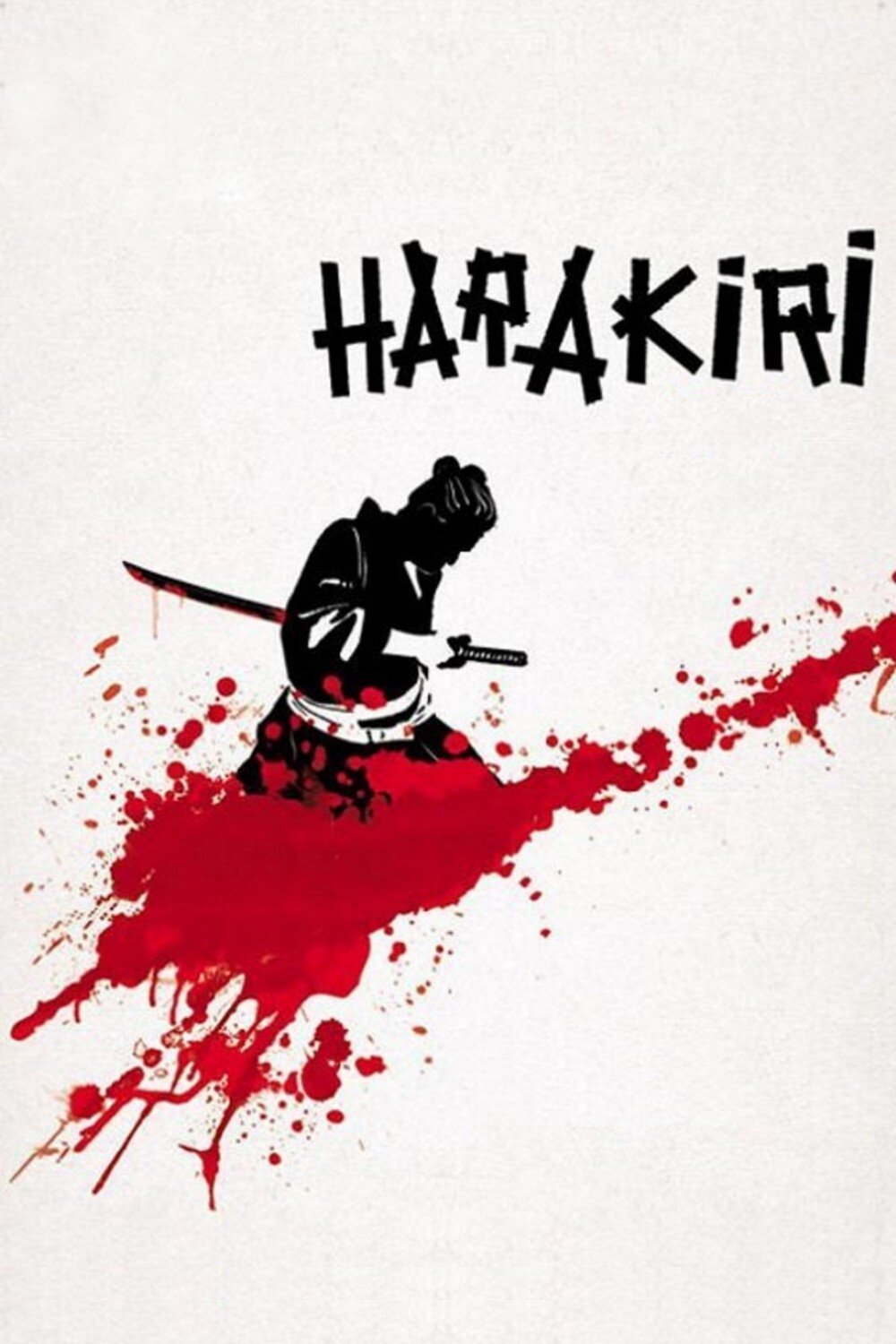
When I first experienced Masaki Kobayashi’s Harakiri, released in 1962, what struck me wasn’t just its slow-burning intensity but the way it haunted the boundary between past and present. The early sixties remain, in my mind, a fascinating contradiction—particularly in Japan. Japanese society was emerging from the austere shadows of postwar occupation, driven by a surging momentum of recovery and reinvention. I picture the bright, modernizing streets of Tokyo, the lure of neon signs next to wooden shrines, the rising industrial might fueling the so-called “Economic Miracle.” Yet beneath the surface, traditional values—honor, hierarchy, a sense of collective duty—had not collapsed but were under rigorous negotiation.
The world, too, seemed uncertain. Around the globe, 1962 was a year humming with tension and transformation: the Cuban Missile Crisis grabbed headlines in the United States, and new nations in Africa and Asia pushed forward with their own wrenching versions of self-definition. In cinema, directors like Ingmar Bergman and Jean-Luc Godard were peeling away the polished facades of society, exploring alienation, authority, and the aftershocks of war. But it was Japan’s recent past—the disaster of World War II, the subsequent defeat and American occupation—that loomed largest in the cultural psyche. The scars of Hiroshima and Nagasaki were not dusty memories but actively shaping art, politics, and everyday life.
So, when I immerse myself in Harakiri, I cannot separate the film’s somber black-and-white compositions from the world in which it appeared. There was a palpable tension: a country accelerating toward modernity, yet always glancing over its shoulder at a buried, sometimes painful, inheritance. Whether in literature, politics, or cinema, everywhere I look in this era, I see the same question pulsing beneath the surface: what must be preserved, and what must be left behind?
Cultural and Political Undercurrents
Watching Harakiri closely, I’m increasingly convinced that no single film so perfectly embodies the subterranean currents shaping postwar Japan. What lingers with me is how the film refuses to offer easy reverence to the codes of Bushidō—those centuries-old, unyielding codes of samurai conduct. Instead, it interrogates them with surgical precision. I sense that this was not merely a cinematic flourish but a deep response to the questions Japanese society was itself voicing—sometimes quietly, sometimes with angry protest—in the wake of war and occupation.
For me, the early sixties in Japan evoke confrontation: the Security Treaty protests of 1960, for example, where people flooded the streets, pouring out in resistance to the renewal of US military arrangements. I hear echoes of that popular defiance in Kobayashi’s direction—the way he frames the Haori-clad retainers of the Ii Clan, so implacable in their ritual, so unable to recognize the shifting soil beneath their feet.
I think about how Kobayashi—himself a World War II veteran, famously critical of authoritarianism—translates national anxieties about unquestioned authority into cinematic language. The political climate at the time was thick with debate: what does it mean, post-occupation, to follow rules just because they are ancient or inherited? Kobayashi was, in essence, holding up a mirror to a society simultaneously proud of its identity and uncertain about the price of blind obedience.
What makes this film resonate with me on such a personal level is how it draws out the contradictions within the Japanese psyche of that era. The Meiji Restoration may have ended samurai rule a century earlier, but the philosophies underpinning that world—conformity, respect for ritual, endurance through suffering—remained a point of pride and a source of potential stagnation.
I often find myself marveling at how film can capture the mood of a moment so deftly—Kobayashi’s refusal to romanticize feudal Japan felt like a challenge to the very way that period had been mythologized in earlier cinema. The political undertones of his critique, aimed at institutional hypocrisy and hollow tradition, read as messages forged in the fires of twentieth-century upheaval. For me, Harakiri emerges as both an act of artistic rebellion and an impassioned interrogation of cultural memory, woven tightly with the spirit of its times.
The Film as a Reflection of Its Time
As I revisit the slow, tangled tragedy of Harakiri, what I see is a filmmaker wrestling with collective ghosts—transforming historical malaise into personal outrage. It’s not merely a period piece about the Edo era; it is, in my interpretation, an attempt to come to terms with the contemporary dilemmas facing postwar Japan. I find myself drawn to the way the narrative circles around the act of seppuku—not as a noble sacrament, but as a form of institutional violence. The film’s pointed exposure of the rigid, self-serving samurai order carries a direct resonance with my sense of society’s growing skepticism toward authority in the early 1960s.
When I watch Tatsuya Nakadai’s mesmerizing performance as Tsugumo Hanshirō, I sense more than personal pain: I read in his resistance an allegory for a whole postwar generation grappling with disillusionment. The film’s structure—a story within a story—suggests, to me, how history gets retold and repurposed, often by those seeking to justify power. The persistent flashbacks, the careful unveiling of tragic backstory, force me to ask: whose version of honor survives, and at what cost?
In those somber halls of the Ii Clan, with their cold formality and devotion to decorum, I see an institution as brittle and lethal as any 20th-century regime. Kobayashi’s methodical, almost meditative editing style—his long takes, deliberate pacing, and stark monochrome palette—serves, in my view, as both homage and critique. It is as if he is inviting me, along with the audience, to contemplate not what was, but what has been made out of the past, and who does the making.
The aftermath of World War II left Japanese society wrestling with guilt, loss, and the need to reconstruct identity. Yet, the drive for economic dominance was offset by a suspicion—at least in the more radical minds—that progress built on unexamined tradition might simply reproduce the pitfalls of the past. I believe Harakiri captures this duality. It refuses to let tradition rest comfortably; it asks, repeatedly, what suffering is concealed behind official narratives. Each time I think on the devastating finale—its brutal chaos and systemic cover-up—I see a warning from a society deeply concerned with the stories it tells itself.
Speaking personally, I find it impossible to extricate the film’s bleak worldview from the pervasive uncertainty of 1962. While Japanese cinema was beginning to find global voice and acclaim, with contemporaries like Akira Kurosawa and Yasujirō Ozu presenting often gentler visions, Kobayashi’s voice felt rawer and more urgent. He didn’t just reflect the anxieties of the age; he seemed determined to confront them head-on, unmasking the violence embedded in even the most sacred rites.
Changing Perceptions Over Time
Through the years, I have watched the reputation and reading of Harakiri shift and evolve, sometimes to my own surprise. On its initial release, I gather there was hesitancy—if not outright discomfort—from those raised on traditional samurai tales. Some, I feel, regarded Kobayashi’s relentless critique of the samurai order as a sacrilege, while others, particularly the young and the politically restless, saw in its stark style and message a rare honesty. For me, this generational divide mirrored the rifts opening up in Japanese society as a whole.
The decades that followed saw new waves of appreciation. As international audiences discovered Japanese cinema beyond Kurosawa’s heroic epics, Harakiri became something of a touchstone for those interested in revisionist history and subversive storytelling. For myself, I found renewed relevance for the film in later years—as the economic bubble burst in the 1990s and issues of institutional failure reemerged. Suddenly, the film’s questions about honor and bureaucracy didn’t feel so much about the distant past as about the present’s fragility.
Younger filmmakers and critics seemed, at times, to rediscover the film’s emotional core, reading it as a meditation on grief and familial love amid unyielding systems. In certain circles, the film has been interpreted as a universal statement about power, oppression, and the individual’s struggle within social machinery. Still, others—myself included—see it through an almost existential lens; its stark spaces and ritualized violence serve as reminders that history itself is often a stage, peopled with those all too willing to play their roles to the bitter end.
Recent scholarship has enriched, but also complicated my appreciation. Some academics have placed Harakiri in dialogue with contemporary movements for political and artistic freedom; others find parallels with present-day anxieties about social conformity and the dangers of idealizing heritage. For me, the changing ways people talk about the film are nearly as interesting as the film itself. With each viewing, I sense not only how the film reads the era of 1962, but how my own era—whatever it may be—reads the film.
Historical Takeaway
After many years of thinking about Harakiri, I find its value as a historical document grows ever more powerful. While it is defined by its setting in the early 1600s, the film, for me, stands as one of the boldest statements ever made about the perils and promise of tradition. What moves me most is not merely its bleakness, but its deep empathy for the individuals ground beneath the wheels of institutions.
I come away convinced that the film’s greatest lesson is about the dangers of fetishizing the past, of confusing inherited rules with justice. In its own era—an era drifting, sometimes violently, between continuity and change—Harakiri embodies the spirit of agonized self-questioning. Kobayashi didn’t just tell a story of long-ago samurai; he invited his audience—and, ultimately, me as a viewer—to unpick the histories that shape us, to recognize the violence of idealized tradition, and to seek truth behind the veil of ritual.
What Harakiri reveals about its era is, fundamentally, a story about the struggle for meaning after catastrophe, about the perils of submission to false authority, and about the power of film to make private doubt into public challenge. Each time I return to it, I realize: the questions it asked in 1962 remain hauntingly unresolved, both in Japan and far beyond its borders.
To see how these real-world elements shaped the film’s impact, you may also explore its reception and legacy.
🎬 Check out today's best-selling movies on Amazon!
View Deals on Amazon