
The Historical Landscape
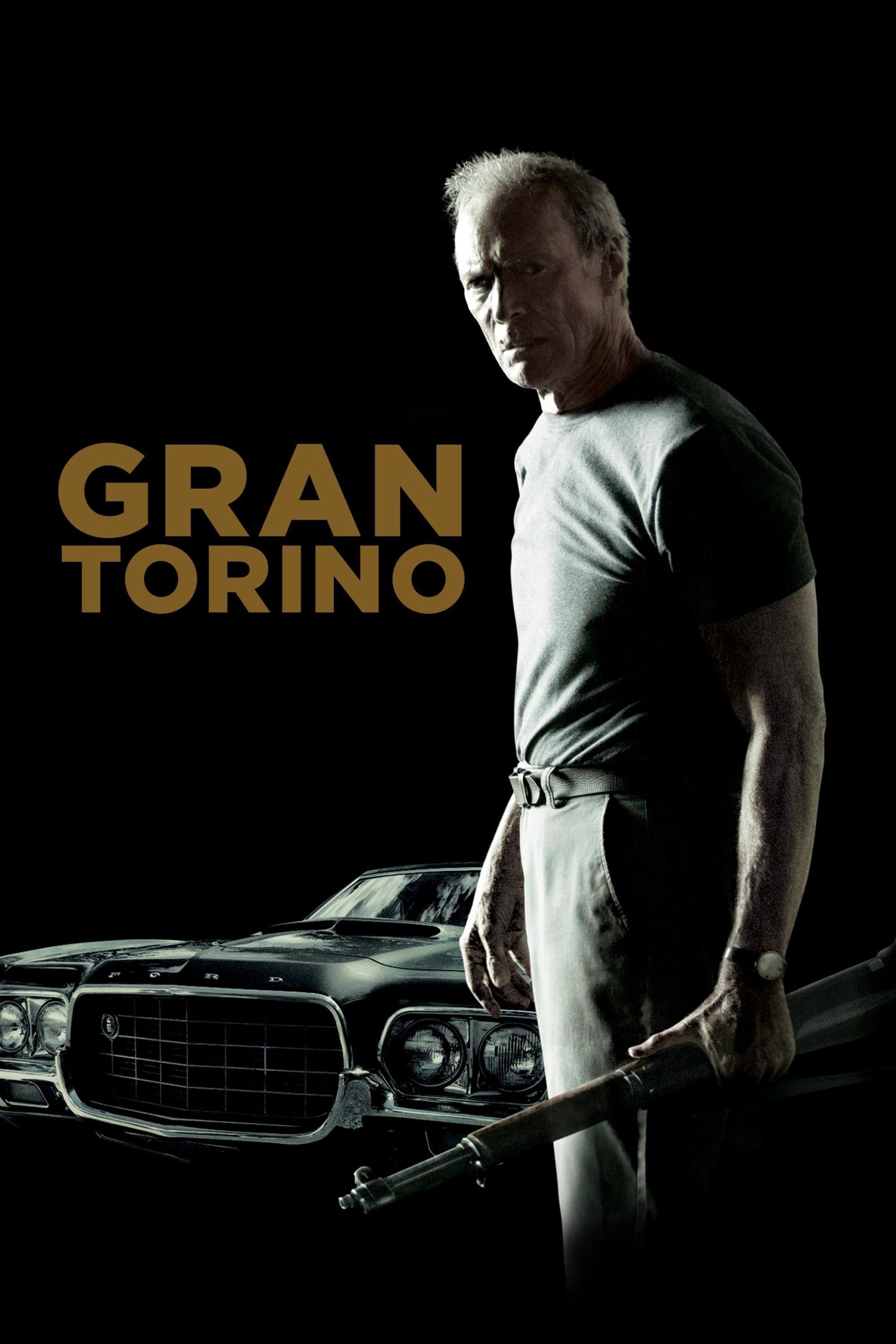
Gran Torino sank its roots deep into my memory as a film that spoke to a particular moment in American culture. I saw it for the first time in 2008, a year seared by tumult and uncertainty—a time when the United States was reeling from the aftershocks of the 2007-2008 financial crisis, and the sense of collective anxiety was nearly impossible to ignore. Every news channel, every street corner conversation seemed saturated with concerns about livelihoods evaporating, homes foreclosed, and industries, especially those based in the American Midwest, crumbling under the relentless forces of globalization and automation. I felt it physically; the news about shuttered factories in cities like Detroit seemed to echo directly from the screen every time Clint Eastwood’s character walked past the skeletal remains of his neighborhood.
This was also the backdrop of a transformative presidential election. The rise of Barack Obama, with his calls for hope and change, clashed starkly with the feelings of loss and nostalgia prominent in the air. I remember thinking about how 2008 felt like a crossroads, with America looking backward and forward at the same time—unsure whether to mourn what had been or embrace what could come. The movie arrived, to my mind, as a meditation on precisely this tension: how to honor the past while still making room for others in a rapidly shifting present. The demographics of my city, too, were changing—immigrant families were moving into neighborhoods long defined by white, working-class identities. This, I recognized, was not just a film about individuals, but about the altered rhythms of post-industrial America.
I recall, even in casual conversations, that everyone seemed aware of the country’s fracturing identity. Traditionalism, patriotism, and insularity were being interrogated in ways that could no longer be ignored. Walking into the theater, I sensed that many—myself included—were hoping for comfort, or perhaps a reckoning with the ways our culture had been both shaped and constricted by its storied past. Gran Torino arrived as both a product of its time and a challenge to it, asking questions out loud that had often been whispered behind closed doors.
Cultural and Political Undercurrents
What gripped me most about Gran Torino’s release was its dialogue with the undercurrents thrumming beneath the veneer of everyday American life. In the wake of renewed debates about immigration, identity, and the erosion of manufacturing towns, I saw the film as wrestling with the profound discomfort so many felt about rapid demographic and economic change. It was impossible for me to separate Walt Kowalski’s aging, embittered worldview from the wider anxiety I saw all around—a defensiveness, even a yearning for the days when community seemed defined, at least superficially, by sameness.
The national conversation about race was reaching a fever pitch. I could not help but notice how Gran Torino uses its protagonist’s racism not as a mere character quirk, but as a lens through which to expose the complexities of generational prejudice. I remember bristling, then reflecting, as Walt threw around racial slurs and clung to the rituals of his past. The debates swirling outside the cinema about multiculturalism and who gets to call America “home” seemed to seep into every frame, making the film feel almost like a battleground over contested values.
What struck me as especially revealing, watching from the vantage point of 2008, was the palpable sense of cultural fatigue—an exhaustion with both political correctness and with the supposed solutions proffered by national politicians. In my circles, people debated whether integration had truly succeeded, or whether new lines had simply replaced old ones. Gran Torino, for me, captured that ambiguity: it offered no easy answers, and the discomfort was deliberate. There was a pronounced hunger for authenticity in American narratives; blockbusters and television churned out glossy stories, while this film forced viewers to sit with inherited bigotry and consider whether reconciliation was still plausible in a fracturing society.
This was the era when I saw a more visible presence of Asian American communities in media, yet their stories were rarely centered. The casting of Hmong actors in pivotal roles caught my attention—it felt purposeful, signaling a desire to reckon honestly with the ways immigration had transformed neighborhoods. Yet, I was also aware of the limitations—a kind of awkwardness about representation—mirroring the larger, often uncomfortable debates about who gets to belong in narratives about the American heartland. Watching the news, reading op-eds, and then seeing the film, I became more attentive to the ways in which movies could either reinforce stereotypes or invite audiences to move beyond them.
The Film as a Reflection of Its Time
I found myself reflecting, after my first viewing, that Gran Torino was less a story about one man than a meditation on America’s wounded pride. Walt Kowalski personified the battered ideal of the working-class hero—a man whose identity, skill, and dignity were tied to the Ford assembly lines and the rituals of an older order. His house stood as a fortress against a world he no longer recognized; I found it poignant that even his prized Gran Torino seemed almost out-of-place in a neighborhood that had become unfamiliar through years of subtle, relentless change.
The film’s deliberate pacing and blunt dialogue mirrored, in my mind, the discomfort Americans were feeling in 2008. Recessions especially seemed to expose generational rifts—between parents clinging to blue-collar values and children seeking new futures. The movie’s unwillingness to romanticize the past struck me as honest: Walt’s bitterness, bigotry, and alienation weren’t softened for the sake of nostalgia. Instead, I saw a clear-eyed portrait of loss—loss of industry, of social networks, of a sense of purpose that once seemed permanent. The emotional power lay in how the film asked me to question what comes after such loss: can the self, or the nation, find renewal amid overwhelming uncertainty?
Gran Torino’s foregrounding of cross-cultural relationships felt like a direct challenge to the period’s anxieties about immigration. The friendship Walt reluctantly forms with his Hmong neighbors asked me to consider the possibilities for transformation—not just for individuals, but for the larger community. Here, there was no tidy reconciliation; instead, the film illustrated how empathy emerges, haltingly, through lived experience and mutual vulnerability. My takeaway was that the film mirrored a nation questioning its own capacity for change: could old wounds truly heal, or was coexistence always going to be uneasy, provisional, punctuated by uneasy truces?
The themes of sacrifice and atonement resonated strongly with the stories I heard during that period—laid-off workers volunteering in community kitchens, veterans struggling with trauma, families piecing together new lives after foreclosure. The film’s narrative arc, to me, was a quietly radical one: it suggested that redemption, both personal and national, could not be bought or legislated—it had to be enacted, painfully, one gesture at a time. I found these ideas echoed in the wider culture: music, literature, and art of the late 2000s all grappled with mourning and reinvention, and Gran Torino fit comfortably within this larger reckoning.
Looking back, I am struck by how unflinching the film was about the costs of change. The camera lingered on emptied streets and on faces marked by disappointment—the kind of imagery that was everywhere in magazines documenting the hollowing out of middle America. I could feel the sense of rootlessness that defined the era; Gran Torino, in bypassing sentimentality, forced me to confront how adaptation—whether personal or communal—did not necessarily mean the disappearance of grief or the immediate presence of hope. The uncertainty was part of the point.
Changing Perceptions Over Time
Years have passed since that first viewing, and I now find that my perspective on Gran Torino has shifted. At the time, its approach to bigotry and redemption felt bracing—almost like an exorcism of the ghosts haunting American identity. Today, I sense a more divided reaction in the cultural conversation. What once seemed courageous in its bluntness now provokes questions about the limits of representation and the risks of centering racist archetypes, even for the purposes of critique. Discussions I’ve witnessed, both in academic circles and among friends, reveal skepticism about whether the film’s method—using a “hard-nosed” older white man as the vehicle for learning—can ever truly destabilize the stereotypes and hierarchies it seeks to expose.
This evolution of interpretation, to my mind, is inevitable. The cultural terrain has changed: what once was appreciated for its honesty may now strike some as belated or insufficient in the face of broader demands for equity and inclusion. I’ve watched a new generation of viewers grapple with the film, questioning whether it offers genuine insight or simply recycles old tropes about the “white savior.” These criticisms seem less prevalent at the time of the film’s release, but have grown more insistent as debates about systemic racism have escalated. I see these new interrogations as a sign of cultural progress—even if they complicate how I engage with the movie now.
At the same time, I still recognize why Gran Torino struck such a chord in 2008. Its rawness and refusal to offer easy solutions echoed the national mood, when optimism and fear moved uneasily alongside each other. But as conversations about intersectionality and representation become more sophisticated, I find myself asking harder questions about the film’s limitations. Can a single story capture the complexity of an entire era’s anxieties about race, class, and borderlines? Rewatching the film, I notice moments that once seemed brave now feel heavy-handed, yet I also encounter flashes of nuance that remind me of the period’s uncertainty—and its hope for something better.
For many, Gran Torino remains a point of reference when discussing how popular cinema attempts to grapple with generational change and the messy business of learning and unlearning prejudice. I see it invoked in classrooms, in think pieces, and in casual conversation, sometimes as a model to be interrogated, sometimes as a relic of a previous political and ethical moment. My own relationship to the film is now layered with nostalgia, critique, and curiosity. That enduring ambiguity, I think, is part of the film’s strange legacy: it cannot be easily slotted into the hero/villain binaries that dominate so much of today’s discourse.
I’ve also witnessed how immigrant communities, especially those of Hmong descent, have taken up the film in more personal ways—sometimes celebrating its visibility, sometimes lamenting its missed opportunities and caricatures. Their reactions, more than anything I could say, demonstrate how films function as cultural mirrors: what we see depends on where we stand and what we need to see at any given moment. Gran Torino’s afterlife, then, is a living argument about representation, accountability, and the unfinished business of national reckoning.
Historical Takeaway
Every time I return to Gran Torino, I am reminded that films—like the people and places they depict—are inseparable from their moment. For me, this movie distills the ache and confusion of a society caught between mourning and hope, pride and shame, isolation and embrace. The film does not offer blueprints for renewal, but it does capture the hard edges of a country wrestling with its own fractures. My experience with Gran Torino has taught me that understanding any era requires sitting with its discomforts—allowing contradiction, uncertainty, and unfinished change to coexist.
I see in Gran Torino an emotional snapshot of late-2000s America: a landscape marked by economic devastation, racial anxiety, and a stubborn clinging to tradition even as new realities pressed insistently at the door. The questions it raises about identity, community, and belonging remain as urgent as ever, even as our vocabulary for discussing them has grown more complex. The film’s willingness to dwell in ambiguity—to avoid easy answers or redemptive gloss—remains, in my eyes, its truest reflection of the period it emerged from.
Ultimately, what Gran Torino reveals to me about the era of its making is the restless, searching quality of a culture in flux. It is a testimony to the power and the limits of personal change, set against the backdrop of collective uncertainty. By tracing the journey of an unlikely relationship across cultural lines, the film situates itself at the intersection of loss and possibility—a place many of us inhabited in 2008 and, perhaps, still recognize today. My viewing of Gran Torino is not just a memory; it’s a meditation on what it means to grapple honestly with history, both the parts we celebrate and those we struggle to outgrow.
To see how these real-world elements shaped the film’s impact, you may also explore its reception and legacy.
🎬 Check out today's best-selling movies on Amazon!
View Deals on Amazon