
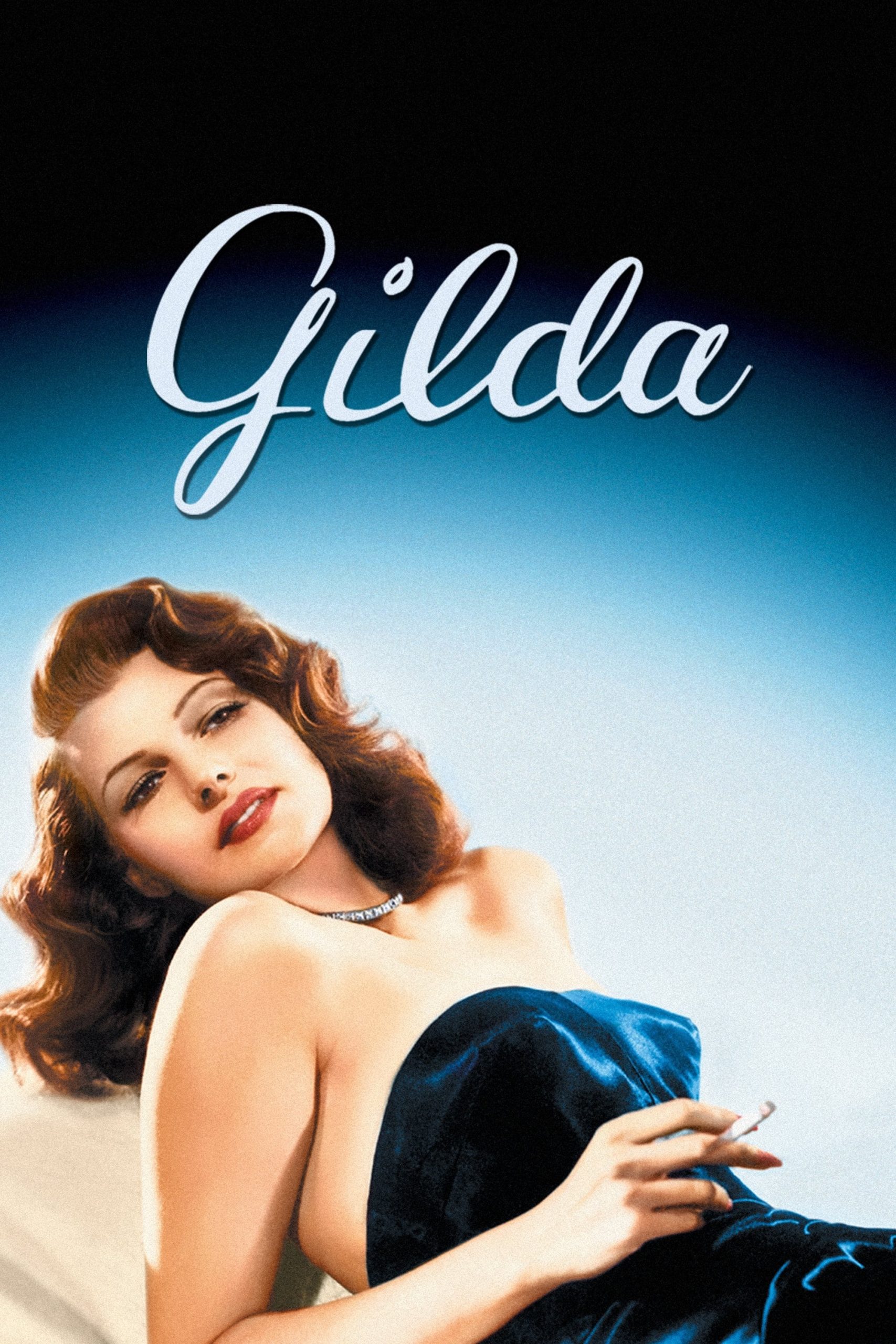
The Historical Landscape
Whenever I revisit “Gilda”, I am instantly reminded of the striking contrasts that colored the world in 1946. That year, for me, marks not a peaceful lull but the tense, humming aftermath of war—a period when hope was palpable yet uncertainty was everywhere you looked. Stepping back in time through the grainy black-and-white of this film, I feel transported to an era where shadows, both literal and metaphorical, stretched long over the lives of everyday people. World War II had officially ended the previous year, and the repercussions of global conflict shaped not only geopolitics but also the private anxieties of individuals and families. The world was exhausted, battered, and yet, deeply introspective. I sense the desire for rejuvenation clashing with lingering fear. Women were urged to return to traditional domestic roles after years of workforce empowerment, but the genie of independence wasn’t so easily returned to the bottle. Meanwhile, men faced pressure to reassert traditional forms of masculinity—stoic, resilient, yet, beneath that, were layers of vulnerability cutting through layers of bravado.
It is impossible for me to ignore the cinematic context, too. Hollywood’s Golden Age was in its full, seductive swing, but there was a dark edge creeping into its stories. I am always struck by the new cynicism that colored even big studio productions. The haze of wartime propaganda was lifting, and films began to trade easy idealism for moral ambiguity. Against this climate, “Gilda” stands out as a barometer of shifting sensibilities—a time when film noir’s moody visuals and moral unease became household fare, reflecting the country’s frayed nerves and cautious optimism for what lay ahead.
Whenever I recall the faces of the audiences watching “Gilda” in its opening weeks, I imagine both longing for escapism and a hunger for stories that dared to acknowledge life’s new complexities. Families who had survived rationing, loss, and upheaval—now dressed in their Sunday best—looked up at glamorous images on screen, and perhaps recognized their own dilemmas in the film’s atmosphere of suspicion and unresolved desire. For me, the film becomes a time capsule: it is full of shimmering confidence, but its shadows tell of an age haunted by unanswered questions and shifting ambitions.
Cultural and Political Undercurrents
When I watch “Gilda,” I don’t merely see sleek black sunglasses and the sweep of satin dresses—what fascinates me most are the barely concealed crosscurrents roaring beneath the film’s surface. From my perspective, this movie pulses with the anxieties, prohibitions, and subversions that defined its era. As America tiptoed into the first chill of the Cold War, I can sense how distrust and duplicity crept into everyday conversation and artistic expression. The Hays Code was in full force, forcing filmmakers to cloak contentious topics in innuendo and implication. Yet, I am always struck by how “Gilda” uses those constraints to its advantage—transforming sexual tension and psychological turmoil into a taut balancing act. The censors’ rules demanded discretion, but this only sharpened the charged dance between the central characters. The unsaid often speaks louder than any declaration.
My reading of the film’s political undertones is inseparable from its setting in Buenos Aires—a detail that is easy to overlook, but never feels accidental. Hollywood often resorted to distant, “exotic” backdrops as stand-ins for forbidden or controversial content. I interpret this choice as a clever camouflage: behind the allure of another continent, “Gilda” could dramatize questions of loyalty, treachery, and personal sovereignty without directly invoking the uncomfortable realities brewing at home. The postwar Red Scare loomed on the horizon, and I sense a collective nervousness at the heart of the story—the kind that stems from a world suddenly aware of how easily trust can be weaponized.
Then, there is the matter of female sexuality. Rita Hayworth’s portrayal is, for me, a paradox. She is radiant, powerful, and impossibly alluring, yet I detect the threats woven into her performance. As I view Gilda’s dance of seduction and resistance, I can’t help but see a society wrestling with the repercussions of letting women taste freedom. The war had overturned gender norms; now, there was a push—sometimes violent, sometimes seductive—to restore the old order. Watching “Gilda,” I find the character’s ambiguity both a celebration and a warning: empowerment wrapped in the language of danger and duplicity. As much as onscreen men try to control her, Gilda seems to dance out of reach, simultaneously desiring and defying their authority. That tension, I believe, mirrors the very real cultural tug-of-war over women’s rights and roles in the mid-1940s.
Moreover, I often notice subtler elements that speak to America’s internal contradictions—its pride in victory shadowed by its anxiety about the future. The whispers of atomic anxiety, the beginnings of consumer culture, and the fraying moral consensus: all these forces swirl beneath the film’s stylish surfaces. “Gilda” gives me the uncanny impression of a nation holding its breath, clinging to surface glamour as a shield against the unease gnawing just out of sight.
The Film as a Reflection of Its Time
For me, what makes “Gilda” so haunting is not merely its exceptional performances or visual flair, but how viscerally it encapsulates a world in flux. As I watch Johnny and Gilda spar, reconcile, and wound each other anew, I feel their relationship echoing the instability of postwar identity. Nothing is stable or certain for long in their world—allegiances flip, affections shift, and trust proves itself to be dangerously scarce. This impermanence, I believe, is not incidental but central to the film’s message about its moment in history.
Every time I revisit “Gilda,” I am taken by the way the film weaponizes ambiguity. Characters speak in riddles; motivations remain murky until the bitter end, if they’re ever clarified at all. To me, this feels like a world where clarity itself is no longer a virtue, where secrets are not only a defense but a necessity for survival. After years of wartime secrecy and propaganda, American audiences had become suspicious of straightforward narratives. “Gilda” reflects this shift in collective psychology: it resigns itself to gray areas, inviting viewers to draw their own lines between victim and villain, loyalty and betrayal.
One of the most evocative elements, in my eyes, is the film’s treatment of desire—both sexual and otherwise. The famous “Put the Blame on Mame” sequence, with Gilda’s flirtatious striptease, is legendary. But when I watch it, I do not simply see titillation; I see a charged performance of power, fear, and liberation. The seductive song, veiled by comedy and dance, is an assertion of presence in a world eager to erase or define her. This is what 1946 felt like to me: a year when boundaries were redrawn, sometimes furiously, and personal autonomy was a source of both excitement and dread.
Beyond individual relationships, I find that “Gilda” artfully channels collective anxieties about the fragility of order and the ever-present potential for chaos. The casino—ostensibly a site of chance and probability—becomes a microcosm of postwar life. As I experience the film, I see every bet as a metaphor for living in a world where old certainties have disappeared. The thrill of risk, the dread of loss, the suspicion that the system itself may be rigged: these are realities both the characters and their original audience could readily identify with.
As someone drawn to cinema’s power to reflect—and sometimes predict—cultural shifts, I see the entire ambiance of “Gilda” as a meditation on ambiguity. Even the film’s aesthetic—its shadowed lighting, the suggestion of secrets lurking just beyond the frame—conveys to me the feeling of a society desperately searching for light but discovering only more darkness. This dance with the unknown, where each gesture can be interpreted multiple ways, makes “Gilda” a genuine artifact of its time: shaped by the unresolved traumas and audacious hopes of an uncertain world.
Changing Perceptions Over Time
Each decade I return to “Gilda,” I am amazed by how the film’s texture transforms under the lens of new generations. For postwar audiences, Gilda was an enigma—infinitely alluring but, above all, dangerous. There was something about her independence and sex appeal that seemed to demand taming, or at least containment. I remember how critics in the late 1940s and 1950s often described her allure in almost apocalyptic terms, as if female autonomy might bring about social collapse. Such readings, for me, are themselves rich artifacts of the anxieties and prejudices of the era.
However, when I attend modern screenings or read contemporary criticism, I am struck by how the film’s gender dynamics are reinterpreted. Today’s audiences tend to see Gilda less as a threat and more as a proto-feminist figure—a woman forging agency in a world arrayed against her. From my vantage point, this crucial shift signals how our collective understanding of sexuality, power, and trauma has evolved. What was once considered a cautionary tale about unruliness is now, I believe, understood as a portrait of resilience and resistance. Gilda’s contradictions—her iron will veiled in vulnerability—mirror our own recognition that strength and weakness exist side by side.
The film’s latent homoeroticism, which I once noted only in passing, now stands front and center for many viewers and scholars. Subtexts that had to be encoded and disguised under the moral and legal codes of the 1940s are, for me and for today’s critics, subjects of fascination and reclamation. Relationships that once seemed straightforwardly antagonistic are now interpreted through lenses of repression and unspoken desire. This, to me, is a testament to the film’s richness—its ability to contain multitudes and to morph in meaning alongside changing cultural tides.
And then there is the question of trauma. Earlier readings, shaped by the urgency of postwar recovery, framed the film’s psychological violence as melodramatic. But as I’ve spent years analyzing cinematic representations of trauma and abuse, I see “Gilda” as a chillingly prescient depiction of gaslighting and emotional captivity. Its rawness, once masked by stylization, resonates now in ways it never did before. I find it humbling how the film’s complexity deepens as our vocabulary and willingness to confront uncomfortable truths expand.
With each passing era, “Gilda” seems less a relic and more a living text—open to reinterpretation, resistant to neat categorization. The anxieties of 1946 are not identical to our own, yet I am persistently reminded how human confusion, longing, and struggle remain constant themes, subtly refracted through new prisms of understanding.
Historical Takeaway
If there is one lesson I continually draw from “Gilda,” it is just how porous and responsive cinema can be to the world outside the theater’s walls. The film reveals, in its every glance and shadow, the anxieties and desires of a society at a crossroads. For me, it is a document not only of what people feared and hoped for in 1946, but of what they permitted themselves to see—and what they felt must be hidden. Its characters’ struggles mirror the push and pull between old certainties and emerging identities in postwar America. Watching Gilda endure, defy, and transform, I sense the outlines of debates that would shape the next seventy-five years: questions of autonomy, control, redemption, and the limits of forgiveness.
When I reflect on the film’s enduring impact, I am drawn to its willingness to embrace contradiction. It offers no clear heroes or villains, no easy morality, but rather a world where loyalties are constantly negotiated and power is always in motion. This uncertainty, rather than providing answers, compels me to return again and again—to ask new questions, to view familiar scenes from strange new angles.
Ultimately, “Gilda” teaches me that whatever else changes, the struggles over love, freedom, and authentic selfhood remain. Its historical value lies not only in what it shows us about a singular moment at the end of World War II, but in how it continues to illuminate the unresolved tensions that lie at the heart of every age, including our own.
To see how these real-world elements shaped the film’s impact, you may also explore its reception and legacy.
🎬 Check out today's best-selling movies on Amazon!
View Deals on Amazon