
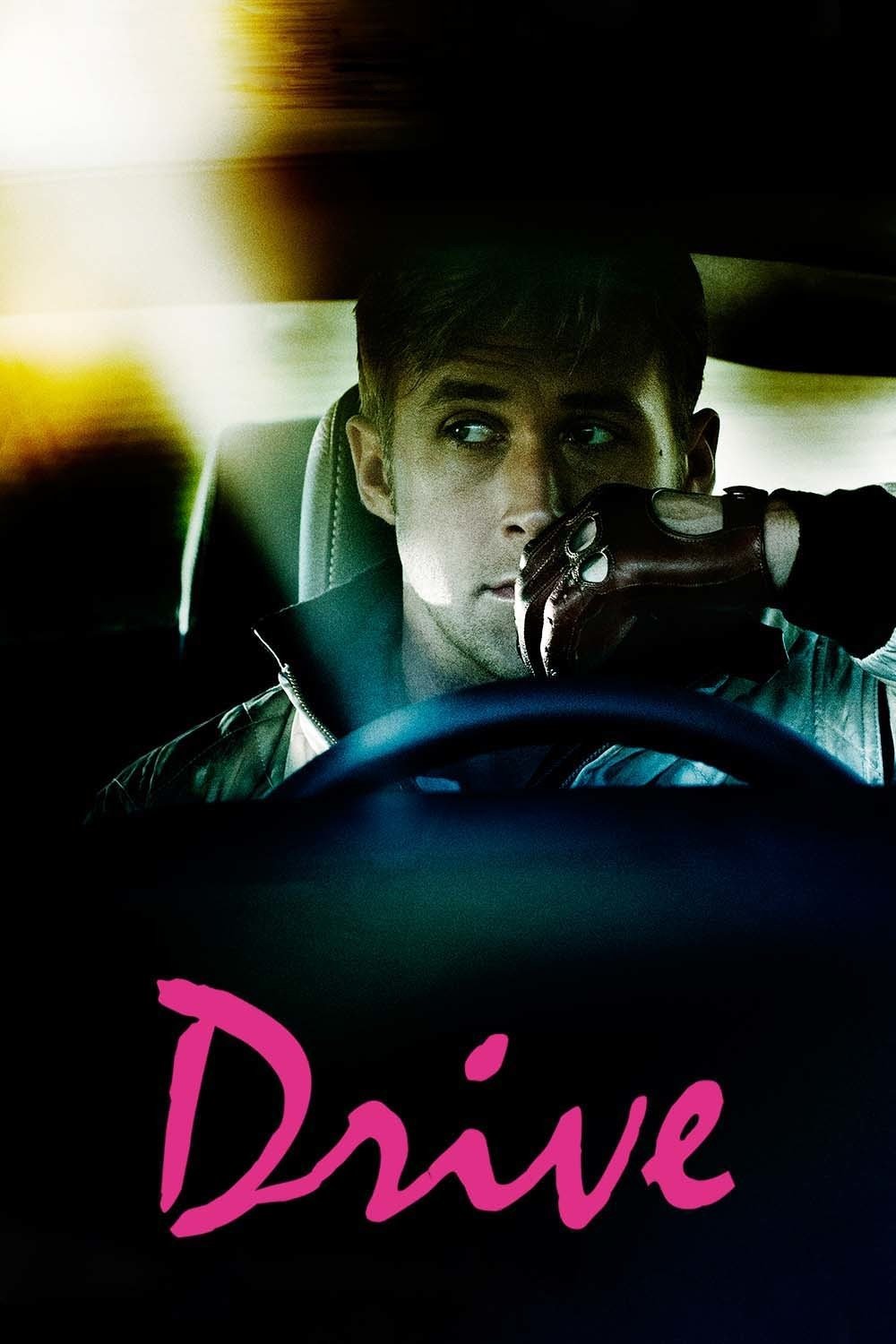
The Historical Era of the Film
Whenever I think about the atmosphere into which Drive (2011) was released, I’m struck by how alive and yet unsettled the early 2010s felt. I remember walking through those years with a sense of economic uncertainty, watching the aftershocks of the 2008 financial crisis play out around me. The economic recession dominated not just headlines, but everyday conversations, and the shadow of that downturn deeply colored the kinds of stories that got told on screen. It wasn’t just the United States grappling with the aftermath; this was a grimly global affair. Political conversations seemed to oscillate between hope for renewal and cynicism about recovery timelines, as governments scrambled to stabilize economies and societies grew restless waiting for the tides to turn. In my view, the political discourse of the time was defined by a general distrust of institutions, with the Occupy Wall Street protests symbolizing a larger undercurrent of discontent, especially among younger generations who often voiced their frustrations through art and activism.
Socially, the sense of alienation was palpable to me. There was a new kind of loneliness emerging, not only from technological isolation—think of the growing dominance of smartphones and online interactions—but also from the erosion of traditional forms of community. Los Angeles, where Drive is set, embodied these contradictions well: on one hand, a city of dreams and cinematic sunshine; on the other, a landscape marked by sharp inequalities and emotional distance. I found the culture of that moment to be in transition. Rapid shifts in technology, hiring freezes, and a rollercoaster real estate market only intensified the uncertainty. This period was also marked by a fascination with questions of identity and status—who gets ahead, who gets left behind, and what risks people will run for a sense of belonging or survival. In short, I witnessed a society wrestling with its own image, caught between nostalgia and innovation, hope and resignation.
Social and Cultural Climate
When I reflect on the cultural climate that set the stage for Drive, I see it as a mosaic of conflicting desires—a yearning for authenticity colliding with the undeniable lure of style and surface. The 2010s brought a resurgence of interest in earlier cultural movements, especially the aesthetics of the 1980s, as retro influences appeared in music, fashion, and even film scoring. I watched as synthwave, neon lights, and minimalist electronic scores made a comeback, speaking to a generation seeking comfort in the past, even as they navigated new technological landscapes. The rise of curated “cool,” as seen on platforms like Tumblr and Instagram, allowed people to express themselves through carefully constructed imagery and pop culture references. In many ways, I feel this was an era fascinated by reinvention—of identity, media, and self-presentation.
This was also a time when masculinity and gender roles were under renewed scrutiny. Several cultural products, not just films, grappled with what it meant to be a man in a world increasingly skeptical of traditional heroics and stoicism. The rise of the anti-hero was unmistakable to me; audiences connected with protagonists who were enigmatic, morally ambiguous, or even quietly desperate. I sensed a longing for connection in a society where genuine intimacy was growing rare. Pop culture seemed to turn a cold, precise lens on the cost of ambition and violence, favoring understated performances and quiet introspection over grand gestures—a trend that is evident in much of the independent cinema of the era.
In this context, I was constantly reminded that Los Angeles itself was undergoing shifts: the city’s ever-present car culture, real estate booms and busts, and the persistent myth of reinvention loomed large in the cultural imagination. Beneath the surface, though, was an anxiety about fragility—of livelihoods, dreams, and reputations. I believe these themes found their echo in the *strong* cultural trends of minimalism and emotional distance that permeated much of the decade. To summarize some of the social undercurrents I noticed during this period:
- A backlash against overt sentimentality in media
- An embrace of retro-futurist style and synth-driven music
- Skepticism toward traditional hero models
- Increased focus on urban alienation and disconnectedness
How the Era Influenced the Film
From my perspective, understanding how the epoch shaped Drive requires a look at both the film’s form and its substance. The production era absolutely bleeds into every frame: the film’s lean, precise storytelling reflects a post-recession ethos—frugality of words, careful pacing, every shot earning its place. In fact, the choice to lean heavily on atmosphere and visual storytelling, as opposed to dialogue, exemplifies to me the skepticism toward empty talk that flourished in the economic aftermath of the late 2000s crash. People, I felt, were tired of promises and pronouncements; art needed to speak through action, not just words.
The characters, particularly the protagonist, embody the *strong* archetype of the stoic outsider—a figure who moves quietly through the world, burdened by both past traumas and present constraints. This felt deeply resonant in an age when upward mobility seemed less assured, and survival demanded adaptability. I read The Driver’s emotional reserve not as a cinematic quirk, but as an expression of a broader cultural fatigue with performative self-presentation. His “cool” is less about bravado, more about self-preservation in a world defined by instability and risk.
The film’s aesthetic choices—its dreamy, synth-powered score, evocative visual palette, and measured pacing—are themselves products of the decade’s nostalgia for the 1980s, but more importantly, of a *production era* where independent filmmakers strove for distinct visual identities in an increasingly crowded digital marketplace. I watched as auteurs like Nicholas Winding Refn resisted the gloss of studio mandates, instead channeling economic constraints into creative minimalism. That creative economy, where style was used to mask or enhance resource limitations, felt like an answer to the tightening of budgets during a time when many mid-budget films struggled for funding.
On a social level, Drive’s depiction of Los Angeles as both alluring and unforgiving mirrors the city’s real dynamics—it’s a place where anonymity is as easy to find as danger, and where mobility can be both literal and existential. I came to see the film’s focus on cars, highways, and the fractured urban environment as emblematic of the material and psychological rootlessness that shaped so many lives in the early 2010s. The criminal enterprises lurking just beneath the city’s shiny exterior—so vividly depicted in the film—felt to me like a metaphor for the gap that widened between aspiration and reality during those years. Production-wise, the film also speaks to an era increasingly reliant on digital cinematography and non-traditional distribution paths, with art house films finding broader audiences through festivals and streaming services, reflecting shifting industry economics.
Audience and Critical Response at the Time
I vividly recall the heady buzz Drive generated when it hit theaters. There was something electric in the way audiences and critics absorbed the film’s icy coolness, its deliberate silences, its bursts of stylized violence. The immediate reaction among film lovers—myself included—was one of exhilaration, mixed with a certain ambivalence. I watched as Drive became emblematic of a new kind of genre filmmaking: a blend of *strong* art house sensibility and action-driven narrative, drawing praise for its audacity and restraint. Critics seemed attuned to its references and homages, especially to neo-noir traditions, but also applauded the film’s willingness to do things differently—to pare back dialogue, to drench scenes in retro color and music, to let quietness speak as loudly as gunfire.
The wider public response, in my observation, was somewhat polarized. Many viewers, like me, relished the film’s moodiness and aesthetic bravura, celebrating it as a much-needed alternative to the bombast and predictability of blockbuster fare of the era. Meanwhile, some mainstream audience members struggled with its pacing and lack of conventional exposition, perhaps expecting more straightforward narrative rhythms. This tension—between critical adulation and audience restlessness—mirrored the larger cultural debates on where cinema was headed and what role it should play for a weary, digitally saturated society.
What particularly stuck with me was how Drive managed to inspire trendsetting enthusiasm among filmmakers and fans alike. Its influence on subsequent films was quick and indisputable; I saw it spark renewed interest in synth scores, minimalist plots, and fractured anti-heroes. The film’s cool detachment struck a deep chord with a generation that, I felt, increasingly craved distance as a buffer against cultural noise and emotional overload. The movie’s festival circuit triumphs—the accolades at Cannes, for example—signaled the soft power of festivals in championing unconventional work, especially during a time when the film industry was recalibrating for a digital, on-demand future.
Why Historical Context Matters Today
I believe that peeling back the layers of Drive’s historical context does more than add trivia—it gives the film new resonance for me, years after its debut. Knowing the *social climate* of the early 2010s, for example, illuminates why the film’s silences feel loaded, why its atmosphere is so thick with tension. When I return to it now, I recognize not only the style but the struggle: the sense of looking for control, safety, maybe even dignity in the aftermath of economic upheaval and shifting social bonds. The film’s emotional distance, once perhaps mistaken for mere affectation, now feels to me like a true reflection of the guardedness that defined so much of contemporary life.
I also find that understanding the political and technological currents of the time—the fallout from financial crises, the rise of digital art, the suspicious gaze cast upon old models of masculinity—enriches my interpretation. It helps explain the film’s aesthetic choices, its boldness in prioritizing mood and suggestion over exposition. For me, this context bridges the film to its audience, making it less an abstract exercise in “cool” and more a document of its moment—a portrait painted in tension, silence, and longing that speaks not only of characters on screen, but of the world that shaped them. Today, in an era where questions of alienation, reinvention, and survival remain pressing, I find Drive’s historical context crucial to its staying power and its continuing relevance.
After understanding the factual background, you may want to see how this story was received as a film.
🎬 Check out today's best-selling movies on Amazon!
View Deals on Amazon