
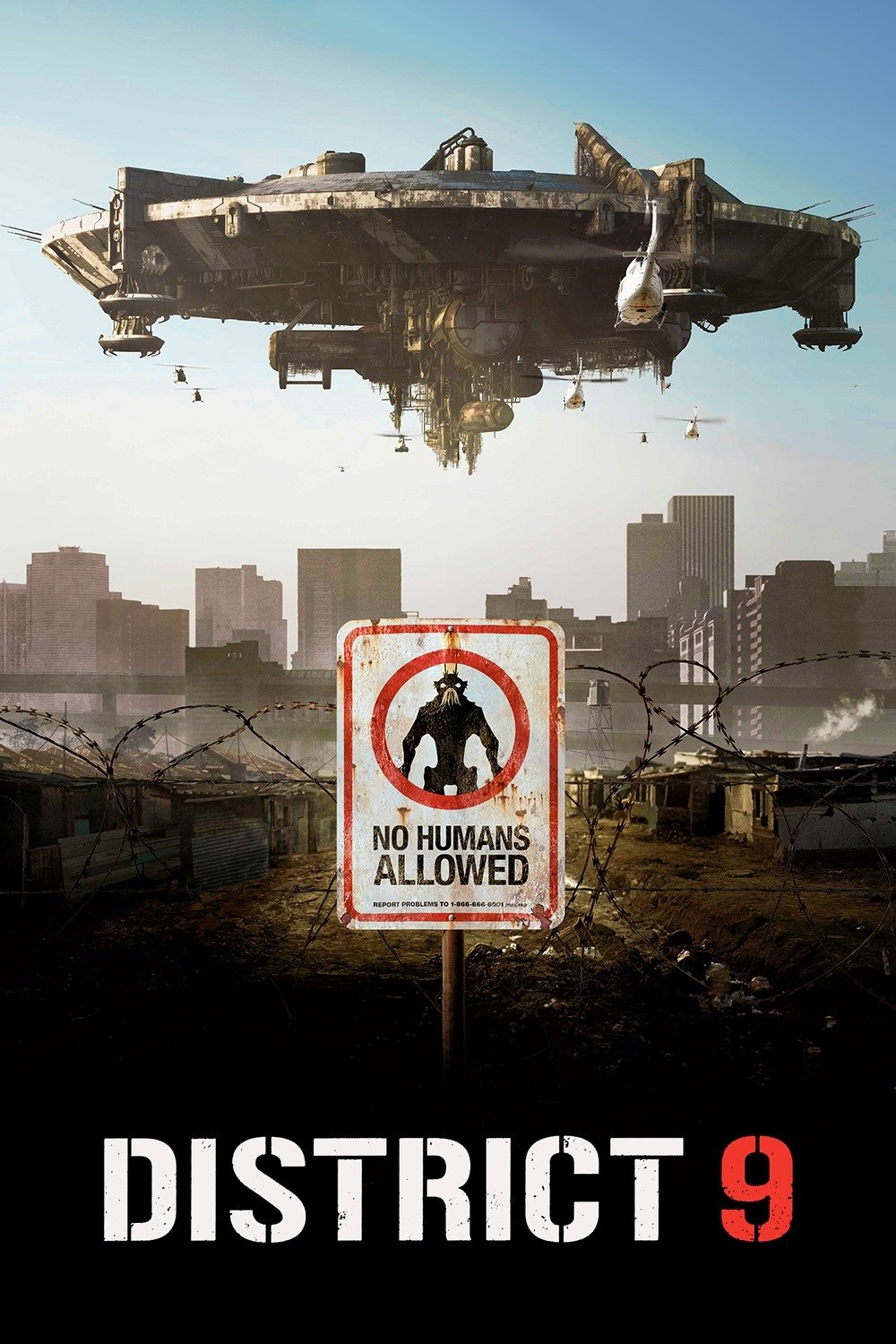
The Historical Era of the Film
Whenever I think about the making of District 9 (2009), the world that surrounded it feels as vivid to me as any cinematic moment from the film itself. Living through the late 2000s, I remember encountering a planet still reckoning with the aftershocks of globalization, digital transformation, and sweeping political upheavals. The South African backdrop meant something layered—a country not that far removed from the formal end of apartheid in 1994, still grappling with its legacy. On a global scale, the production era was tinged by a sense of uncertainty: the 2008 financial crisis had just undercut prevailing optimism, shaking faith in institutions and exposing sharp inequalities. In the United States, the election of Barack Obama gave a feeling of change and hope, yet anxieties about race and integration simmered beneath the surface.
I saw this period as a crossroads, where old wounds met the promising, ambiguous new millennium. South Africa’s political climate was particularly charged; reconciliation programs and the formation of the Truth and Reconciliation Commission weighed heavy on the national psyche. But even as laws and official policies shifted, social reality often lagged, and violence and mistrust between communities didn’t simply vanish overnight. The economic landscape in Johannesburg, the setting for the film, was marked by intense urbanization, widespread unemployment, and an embattled housing sector—problems that existed in tandem with legacies of forced removals and townships.
Urban sprawl, class division, and postcolonial identity all coalesced in the city. Elsewhere in the world, the rise of social media created new forms of activism but also quickened the spread of stereotypes and misinformation. Film, too, was at an inflection point: independent productions and digital effects were democratizing what stories could be told, and how. As I reflect, I realize how these historical currents conspired in the late 2000s, giving projects like District 9 a rawness and immediacy that felt utterly of their moment.
Social and Cultural Climate
I remember the conversations I had in 2009 about segregation, migration, and national identity—they felt unusually urgent, not just in South Africa but worldwide. When District 9 hit theaters, it echoed ongoing debates about xenophobia in South Africa, a country then facing a rash of attacks against immigrants from other African nations. For me, those headlines about mobs attacking “foreigners” in Johannesburg and Cape Town were impossible to separate from the film’s premise: the struggle between local populations and an alien underclass, both literally and metaphorically. South Africa at the time was restless—a society trying to root itself in new values but haunted daily by its apartheid past.
The cultural climate also reflected a broader mistrust of government and corporate interests. The late 2000s were marked by economic unease following the 2008 crash, and faith in authorities—whether political or financial—was at a low. Surveillance, militarization of public spaces, and privatization of services were hotly debated issues, both in South Africa and globally. I felt those tensions as I watched the film: Multinational United (MNU) seemed like a conscious stand-in for the real-life companies and government contractors whose motives I’d begun to doubt.
In popular culture, dystopian stories were gaining traction, speaking to anxieties about dehumanization and loss of agency. Meanwhile, South African filmmaking was enjoying a renaissance, powered by new digital technologies and an eagerness to tell stories that directly addressed national wounds. The global mood was skeptical and introspective, but there were also flashes of hope—a belief that confronting uncomfortable truths could be productive.
- The country’s recent history of apartheid and forced segregation
- Ongoing xenophobic violence toward African migrants
- Public mistrust in governmental and private institutions
- Rapid urban expansion and lingering economic inequality
Thinking back, I can’t separate the atmosphere of vigilance and anxiety of the era from the pulse that runs through District 9. The film’s social climate—its willingness to air wounds and provoke discomfort—was both a reflection of and a contributor to the conversations I saw unfolding around me.
How the Era Influenced the Film
Looking at District 9 now, I still marvel at how deeply its story is embedded in its historical moment. My perception is that the film was born of South Africa’s complicated post-apartheid transition—its hybrid of progress and pain. When I see the shantytown where the “prawns” live, I immediately think of District Six and other forcibly-cleared neighborhoods, the scars of which were still raw in collective memory. The film doesn’t just reference these events; it seems to pulsate with their unresolved energy.
I see a direct line between Johannesburg’s post-apartheid social fabric and the narrative choices Neill Blomkamp made. In interviews I read at the time, Blomkamp spoke frankly about his experiences as a white South African and his desire to create something that captured the otherness that apartheid had enforced. The alien “prawns” take on a double resonance—both as immigrants and as internal “others,” echoing both anti-immigrant violence and residual racism. The bureaucracy and militarism of MNU felt, to me, like a dark satire of both the apartheid state apparatus and the contemporary state-corporate nexus common in neoliberal economies.
The production choices strike me as equally bound to the era. District 9’s mixing of documentary footage, handheld camera work, and fictional news clips was very much in vogue then, lending the film an immediacy that felt both current and uncomfortably real. The use of South African accents, Johannesburg locations, and local actors (alongside strong improvisational performances) set it distinctly apart from Hollywood’s usual treatment of such subjects. It’s clear to me that the 2000s’ global conversations about representation and authenticity inflected every aspect of the production, from casting to the rawness of the visuals.
Finally, I’ve always believed the film’s pitch-black humor and cynicism reflect a historical exhaustion with grand narratives of reconciliation. There’s a skepticism towards easy answers—a weariness that speaks to feeling let down by politics, economics, and authority. The line between victim and perpetrator blurs as much in the film as it did in society at the time. The social and political climate of its making isn’t just a backdrop; it’s the scaffolding on which the whole film rests.
Audience and Critical Response at the Time
Recalling the weeks after District 9 was released, I remember how electric the reactions felt. Audiences around the world found themselves both thrilled by the film’s action and taken aback by its raw political allegory. Many South African viewers, like myself, experienced a strange mix of pride and discomfort: it was the first time in years that a major international release had captured the country’s simmering anxieties with such vivid, unvarnished directness.
I noticed that critics lauded the film’s innovation. They pointed out its deft use of documentary realism—something that, at the time, stood out powerfully among more escapist science fiction fare. Roger Ebert and various British critics commented on the way District 9 foregrounded issues of race and exclusion, drawing explicit comparisons to South Africa’s history. For many, this was a film that didn’t just entertain, but demanded engagement with recent, difficult history—a rare feat for a genre offering.
Internationally, audiences often responded to District 9 as a parable about human rights and exclusion. I read reviews that situate the film alongside other dystopian tales of the 2000s, linking it to anxieties about refugees, state power, and militarization. In my view, that’s what made its impact so broad: it spoke to South African trauma but also to prevailing global fears about identity, migration, and who truly belongs.
Yet I also remember pushback—some found the film’s representations troubling, particularly its depiction of Nigerians, which many criticized as perpetuating stereotypes. The vividness of its allegory, for some, cut a little too close to the bone. On balance, though, the reception was overwhelmingly strong. Film festivals buzzed with talk about its audacity and relevance. In that moment, District 9 felt like both a mirror and a provocation—an artifact as urgent as the times that produced it.
Why Historical Context Matters Today
Reflecting on District 9 now, years after its debut, I realize just how much richer the film becomes with an understanding of the historical context that shaped it. Watching it without awareness of South Africa’s fraught history risks flattening the movie into just another alien invasion story. But once I frame it within the aftermath of apartheid, the waves of xenophobic violence, and a global climate of mistrust and economic hardship, every beat of the story takes on new meaning.
For me, recognizing the film’s roots in real social trauma transforms its speculative premise into something deeply human. It’s not just about “aliens”—it’s about what it feels like to be made into an alien in one’s own city. When I think about the skepticism towards authority that permeated the late 2000s, I see why the film treats institutions with such suspicion and why solutions are never straightforward. Reading the film against this background clarifies its cynicism, its humor, and its piercing honesty.
The lessons and questions raised by District 9 remain painfully relevant. Prejudices, forced displacement, and inequalities persist across the world, making the film’s critique of othering and segregation just as critical today as when it was first released. My ongoing academic work reminds me that historical context isn’t merely about dating a film—it’s about understanding the emotional, cultural, and ethical soil from which artworks spring. When I revisit District 9, mindful of the world that made it, I find myself more attuned to its provocations and more open to the empathy it demands.
After understanding the factual background, you may want to see how this story was received as a film.
🎬 Check out today's best-selling movies on Amazon!
View Deals on Amazon