
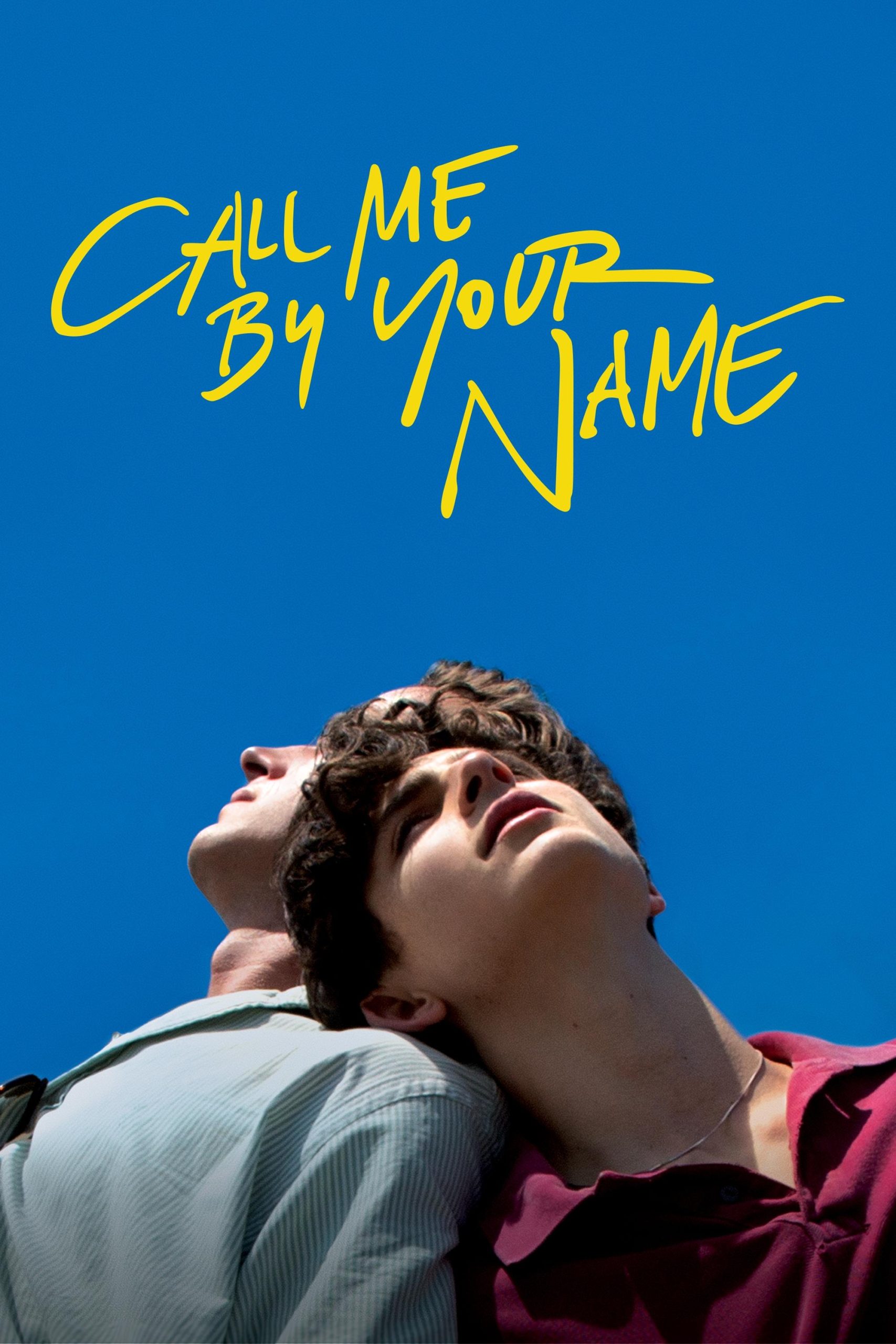
The Historical Era of the Film
I remember my first experience with “Call Me by Your Name (2017)” feeling like I was visiting a time and place just out of reach, both familiar and elusive. The backdrop of this film’s production fascinated me because it wasn’t just about 1983 Italy—the era in which the story is set—but also about the world in the mid-2010s when the film was made. In the late 2010s, as I closely tracked trends in cinema, I saw how shifting political, economic, and social conditions were deeply influencing filmmakers’ choices. The wider political climate around 2016 and 2017 was intensely polarized, with a strong surge of global populism—not just in the United States and the United Kingdom, where issues like Brexit and the 2016 American presidential election took center stage, but also across Europe. This polarization prompted a yearning for stories of openness, introspection, and tolerance, and I could sense that in the way “Call Me by Your Name” was crafted and received.
Economically, the mid-2010s were marked by a tentative recovery from the late-2000s financial crisis. Resources for art-house or independent cinema were still limited compared to decades prior, but streaming platforms gave stories like this more room to breathe. I think it’s no coincidence that the Italian locations, elegant yet understated, served as a canvas for a kind of European nostalgia that resonated with audiences hungry for grounded, human stories rather than escapism. These choices echoed ongoing social debates around globalization, migration, and national identity, especially in Italy, which was both proud of its history and caught between tradition and European modernization in the 2010s.
On a fundamental level, the late 2010s social climate was underpinned by rapidly changing dialogues around gender and sexuality. The gradual legalization of same-sex marriage in many Western countries, alongside growing visibility for LGBTQ+ communities, was a transformative force. Yet, I knew well from my research that this progress was counterbalanced by reactionary movements as well as deeply entrenched prejudices—situating the film in a moment fraught with cultural friction. “Call Me by Your Name” entered this landscape almost as a meditative antidote, refusing sensationalism and treating its subject with a quiet authenticity that I found deeply connected to its production era.
- Heightened global political polarization
- Ongoing economic recovery post-2008
- Shifting attitudes toward gender and sexuality
- Rising influence of streaming platforms
Social and Cultural Climate
From my perspective, the social and cultural climate in the mid-2010s was a time of rapid, sometimes turbulent change for LGBTQ+ representation, and this deeply affected how I viewed films made during that period. “Call Me by Your Name” emerged at a moment when cultural conversations about sexuality had evolved substantially, yet could not be described as fully settled or universally accepted. The 2010s witnessed extraordinary milestones for LGBTQ+ rights—the Obergefell v. Hodges decision legalizing same-sex marriage in the United States in 2015, for instance, came to symbolize this progressive turn. In major European nations and across North America, I observed a new openness not only to stories featuring same-sex love but to representations that treated these relationships with nuance and complexity.
Despite these visible gains, I could sense an undercurrent of tension in the wider cultural discourse. The rapid endorsement of LGBTQ+ rights also sparked public debates about “pinkwashing,” or the commodification of queer identities by mainstream culture. On the other side, conservative backlash persisted in many countries—including those where viewers were discovering “Call Me by Your Name” for the first time.
In the Italian context, the social attitudes of the 2010s made the film’s setting even more layered for me. Italy, with its Catholic traditions and slow legislative pace regarding civil unions (which were only legalized in 2016), represented a fascinating microcosm. When I consider the Italian summer of 1983 depicted in the film, it feels at once distant and eerily relevant, highlighting how cultural change is never evenly distributed. I often find that Italian cinema, with its strong heritage of family-centered and sometimes transgressive storytelling, provides fertile ground for stories of self-discovery and emotional intensity, and this carried over into the world that “Call Me by Your Name” evokes.
The other cultural trend shaping this film’s moment was, in my view, the resurgence of art-house cinema. Online audiences—myself among them—were finding renewed appreciation for slow-paced, visually lush movies with a decidedly European sensibility. I saw in this film an echo of “slow cinema,” an artistic movement dedicated to extended takes, subtle performances, and the unhurried passage of time. These choices, for me, signaled a reimagining of what *romantic* or *coming-of-age* films could look like in a world learning, very slowly, to embrace difference.
How the Era Influenced the Film
Whenever I analyze how historical context filters into storytelling or character design, I treat the 2010s as especially instructive. The decade reflected an increasing openness to marginalized voices, and I believe this directly shaped “Call Me by Your Name”—both in terms of its subject matter and the way its creators approached adaptation. When I look at the film’s choices, I see the influence of the 21st-century movement toward authenticity and sensitivity in depicting *queer* lives. The roles of Elio and Oliver, for example, are written and played with an awareness of *historical repression* that resonates with modern struggles for LGBTQ+ recognition, even though their story takes place in the early 1980s.
The slow, almost languid narrative pacing—something I cherished on repeated watches—felt like a response to more commercialized, formula-driven genres. The production era shaped this, I think, by favoring intimacy over spectacle. Technological advancements in digital cinematography enabled directors like Luca Guadagnino to capture the shimmering Italian sunlight and the textures of rural life with extraordinary sensitivity. But to me, the real innovation was the willingness to foreground quiet, private moments instead of external conflict—mirroring a wider trend in the art-house and independent cinema of the time.
From my research into the adaptation, I know that the filmmakers were acutely aware of both temporal settings at play—the Italy of 1983 and the world of 2017. As a result, the script and performances echo a self-consciousness about representing both the dangers and the joys of same-sex love, set against the period’s limited *social freedoms*. Details like coded language, stolen moments, and intergenerational relationships owe their poignancy to the understanding that public acceptance was not yet assured, not in 1983 and arguably still tenuous in the 2010s. The film’s delicate negotiation of desire and secrecy spoke to ongoing debates about LGBTQ+ visibility in mainstream media, pushing boundaries through understatement rather than confrontation.
Additionally, I noticed conscious choices in casting and marketing that reflected the desire to reach an international audience at a time when global cinema was thriving on streaming services. This film exemplified how the independent film scene in the 2010s, with its precise attention to location and identity, could subtly respond to both nostalgia and contemporary urgency.
Audience and Critical Response at the Time
I vividly recall the initial reactions to “Call Me by Your Name” when it premiered at the Sundance Film Festival and later reached a worldwide audience. The film seemed to arrive at exactly the right moment for many viewers. Critics quickly recognized it as not just another coming-of-age film, but as a cinematic event that captured and reinterpreted a period of both innocence and uncertainty. I observed a trend in reviews, both professional and amateur, that praised the film’s gentle realism and emotional candor—qualities that felt especially rare to many of us amid the political chaos of 2017.
From my vantage point, some of the most insightful reactions noted how the film’s world felt both safely nostalgic and quietly radical. Audiences in Europe and North America responded with enthusiasm and, in some cases, longing for a past that appeared more idyllic than their own present. Yet, as someone steeped in LGBTQ+ film history, I noticed a secondary current of critique. Some viewers expressed discomfort or raised important questions about the age difference between the two main characters—a debate that struck me as contemporary in tone, reflecting shifts in how power dynamics are discussed in public forums during the late 2010s.
I also encountered concerns within LGBTQ+ circles about the casting of straight actors in queer roles—a recurring topic during this era—which informed broader discussions about representation and authenticity in film. Still, the predominantly positive critical and audience response contributed to a wave of accolades, with the film winning the Academy Award for Best Adapted Screenplay. That recognition, as I see it, emerged in part from the growing critical consensus that queer stories deserved both visibility and fair, nuanced treatment on mainstream platforms.
This period saw a hunger for cinematic experiences fostering empathy and connection—a reaction, perhaps, to the divisive rhetoric circulating in global politics. For viewers who saw their own experiences reflected in Elio and Oliver’s romance, the film was a revelation: validating, beautiful, and, at times, deeply healing.
Why Historical Context Matters Today
For me, understanding the historical context surrounding “Call Me by Your Name” transforms the act of watching into something much richer and more layered. The film’s quiet, sun-dappled surface conceals a profound engagement with the social and political shifts of both 1983 and the 2010s—a duality that elevates its impact. I believe appreciating these contexts helps viewers see how the narrative’s gentleness is, in its own way, a radical gesture; the decision to place tenderness at the center of a queer love story responds not only to the climate of repression in the past but to the yearnings of a present fraught with uncertainty.
As I reflect on the film’s relevance now, I’m struck by how its historical roots let it function as both a memorial and an intervention. The depiction of sexuality in a setting marked by subtlety and discretion speaks to the realities faced by earlier generations, reminding younger audiences of the fragility and resilience of queer love in less permissive times. At the same time, the film’s production during a decade of cultural and political confrontation serves as a statement of hope—a quiet insistence on the durability of intimacy and understanding, despite the backlash and resistance still present around the world.
Grasping these layers, I find, is essential for any meaningful engagement with the film. It’s about tracing the connections between personal stories and collective experience, between political openings and artistic ambition. “Call Me by Your Name” is much more than a story of summer romance; it is, for me, a meditation on both the progress made and the gaps that remain in our ongoing struggle for dignity, recognition, and love. The resonance of this film in today’s world lies in its capacity to distill the aspirations and anxieties of two different historical moments—a feat achieved precisely because it remained so alert to the worlds from which it sprang.
After understanding the factual background, you may want to see how this story was received as a film.
🎬 Check out today's best-selling movies on Amazon!
View Deals on Amazon