
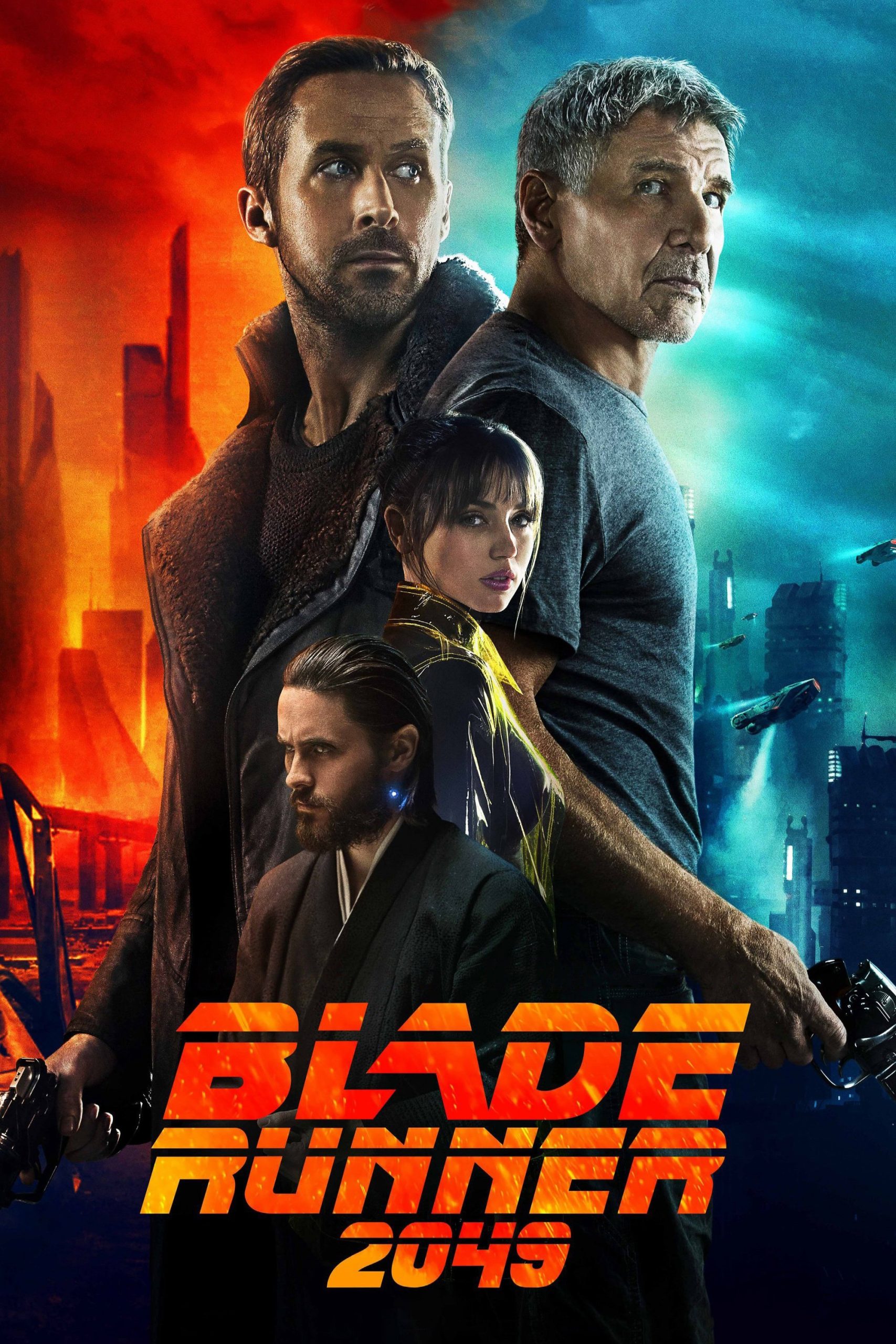
The Historical Era of the Film
When I first watched Blade Runner 2049 (2017), I couldn’t help but feel caught between two eras. The film emerged at a time marked by extraordinary political turbulence and economic uncertainty across the world. In 2017, global societies were grappling with the lingering effects of the late 2000s economic collapse, an event that still haunted the working and middle classes. For me, the sense of precarity and mounting inequality was palpable—images of foreclosed homes and cities touched by poverty appeared in both the news and popular culture. The echoes of the Great Recession stayed with people, fueling skepticism toward capitalist systems and fear of technological obsolescence.
On the political front, I remember the period as one of polarization and shifting ideologies. In the United States and Europe, the aftermath of the 2016 presidential election and the Brexit referendum triggered public debates about nationalism, globalism, and democracy. Deep anxieties about resources, borders, and identity found their voice in everything from the resurgence of populist politics to the heated conversations about immigration policy. My sense was that these tensions permeated nearly every corner of life and influenced how artists and filmmakers conceived their work.
The era was also defined by rapid advances in technology—most notably, artificial intelligence, automation, and surveillance were no longer speculative but very real parts of people’s daily experiences. I found myself surrounded by stories warning of privacy erosion, job displacement, and the implications of machine learning. Companies like Google and Tesla were at the forefront, and tech entrepreneurs spoke openly about the risks and promises of AI. This intersecting anxiety and awe toward technological progress is something I feel especially present in the broader context of 2017’s filmmaking landscape.
In short, when I place Blade Runner 2049 in its time, I see it as emerging from a storm of uncertainty—a world questioning its values, its future, and its very humanity. All these background realities found their way into the production era, and for me, they inevitably shaped the film’s narrative and aesthetic choices.
Social and Cultural Climate
Reflecting on the dominant social attitudes and the cultural trends of 2017, I’m constantly reminded of how conversations about identity and existence were at the forefront of public consciousness. Issues around race, gender, and sexuality were hotly debated in mainstream media. The cultural climate, as I experienced it, was one of both division and awakening. The #MeToo movement gained tremendous momentum during this period, sparking global discussions on the limits of power and the demand for equality and respect across lines of gender and orientation. I witnessed a recalibration in how society viewed authority—the shadow of exploitation and the desire for structural change colored every major news story.
In the world of entertainment, audiences demanded not just representation but also accountability. Hollywood was reckoning with its legacy, both in terms of the roles it offered and the stories it chose to elevate. This created a noticeable shift: films were expected to be self-aware and to interrogate the conditions that produced them. I felt audiences and critics alike were searching for works that resonated with their sense of urgency about the world’s problems.
At the same time, the relentless pace of technology shaped culture in ways I found both exciting and alienating. My friends and I watched as social media began to dominate our routines, influencing everything from politics to mental health. That sense of constant surveillance, of always being watched and measured, was and is an unmistakable part of the contemporary condition—a kind of unease that crept into the arts as well.
A few key historical factors stood out to me as particularly relevant for understanding the film’s context:
- Heightened anxiety about artificial intelligence and automation
- Intense political polarization in the US and Europe
- Ongoing debates about gender, race, and social justice
- Risks of climate change and urban overpopulation becoming cultural touchstones
Issues like climate crisis and ecological disaster also figured heavily into public conversation by 2017. The notion of impending catastrophe—be it environmental, technological, or social—seemed to hover above much of the art and literature I engaged with. In this charged context, I recognized that movies like Blade Runner 2049 had to speak not just to fans of science fiction but to anyone living under the shadow of these global transformations.
How the Era Influenced the Film
Every time I watch Blade Runner 2049, I’m struck by how deeply it reflects the historical moment from which it sprang. The film’s preoccupation with what it means to be human, for example, feels inseparable from an era preoccupied by the rise of artificial intelligence and the automation of labor. I found myself empathizing with the characters’ existential uncertainty because I, too, lived in a time when machines were taking on ever-more central roles in the workplace and the home. The boundaries between the organic and the artificial had grown increasingly blurred for all of us.
What lingered for me was the film’s aesthetic and narrative engagement with environmental catastrophe—a motif that echoes real-world anxieties about climate change and resource scarcity. In 2017, images of flooded cities, smog-choked skylines, and mass extinctions were not simply speculative; they reflected daily headlines and lived anxieties. The film’s world of perpetual rain and industrial decay appeared to me as both an homage to its predecessor and a vivid echo of contemporary fears.
The social climate, marked by debates on identity and power, shaped my reading of the film’s treatment of class and personhood. The plight of the “replicants”—their struggle for autonomy and recognition—feels especially poignant against the backdrop of ongoing movements for civil rights and equality. For me, the film’s focus on memory, lineage, and the right of self-definition has everything to do with the real-world campaigns fought by marginalized groups seeking to tell their own stories.
Even production choices speak volumes to me about 2017’s particular anxieties. Blade Runner 2049’s visual language, with its stark urban vistas and looming advertisements, resonates with a period of neoliberal spectacle and consumer fatigue. Filmmakers faced the increasing corporatization of Hollywood, making big-budget films under the watchful gaze of multinational studios. The questioning of authenticity—both in humans and in the products they consume—was mirrored in the actual process of making sequels and reboots in an era where originality was both highly prized and difficult to claim.
Ultimately, I see the film as a direct conversation with the precarity and social transformation that defined its era. Its characters’ disconnection and longing for meaning felt like direct responses to the complex and sometimes alienating world that I recognized all around me.
Audience and Critical Response at the Time
The reaction to Blade Runner 2049 in 2017 struck me as divided but passionate. On one hand, critics often praised the film for its artistic ambition and visual mastery. I remember reading glowing reviews that celebrated its cinematography, score, and direction by Denis Villeneuve—auteur filmmakers finally felt mainstream again, something I found rare in a blockbuster-obsessed era. Many saw the film as a worthy successor to the original, appreciating its somber meditation on the human condition against the backbeat of technological transformation.
Yet, the general audience’s response was more complicated in my eyes. The film’s slow pace, existential themes, and philosophical tone didn’t always mesh well with viewers seeking action-driven escapism. Box office numbers were modest compared to other genre films of its release year, suggesting to me that mainstream audiences were perhaps less ready to engage with its dense, contemplative approach. That disconnect between critical acclaim and broader public reception became, for me, a fascinating reflection of the film’s place within 2017’s social landscape—people were anxious for meaning but sometimes unwilling to spend the time required to dig into it.
The film’s representation of gender and identity also generated debate. Some saw its female characters as underdeveloped, while others identified with their struggle for agency within a patriarchal and commercialized world. I remember how online communities and think pieces dissected these questions intensely, often linking them to the broader discussions sparked by the #MeToo movement and growing demands for diversity in film.
What stands out in my memory is how the film generated intense discussion rather than universal agreement. It forced viewers to confront uncomfortable questions about the future, technology, and personhood—echoing anxieties that defined the time.
Why Historical Context Matters Today
When I revisit Blade Runner 2049 today, understanding its historical context sharpens my appreciation for its choices and challenges. Seeing the film through the lens of 2017’s anxieties—about automation, ecological disaster, social justice, and authenticity—makes its world feel achingly familiar, not just a dystopian fantasy but a mirror reflecting struggles both ongoing and unresolved. I believe that tracing these influences reveals why the film resonates (or provokes discomfort) in different moments and for different viewers.
For me, historical context transforms the film from mere fiction into a kind of cultural document—one that captures how a particular generation processed the end of certainty and the search for identity in the face of overwhelming change. The questions it asks about autonomy, memory, and corporate power are not just abstract metaphysics but responses to the real material pressures people faced in the late 2010s. Examining these forces, I grasp why certain creative decisions were made and how audiences received them, often with ambivalence or restless curiosity.
I also feel that understanding this context allows me to be more critical of the film’s limitations and omissions. Why, for example, did some characters and storylines receive less narrative attention? What perspectives or experiences were prioritized? By situating the film within its production era, I become more attuned to the social dynamics and industry structures that shaped its contours.
Perhaps most importantly, I find that learning the historical setting in which Blade Runner 2049 was created helps ground my emotional experience of the film. It becomes less an isolated text and more a participant in an unfolding conversation—one that remains pressing in the present. The friction between technological progress and human feeling, the quest for meaning amidst precarity, stays relevant because the challenges and questions of 2017 persist today. As a film historian and viewer, that continuity links my own hopes and fears to those embodied on screen, deepening my sense of connection each time I watch.
After understanding the factual background, you may want to see how this story was received as a film.
🎬 Check out today's best-selling movies on Amazon!
View Deals on Amazon