
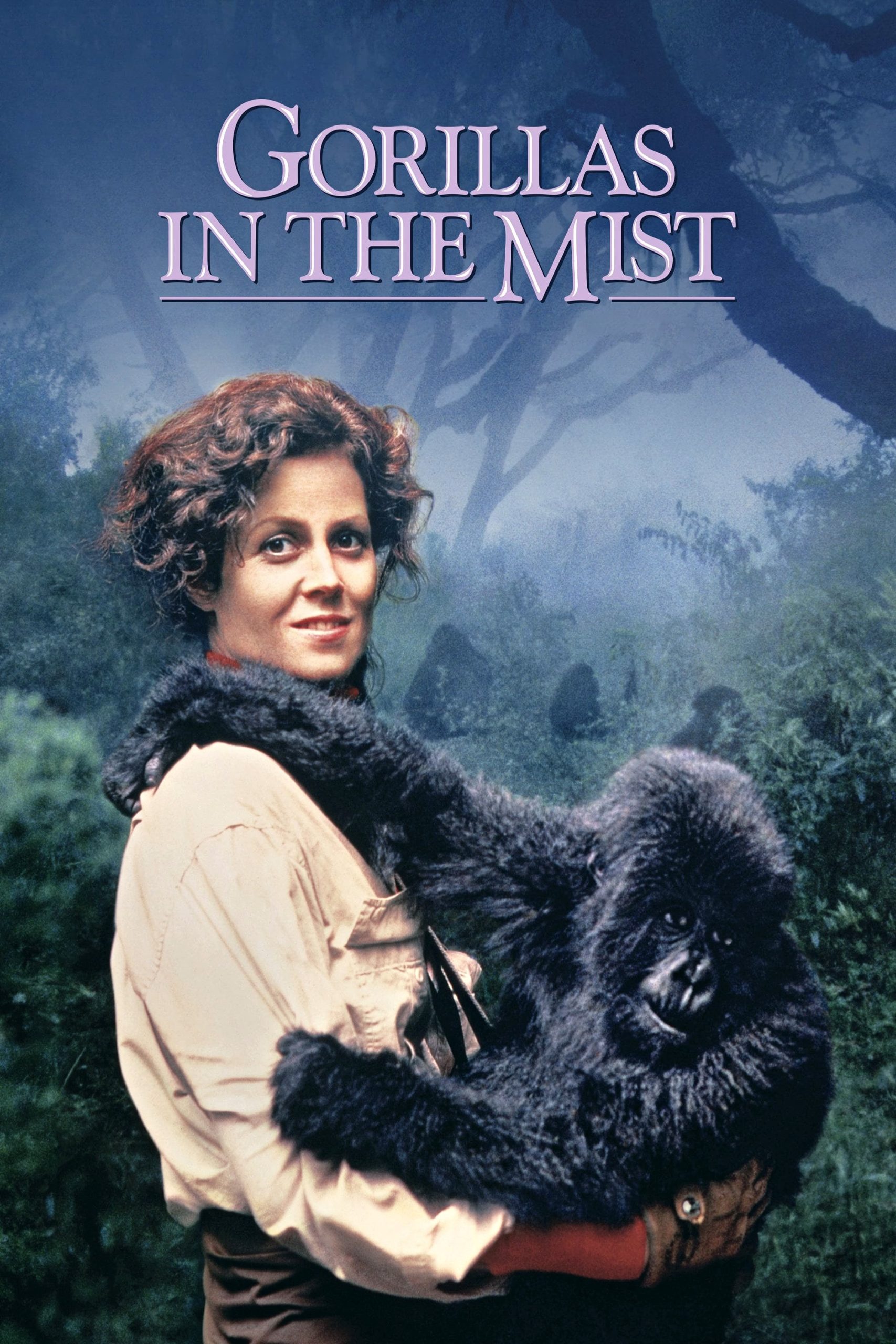
The Historical Era of the Film
Whenever I watch Gorillas in the Mist (1988), I’m always reminded of the complex blend of politics, economics, and global consciousness that defined the late 1980s. For me, the period when the film was made—midway through the last decade of the Cold War—felt tense and transformative. There was this palpable sense of urgency about the environment creeping into public discourse. The superpower rivalry between the United States and the Soviet Union was slowly giving way to an era where transnational issues, such as environmental degradation and wildlife conservation, began to move into the spotlight. That change is something I feel is woven into the fabric of the film’s narrative.
The economic situation of the late 1980s was marked by both prosperity and anxiety, with Western nations experiencing the benefits of global economic expansion, even as the cost of that expansion was being questioned. Watching the film, I can’t help but see echoes of public concern about the impact of rapid economic development on fragile ecosystems, particularly in less industrialized nations where natural resources were both a means of survival and a target for exploitation. The reality in many African nations, including Rwanda where Dian Fossey worked, was a complex struggle with poverty, political instability, and the legacies of colonialism—factors that deeply affected the region’s ability to manage and protect its wildlife.
Socially, the late ’80s to me seems like a vortex of shifting consciousness. Movements for social justice, animal rights, and environmental stewardship were gaining traction, often clashing with entrenched interests. The assassination of advocates like Fossey was not isolated, but part of a dangerous trend during this era where activism frequently met violent pushback. As I consider the movie within this landscape, I see it as more than a biopic—it’s a historical marker highlighting a moment before the modern conservation movement became widely mainstream, and before international organizations would raise global alarms with greater urgency. The use of new international conventions, such as CITES (the Convention on International Trade in Endangered Species), began to address these very issues in ways that could cross borders and ideologies.
Summarizing some of the era’s most influential historical factors:
- The waning Cold War overshadowed international politics
- Environmentalism started becoming a global movement
- Decolonization left many African nations politically fragile
- International organizations began formal efforts to protect endangered species
Social and Cultural Climate
The dominant social attitudes that wash over the film, as I perceive them, are rooted in the burgeoning environmental consciousness that truly took hold during the late 1980s. Cultural trends in the Western world were pivoting—from a post-Vietnam, consumer-driven ethos, to one that began to earnestly question humanity’s relationship with nature. For me, this era marked a shift in public priorities, with documentaries, books, and ultimately mainstream cinema devoting serious space to conservation and the fate of endangered species. I also sense a growing interest in women’s rights and the presence of strong, unconventional female figures, brought on by the broader movement for gender equality across different sectors of society.
One of the things I find significant is the way the West viewed Africa at this time—simultaneously with fascination and with a kind of paternalistic concern. This was the same period when global audiences were glued to Bob Geldof’s Live Aid concerts, held to address famine in Ethiopia, which both galvanized global action and raised difficult questions about the agency and portrayal of African peoples. There was both sympathy and a problematic narrative of ‘saving’ Africa. I see these tensions mirrored in how Gorillas in the Mist addresses the relationship between Western conservationists (like Fossey) and the local Rwandan communities, who were themselves struggling with limited resources in a post-colonial landscape.
For me, one cannot overstate the significance of environmental activism during this time. Television specials featuring figures like Jane Goodall and Jacques Cousteau had found mass audiences, and films began to depict the plight of endangered species not as a niche concern, but as a global crisis. The animal rights movement, which grew with the founding of organizations like PETA and the expansion of Greenpeace, made calls for action part of everyday conversation. It was in this era that the IUCN (International Union for Conservation of Nature) was being more widely cited in the media, putting pressure on governments and corporations to rethink their policies. I believe this larger cultural shift made the story of Dian Fossey resonate with audiences far beyond the scientific community.
The late ’80s also carried the strong winds of feminism. When I watch the film, the presence of a female scientist insisting on autonomy in a male-dominated field seems emblematic of changes underway in society. Prevailing gender norms were being renegotiated, not just in academia but across all professions. Fossey’s portrayal gained additional weight for me because it represented a vision of female leadership and conviction that was gaining more visibility—though not without controversy or backlash—as the century drew to a close.
How the Era Influenced the Film
I always find it striking how the specific historical circumstances of the 1980s left their fingerprints all over Gorillas in the Mist. The story, as adapted for the screen, reflects not just Fossey’s personal journey, but the urgent anxieties and evolving consciousness of its production era. Environmental advocacy had acquired a new political relevance, and the public’s appetite for stories about wildlife conservation shaped how the film was produced and marketed. I think the decision to foreground the emotional bond between Fossey and the gorillas—while taking creative liberties with the reality of her complex personality—had as much to do with the film’s message as the commercial expectations of the time.
One thing that stands out for me is how the film’s depiction of Rwandan politics and poaching is filtered through a late-20th-century Western lens. In 1988, Rwanda was still years away from the catastrophic genocide of the 1990s, but anyone familiar with the region’s history could sense the undercurrents of tension, economic hardship, and postcolonial struggle. I read the film as indirectly alluding to these issues, especially in its portrayal of official corruption and the desperate bargains made by local communities. There’s a sense of global interconnectedness, as the demand for poached animal parts in international markets—and particularly among wealthy collectors in the developed world—drives violence far from the public eye.
The filmmaking itself, to me, feels like a product of both technical ambition and innovative wildlife cinematography that was gaining popularity. The era’s advanced camera equipment and willingness to shoot on location resulted in sequences that felt raw and immersive in a way a studio-bound production from a decade earlier could never convey. This was the age before computer-generated animals, so the reliance on real locations and a handful of trained gorillas foregrounded the material realities of the time: a marriage between Hollywood dramatization and documentary realism.
Studio support for the project, as I understand it, was possible in large part because of the momentum behind stories with an ecological conscience. Financial risk was still calculated, but producers recognized the potential for awards recognition and critical acclaim. I find it telling that the film landed in the same cultural moment as other works that made environmentalism central, such as The Living Sea or later, Dances with Wolves—which, although set in different times and places, share similar ideals about humanity’s impact on the natural world. The real-life timing of Dian Fossey’s murder and the subsequent release of her biography lent tragic urgency and a sense of responsibility that the filmmakers could not have ignored.
Audience and Critical Response at the Time
What always fascinates me is the way contemporary audiences and critics received Gorillas in the Mist, which was tied so intimately to its historical context. The late ’80s was a period when mainstream moviegoers were open to serious, even somber, dramas grounded in real events. I remember reviews of the time picking up on the film’s intense emotional impact, praising its ability to translate profound environmental concern into accessible storytelling. There was lots of attention on Sigourney Weaver’s performance, not just as an artistic achievement, but as a moment in the cultural spotlight for female scientists and activists who’d traditionally been sidelined in popular media.
The critical response reflected a respect for the film’s political relevance, even as reviewers debated its representation of global conservation struggles. Some critics, as I’ve noted in reading old reviews, applauded the cinematography and the visceral depiction of gorilla behavior, while others raised questions about the accuracy of Fossey’s portrayal and the narrative’s focus on Western intervention. These debates echo larger uncertainties of the era, as conservation and humanitarian involvement increasingly came under scrutiny for perpetuating a “white savior” narrative in African settings.
It’s intriguing to me how the film’s environmental themes seemed to connect with public anxieties about species extinction and deforestation, both in Africa and worldwide. I imagine that viewers found a sense of validation for their concern about the planet, but there was also discomfort—an acknowledgment that Western consumption habits, poaching, and tourism all played indirect roles in these crises. The very success of the movie spurred renewed interest in the fate of Rwanda’s mountain gorillas, with some audience members moved to support conservation organizations directly after screenings. I’ve even read reports that park tourism in Rwanda experienced a modest boost after the film’s release, though this, too, brought its own set of complicated issues.
At the same time, the film arrived in theaters during a transitional moment in cinema. Hollywood was shifting toward bigger and more spectacular blockbusters, and yet, here was a film grounded in gritty realism and tragedy. Its reception proved that there was still a powerful appetite for movies with conscience, ones that challenged viewers rather than simply entertained them. The mix of praise and thoughtful criticism underscored, for me, that Gorillas in the Mist tapped into something deeper than just the legacy of a single extraordinary woman; it reflected the world’s conflicted relationship with nature and itself.
Why Historical Context Matters Today
I’m convinced that understanding the historical context of Gorillas in the Mist makes the film resonate more powerfully with modern viewers, including myself. When I revisit the movie with the knowledge of its origins—a time of heightened environmental anxiety, political upheaval in Africa, and nascent global conservation efforts—it deepens my appreciation for its ambitions and its limitations. Today’s landscape of environmental films is much more crowded and nuanced, but looking back, I see how pioneering this work felt, both in its scope and in the risks it was willing to take by foregrounding difficult, unresolved issues.
There’s something uniquely illuminating about the era’s blend of hope and naiveté. The historical backdrop helps me understand why the film so insistently places a Western advocate at the center of an African struggle, and why it navigates the friction between activism and cultural sensitivity in the ways it does. It reminds me that social attitudes were still evolving, and that films like Gorillas in the Mist contributed to those changes even as they reflected them. The context helps me empathize not just with Fossey, but with the people and policies of the region, forced to balance survival and stewardship under extraordinary pressures.
Connecting the film to its production era also sheds new light on debates that are still ongoing—about the role of science in shaping public policy, about the limits of international intervention, and about the sometimes problematic legacies of conservation movements founded in Western perspectives. It reveals that many of the challenges we grapple with today—biodiversity loss, climate change, community-based conservation—have roots in the questions raised by the film and its real-life inspiration.
Most importantly, for me, this perspective keeps the film’s sense of urgency alive. It demonstrates the ways stories from the past echo into the present, urging me to reflect on how my own era will one day be understood in the long arc of environmental history. Understanding Gorillas in the Mist in its historical setting is not only useful; it’s indispensable, a key to unlocking more meaningful dialogue between past and present struggles for justice, survival, and respect for the natural world.
After understanding the factual background, you may want to see how this story was received as a film.
🎬 Check out today's best-selling movies on Amazon!
View Deals on Amazon