
The Historical Landscape
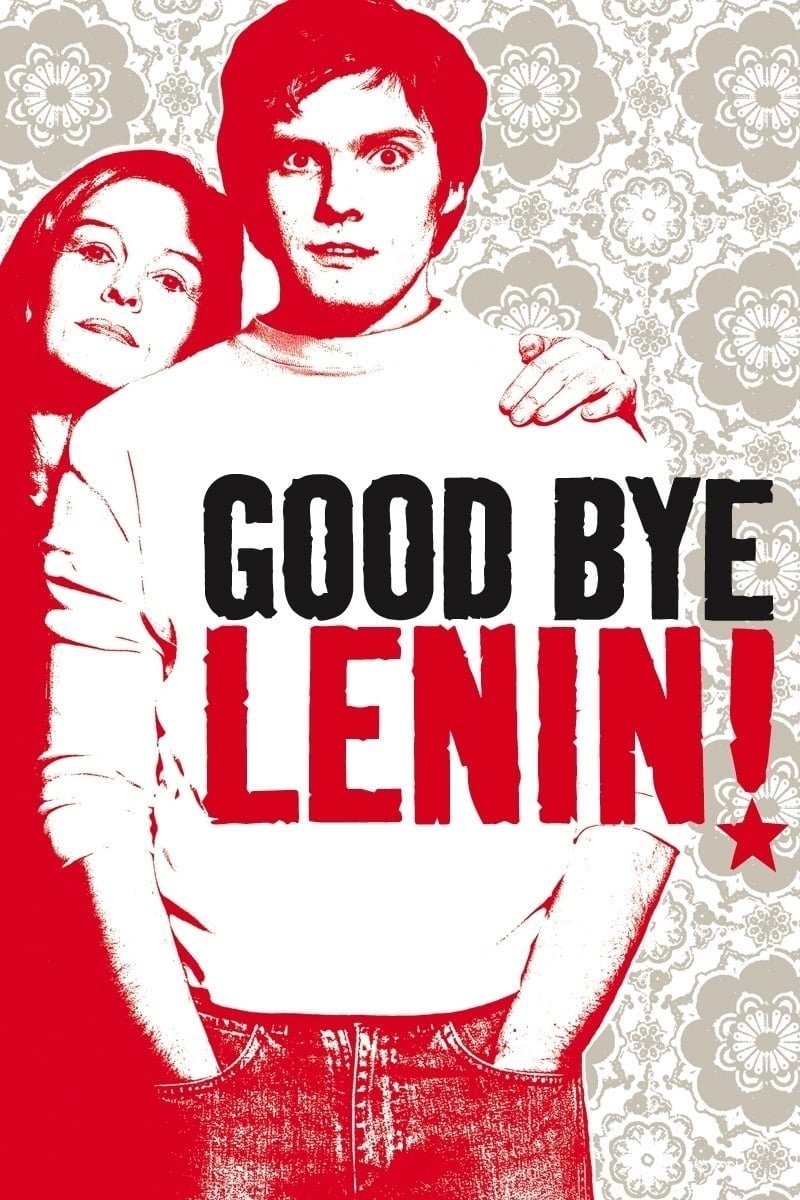
When I first watched “Good Bye, Lenin!” in the early 2000s, I remember feeling that I was eavesdropping on a quiet, unresolved conversation playing out in the hearts of millions of Europeans. Released in 2003, the film emerged from a world that was only just figuring out how to talk openly about the collapse of old certainties. The Berlin Wall had fallen nearly a decade and a half before, but the aftershocks reverberated into every corner of life, especially in Germany. That span between the fall of the Iron Curtain and the early new millennium felt, to me, like an era of nervous self-editing—a time when Eastern and Western identities were being rapidly edited, overwritten, and sometimes mourned. Digital optimism defined much of popular culture: Europe was expanding, borders seemed to dissolve, and a sense of global belonging was in the air. Yet, as I saw through the quietly subversive lens of Wolfgang Becker’s film, there remained an undercurrent of uncertainty—what exactly had been lost or gained in the dizzying speed of change?
It’s impossible for me to disentangle “Good Bye, Lenin!” from this context. The film is not merely a backward glance at socialism or reunification; rather, I see it as a product of an era grappling with its unfinished grief. In 2003, Germany was also six years into a single currency, the euro, which further highlighted the erasure of old markers of identity. That year, talk shows and newspaper editorials still buzzed with discussions about “Ostalgie”—a term invented to describe a bittersweet nostalgia for the East German past. Western observers sometimes saw this as a sentimental inability to move on, but I always thought it reflected the ambiguity of memory itself. To live through such a profound disruption, as so many did after 1989, meant you inherited a sense of unfinished business, flickering between pride, shame, liberation, and loss.
The air was thick with optimism and anxiety in equal measure. Globalization promised abundance but demanded rootlessness. In Berlin, I felt the daily absurdities of reunification: street directions that made no sense, supermarket shelves filled with unfamiliar products, public debates over new names for old squares. In this way, “Good Bye, Lenin!” is inseparable from its moment—when the dust of 20th-century conflict had finally settled, but the wounds remained tender and unhealed, even beneath public celebrations of progress.
Cultural and Political Undercurrents
I have always found that films like “Good Bye, Lenin!” tap directly into currents that swirl beneath the surface of society—tensions and yearnings not fully safe to express in everyday conversation. By 2003, Germany was engaged in a complicated process of redefining itself. The euphoria of reunification had long faded, replaced by pragmatic questions about economic integration and cultural identity. I noticed that, on both sides of the former Wall, people were wrestling with feelings of alienation. Easterners feared disappearing into a monoculture that seemed to favor Western norms and histories; Westerners confronted the uneasy knowledge that their triumph carried with it the seeds of misunderstanding and disappointment for many of their compatriots.
What strikes me about the film, and the era it reflects, is the way private memory and public history collide. “Ostalgie” functioned as more than a catchphrase; it was, for many—including me—a reminder that even failed systems can birth communities, traditions, and affections worthy of respect. In watching Becker’s film, I sense a plea for empathy—an invitation to honor how complicated it can be when one’s collective past is declared obsolete almost overnight.
German cinema of this time, I believe, became a staging ground for these disputes. Historical epics and zany comedies coexisted, but it was the personal stories—those that threaded the needle between heartbreak and humor—that best captured the strange intimacy of national healing. Films like “Good Bye, Lenin!” refused the easy binaries of good and bad, victor and vanquished. Instead, they mapped the uneasy terrain of families divided by ideology, neighbors adjusting to new rules, and young people who understood their own history only as a blurred shadow. I sensed an almost desperate need to remember, but also a desire to move on, as though mourning and hope could coexist without canceling each other out.
The political backdrop was just as significant. The 2000s saw Europe moving toward ever-greater integration, yet cultural anxieties about homogenization—a fear of losing the quirky distinctiveness of region or tradition—persisted. I often heard, both in public forums and private chats, a tone of elegy when discussing local foods, vanished shop signs, or forgotten TV shows. These were not trivial details; they were markers of identity. In this way, I see “Good Bye, Lenin!” as reflecting—and perhaps even feeding into—a wider debate about what deserves to be preserved in the memory bank of a nation reinventing itself.
The Film as a Reflection of Its Time
For me, “Good Bye, Lenin!” does something remarkable: it dramatizes the emotional whiplash of rapid historical transition with both tenderness and irony. Rather than simply recounting the collapse of the German Democratic Republic (GDR), the film immerses us in the private world of those who lived through its end. I have always been struck by how Becker foregrounds the domestic sphere rather than the battleground; the fall of walls becomes the disintegration of a son’s efforts to protect his mother’s innocence. In my eyes, this is not just a narrative device—it’s a metaphor for a nation unsure how to narrate its own trauma.
What resonates for me is how the film refuses the neat triumphant arc that so many post-Cold War narratives adopted. Instead, it lingers on confusion, improvisation, and the bittersweet longing for lost certainties. I see Alexander, the protagonist, as emblematic of an entire generation caught between worlds—tasked with the impossible: to preserve, within the confines of a single apartment, the illusion of an East Germany that no longer exists. This strikes me as profoundly true to the experience of transition. Reality and fantasy become entwined because grief and hope are neighbors, not opposites.
I find it deeply evocative that the film takes place not in the chaos of 1989, but in the slow, prosaic aftermath, where changes are measured in unfamiliar groceries and altered routines. This attention to daily life—brands, food, television jingles—reminds me how history is most often felt in these intimate textures, not in the grand pronouncements of politicians. By focusing on how Alexander and his family scramble to mend or disguise their new reality, I sense the filmmakers asking something that was on everybody’s mind in early-2000s Germany: Can progress erase the need to grieve? Are there rituals for letting go of a world that’s been declared unworthy of remembering?
The satire, for me, is gentle yet incisive. The mock news broadcasts, the elaborate deception, the loving recreation of East German life in miniature—all of this feels less like ridicule and more like a tender send-off. I interpret this as a gesture of reconciliation, both personal and national. Perhaps, the film suggests, we can allow ourselves to smile at what was lost, even as we admit it could not be sustained. Yet I also see a quiet anger at how official histories flatten complexity. The GDR in “Good Bye, Lenin!” is neither utopia nor totalitarian nightmare, but a place full of contradictions, shaped by love as much as ideology.
This ambivalence, I believe, is crucial. By refusing to offer clear heroes or villains, the film mirrors the complexities of reunified Germany, a place still debating how to reckon with its divided past. In doing so, “Good Bye, Lenin!” becomes less a historical artifact than a living conversation—a cinematic space where laughter and sorrow coexist.
Changing Perceptions Over Time
As years have passed since I first encountered “Good Bye, Lenin!”, I’ve found my own understanding of the film evolving alongside Germany’s continued reckoning with its recent history. In the first flush of its release, audiences (myself included) seemed hungry for stories that could bridge the gap between memory and history. The early 2000s was a time when many former East Germans were publishing memoirs, forming grassroots cultural clubs, and seeking ways to articulate their experiences. I remember lively debates at film festivals and in academic circles about whether the film indulged in nostalgia or offered a necessary corrective to Western triumphalism.
In subsequent years, as the immediacy of reunification has faded, I’ve watched as the film’s meanings have shifted. Younger viewers—those who have no living memory of the Wall—tend to see “Good Bye, Lenin!” less as a document of trauma and more as a gentle comedy. The emotional stakes of the story acquire new tones in each viewing context. For some, it becomes a parable about the difficulty of adapting to social change; for others, it’s a meditation on family and the little fictions we spin to protect (or withhold) the truth. Each generation projects different anxieties and hopes onto that modest Berlin apartment and the lives within it.
Academic criticism has gone through its own cycles. Early readings often positioned the film as a representative text of “Ostalgie,” but I always felt that such categorizations missed its ambivalence. Over time, I’ve noticed a shift towards reading the film through the lens of memory politics, personal agency, even postmodern playfulness. There is no definitive “lesson” here—only an invitation, renewed with each viewing, to ask how individuals and societies construct the stories they need to survive tumultuous change.
Even the film’s techniques—the playful use of archival footage and pop culture, the ironic voiceover, the balancing of sentiment and critique—now seem to me like early harbingers of an era obsessed with remixing and reconstructing history. In a world shaped by social media and nostalgia marketing, I see the film’s blend of documentary and fantasy as visionary, even prophetic. As nostalgia cycles become both more rapid and more commercialized, “Good Bye, Lenin!” stands as a reminder of how personal the shapes of our longing can be. Watching it today, I’m struck less by its evocation of a vanished East Germany than by its insight into how societies metabolize loss through stories—stories mutable enough to carry us through decades of transformation.
Historical Takeaway
Reflecting now, I am convinced that “Good Bye, Lenin!” distills something essential about the early 21st century—a moment both breathless with possibility and haunted by all that had not yet been fully grieved. The film teaches me that history is not a matter of monuments and textbooks alone, but of the ordinary gestures we use to care for each other in flux. It reminds me that even in periods of official optimism, there remain private pockets of sorrow, ambivalence, and love that defy neat summary.
To me, the most enduring lesson of Becker’s film is the necessity of compassion for the ambiguities of historical change. There is no script for letting go of a shared world, no correct sequence for assembling the fragments of identity after rupture. In this regard, “Good Bye, Lenin!” mirrors not just the anxieties of reunified Germany, but the broader predicament of anyone asked, too soon, to adapt to sweeping transformation. The spirit of the film—its affection for flawed memory, its gentle criticism, its reluctance to assign blame—offers a guide for grappling with our own times of accelerated change.
In watching, and re-watching, I have come to see the film as a testament to the unfinished business of history. It invites me to hold space for what was lost and what might yet be possible, to seek out stories that make room for complexity instead of closure. In an era defined by its tension between progress and nostalgia, “Good Bye, Lenin!” remains, for me, a mirror and a map—showing how the past is not merely a prologue, but an active element in the stories we continue to tell about ourselves.
To see how these real-world elements shaped the film’s impact, you may also explore its reception and legacy.
🎬 Check out today's best-selling movies on Amazon!
View Deals on Amazon