
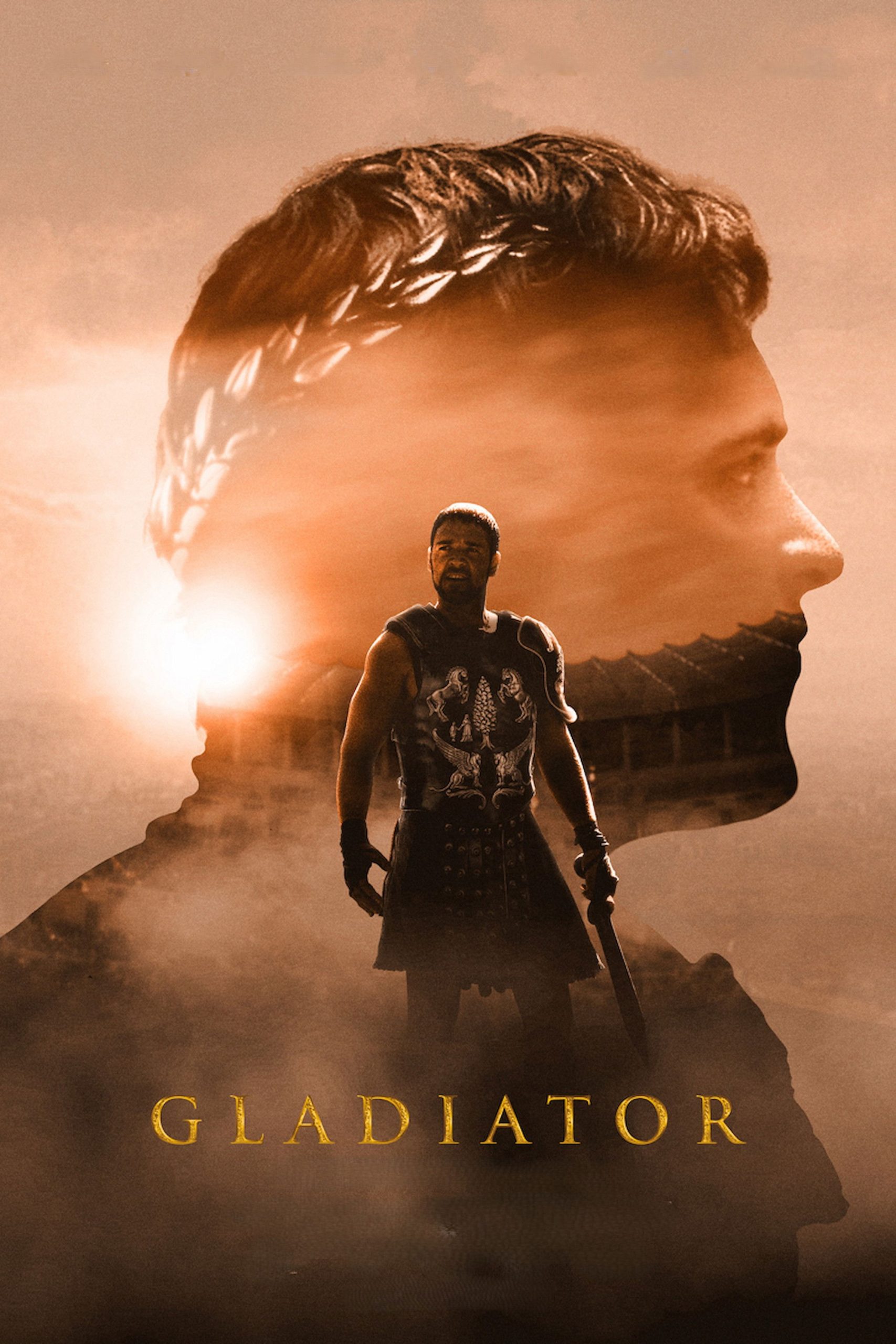
The Historical Era of the Film
When I first saw Gladiator (2000), I realized how deeply its vision of ancient Rome was shaped by the political and social questions of its own era of production. Set at the turn of the second millennium, the film arrived at a moment of enormous transition. As I interpret it, this was a world restless after the Cold War, unsure of its emerging global identity, and grappling with the particular anxieties and aspirations of the late 1990s. The decade’s end was marked by rapid globalization, the rise of digital technology, and the lingering uncertainty following decades of shifting political alliances. There was a charged energy in the air—one that informed much of what I saw realized in the film’s epic ambition.
Politically, the world in 1999 and 2000 was defined by new questions about the role of empire and the stability of major powers. The United States, which had dominated the post-Cold War era as the principal superpower, found itself reflecting on the fate of past empires—especially as it intervened in Kosovo and anticipated new challenges in the Middle East. The idea of imperial might—of rise and inevitable decline—was imprinted on the zeitgeist. Economically, there was an exuberance and uncertainty. The dot-com boom was cresting, bringing wealth but also anxieties about bubbles and crashes to come. It was a time that rewarded spectacle, risk, and grand gestures, not unlike the spectacles of ancient Rome depicted in Gladiator itself.
Socially, I remember a unique blend of optimism and unease. The approach of Y2K stirred both excitement and low-level dread about the future. Issues of leadership, charisma, and public trust dominated headlines worldwide, as politicians and institutions vied for public confidence. When I consider the film’s focus on shifting power and loyalty within the Roman Empire, I see a mirror for the broader questions gripping the world during its development.
Social and Cultural Climate
Thinking back to the social climate that shaped this film, I note that there was a widespread hunger for authenticity and meaning at the close of the 20th century. Audiences sought stories that resonated with their own questions about courage, duty, and the cost of power. In the United States and Western Europe, the culture of the 1990s had been saturated with irony and postmodernism, but as I experienced it, many people were yearning for stories rooted in strong moral frameworks and old-fashioned heroism. Gladiator met this need with its muscular narrative and moral certainty, positioning itself as a corrective to the perceived cynicism of earlier decades.
It’s impossible for me to forget the influence of blockbuster filmmaking trends in the 1990s as well. With the overwhelming success of films like Braveheart, Titanic, and Saving Private Ryan, producers and studios grew confident in the market for historical spectacle. Large budgets, star casts, and immersive set pieces were the norm. Yet, alongside this, there was also a revival of scholarly interest in the classical world, with university presses and museums focusing more than ever on ancient history and the Western canon. These forces encouraged Hollywood to revisit antiquity—not just as a setting for shallow entertainment, but as a rich ground for contemporary allegory.
Such cultural priorities were visible in my observation of shifting representations of masculinity and heroism. Gladiator arrived as part of a long conversation about what constituted real strength—physical, ethical, or political. In the wake of political scandals and changing attitudes about gender, I felt a kind of cultural anxiety about leadership and the nature of public virtue. The film channels this concern through its portrayal of the noble yet beleaguered general Maximus, his rigid sense of honor, and his battles within a corrupt imperial system.
- The rise of digital technology in filmmaking
- Revival of historical epics in popular culture
- Collective interest in stories of justice and resistance
- Broader societal debates about power and authority
These were years marked by contradictions—a longing for authenticity alongside a thirst for spectacle. For me, Gladiator captured the tension of a period both forward-looking and haunted by the legacies of empire and moral struggle.
How the Era Influenced the Film
It’s clear to me that Gladiator’s story, characters, and even visual style bear the imprint of the era in which it was made. The production climate of the late 1990s was defined by evolving technologies, particularly in computer-generated visual effects. Watching the film, I was struck by the seamless blending of CGI with traditional set design—something that would not have been possible just a few years before. The film’s iconic recreation of the Colosseum and sweeping battle scenes reflected both the technical ambitions and the budgetary confidence of studios in the aftermath of Titanic’s massive success. The result was a new standard for historical epic on film.
I see the influence of 1990s skepticism about authority in the way Gladiator portrays political systems. The narrative’s distrust of concentrated power, embodied in Commodus’ corrupt rule, seems tailored to an audience disillusioned by political scandals and wary of government overreach—concerns that gained prominence in countless conversations I remember from the era. At the same time, I noticed a fierce nostalgia for nobility and self-sacrifice perhaps best encapsulated in the figure of Maximus. For many viewers of my generation, this hero was a corrective to the anti-heroes that dominated cinema in earlier decades—a signal of shifting values as the new millennium dawned.
The international nature of the film’s cast and crew also reflects the realities of late-90s filmmaking. Ridley Scott, a British director, collaborated with actors and craftspeople from Australia, the United States, and Europe. This cosmopolitanism echoed the increasingly global character of the film industry—a world that emphasized shared values and cross-cultural narratives. The story’s themes of loyalty and betrayal transcended their ancient Roman setting to address questions of citizenship, globalization, and belonging that were very much in the air as the film was being developed.
Social and economic anxieties found a more subtle place within the film’s structure. I’ve always seen the gladiatorial contests—with their blend of spectacle and violence—as a metaphor not only for Roman society but for our own appetite for distraction and thrill at the end of the 20th century. The film reflects an era fascinated with both the dangers and the privileges of empire, whether ancient or modern. The enduring popularity of Roman history in pop culture meant that audiences approached Gladiator with both curiosity and some foreknowledge of the empire’s fate, deepening the impact of the film’s meditations on fate, glory, and loss.
Audience and Critical Response at the Time
I remember vividly the initial audience reception to Gladiator at the time of its release. The mood in theaters was electric. The film arrived as a sensation, not only thanks to its technical accomplishments, but because it seemed to speak directly to the anxieties and hopes of its day. Critics and filmgoers alike were quick to praise the film’s visceral storytelling and powerful performances. Yet the reaction was not limited to awe at its spectacle—I observed a deeper resonance with its ethical questions, particularly its vision of justice and redemption within an unjust society.
For many critics, the re-imagining of the historical epic genre was a revelation, and I recall reading reviews that framed Gladiator as a bold, necessary revival of classical storytelling. The notion of the spectacle—both onscreen and in the arena—was compelling for a generation familiar with mass media, pop culture, and live sporting events as dominant forms of entertainment. Audiences found themselves both repelled by and drawn to the violence and ritual of the film’s Rome, seeing echoes of their own social obsessions.
One important aspect I observed was the unexpectedly wide cross-generational appeal. Older viewers, often nostalgic for the sword-and-sandal classics of the 1950s and 1960s, were intrigued to see how modern technology and themes had re-energized a familiar form. Younger audiences, accustomed to action blockbusters, responded to the film’s emotional directness and visual rigor. There was, too, an international dimension to its success: Gladiator became a worldwide phenomenon at a time when Hollywood’s cultural authority was being re-negotiated in a multipolar world.
Of course, some critics and historians pointed out the film’s liberties with historical fact, sparking debate in academic circles. For me, these conversations were less about pedantic accuracy and more about the place of myth and fantasy in how we collectively remember the past. The excitement—both popular and critical—suggested that the film had tapped a rich vein of anxiety and aspiration, providing modern viewers with a meaningful lens for understanding their own time.
Why Historical Context Matters Today
In my experience, understanding the historical context surrounding Gladiator’s production is essential to appreciating what makes the film enduring. Each time I revisit the film, I am struck not only by its evocation of ancient Rome, but by how it crystallizes the hopes, fears, and ideals of the turn of the 21st century. The questions it poses about empire, citizenship, and loyalty are very much those confronted by a global audience facing the troubles and opportunities of a new millennium. When I trace these connections, I gain a fuller understanding of why the film resonated—and continues to resonate—so powerfully.
It’s easy to focus on the historical setting of the film itself, but I find that looking at the decades leading up to its creation reveals even more. The anxieties about power, change, and the uses of violence that suffuse Gladiator are as much an artifact of 1999 as of ancient Rome. I’m reminded of this whenever I see discussions of the film’s influence on subsequent historical epics and the ways it set a standard for using the past as a lens on the present.
For modern viewers, and especially for me as a film historian, the film’s context clarifies its choices—its embrace of both traditional heroism and modern skepticism; its use of technological spectacle without abandoning emotional core; its blending of the familiar and the alien in re-imagining antiquity. Quite simply, the conditions that created Gladiator shaped its artistic ambitions. The historical context turns the film from mere escapism into a cornerstone for debates about the responsibilities of power, the nature of leadership, and the enduring pull of collective myth.
Recognizing this context isn’t merely about checking facts or citing influences; it’s about tracing the dialogue between past and present, which for me is at the heart of all great historical cinema. I never watch Gladiator simply as an ancient story, but as a troubled and dazzling mirror held up by the year 2000, reflecting both the glories and the uncertainties of its own day.
After understanding the factual background, you may want to see how this story was received as a film.
🎬 Check out today's best-selling movies on Amazon!
View Deals on Amazon