
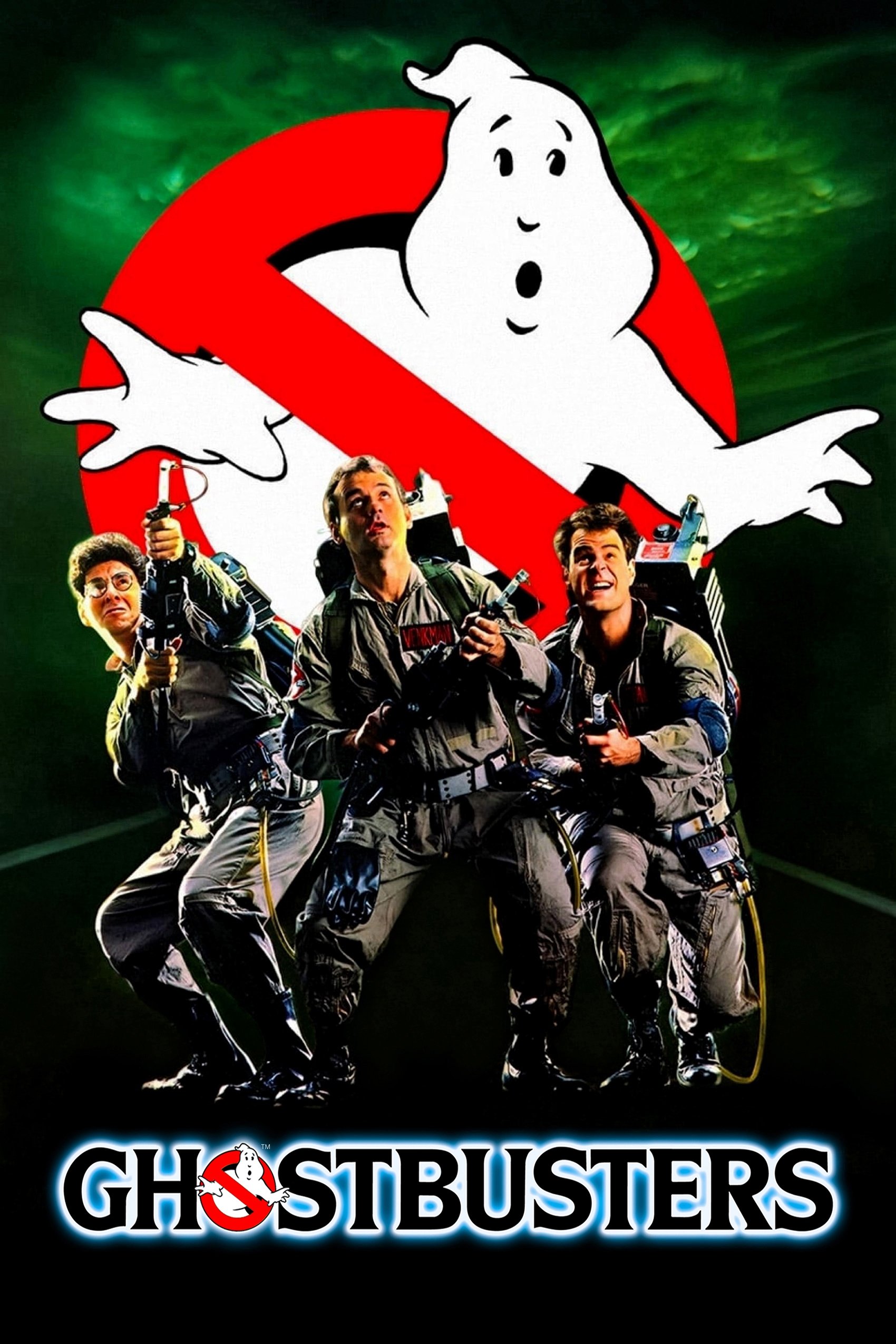
The Historical Era of the Film
Whenever I revisit Ghostbusters (1984), I find myself instinctively considering the unique crossroads America occupied in the early 1980s. For me, the blend of political, economic, and social circumstances couldn’t have been more striking. Coming out of the turmoil of the 1970s—defined by the energy crisis, economic stagflation, and a general loss of faith in government institutions—the early Reagan era felt charged with both anxiety and optimism. I remember the way people reacted to Ronald Reagan’s optimistic vision, promising “morning in America,” but underneath, you could still sense unease about rapid change and persistent uncertainties.
From my vantage point, the American economy was rapidly shifting during this production era. The recession of the early years of the decade began to give way to growth, yet the growing embrace of free-market policies still generated debate. Wall Street thrived, while unemployment—especially in urban centers—left certain segments skeptical about this newfound prosperity. New York City, where the film is set, was itself a microcosm of these contradictions: gritty, bustling, teetering between decay and resurgence. I often find it fascinating how the image of Manhattan in the early 1980s still bore the scars of the 1970s while courtship with big business and tourism was rapidly redefining its skyline and identity.
The social landscape was no less charged. The AIDS crisis spread fear and misunderstanding, race relations simmered, and fears of nuclear conflict lingered after decades of the Cold War. Yet, alongside those tensions, technology and popular culture were in the midst of an exhilarating boom: home computers, video arcades, and cable television transformed daily life and entertainment. This environment, marked by clashing anxieties and escalating technological influence, left a profound imprint not just on Ghostbusters (1984), but on the entire mood of popular cinema.
Social and Cultural Climate
Thinking back to the early 1980s, what always stands out to me is the sensitivity to matters of community, authority, and the supernatural. American culture at the time seemed obsessed with the tension between individual initiative and institutional control. Federal agencies were consistently painted as inept or out-of-touch, while self-starters—be they entrepreneurs or pop-culture heroes—were celebrated. I felt that skepticism about government bureaucracy was everywhere, and that thread winds its way subtly through films of the era.
At the same time, popular beliefs about science and the supernatural collided in interesting ways. I perceive Ghostbusters as a prime product of a culture that loved its rational scientists and yet continued to thrill at the possibility of things that defied explanation. Supernatural comedies, haunted-house stories, and tales of extraterrestrial intervention were everywhere, revealing a society fascinated by the unexplained even as it worshipped innovation and expertise.
I also cannot ignore the language of urban decay and renewal. The New York of Ghostbusters (1984) is both menacing and magical—a place teeming with energy but haunted by both literal and metaphorical ghosts. Against that backdrop, the city’s diversity, chaos, and creativity in the 1980s serve as both a setting and a character. The climate of inclusivity was still emerging, with representation on screen and behind the camera being topics of growing discussion, though far from resolution.
Family entertainment and blockbusters were on the rise, especially after the overwhelming success of films like Star Wars and Raiders of the Lost Ark just a few years earlier. There was an appetite for lightness—a desire for comedy and special effects to relieve the lingering anxieties of the previous decade, and I see Ghostbusters as capitalizing on that need for communal laughter and spectacle.
How the Era Influenced the Film
Whenever I try to map out the historical context on the story and production of Ghostbusters, several threads become clear. To me, the film’s very premise—a group of oddball academics choosing entrepreneurship over academia—was shaped by the era’s push toward privatization and the celebration of the self-made individual. Government, embodied by the Environmental Protection Agency, is frequently the butt of the joke: inept, intrusive, tone-deaf. The heroes, by contrast, are defined by ingenuity, risk-taking, and a certain irreverence for authority.
Production-wise, I see Ghostbusters as a showcase of just how much the movie industry benefitted from new technologies. Advances in visual effects, especially the merging of practical and optical effects, allowed filmmakers to create the kind of supernatural spectacle audiences craved. Films from this period didn’t have the seamless CGI of today—effects had a tactile quality that mirrored the city’s mix of grit and charm. I think the film’s look, with ghosts that were often physically present on set thanks to puppetry and animatronics, evokes the innovative energy of its time.
- Rapid development of special effects technologies
- Growing distrust in institutions and government agencies
- New York’s urban image post-1970s fiscal crisis
- Cultural appetite for supernatural entertainment
The era’s comedy traditions play a large role in my understanding of the film’s character. With so many Saturday Night Live alumni in key roles, Ghostbusters (1984) inherits the improvisational, subversive spirit then dominant on television and in club comedy. That sense of go-for-broke, slightly anarchic humor permeates the whole production, giving it a immediacy that’s very much of its era.
I also notice that gender and social roles in the film are firmly marked by their time. The presence of a mostly male team, with female characters occupying secondary roles, fits the blockbuster template of the day. Yet the strong depiction of friendship and collaboration, rather than lone wolf heroism, echoes changing ideas about what made someone heroic in an America weary of cynicism and individual posturing.
Audience and Critical Response at the Time
When Ghostbusters hit theaters in June 1984, I remember how quickly audiences latched onto its unlikely mixture of comedy, fantasy, and science fiction. The social climate was ready for escapism, and the film delivered with irreverence and a cheerfulness that made it a true crowd-pleaser. Word of mouth propelled its popularity, and as I recall from contemporary news reports and box-office breakdowns, Ghostbusters became an immediate cultural phenomenon—quoted in playgrounds, offices, and living rooms everywhere. “Who ya gonna call?” became a rallying cry for fun in a summer otherwise shadowed by geopolitical tension.
Critics, too, generally warmed to the film’s mix of sly parody and big-budget pyrotechnics. I saw reviewers in major publications remark on the freshness of its humor and the originality of its concept, even while some lamented its occasional carelessness with plot or tone. The presence of established comedy stars like Bill Murray and Dan Aykroyd was frequently mentioned as a key to the film’s mass appeal. Ghostbusters managed to entertain both kids and adults—a rare feat at a time when family and adult entertainment often felt separated by a cultural chasm.
Behind much of the praise, though, I sense an awareness that this was a film of its moment. Film critics were quick to note how Ghostbusters channeled the zeitgeist—the readiness to trust in the weird, to poke fun at authority, and to laugh together in uncertain times. My impression is that the critical consensus credited Ghostbusters not only for its technical accomplishment and comedic brio, but also for capturing the period’s contradictions and anxieties in a textured pop-culture artifact.
Even audiences who might have bristled at its irreverence seemed to appreciate its improvisational charm and creative risk-taking. For me, the reception reflects a collective urge to cut loose from worry, at least for two hours—and witnesses how a film can unite disparate viewers by tapping into the mood of its time.
Why Historical Context Matters Today
Whenever I reexamine Ghostbusters (1984) with fresh eyes, the historical context invariably deepens my appreciation. For one, knowing what was happening socially and otherwise in 1984 allows me to see how this film responded to, and in some ways soothed, cultural anxieties. The irreverence and spectacle were more than just entertainment. They were a kind of balm for a public riding the rollercoaster between lingering economic hardship and newly-minted prosperity.
I find that understanding the film’s historical matrix clarifies its choices about character, tone, and even location. When I see the casual disdain for bureaucracy depicted on screen, I recognize the real skepticism of authority that colored much of 1980s America. The affection for technological innovation, meanwhile, mirrors a genuine excitement about science—and a fear of where unchecked expertise might lead. Recognizing those crosscurrents makes the film far more than a supernatural comedy; instead, it reads as an artifact encoding the hopes and doubts of its day.
It’s also clear to me that Ghostbusters both exemplifies and transcends its era. For all its specific references and attitudes, its appeal to camaraderie, adventure, and laughter remains potent for later generations. Yet, without an awareness of its political and economic backdrop—the Reagan revolution, anxieties about New York, transitions in gender and labor norms—it becomes a more superficial experience. Time after time, I have found that historical context makes even its smallest details more resonant.
Looking at the film today, I recognize moments and attitudes that might seem dated or even problematic, but those moments are instructive in themselves. They remind me that no work springs fully formed from a vacuum, and that Ghostbusters is as much about the fears and fantasies of 1984 as it is about marshmallow men and proton packs. In coming to grips with these historical forces, I find a richer appreciation both for what the film accomplishes and what it reveals, sometimes inadvertently, about the American psyche at a pivotal moment.
After understanding the factual background, you may want to see how this story was received as a film.
🎬 Check out today's best-selling movies on Amazon!
View Deals on Amazon