
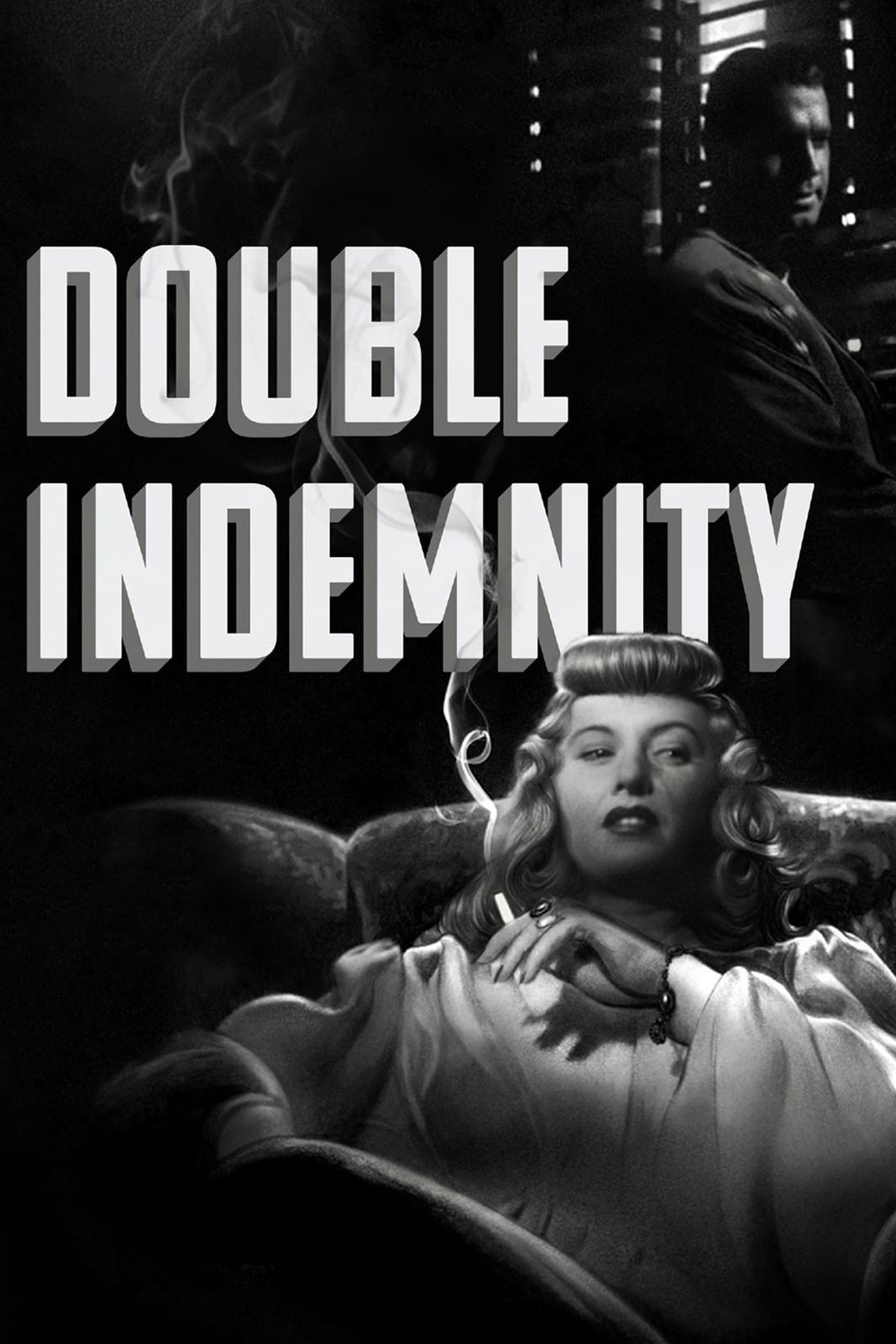
The Historical Era of the Film
Every time I rewatch Double Indemnity (1944), I feel transported into the dense, complicated fabric of early 1940s America. The film’s shadowy corridors and anxiety-drenched atmosphere resonate all the more powerfully because of when it was made—a nation still embroiled in World War II, with its pervasive uncertainty and shifting ambitions. I can sense how deeply the political climate of the moment seeps into the film, from the austerity of the set designs to the quiet desperation etched on every character’s face. The realities of global conflict loomed above everything, and it’s remarkable how the cynicism and suspicion of wartime bled into the mood of American culture, including its cinema.
I’m continually struck by the economic pressures that haunted both everyday Americans and Hollywood as an institution. The economic climate was tricky: rationing meant luxuries were scarce, and the film industry had to adjust not just in content but in practical constraints—costumes, sets, and even lighting techniques were influenced by these shortages. Yet paradoxically, it was also an era when cinema attendance soared because movies offered both escape and a place to confront the era’s doubts in the dark, anonymous comfort of a theater.
Socially, I find the era endlessly fascinating, marked by a tense negotiation between old mores and new realities. Traditional gender roles were being challenged, especially with a generation of women entering the workforce while men served overseas. There was a sense of instability, and this, to me, pulses beneath every line of dialogue in Double Indemnity. That tension between what was supposed to be stable—marriage, work, personal integrity—and what was actually happening creates a distinctive energy throughout the film. The seeds of postwar disillusionment were already being sown in this period, and it’s impossible for me to separate Double Indemnity from the broader American anxiety that characterized the years around its production.
- World War II influenced daily life and national mood
- Economic constraints shaped Hollywood’s production methods
- Shifting gender roles challenged traditional values
Every time I step into the world of this film, I feel as though I’m peering through a peephole into history—one where the ordinary rules of peacetime seemed to be suspended and where the boundaries between right and wrong felt especially blurry. These pressures are not just background—they are, in so many ways, the beating heart of why Double Indemnity carries such weight for me as a viewer and a historian.
Social and Cultural Climate
When I look closely at Double Indemnity, I’m always aware of how deeply it reflects the dominant social attitudes and cultural trends of its time. The forties were awash in both spoken and unspoken anxieties, not the least of which was a pervasive mistrust that seemed to infect every institution—from government to family to business. In my interpretation, this widespread skepticism is what gave film noir its power and resonance; I can’t see Double Indemnity outside the shadow of these social currents.
One cannot discuss this era without considering how entrenched, yet simultaneously threatened, traditional values were. The American ideal of the nuclear family, with clear-cut roles for men and women, was undergoing a quiet destabilization. The film’s manipulative and morally ambiguous female lead—a “femme fatale”—was, to me, both a reflection and an anxious projection of these shifting gender roles. While women in reality were stepping into more visible, authoritative positions, Hollywood both mirrored and magnified the social tension this created. I find this all the more potent because the image of the wily, seductive woman was so starkly different from the decorous, domestic ideal that films of the previous decade had favored.
Another factor I always keep in mind is that Americans, having endured the tail end of the Great Depression before being swept into global conflict, were wary of the promises offered by institutions and authority figures. The rise in crime stories, both in literature and film, was symptomatic of the belief that anyone—private citizens, insurance agents, even housewives—could be driven to break the law under enough pressure. I see Double Indemnity as a direct outgrowth of this cultural skepticism, with its anti-hero protagonists and open challenge to the notion that justice is simple or automatic.
In the realm of popular culture, I’m constantly reminded that radio dramas and pulp magazines were consumed voraciously, especially those dealing in crime and mystery. The film adapted James M. Cain’s hardboiled novella, which had already struck a chord with a public eager for stories that acknowledged the darker corners of the American psyche. The Hays Code was still enforcing strict censorship, which I find fascinating, as it forced filmmakers to explore moral ambiguity with extraordinary subtlety. All of these trends—deep skepticism, gender anxiety, an appetite for crime stories, and the strictures of censorship—were swirling in the air, coloring how a film like Double Indemnity could be made and received.
Against this complicated tapestry, I always find the film’s sinister mood and ambiguous morality to be an almost perfect encapsulation of mid-century American society—one grappling with transition, uncertainty, and the consequences of temptation.
How the Era Influenced the Film
When I analyze Double Indemnity, I never lose sight of the way its production era left an indelible mark on every aspect of the film’s story, character construction, and visual approach. The constraints and preoccupations of the early 1940s shaped it in ways both overt and subtle. For me, the very essence of the film noir style—its low key lighting, deep shadows, and claustrophobic interiors—could only thrive in this period of blackout curtains and rationed resources, as filmmakers were forced to innovate within severe limitations.
I also pay close attention to the lasting impact of the Production Code Administration (also known as the Hays Code). This strict regulatory environment limited how stories of adultery, murder, and moral decay could be depicted. From my perspective, the ingenuity with which director Billy Wilder and co-writer Raymond Chandler constructed their narrative is largely a reaction to these boundaries; they created complex characters whose motivations and fates could be explored without explicit endorsement or condemnation of crime. This bred a distinctive kind of storytelling, where tension simmered beneath the surface, and where silence and implication sometimes conveyed more than any spoken confession could.
It is also clear to me that the war’s impact on gender roles is visible in the film’s powerful female antagonist. The shifting social climate allowed for a more transgressive portrayal of women’s agency, at least within the coded language of noir. I see these characters as not merely products of literary invention, but as mirrors to the lived experience of audiences navigating new gender dynamics brought about by the war—a fact that surely did not escape anyone seeing the film at the time, or indeed anyone with knowledge of its production culture.
The source material—a 1936 novella by James M. Cain—also owes much to the gritty realism that came to define Depression-era American writing. The story’s adaptation during wartime only intensified its mood of desperation and secrecy. This was, after all, a period when the boundaries between public and private selves were unusually porous, as everyone was expected to contribute to the war effort yet also protect personal survival and security. In my assessment, this atmosphere is palpable in every furtive glance, every calculated risk taken by the protagonists.
Ultimately, when I watch Double Indemnity, I am always reminded that every technical, narrative, and aesthetic decision was shaped by the era’s unique blend of constraint, innovation, and deep cultural apprehension. The film is as much a document of its time as it is a work of art.
Audience and Critical Response at the Time
Reflecting on Double Indemnity’s initial reception, I am struck by how it both shocked and fascinated its audiences upon release. The mid-1940s were a time when the public was caught between the need for escapism and a craving for stories that addressed anxiety and uncertainty. The film landed right at that fulcrum, drawing large audiences even as it challenged conventions.
When I look at contemporary reviews, I notice a significant amount of surprise over how far the film pushed the envelope within the prevailing censorship regime. Critics seemed both wary and admiring of how skillfully Wilder had navigated the boundaries set by the Hays Code, delivering suspense and adult subject matter without explicit depictions of violence or immorality. In this way, the film was often hailed as a new benchmark for “serious,” “adult” drama in Hollywood. There is a sense in these reviews that audiences found the film’s darkness—both literal and metaphorical—captivating in a way that lighter fare simply could not replicate.
On the other hand, some critics expressed concern over the film’s handling of morality, and I get the sense that Double Indemnity contributed to ongoing debates about the impact of crime stories on public morals. For viewers who lived through the Depression and war years, the film’s bleak tone and ambiguous ethics were relatable, even if a little unsettling. It felt, to many, like a story ripped from the headlines—a private crisis with public implications. The widespread popularity of the film, and its seven Academy Award nominations, reflected its resonance with American society at large. I often think about how its reception marked a shift: film noir was no longer a niche taste, but a mainstream phenomenon.
I should add that the film’s style and realism endeared it to a new wave of critics who valued films that dared to confront uncomfortable truths about American life. While not universally praised, Double Indemnity was seen as evidence that Hollywood could be both entertaining and intellectually provocative—a sense I wholeheartedly share, having pored over historical records and firsthand accounts of the months following its release.
Why Historical Context Matters Today
Whenever I watch Double Indemnity with modern audiences or discuss it with students, I find that appreciating the film’s historical context unlocks layers of meaning that might otherwise be invisible. For me, understanding how the film emerged from a moment of national conflict and social upheaval transforms it from a simple crime story into a kind of cultural weather report—a record of what America was nervous about, what it dared to dream, and what it feared losing.
Revisiting the film’s production against the backdrop of war, censorship, and shifting gender roles allows me to see even its smallest choices—camera angles, lighting, dialogue—as artifacts of real-world anxieties. Recognizing the constraints faced by its creators, and the prevailing social currents they navigated, gives me a deeper respect for their artistry and courage. What strikes me most is how the film’s moral ambiguity, which may seem quaint or conventional today, was radically resonant in its time, speaking directly to an audience grappling with similar uncertainties about right and wrong.
I also believe that the film’s obsession with deception and trust continues to resonate because those themes were born in an era defined by propaganda, secrecy, and suspicion. Watching Double Indemnity as a historical document connects me to the hopes, fears, and contradictions of another era, and reminds me that every great work of art is inseparable from the world in which it was made. For anyone seeking to understand either the history of American cinema or the cultural landscape of the forties, diving into Double Indemnity’s context is not optional—it’s essential.
For me, there’s something deeply rewarding about peeling back the layers of a film like this, matching every flicker of anxiety or hope on screen to the lived experience of the country at that precise moment. Doing so is not just an intellectual exercise; it’s a way of building empathy across time, and of seeing how art holds up a mirror to society’s most urgent questions, decade after decade.
After understanding the factual background, you may want to see how this story was received as a film.
🎬 Check out today's best-selling movies on Amazon!
View Deals on Amazon