
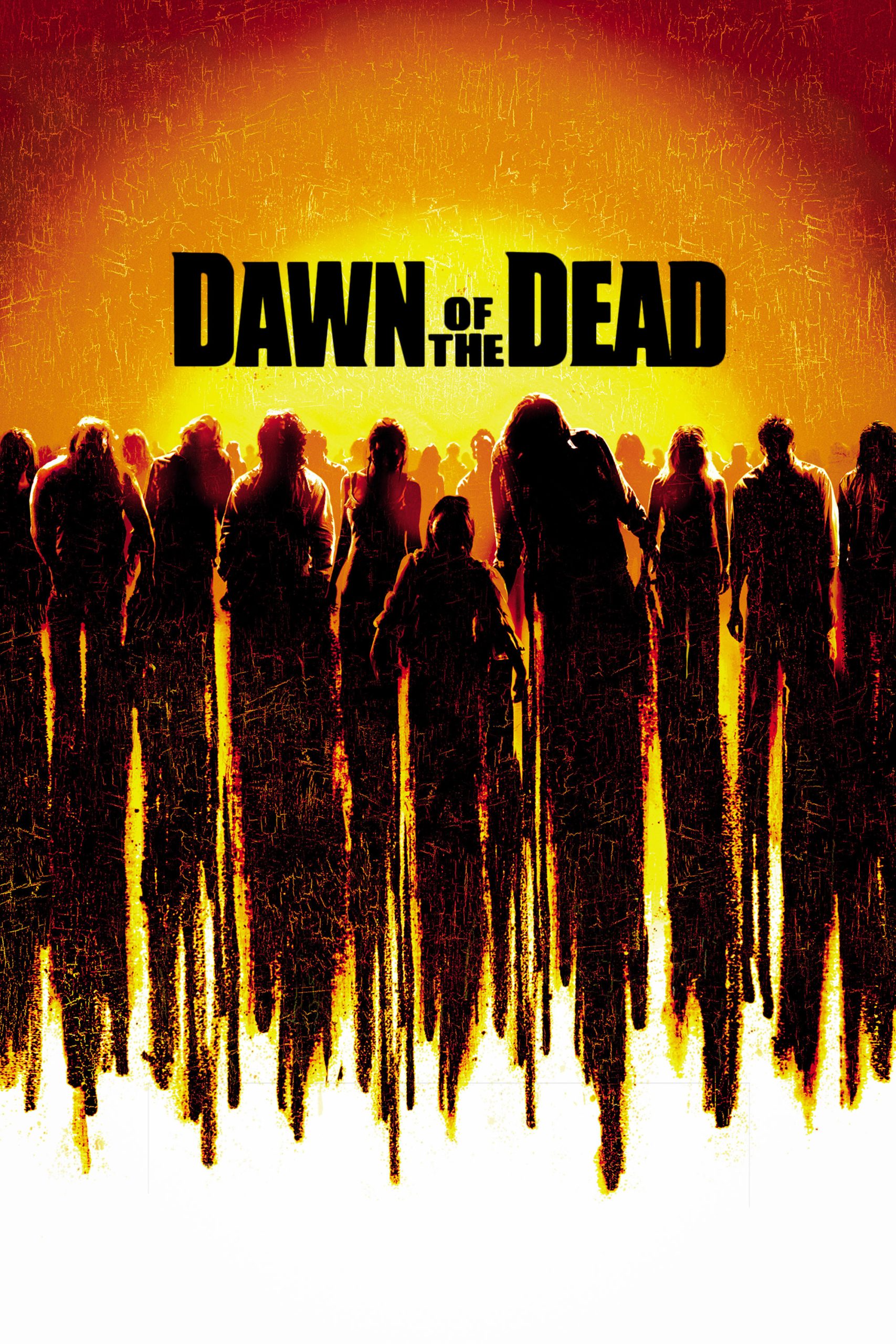
The Historical Landscape
I remember the first time I saw “Dawn of the Dead,” not just as a horror film, but as an artifact from another world—a world on the edge of something nameless, bristling with nervous, anarchic energy. The late seventies throbbed with contradictions: high inflation ate away at paychecks, reels of Vietnam footage haunted nightly broadcasts, and once-unquestioned bastions of American power—the presidency, the church, the police—were under siege from scandal and protest. The film’s arrival in 1978 struck me as both culmination and prophecy, springing out of a decade marked by social unrest, distrust, and a looming sense of disintegration. This was a period gripped by oil crises and unemployment lines, where talk of stagflation trickled into even the most mundane dinner-table conversations. The American dream seemed to unravel, thread by thread, and a sense of exhausted cynicism replaced postwar optimism.
When I look at “Dawn of the Dead” through the foggy lens of that moment, I see more than gory spectacle; I see a culture grappling with deep insecurity about the future—a future that refused to look like the one promised in glossy advertisements and patriotic speeches. Fears about the breakdown of social order were everywhere, subtly infecting even the commercial landscape. Shopping malls, those temples of suburban aspiration, were sprouting in communities across the country, offering both escape and a curious kind of isolation. They promised abundance, but in the evening news, I watched stories of crime, decay, and loss of community spirit. Crime rates climbed. Neighborhoods gated themselves in or hollowed out. The sense of belonging that held postwar America together was starting to fray.
For someone living through the broadcast era—and I still remember the feel of static as I turned the dials—television became a nervous heartbeat echoing in everyone’s living room. News didn’t just report the state of the world; it instilled fear, and sometimes dread. That climate, saturated with a blend of spectacle and panic, seeped into the imagery and anxieties of “Dawn of the Dead” in a way that still feels as fresh as an open wound, no matter how many years have passed since its debut.
Cultural and Political Undercurrents
I can’t help but notice how George Romero’s grim vision emerged from an America that was unmoored, searching for direction. The collapse of old certainties after the turbulent sixties reverberated everywhere, particularly in the director’s home state of Pennsylvania, where factories closed and the collapse of manufacturing signaled a larger decline. Everywhere I turned, it seemed, people wondered aloud if the center could truly hold. Watergate eroded faith in government, and the lingering trauma of Vietnam left wounds that would never quite heal. People no longer trusted the institutions that were supposed to protect them. Survivalism and skepticism replaced a belief in collective action; the individual had become both hero and victim in the national imagination.
Those tensions—conformity versus liberation, the collective good versus selfish survival—permeate every frame of “Dawn of the Dead.” When I watched the survivors barricade themselves in a mall, surrounded by zombies, it felt less like fantasy and more like a shrouded allegory for the way Americans were isolating themselves, both literally and spiritually. The mall, at the time, was a relatively new phenomenon—a symptom of what some considered the “malling” of America, a creeping commercialism that siphoned life from cities and towns. On my own trips to those glittering corridors, I always felt a strange sadness beneath the surface of the consumer spectacle, as if everyone was seeking solace in things they could never truly possess.
I often think about the consumer mindset at the time—a compulsive desire for novelty, comfort, and distraction. It was easy, in 1978, to fall into the rhythms of consumption and convince oneself that owning things was synonymous with happiness. But “Dawn of the Dead” held a mirror to that delusion. In endless shots of zombies wandering the mall, mindlessly drawn to their old routines, I recognize a quiet mockery of our hunger to consume even as society collapses around us. I’m still unsettled by it, even now. Romero’s zombies were never just monsters; they were us, exfoliated of memory and meaning, set loose in a world emptied of purpose.
It wasn’t only consumerism that Romero interrogated. Gender roles, race relations, and the sanctity of family—every pillar of the so-called American way—was strained in those years. I grew up with the promise that certain systems would always endure, and “Dawn of the Dead” seemed to question that assumption at every turn. The film’s cast came together not because of shared values, but because circumstances thrust them together, and even within their little tribe, tension, mistrust, and uncertainty simmered. For me, it echoed the fragmentation I witnessed in communities everywhere, as people circled the wagons and hoped to ride out storms on their own terms.
The Film as a Reflection of Its Time
What I find most remarkable about “Dawn of the Dead” is the way it refracts the late 1970s in all its bruised complexity. Watching it today, I’m struck not just by the blood and terror, but by the weariness and anger that run through every scene. In the film’s opening chaos—a television studio unraveling, order dissolving—I feel the breakdown of trust that so many felt after Watergate and Vietnam. The authorities seem panicked, their instructions contradictory. The lines between enemy and victim blur. No one knows whom to believe, and so everyone fends for themselves. It’s a portrait of institutional failure that was painfully familiar to anyone paying attention at the time.
The mall, of course, isn’t just a setting—it’s an idea. In my view, the endless array of goods promised comfort and security, but the cost was a profound isolation. Watching characters loot stores for luxuries even as their world falls apart outside, I sense Romero’s sly critique: no matter how much we accumulate, we can’t insulate ourselves from reality forever. That desperation to possess, to find meaning in objects, rings even truer now than it did on my first watch. The film’s survivors, flush with luxury, quickly realize their paradise is a prison. They are trapped by their own desires and illusions, walled off from a society already lost to chaos.
This sense of chaos is not just external. For me, the film’s interpersonal drama—rife with suspicion, fear, moments of tenderness, and, above all, uncertainty—reflects a deeper anxiety that colored the whole decade. These are not superheroes but ordinary people, stripped of the comforting armor of “normal” life. Their struggle plays out against the soundtrack of emergency broadcasts and gunfire, an audio landscape that conjures both the nightly news and a growing sense of unease that I remember feeling every day. The public sphere had become volatile, angry, and unpredictable, and the home—the mall in this case—hardly felt like a refuge.
When I see the zombies stumbling through the mall, endlessly repeating old habits, I feel the weight of history bearing down—a deft rendering of a society moving on autopilot, even as the world crumbles. It’s as if Romero anticipated the paralysis that would follow the breakdown of institutions, leaving people to wander, directionless, searching for meaning in rituals stripped of their former significance. In the broader context of economic stagnation and the rise of mass marketing, those scenes take on an especially pointed irony. The violence is not just gore for its own sake; it’s symptomatic of deeper social sickness, an expression of collective malaise and a warning about where unchecked consumption and complacency might lead.
Changing Perceptions Over Time
As the decades have passed, I’ve noticed that “Dawn of the Dead” has undergone a fascinating metamorphosis in the way viewers perceive it. When I first spoke with other fans in the years following its release, many latched onto the film’s practical effects and relentless pace, marveling at the on-screen carnage and innovation. For some, the zombies were simply monsters—horrific, but ultimately just entertainment. Yet, as the political and cultural climate shifted, appreciation for the film’s allegory deepened. With each new generation, the discussion has moved past the splatter to what those splatters represent.
When consumer culture accelerated in the eighties and nineties, and malls reached their commercial zenith, I often encountered younger viewers who saw the film as an indictment of mindless capitalism. The mall, once an aspirational space, had become emblematic of alienation and ennui—zombies as the ultimate consumers, trapped in cycles of consumption even after death. Later, in the wake of financial meltdowns and the rise of online commerce, a new strain of interpretation emerged: one that regarded the film’s depiction of isolation, breakdown, and the search for meaning in material things as eerily prophetic. Sometimes it felt to me as though Romero had foreseen not just the problems of his own day, but those of mine as well.
Discussions around gender, race, and group dynamics in the film have also evolved. Early reactions often overlooked the film’s alternately progressive and regressive portrayals, but with the rise of new critical perspectives, later audiences dissected every interaction, every choice, parsing what it said about the roles assigned to men and women, and the place of minorities in a fraying society. I now view Francine’s insistence on agency—a rare narrative focus for women in genre films of the time—as a signpost of shifting attitudes, even if the film never fully escapes the limitations of its era.
As the world’s anxieties shifted from Cold War dread to postmodern uncertainty, so too has the focus of conversations around “Dawn of the Dead.” Today, when I revisit the film with students or friends, the zombie becomes not just a stand-in for “the other,” but for ourselves—a mirror reflecting endless hunger, doubt, fear of the unknown, and the longing for connection in an atomized world. The sense of humor and irony, overlooked by some early critics, has become another vector for appreciation, highlighting Romero’s subtle negotiation between horror and satire.
The film’s meaning, for me, lies not in a single message but in the way it invites each generation to confront its own fears and failures. Its enduring appeal rests in its openness to new readings, its refusal to offer easy answers. What once seemed shocking now feels prescient, and what once seemed like simple gore now pulses with hard-won insight into the human condition.
Historical Takeaway
Every time I return to “Dawn of the Dead,” I’m reminded that films, at their best, are not just windows into other worlds, but prisms refracting the hopes and anxieties of the times that produced them. For me, Romero’s work is not merely a landmark in horror cinema; it’s a pause for breath at the crossroads of an American epoch that felt itself unraveling. The film exposes the hunger for comfort—spiritual as well as material—that dominated the late 1970s, and peels back the glossy surface to reveal isolation, fear, and the desperate search for meaning beneath.
What I take away—again and again—is the film’s refusal to flatter its audience with illusions. In scene after scene, I sense a challenge to reexamine the stories a society tells itself about safety, success, and community. Those barricaded doors and overstocked shelves might provide temporary relief, but they can’t defend against the rot that creeps in when collective purpose falters. Romero’s blood-soaked critique of consumer culture, his meditation on institutional collapse, and his bleak humor invite me to consider not just what I fear, but why I fear it—and whether the world outside my window is truly any less precarious than the world onscreen.
In a way, “Dawn of the Dead” documents the end of an era—not through newsreels or manifestos, but through horror’s unique language of unease. In doing so, it preserves a snapshot of a nation lost between old dreams and new nightmares. To understand the film is, I think, to understand something vital about the late twentieth century: the fragility of order, the seduction of distraction, and the cost of turning from each other in favor of empty abundance. For me, no matter how many times I watch it, that remains its most enduring—and haunting—legacy.
To see how these real-world elements shaped the film’s impact, you may also explore its reception and legacy.
🎬 Check out today's best-selling movies on Amazon!
View Deals on Amazon