
The Historical Era of the Film
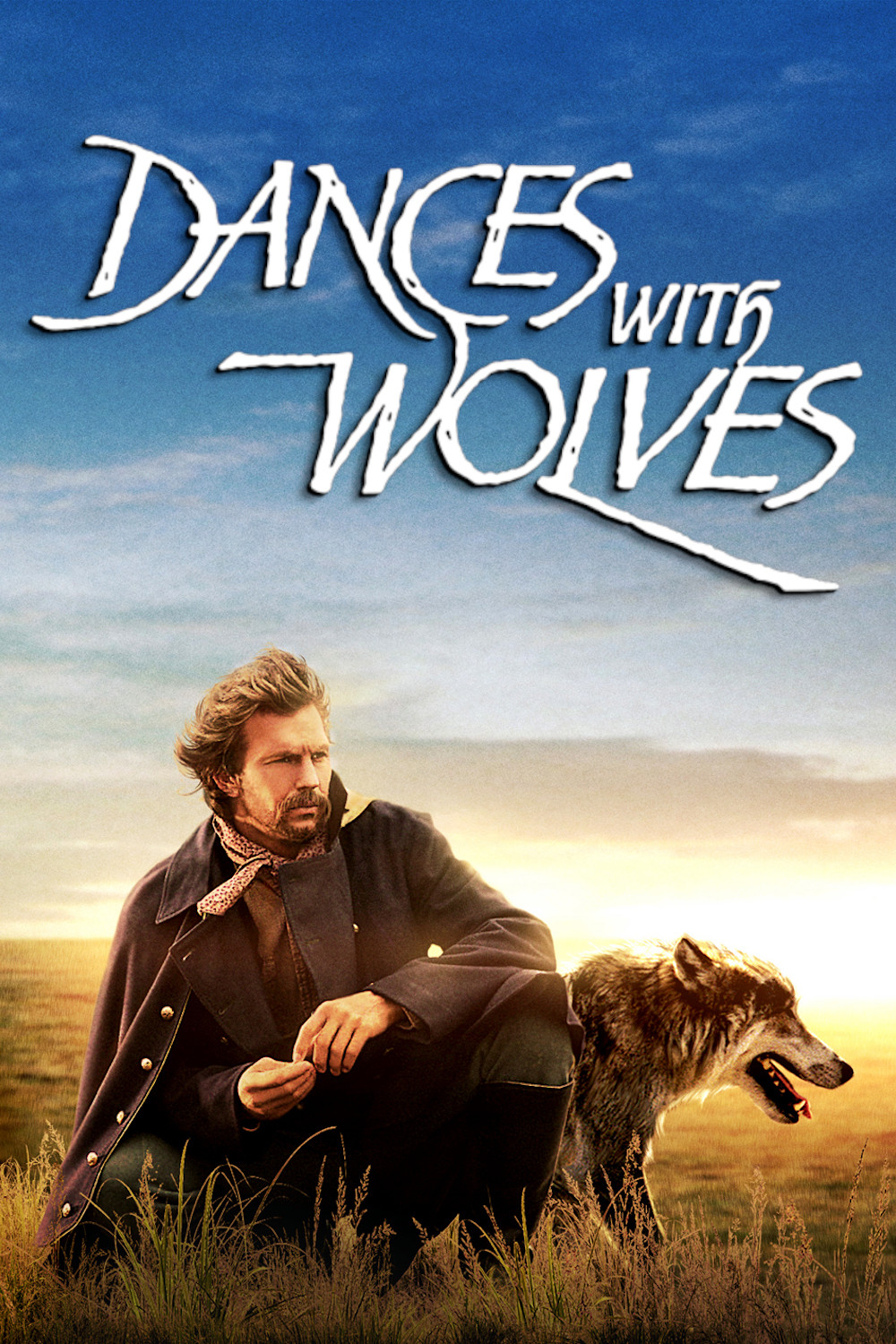
I remember the first time I watched “Dances with Wolves (1990)”—I was struck not only by the story but also by how deeply embedded it felt in the legacy of late twentieth-century America. Thinking back to that era, I recognize that the film emerged in a specific historical moment defined by post-Cold War uncertainty and shifting narratives about national identity. In 1990, the United States was at the conclusion of the Reagan-Bush years, a period characterized by strong conservative values, military prowess celebrated in the aftermath of the Cold War, and robust economic growth that hadn’t quite remedied pervasive social inequalities. The Berlin Wall had recently fallen, signaling vast changes in the global political order and sparking American introspection about what kind of nation it had become. I sense that this was a time where Americans were re-evaluating their place in the world and their own history, especially as new voices began challenging old myths handed down through generations.
Economically, I find it fascinating that the late 1980s and early 1990s were marked by both prosperity and unease—stock markets surged, yet fears of recession lingered. The economy was creating new winners in industries like technology and finance. Yet for many, especially in rural America, these gains seemed distant or unattainable. Socially, I remember how Native American issues were starting to gain just a bit more visibility in the public consciousness, thanks in part to broader movements for civil rights and recognition. The legacy of the Vietnam War lingered, revealing itself in countless cultural works concerned with trauma, belonging, and American guilt over violence and imperialism. Political debates about multiculturalism and the meaning of the American West—central to “Dances with Wolves”—were erupting everywhere I looked, both in academia and in popular culture. It was, in my view, a moment of reckoning, asking what stories America chose to honor.
Social and Cultural Climate
Reflecting back, I am continually drawn to how the film intersected with evolving Hispanic and African American rights, LGBTQ activism, and a burgeoning sense of pluralism. Growing up in that period, I recall the immense tension surrounding America’s historical narratives—questions about assimilation, integration, and ethnic identity were everywhere. The dominant social attitudes I witnessed, especially in rural and suburban America, favored conventional patriotism and the mythos of the frontier. Yet, beneath the surface, there was an undeniable current of dissatisfaction and critical self-examination arising from intellectual circles, indie filmmakers, and social activists alike.
The depiction of Native American peoples in “Dances with Wolves” stands out to me precisely because, in 1990, American cinema was at the cusp of reconsidering the stereotypes that had endured since the silent era. It was rare, in my memory, for mainstream Hollywood films to elevate Native American languages, cultures, or perspectives with the respect and centrality that Kevin Costner’s film attempted, however imperfectly. As the country approached the quincentennial of Columbus’s arrival in 1992, debates over indigenous representation intensified, and “Dances with Wolves” clearly benefited from and contributed to this broader rethinking. There was a growing appetite for stories that challenged the simple dichotomies of “savage” versus “civilized” that had long imperiled public understanding of Native American histories.
I would be remiss if I did not mention how the wider “culture wars” of the late 1980s shaped the film’s reception. At almost every dinner table conversation, I was hearing arguments about tradition versus progress, whether in literature, education policy, or, yes, even in movie choices. Multiculturalism was a buzzword on campuses and in mainstream media—contested, debated, sometimes derided, but always present. Similarly, the issue of historical revisionism loomed large, as scholars and artists aimed to tell stories left out of high school textbooks. The result was a climate both contentious and invigorating, strikingly open to questioning and, at least on screen, sometimes eager to make long-overdue course corrections.
How the Era Influenced the Film
I’ve always believed that “Dances with Wolves” is inseparable from the climate in which it was produced. The late 1980s and early 1990s propelled a host of films that reimagined the “frontier myth”—no longer as uncritical celebrations of expansion, but as platforms for examining violence, displacement, and the complexity of American origins. Watching the film with that in mind, I see that its attempt to center the Lakota people, use authentic languages, and depict the American frontier with moral ambiguity reflects the post-Vietnam disillusionment with previously unquestioned national narratives.
I’m struck by the film’s careful attention to authenticity, whether in the use of the Lakota language or the exhaustive research evident in costume and set design. This, for me, feels directly shaped by the increased scholarly and popular interest in cultural accuracy as a corrective to decades of misleading Westerns. I remember the impact academic debates had in this era; not just historians but also ordinary viewers were asking for more honest depictions of America’s past. The film’s protagonist, John Dunbar, is a Civil War veteran—a choice that feels pointed. In a period where national wounds still festered, such a character offered audiences an allegorical stand-in for wrestling with guilt, remorse, and the desire for atonement.
Several key historical factors shaped the film’s production and narrative choices:
- The rise of Native American activism in the 1970s and 1980s, exemplified by AIM and Wounded Knee
- Intellectual movements advocating for a more inclusive American history
- Hollywood’s growing willingness to challenge the ‘cowboys and Indians’ stereotype
- Military conflict aftershocks influencing stories of homecoming and cultural reevaluation
Looking back on the film, I notice how it coincides with larger discussions about reconciliation and empathy—collective traits often ascribed to the closing years of the twentieth century. I see “Dances with Wolves” as emblematic of Hollywood’s slow—and sometimes flawed—efforts to confront its own complicity in perpetuating negative tropes about indigenous peoples. The production’s scale, use of non-English languages, extended running time, and logistical commitment to filming in South Dakota’s open plains all seem shaped by an era eager to push cinematic boundaries and respond to changing audience expectations around historical responsibility.
Audience and Critical Response at the Time
Recalling the film’s release, I was astonished by just how overwhelming the reaction was, both critically and commercially. I observed that contemporary audiences responded with an enthusiasm rarely seen for historical epics in that era—its opening weekend was packed with a diverse crowd, some drawn by a sense of nostalgia, others by curiosity about its indigenous focus. For those of us who cared deeply about representation, the film felt like a breath of fresh air, a rare mainstream acknowledgment of indigenous Americans as complex actors in their own stories, not merely as obstacles or backdrops to a white protagonist’s journey.
Critical reception was, from what I experienced, largely positive. Esteemed reviewers praised its ambition, operatic sense of scale, and respectful treatment of the Lakota Sioux. Yet, I also remember a lively discourse among Native American writers and activists; some expressed gratitude for the film’s shift towards authenticity, while others pointed out lingering issues of perspective and narrative control, notably the “white savior” undercurrent that remained. This nuanced discussion reflected broader societal debates about allyship, authorship, and whose voices dominate in national storytelling.
Academically, “Dances with Wolves” quickly became a touchstone in courses about American identity, popular culture, and historical memory. I can’t forget how eagerly it was dissected in classrooms and magazines, as both a harbinger of change and a lightning rod for controversy. The film’s Oscar sweep—winning Best Picture, Best Director, and several other categories—was seen by many, myself included, as a signal that Hollywood was taking the message of historical re-examination seriously, at least for a moment. At the same time, it revealed ongoing tensions over ownership of historical narratives, serving as a reminder that, while progress was possible, the path was not without its complications and contradictions.
Why Historical Context Matters Today
I often reflect on how essential it is to approach “Dances with Wolves” with awareness of its historical context. The film may have been a turning point, but it was also a product of its specific cultural moment—a time of reflection, reckoning, and cautious optimism about what American history could mean if told differently. When I watch it today, I see not simply a story set in the nineteenth century but a work deeply implicated in late twentieth-century debates about heritage, trauma, and the possibility of reconciliation.
Grasping the political and social atmosphere of the era in which “Dances with Wolves” was made helps me understand its choices, its limitations, and its aspirations. For modern audiences, especially those unfamiliar with the battles waged over representation in the 1980s and ’90s, this context explains why the film’s efforts at cultural authenticity were so revolutionary—and why they have since inspired both homage and critique. Recognizing the historical forces at play allows me to appreciate the film as more than a narrative of cross-cultural empathy. It’s a revealing artifact of a moment when America was renegotiating how, and by whom, its stories are told.
In every conversation I have about this film, I present its historical context as the key to unlocking its meaning and value. Understanding what shaped “Dances with Wolves” brings a richer, more critical appreciation—illuminating the path both Hollywood and wider society have traveled, and the work that remains to be done. When I rewatch the film with this lens, I find myself not just entertained but genuinely challenged, reminded of the enduring significance of who gets to write history and how we choose to remember it.
After understanding the factual background, you may want to see how this story was received as a film.
🎬 Check out today's best-selling movies on Amazon!
View Deals on Amazon