
The Historical Landscape
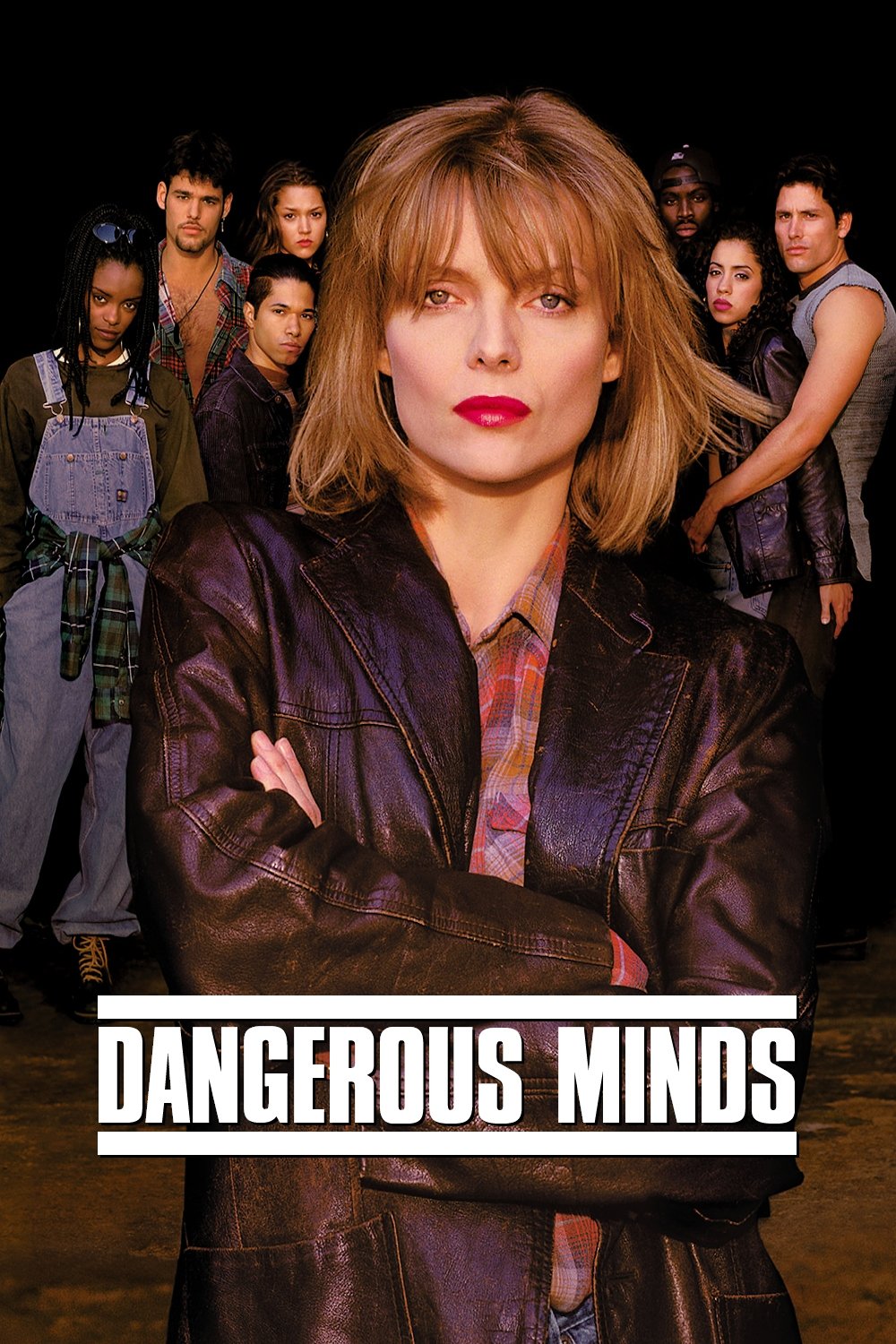
I remember the first time I watched “Dangerous Minds”—the headlights of a gritty, mid-90s America shone through every frame, demanding my attention. The film didn’t just drop onto the silver screen in 1995; it arrived in an age riddled with contradictions. On one hand, there was this underlying optimism ushered in by the new Clinton administration and a surging tech economy, which seemed to promise a fresh, modern future for the country. On the other hand, I felt surrounded by reports of escalating urban tensions, culture wars, and an uneasy national reckoning with the aftermath of the Reagan and Bush years. The violence in Los Angeles, the Rodney King trial, and the O.J. Simpson case echoed across news broadcasts, blending with the haunting refrain of hip-hop and countercultural angst emanating from my radio. It was an era that never let you forget that inequality, especially in urban America, remained a festering wound beneath the country’s veneer of upward mobility.
As I reflect on the mid-90s, I notice how pop culture was a battleground for identity, inclusion, and progress. Television and film began to juggle both the beautiful and the unbearable sides of American life. I think about other films from that period—“Boyz n the Hood,” “Malcolm X,” even “Clueless”—each capturing a fragment of the nation’s psyche. What stood out for me about “Dangerous Minds” was its willingness to spotlight the neglected corridors of an American high school in a working-class minority community. Its soundtrack, most memorably Coolio’s “Gangsta’s Paradise,” captured the edgy spirit of the time, swirling together a sense of doomed fatalism and challenged hope. America was beginning to grapple (almost reluctantly) with the divides it had long swept aside. “Dangerous Minds” is a time capsule for me, a window into a society learning to say the unsayable—sometimes awkwardly, sometimes melodramatically, but rarely without raw earnestness.
Cultural and Political Undercurrents
The world that “Dangerous Minds” inhabits is not just painted in black and white. I feel every brushstroke echo the social anxieties and contradictions of its era. By the time Michelle Pfeiffer’s character, LouAnne Johnson, walks through the halls of Parkmont High School, the American classroom had become a symbolic battlefield. Educational reform was a headline issue: cries for tougher standards, classroom discipline, and equitable funding filled newspapers. Yet, beneath all these policy debates, I sensed a profound struggle about what it means to reach children who had been left at the margins.
There was a reason I felt the story had so much weight. In the wake of the crack epidemic, urban schools, especially in minority neighborhoods, were depicted in national discourse as war zones rather than places for nurturing minds. Fear—of violence, drugs, “broken systems”—thickened every conversation. I remember news clips showing metal detectors at school entrances and heated PTA meetings about “at-risk youth.” The political right pushed for austerity and order, while progressive voices called for compassion and structural reform.
Watching “Dangerous Minds,” I couldn’t help but see the shadow of President Clinton’s “tough on crime” legislation and the proliferation of zero-tolerance policies in schools. Yet, at the very same time, the multiculturalism debate was finding its footing. People like me—interested in the ways society depicts its marginalized—noticed how these conversations often veered into the shallow, reducing young people of color to just their struggle. “Dangerous Minds” became enmeshed in these arguments, sometimes as a hopeful narrative about change, other times as an emblem of how white-led “rescue” stories dominated Hollywood’s imagination. The culture wars raged all around, and this film found itself in their crosshairs.
Much of the film’s emotional architecture, for me, hinges on its engagement with power—who has it, who defines it, and who gets to wield transformation. The 90s, especially before the 1996 welfare reform act, were a time of ideological contest over the causes and remedies of poverty. Growing up, I saw headlines pitting “personal responsibility” against “systemic failure.” “Dangerous Minds” walks a middle line—sometimes awkwardly—embodying a prevalent cultural wish that one committed teacher’s compassion might make up for generations of neglect. In this way, the film exposes the era’s deep uncertainty over how to fix systems while telling stories centered on the individual hero. The politics of hope and disillusionment that swirl through “Dangerous Minds” were everywhere in the air I breathed.
The Film as a Reflection of Its Time
The thing that strikes me, even after multiple viewings, is how “Dangerous Minds” explores that fractious intersection between good intentions and societal inertia. To me, the character of LouAnne Johnson stands as a cipher for the 90s American liberal—aware of injustice, eager to help, but not always prepared for the complexities of cross-cultural connection. When I see her initial shock at her students’ defiance, or her efforts to win them over with Dylan’s poetry and karate metaphors, I’m reminded of an entire generation of educators, social workers, and policymakers trying desperately to bridge divides that were as much about class as about race.
I find myself drawn to the tension between optimism and resignation that pervades the film’s tone. While the transformation of students offers a stirring sense of redemption and progress, there is no escaping the underlying systems’ inertia. The school bureaucracy, strained teachers, and indifferent administration are always lurking in the background—much like the broader societal forces that so often short-circuited reform efforts in the 90s. Watching Pfeiffer’s character struggle, I feel the weight of that era’s debates over whether true change could come from passionate individuals or whether only broader policy shifts could move the needle.
Another thing that stands out to me is how the film, perhaps unconsciously, bears the hallmarks of the “white savior” narrative—a trope that was especially prominent in 90s cinema. At the time, this storytelling impulse felt almost progressive, offering well-meaning audiences an accessible window into lives far different from their own. Seen with modern eyes, though, I can’t help but notice how the framing often turns the students’ challenges into stages for a protagonist’s growth, rather than portals into the students’ own agency, trauma, and triumph. Back then, I remember thinking the attempt at empathy was bold, but now I see how it could eclipse the nuanced realities of the marginalized youth it wanted to honor.
The film’s soundtrack, dripping with Coolio’s plaintive vocals and a heavy dose of R&B and hip-hop, roots the story in its era more than almost anything else. The mid-90s saw the mainstreaming of hip-hop as both a cultural force and a political commentary. For me, the use of “Gangsta’s Paradise” as the film’s emotional throughline not only lent authenticity but also flagged the industry’s fascination with the commodification of Black pain and resilience. It’s a reminder that even well-meaning projects of the time sometimes appropriated signifiers of struggle without fully engaging with their origins or meaning. I was—and remain—torn about how Hollywood interpreted and packaged these signals of inner-city struggle for wider consumption.
One thing I will always credit “Dangerous Minds” for is its embodiment of a genuine yearning for connection and reform. The film, for all its faults, wears its heart on its sleeve, echoing the 90s spirit of restless, frustrated optimism. It aspires to show love as a vehicle for transformation, and this—however imperfect in execution—captures a time when Americans were beginning to look their inequities in the face, hoping that care and commitment could rewrite decades of neglect.
Changing Perceptions Over Time
With the passage of decades, the way I see “Dangerous Minds” has shifted profoundly. When I was younger, the film’s earnestness and emotional crescendos hit hard. There’s something visceral about watching an outsider push against a broken system and light a candle of hope in a dark place. Yet, returning to the film with the benefit of hindsight and a more critical lens, I am much more aware of its failings alongside its virtues. The story’s courageous heart still beats, but its contours and approach now feel emblematic of an era whose language of reform is outpaced by today’s calls for structural justice.
The conversation around the “white savior” trope has matured significantly. In contemporary discourse, I see many—myself included—grappling with how stories like “Dangerous Minds” centralized the experiences of outsiders rather than elevating voices from within marginalized communities. Cultural critics, students, and teachers today are sharper about interrogating who tells these stories, what power dynamics are reinforced, and what stories remain untold. I feel a mix of nostalgia and disappointment as I watch the film now, recognizing both its heartfelt intent and the ways it missed more layered narratives.
Another shift I notice is society’s broader impatience with half-measures. Where the 90s clung to stories of personal courage triumphing over adversity, I sense that audiences today are more skeptical of “one good teacher” narratives. Recent media and scholarship have forcefully argued that no amount of individual heroism can substitute for systemic change. This shift in sensibility has, in my eyes, made works like “Dangerous Minds” both a historical artifact and a cautionary tale—valuable for what they reveal about their moment, but increasingly out of step with contemporary understandings of equity and empowerment.
Yet, the film’s depiction of despair and resilience still resonates. I am moved by the performances of the young actors—many drawn from backgrounds not unlike those of their characters. Their stories, even when filtered through the screenplay’s limitations, demand empathy. I appreciate how “Dangerous Minds” teases out the ways that trauma, aspiration, family loyalty, and resourcefulness coexist in environments too often reduced to stereotypes. Today, I find myself hungry for films that center these young people’s narratives as fully realized protagonists, rather than landscape for a reformer’s journey. “Dangerous Minds” gives us a beginning—a context for future directors and writers to push further, to get closer to the marrow of these complicated lives.
Historical Takeaway
If I close my eyes and think back on “Dangerous Minds,” I see a film that, for all its melodrama and contested politics, frozen a fragment of America’s heartache and hope in amber. As a historian, what I take away is less about the details of its plot than the emotional and political climate it crystallizes. It is a snapshot of a society wrestling with the limits of charity, the perils of neglect, and the seductions of the individual-as-savior myth. I am reminded of the urgency of the 1990s—how so many wanted quick fixes to wounds that were generations deep, believing that understanding and friendship could paper over legacies of division. The film’s legacy, to me, is a testament to the era’s hunger for connection, even when it fell short of true reckoning. It’s a time capsule that records both the promise and the peril of trying to “make a difference” without always grasping the roots of inequality.
In my personal reflection, “Dangerous Minds” functions not only as a movie, but as a litmus test for how far we have traveled—and how far remains. Watching it now, I feel gratitude for its earnestness and also a pressing sense of the need to listen deeper, to write new stories where those formerly relegated to the margins shape the arc of their own destinies. It teaches me about the 90s’ ambivalent idealism, its cautious hope, and the sometimes-blind spots that came with good intentions. To study the film is to study an America trying to recover its conscience, even as it stumbled through the dark.
To see how these real-world elements shaped the film’s impact, you may also explore its reception and legacy.
🎬 Check out today's best-selling movies on Amazon!
View Deals on Amazon