
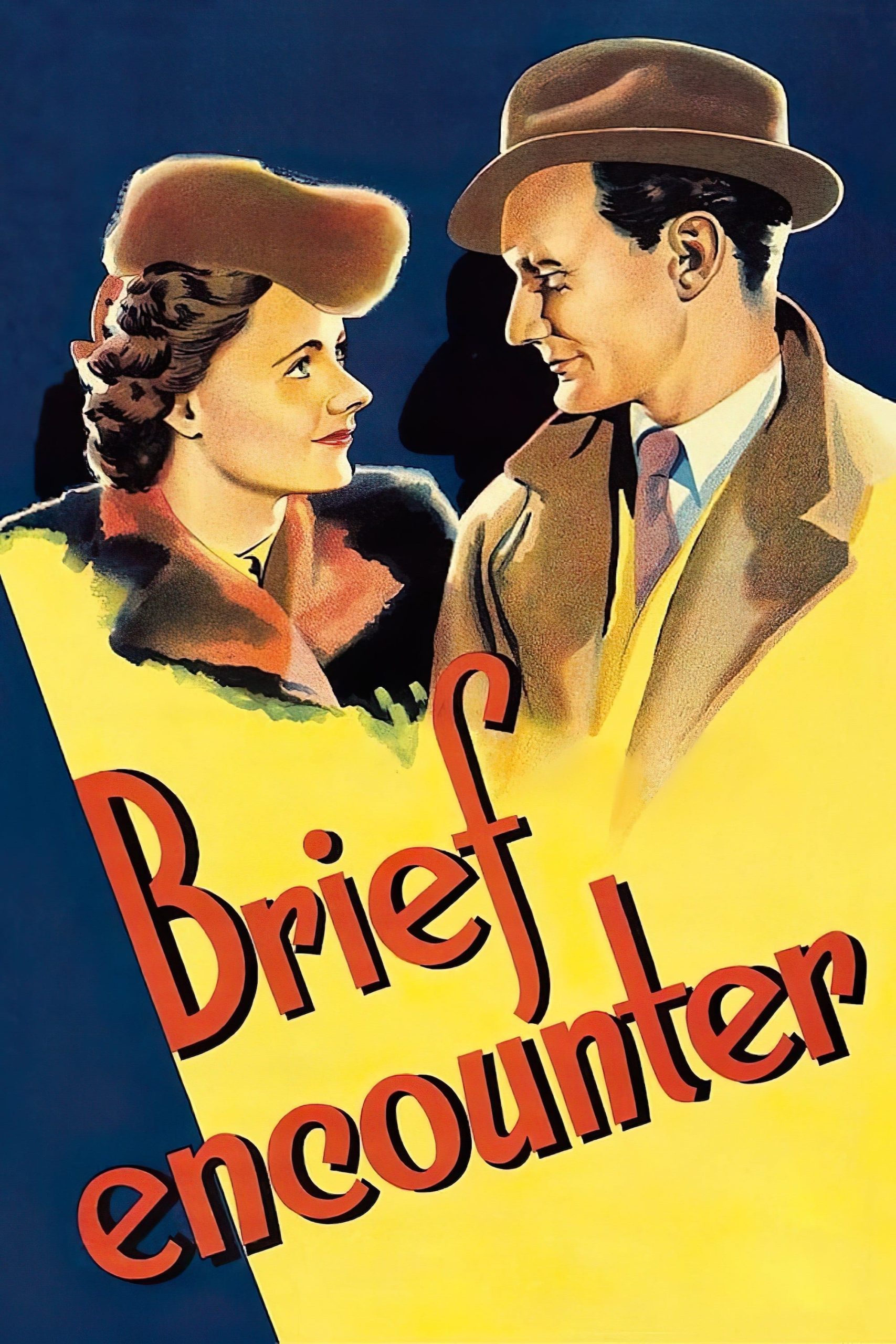
The Historical Landscape
When I first immersed myself in “Brief Encounter,” I felt like I’d slipped into a world on the cusp of immense change yet burdened with the invisible weight of the past. The year 1945 loomed large in my mind—Britain, battered and soul-weary, was just emerging from the Second World War. I imagine the blandness of ration books and the ache of bomb-scarred neighborhoods throbbing in the collective subconscious of the population. The film felt like it was stitched not only into the fabric of people’s coats but into the lining of their anxieties and hopes.
What struck me most was the sense of stillness in the midst of such upheaval. The war may have technically ended, but, as I see it, the uneasy calm captured in the film’s subdued train stations and quiet tea rooms spoke volumes about the national psyche. I could envision families listening to wireless bulletins, wondering about loved ones yet to return, or clutching at small pleasures—even mundane ones, like a cup of tea with a friend. Wartime Britain, as I understand it, was a land of waiting rooms: waiting for news, waiting for bread, waiting for ordinary joys to resume.
There’s something almost paradoxical at play here. On the one hand, I sense a craving for stability—a yearning to reclaim the rituals and routines that defined pre-war life. On the other, a silent recognition hovers that the old ways may never entirely return. When I gaze through the lens of history at the world that produced “Brief Encounter,” it’s uneven ground: old social hierarchies tremble, women’s roles have shifted, and the private sphere, once impermeable, is suddenly full of uncertainties. For me, this sets the stage for a film that’s less escapist and more an intimate portrait of emotional claustrophobia.
To me, the historical moment in which “Brief Encounter” surfaced was marked by a strange sort of dignity in quiet suffering. British society, weathered but proud, clung to restraint as a virtue. That’s the undercurrent I read in every clipped phrase and meaningful glance in the film. In those years, people’s lives seemed to hang suspended between mourning and the cautious promise of postwar rebirth—a tension I see woven into each frame.
Cultural and Political Undercurrents
Whenever I return to “Brief Encounter,” I’m reminded anew that no work of art is insulated from the pressures and expectations of its time. Viewing this film through my historian’s eye, I’m most absorbed by the unspoken codes of middle-class morality threaded through its every scene. Those invisible barriers to desire feel, to me, like the aftershocks of a society caught between tradition and the necessity of adaptation. Values like discretion, stoicism, and duty—they aren’t just set dressing; they form the very oxygen of the film’s emotional world.
There’s an inescapable air of repression that colors every exchange. As I see it, the emotional reserve so typical of the British middle class functions almost as a barricade against postwar chaos. It fascinates me that in an era when public images of fortitude were lionized, private passions were required to be systematically tamped down. The depiction of Laura’s inner tumult—her longing, her shame—feels less like melodrama and more like a faithful echo of how many would have experienced personal dilemmas at the time: with an overwhelming urge to prioritize family, reputation, and collective stability above individual happiness.
Politically, it’s impossible for me to watch “Brief Encounter” without thinking of the social contracts being renegotiated in those cautious months after victory in Europe. While the Labour Party swept into power with promises of a welfare state and national renewal, I’m struck by how little of that forward-looking spirit surfaces in the personal lives on screen. The film seems steeped in melancholy—a kind of conservatism that prefers the known pain of sacrifice to the risk of adventure. Perhaps that’s why the film endures for me; it’s not just about private love, but about public self-sacrifice, a theme made all the more poignant by its historical proximity to shared national trauma.
Gender dynamics, too, are impossible for me to ignore. Women like Laura, having filled vital roles during the war years, found themselves asked—or told—to retreat once more to the home. I find an ambiguous tension in the film’s treatment of Laura’s desires. While on the surface her yearning is portrayed as dangerous and destabilizing, there’s an undercurrent of empathy I sense from Lean’s direction. The war had forced open the doors to new kinds of independence, and there’s a wistfulness in the way that freedom is both yearned for and relinquished with exquisite pain. In that sense, I see the film as a kind of cultural thermometer: measuring not just romantic longings, but deeper uncertainties about where personal liberation might fit into a society determined to put itself back together.
The Film as a Reflection of Its Time
When I think about why “Brief Encounter” resonated with audiences in 1945, I suspect it has much to do with its emotional honesty. The film’s refusal to indulge in fantasy—its insistence on real, recognizable pain and yearning—feels utterly authentic to the era’s lived experience. To me, this is a world still shrouded in grief. The affair between Laura and Alec isn’t set against grand, Hollywood backdrops, but in the anonymous, transient spaces of postwar life: railway stations, drab cafés, disused waiting rooms. These are places filled, as I see it, with the echoes of interrupted journeys and half-spoken goodbyes, mirroring the spiritual condition of a nation suspended between what had been lost and what might yet be rebuilt.
Every time I rewatch the film, I’m struck anew by how the fleeting nature of Laura and Alec’s romance captures the urgent temporariness that characterized so much of wartime and postwar existence. As if, at any moment, the world they know might dissolve, and with it, their chance for something meaningful. I believe David Lean and Noël Coward were peerless in transforming that sense of impermanence into an aching metaphor for all the would-have-beens of that generation: the husbands and sons who never came home, the ambitions arrested by violence, the everyday lives put on indefinite pause.
Yet the most powerful reflection, for me, lies in the film’s treatment of moral ambivalence. Laura’s anguish over her emotional infidelity isn’t simply a melodramatic plot device; it’s a reverberation of a culture obsessed with propriety, even as the rationale for such strictures was starting to unravel. Watching her self-recrimination played out in internal monologues, I’m reminded that the end of war brought not just jubilation but new kinds of uncertainty and self-doubt. What does one do with urges for happiness in a world that has lionized sacrifice? This is the moral maze in which I watch Laura pace, over and over, the train platform embodying both a literal and figurative crossroads.
In the faces of other characters—Fred, Laura’s husband, for example—I catch glimpses of the stoicism and forgiveness that British culture prized, but also of the emotional gaps between people that wartime separations had widened. There’s no neat resolution, only a kind of resignation. For me, “Brief Encounter” becomes less about a love affair than about the cost of rebuilding emotional lives out of the fragments left by trauma. The film’s respect for silence, its acknowledgment of unspeakable longings, and its deep compassion for ordinary struggle all seem utterly of their moment, even as they transcend it.
Changing Perceptions Over Time
I find it fascinating how my own responses to “Brief Encounter” have shifted, tracking not only my evolving sensibilities but the broader drift of public opinion. When I read critiques written in the first flush of its release, I see an era that took its central dilemma—the price of suppressed desire—as self-evident. Respectability, fidelity, and emotional suppression were not just artistic choices, but qualities demanded—and often celebrated—by the world outside the cinema.
But as I move forward through decades, I sense that neither audiences nor critics can resist measuring the film against their own shifting values. During the social revolutions of the 1960s and 1970s, I imagine viewers finding the film’s hesitations and self-denials quaint, even frustratingly passive. There’s something poignant, even ironic, in realizing that what once felt wrenchingly universal—the sacrifice of private happiness to convention—could, in the space of a generation, appear as the pathology of an earlier time. I feel, at times, both judgment and empathy in the gaze of those later critics, as if trying to reconcile what the film asked of its audience with what new sensibilities allowed.
Closer to the present, I think “Brief Encounter” has become, for many (myself included), a kind of time capsule—an opportunity to observe the lost world of postwar Britain, but also a source of enduring insight. Contemporary viewers, accustomed as we are to confessional storytelling and overt romanticism, may initially be puzzled by the film’s refusal to grant catharsis or clarity. But, I’ve noticed, there is growing appreciation for the subtlety and integrity of its vision. The story’s heartbreak isn’t lessened by the absence of spectacle; if anything, its realism is magnified by the ordinariness of its settings and the almost suffocating politeness of its dialogue.
For me, the shift in perception is also about gender. Modern audiences bring to Laura’s plight a different awareness—one shaped by feminism and the persistent questioning of roles and taboos. What once might have seemed like a straightforward tale of temptation and renunciation now registers, to my mind, as something more complicated: a document of how women coped with the strictures of their day, and a reminder of gains made—and limits still faced—since then. There are even moments when I bristle at the choices denied to Laura, but I also honor the film for daring to show the cost of those denials without resorting to caricature or moralizing.
Ultimately, I think our evolving readings of “Brief Encounter” stem from our own ongoing negotiation with history and emotion. The very reticence that once defined its power now draws viewers who tire of easy answers and sentimental solutions. Perhaps, in a world awash with instant gratifications and confessional outpourings, the film’s carefully measured silences ring out all the louder. I, for one, find its restraint bracing—a challenge to look beneath the surface not only of its era, but of my own.
Historical Takeaway
What lingers with me after each encounter—brief or otherwise—with this film isn’t the melodrama of thwarted lovers, but the quiet heroism of its emotional truths. “Brief Encounter” teaches me that history happens not only in grand declarations or public commemorations, but in the unspectacular rhythms of daily life and private yearning. Watching Laura brush off cinders at a railway refreshment room, I’m struck by how much the epoch reveals itself in such moments: the enforced politeness, the submerged longing, the constant calculation of duty and desire.
The film, as I understand it, bears witness to a culture on the threshold, yearning for connection but fearful of disorder. Its celebration of sacrifice is both a monument to wartime stoicism and a subtle critique of the way that stoicism can calcify into isolation. It reminds me that the Britain of 1945 was determined to survive, yes, but also haunted by the things survival required: self-control, secrecy, and often, the denial of individual hopes for the sake of the collective good.
For all its period details—its fashions, its cigarette smoke, its antique telephones—“Brief Encounter” resists the neatness of nostalgia. In my eyes, it’s an honest reckoning with what it means to rebuild lives in the aftermath of upheaval, and how the burdens of the past seep into the texture of ordinary experience. The lessons it offers aren’t tidy, but they are enduring: that the most important struggles often take place far from the battlefield, in the realm of the heart; that history is made up of inner wars; and that the price of decency, as the film renders it, is often paid in silence and solitude.
To see how these real-world elements shaped the film’s impact, you may also explore its reception and legacy.
🎬 Check out today's best-selling movies on Amazon!
View Deals on Amazon