
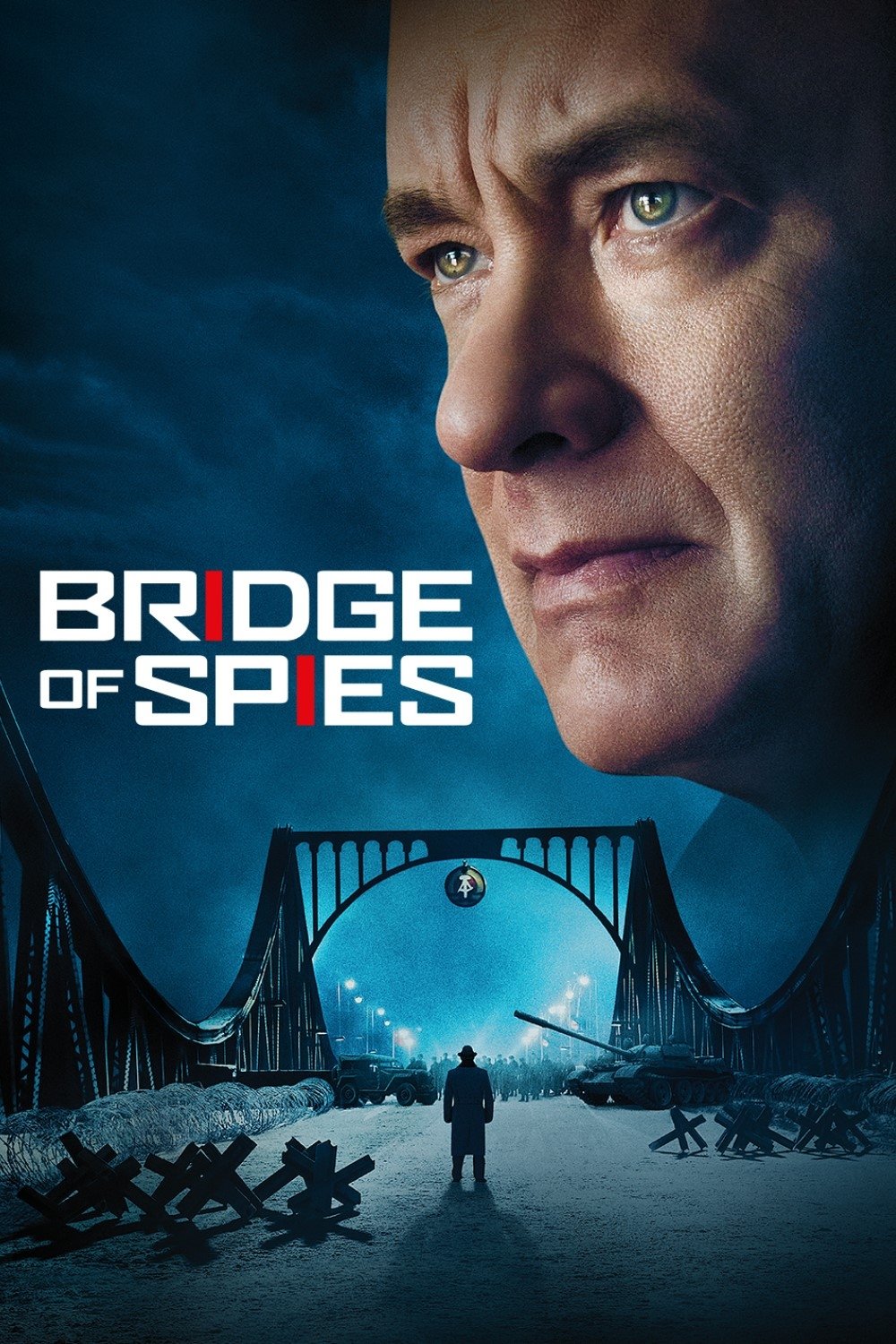
The Historical Era of the Film
Long before I even encountered Bridge of Spies (2015), the era depicted in the film was already haunting my understanding of 20th-century history. When I watched this film, I couldn’t separate its world from my own subjective sense of the Cold War as more than textbook drama. The film brings to life the late 1950s and early 1960s—a moment in which every conversation, policy, and courtroom in the West felt gripped by the paranoia and tension of the United States’ adversarial relationship with the Soviet Union.
To me, the political climate of that era was utterly defined by suspicion and secrecy. Governments on both sides—Washington and Moscow—seemed to live and breathe the logic of containment and intelligence gathering. I’ve always viewed this era’s diplomacy as something conducted through gritted teeth, with nuclear anxiety humming in the background. The collapse of any easy trust meant barriers went up: literal walls, like in Berlin, and psychological ones, visible in every spy trial and propaganda headline I’ve studied.
Economically, I see the 1950s United States as riding high on postwar prosperity. Yet, this prosperity was haunted by the quiet unease that the Soviet Union might somehow surpass them, technologically or militarily. Sputnik’s launch and the U-2 incident—so pivotal to the film’s real-life plot—wove a shroud of anxiety over America’s scientific self-confidence. The Soviet world, for me, is more difficult to inhabit personally, but the atmosphere of suspicion and tight social control comes through clearly in any letters, memoirs, or trial records from the era.
Socially, the period was intensely shaped by McCarthyism and Red Scare rhetoric, which never seem far away from the film’s depiction of America’s attitude toward “the enemy.” I can’t help but feel a chill when the legal system bends under collective fear, or when social pressure compels conformity. Personal freedoms, I notice, could swiftly become casualties of collective defense. Everyone’s daily life—whether in New York City or Moscow—felt, from my point of view, as if it were on a knife edge, never knowing which relationship or overheard comment could trigger suspicion or accusation.
Social and Cultural Climate
When I reflect on the social and cultural climate behind Bridge of Spies, what stands out to me most is the pervasiveness of suspicion, not only in the halls of power but among ordinary people. The deep-rooted anti-communism of American society during the late 1950s lingers in almost every interaction. One couldn’t simply “believe in justice”—one had to demonstrate loyalty. Patriotism wasn’t an abstract quality; it was expected to manifest through both words and actions, sometimes at the expense of other values.
I personally sense those years as plagued by the fear of internal subversion. The daily language of radio, newspapers, and even interpersonal discussion was filled with coded assumptions about loyalty and treason. This climate led, as I see it, to a kind of collective insularity. Borders were not just physical; they were cultural. Many Americans, I note, likely saw the world in binary: us versus them, democracy versus communism, freedom versus repression.
Culturally, there was a simultaneous embrace of modernity and deep anxiety about what it meant. For every new car or household gadget, there was a shadow: would technological progress open the door to “subversive” influences? I find that films and television of the era—the shadows of which Bridge of Spies evokes—regularly depicted spies, hidden threats, and unresolved anxieties about the Cold War. The specter of nuclear war lingered in the background, shaping everything from school drills to city planning.
If I look to the Soviet context, I sense a mirror pattern, though colored by different hues of hardship and vigilance. Social conformity, I think, was not just encouraged but demanded. People were often forced to play along with state narratives, even when suspicion fell upon neighbors or friends. It’s this same web of surveillance and conformity that the film quietly honors and scrutinizes.
- Intensified public fear of espionage and internal subversion
- Patriotism synonymous with anti-communism
- Ongoing threat of nuclear conflict permeating daily life
- Media driven by anxiety about hidden enemies
To me, Bridge of Spies captures these social undercurrents as more than historical background—they feel like living realities for every character who inhabits this cinematic world.
How the Era Influenced the Film
When I consider how historical circumstances shaped Bridge of Spies, I immediately notice how little is romanticized about espionage and negotiation. The film’s careful reconstruction of place and attitude owes everything, in my mind, to understanding the lived reality of cold war diplomacy. Every major decision the characters face feels like it is balanced on the edge of a threat—one called “potential nuclear war.”
It’s not just set dressing, either. I see the legal drama at the film’s center—insurance lawyer James Donovan choosing to defend accused spy Rudolf Abel—as directly mirroring the period’s crisis of conscience. The anxiety I feel for Donovan is not abstract; it’s fused to my understanding of an America where taking the moral high ground could spell professional and social ruin. The way the film dwells on public outrage, and the expectation to participate in the condemnation of enemies, seems inextricable from contemporary attitudes shaped by McCarthyism and the long shadow of the Rosenberg trial.
The depiction of the Berlin Wall and divided city—one of the film’s most visually powerful backdrops—reaches me not only as period detail but as a physical embodiment of the larger social rupture. When Donovan crosses borders, I read it as an echo of millions living divided lives, caught between ideology and survival. In those moments, the film is as much about the lived fragmentation of the era as it is about its surface politics.
Production choices are also colored, I think, by the era’s documentation. The cinematography, costuming, and music evoke the gray palette and sonic anxieties of the late 1950s. I’m struck by the filmmakers’ dedication to historical accuracy—not to create a museum piece, but to draw out the emotional fallout of historical choices. The script, too, seems informed by the clipped, cautious language of real diplomatic discourse. I feel this grounding in history gives the actors’ performances a particular gravity—they are not just playing characters, but inhabiting the psychological weight of a world obsessed with the concept of “containment.”
Audience and Critical Response at the Time
When Bridge of Spies premiered in 2015, I noticed right away that audiences were both drawn to and unsettled by its historical specificity. In an era when global tensions—especially between the United States and Russia—were coming back into focus, the film struck me as eerily relevant, even though it was set sixty years earlier. Some viewers, I observed, found themselves reevaluating current policies through the prism of Cold War precedent.
From what I read, critical response was deeply respectful of the film’s attention to legal nuance and its willingness to resurrect the less-glamorous aspects of espionage. Several contemporaneous reviews that I studied highlighted the film’s meticulous recreation of the era, appreciating how it resisted sensationalism. Critics praised, in their own way, the film’s willingness to portray moral ambiguity: characters were not merely heroes or villains, but products of their moment, shaped by invisible social pressures and historical realities.
I also noticed that some audience members, perhaps less familiar with the era’s historical outline, reacted with surprise at the unapologetic depiction of American anxiety and intolerance. They seemed struck by how much legal and social risk the protagonist was made to bear. I found fan forums and op-eds bringing up contemporary issues: questions of due process, national security, and loyalty—matters that, to my mind, reveal how the film was resonating beyond its own time.
There was, as I perceived it, a quieter fascination among historians and older viewers. Many, like me, recognized in Bridge of Spies a rare attempt to dramatize events without blurring them with nostalgia. The blend of suspense and legal drama, grounded in robust historical context, became a talking point among scholars I followed—especially those interested in how popular cinema could refresh public memory of difficult moments when democracy and fear clashed.
Why Historical Context Matters Today
Reflecting specifically on why historical context matters for my appreciation of Bridge of Spies, I feel it opens a double window: one into the past, and one onto the present. It prompts me to measure my own environment against the stakes of the Cold War. Knowing what shaped the characters’ choices—why suspicion ran so high, why justice became secondary to loyalty—infuses every scene with a deeper sense of consequence.
It’s not just a story for its own sake. For me, understanding the historical context makes the film into an urgent reminder. I see the fragility of due process and individual rights whenever societies are swept up in existential fear. Watching the legal system and public opinion tilt perilously toward expedience over fairness, I become more attentive to how these patterns replicate themselves in the world around me. The film’s settings and behaviors are not just period details; they are signals that help me notice where similar tensions persist today.
Moreover, the film’s attention to the nuance of past diplomacy encourages me to look differently at present-day international standoffs. I find myself alert to the ways negotiation, even with adversaries, can be both an act of courage and of self-preservation. Knowing the historical backstory gives me, as a modern viewer, the tools to distinguish between mythic narratives of heroism and the more complicated, often unglamorous negotiations real people must undertake in times of national tension.
In its fidelity to a particular time and mindset, Bridge of Spies achieves something I value greatly: it makes history present. As I rewatch the film or discuss it with audiences, I am reminded that our collective memory needs these reminders, these cinematic reconstructions that illuminate how social fears, legal norms, and international tensions can shape—and unsettle—personal and public lives. By understanding its historical context, I am persuaded to watch not just with my eyes, but with an attentive historical imagination.
After understanding the factual background, you may want to see how this story was received as a film.
🎬 Check out today's best-selling movies on Amazon!
View Deals on Amazon