
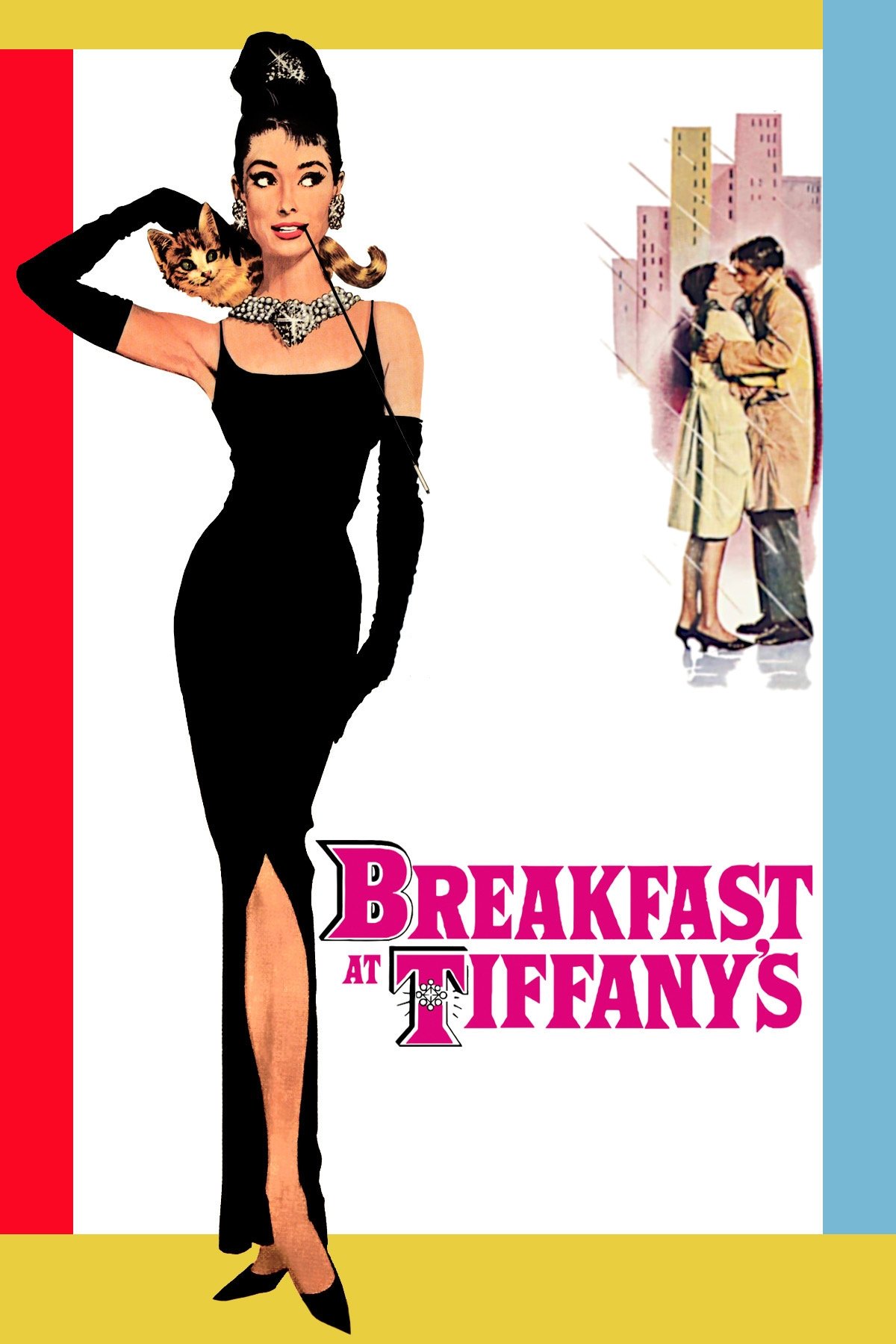
The Historical Era of the Film
I can still recall my first viewing of “Breakfast at Tiffany’s (1961)” and how it struck me as both quintessentially modern and yet clearly marked by its own era. It’s difficult for me to separate this film from the tumult and excitement of the United States in the early 1960s. When I look back on the production era, I am struck by the simultaneous sense of optimism and anxiety that pervaded American society at that time. The postwar economic boom was still exerting its influence, and many Americans were experiencing unprecedented prosperity. The nation’s cities flourished, and consumer culture was transforming urban life—yet, beneath the cheerful surface, political and social undercurrents were shifting dramatically.
I often consider how the political climate shaped the film’s polished world. The Cold War was at its height, and the Kennedy administration had just begun, bringing with it a vision of youthful energy and reform. There was real tension; Americans faced the threat of nuclear conflict, and at the same time, there was a growing sense that social norms were on the verge of being rewritten. Segregation, the Civil Rights Movement, and questions of gender and sexuality were emerging in public discourse in ways they hadn’t before, making the early 1960s a time of both promise and uncertainty. This was the social climate in which the film was conceived—a world eager for new freedoms but still clinging to conventions from the 1950s.
The economic conditions of this period also colored the film’s universe. New York City, always a character unto itself, was depicted as glamorous and exciting—a playground for those who could afford it, filled with glittering opportunities and sophisticated pleasures. Yet, as I interpret the world in which “Breakfast at Tiffany’s” was made, I see a society that both worshipped material success and felt some unease about the changes rapidly approaching. There’s a tension between stability and upheaval that lingers behind every shimmering scene.
Social and Cultural Climate
For me, the social climate of “Breakfast at Tiffany’s” is inseparable from the prevailing attitudes and norms of early 1960s America. Although the film appears light and stylish, I see it as a lens through which anxieties about sexuality, independence, and social mobility are refracted. Audrey Hepburn’s Holly Golightly arrived at a moment when women’s roles were beginning to change, albeit slowly. The decade prior had witnessed the containment of women in domestic roles, but by 1961, I sense that the seeds of the women’s liberation movement were already germinating. Hollywood, always in step with contemporaneous values, cast Hepburn as a curious blend of the old-fashioned ingénue and the newly liberated city woman.
Urban culture, especially in New York, was at the forefront of a move toward modernity. I am fascinated by how the cosmopolitan setting—partly the real, partly the imagined Manhattan—mirrored and magnified the aspirations and restlessness of young people in the early ’60s. The rise of mass media, changes in fashion, jazz music, and the influence of European art and culture all played a part in shaping the film’s tone and style. Social class, too, haunted the film’s shadow: Holly conjures for me a striving, shape-shifting modern woman willing to reinvent herself, even as the city’s glitz hides a grittier reality.
What always stands out when I consider the social attitudes of the time is the blend of open-mindedness and subtle conservatism. While the film flirts with topics like casual romance and unconventional lifestyles, it remains hemmed in by the production codes of its day. Issues such as race, gender, and sexual orientation were treated gingerly, if acknowledged at all, and the film’s depiction of certain characters and relationships reflects both the freedoms and the limitations of its cultural moment. These social tensions, alive and unresolved in 1961, shimmer beneath the elegant surface.
- Postwar prosperity and rising consumerism
- Emergence of youth culture and questioning of traditional roles
- Early rumblings of social change and civil rights activism
How the Era Influenced the Film
When I examine how historical circumstances shaped “Breakfast at Tiffany’s,” I am always struck by the ways in which the film both embodied and evaded the realities of its age. Its storyline, characters, and very production speak volumes about the contradictions at play in 1961. Holly Golightly could only have come from an era fascinated by reinvention and ambiguity—she is a product of a time when the idea of personal freedom was both alluring and vaguely perilous. Her lifestyle, at once independent and precarious, captures something of the era’s ambivalence about women stepping outside traditional roles.
For me, the influence of the era is especially obvious in the film’s approach to morality and identity. The Hollywood Production Code—those infamous rules restricting the depiction of sexuality, criminality, and other “immoral” behaviors—still held sway, influencing the adaptation of Truman Capote’s original novella. I always remember that the film softened or altered many elements that would have been too contentious for mainstream audiences. The result is a curious compromise: the story hints at bohemian lifestyles and blurred identities but must round their edges to fit a mainstream mold defined by censorship and public sensibilities.
What also fascinates me is how the film’s aesthetic is stamped with its historical moment. The set and costume design, the music, and even the dialogue all seem to me a deliberate capturing of a certain vision of chic urbanity. This was the dawn of the “jet-set” era—those cosmopolitans who seemed able to float between continents and cultures—and I see that aspiration in the film’s characters and design. The influence of international cinema and fashion, particularly from Paris and Rome, contributed to the film’s sleek, sophisticated gloss. It is as if the filmmakers wanted to project an American version of sophistication while remaining thoroughly palatable for domestic audiences.
I see, too, how the film’s casting and characterizations were shaped by the limits of social acceptance. The notorious portrayal of Mr. Yunioshi by Mickey Rooney starkly reveals the era’s blind spots regarding race and representation. This isn’t just a relic of midcentury Hollywood; it is a painful reminder of how mainstream American films frequently caricatured minority characters to fit a narrow, often prejudiced idea of society. These choices were products of their time, for better or worse, and they tell me as much about what 1961 accepted or overlooked as they do about the filmmakers’ intentions.
Audience and Critical Response at the Time
From my perspective as a historian, few films from the early ’60s seemed to captivate audiences as “Breakfast at Tiffany’s” did. Initial reactions were heavily influenced by the novelty of the film’s style, the allure of Audrey Hepburn’s star power, and the unmistakable aura of urban chic. Many filmgoers, as I understand, saw the movie as an invitation into a world of glamour and possibility at a time when real-world America was rapidly changing. The production era’s optimism and energy resonated with viewers who, like Holly Golightly herself, yearned for adventure and transformation.
Critically, the film received a mixture of praise and cautious criticism. I often note contemporary reviews describing Hepburn’s performance as both captivating and unconventional—she seemed to herald a new kind of female lead, neither domestic nor wholly rebellious. Some critics admired the film’s playful spirit and craftsmanship, particularly the now-iconic theme “Moon River,” composed by Henry Mancini. Others, though, expressed concern about the film’s deviations from Capote’s more ambiguous novella, hinting at the tensions between artistic ambition and the constraints of commercial filmmaking.
Looking into the social climate, I realize that some elements—particularly the depiction of Asian American characters—generated little contemporary controversy, though they would later become focal points for criticism. This says a great deal, to me, about what mainstream audiences were prepared to notice or question in 1961. The film’s romantic, escapist appeal proved irresistible for many: “Breakfast at Tiffany’s” quickly became a hallmark of sophisticated entertainment, shaping tastes and expectations for many years to come.
Why Historical Context Matters Today
Whenever I revisit “Breakfast at Tiffany’s,” I am reminded how understanding the historical context of a film like this deepens my appreciation immeasurably. It’s not enough for me to simply enjoy its visuals or performances; what gives the movie meaning is my awareness of the world into which it was born. By situating the film within the social and political climate of the early 1960s, I am constantly aware of the constraints and possibilities that shaped every creative decision. The demands of the Production Code, the limitations of mainstream taste, and the influence of global trends are all visible if I look closely.
I find that historical awareness lets me recognize both the film’s achievements and its shortcomings. Understanding the economic optimism that fueled its urbane dreamscape makes the film’s atmosphere of sophistication all the more poignant, especially knowing the turbulence that would soon disrupt American society. When I watch Audrey Hepburn’s Holly Golightly, I see not only a character but an embodiment of a society yearning for reinvention and uncertain about the future. The film’s omissions and failures—its blind spots about race and gender—also make more sense to me within their historical frame, even as I wish for something more forward-thinking in retrospect.
Most of all, looking through the lens of historical context transforms “Breakfast at Tiffany’s” from a simple product of studio glamour into a vital artifact of American cultural history. It becomes, to my eyes, not just a romantic comedy but a snapshot—flawed, dazzling, revealing—of an era in transition. By engaging with the film as a document of its time, I situate myself in the long conversation between past and present, using its images and stories to better understand the aspirations and anxieties of generations before my own.
After understanding the factual background, you may want to see how this story was received as a film.
🎬 Check out today's best-selling movies on Amazon!
View Deals on Amazon