
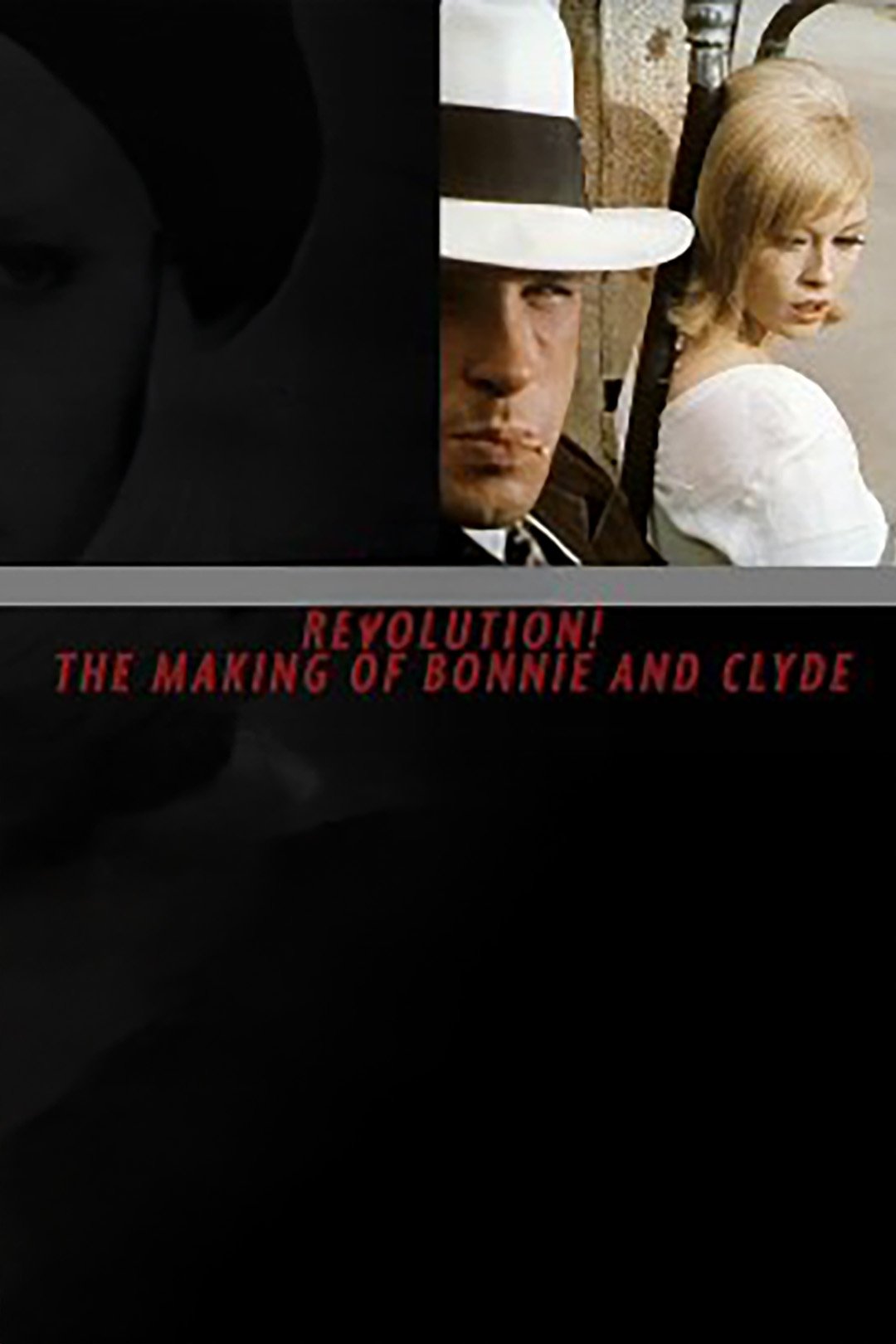
The Historical Era of the Film
Whenever I watch Bonnie and Clyde (1967), I’m almost immediately struck by how alive the film feels with the energy of its time. I can’t help but see traces of the late 1960s—an America shaped by profound transformation and uncertainty—simmering in every frame. The political landscape, as I understand it, was volatile: the decade was defined by the ongoing Vietnam War, the heated Civil Rights struggle, and a general distrust toward authority. There was a sense of both disillusionment and possibility, especially among young people, who were rejecting established norms at a scale that hadn’t been witnessed before. Those headlines and newscasts, which must have filled the airwaves as the film was shot and released, still echo for me in the film’s anarchic spirit.
The American economy in this period was a fascinating contradiction. On one hand, there was relative affluence left over from the postwar boom, especially among the white middle class. On the other hand, inflation was creeping up, and economic anxieties—particularly around employment and social mobility—were real and rising. When I view the film through the lens of its 1967 premiere, those anxieties resonate beneath the surface. In many ways, the America that produced this film was questioning the very underpinnings of its own self-image.
Socially, the country was in ferment. The assassinations of Martin Luther King Jr. and Robert Kennedy would come barely a year later, but even by 1967, the tone of public discourse was tense, angry, and revolutionary. Traditional values were openly challenged, and the generational divide felt seismic. Against this backdrop, I see the film not only as a period piece about the 1930s but as a living artifact produced on a cultural fault line. It’s impossible for me to separate Clyde Barrow and Bonnie Parker from the sea of change enveloping the late-1960s United States.
- Widespread disillusionment with authority
- Escalating social movements: Civil Rights and antiwar protests
- Economic uncertainty despite surface prosperity
- Deepening generational tensions
Social and Cultural Climate
When I reflect on the social and cultural climate that shaped the film, I see a country in the midst of radical change. What stands out most in my mind is the presence of counterculture—that powerful drive among youth to reject the values of their parents and instead search for authenticity, personal freedom, and a new kind of justice. Rock ‘n’ roll, the sexual revolution, and antiwar activism filled the air, and films were starting to break from formula, daring to show violence, sexuality, and disobedience with a new frankness.
I find it impossible not to connect the rebelliousness in “Bonnie and Clyde” to the spirit of the time. In my view, the United States in 1967 was obsessed with questioning received truths, and people—especially young people—were experimenting with everything from politics to personal relationships. There was a kind of excitement and danger in the air. Television was suddenly broadcasting the Vietnam War’s images into American homes, while college campuses were erupting in protest. The film is, for me, both a reflection and critique of society’s shifting values. It asks: who are the real outlaws?
The breakdown of taboos in art and cinema during the 1960s also shapes how I view the movie. The older Production Code was giving way to the New Hollywood sensibility, one that challenged the traditional boundaries of content and form. Themes like alienation, violence, and revolt became not only permissible but culturally resonant. As I watch, I’m constantly reminded of how these shifting values find expression in Bonnie and Clyde’s choices, but also in how the film presents their story: romantic, tragic, and surprisingly raw.
How the Era Influenced the Film
I have always been fascinated by how the production era influenced nearly every aspect of Bonnie and Clyde—from its script to its aesthetic and even down to the way it handled violence. To me, the feature is inseparable from the spirit of the New Hollywood movement. Directors and screenwriters of this era, seeking autonomy from the major studios, dared to challenge old formulas and look for new ways of telling stories. I see in the film a direct response to the rules that had previously stifled creative expression.
What’s most intriguing to me is the contrast between the film’s subject—the iconic Depression-era criminals—and its distinctly 1960s sensibility. It’s as though director Arthur Penn and the writers are using the story of Bonnie and Clyde as a vessel for modern anxieties and desires. By showcasing their rebellion, the film participates in the broader conversation of its era about individuality, alienation, and the legitimacy of authority. I notice that the violence is depicted with an urgency and realism that feels bold, even shocking, for its time. This frankness is, I believe, a response to both the television images of war and domestic upheaval that saturated American life during the film’s creation.
Even the casting, with fresh faces like Warren Beatty and Faye Dunaway, signals to me a break with tradition. Their style, attitude, and magnetic charisma channel the era’s fascination with youth and anti-establishment heroes. I sense that the film’s unique blend of glamour and grit, humor and brutality, is a direct echo of the cultural contradictions of the late 1960s. In telling a story set in the Great Depression but filtered through the anxieties of its own production era, the movie acquires a timeless edge—speaking to both the decade it depicts and the moment it was made.
Audience and Critical Response at the Time
I find the initial reactions to Bonnie and Clyde to be as dramatic and layered as the film itself. When the film premiered, some critics were deeply unsettled by its style and content. I’m always struck by how differently audiences responded compared to the older critical establishment. For some, especially those steeped in the values of the 1940s and 1950s, the film seemed almost obscene. The graphic depiction of violence and the romanticization of criminals departed sharply from what many believed cinema should be. I can easily imagine the shock and discomfort that ran through traditional circles.
Yet for younger viewers, particularly those who connected with the spirit of rebellion, the film was electrifying. I’ve heard from many who saw the movie in theaters that it felt like a manifesto—an exhilarating challenge to both cinematic convention and social authority. This divergence in reception fascinates me: one group scandalized, an entire generation energized. I’ve read historical accounts showing that the film quickly built a passionate following among students and young intellectuals, who saw in it an aesthetic and moral kinship with the wider antiestablishment spirit of their lives.
Some critics initially condemned the film, calling it irresponsible or excessively violent. Yet others quickly saw its innovation and power. As the months passed, Bonnie and Clyde’s reputation soared. Effusive reviews—hailing the film as groundbreaking—emerged, and the film became a rallying point in the emerging New Hollywood canon. For me, that mixed response underscores how powerfully the film captured the anxieties and desires of its moment.
Why Historical Context Matters Today
The more I revisit Bonnie and Clyde as a film historian, the more convinced I become that its historical context is essential for a full appreciation. When I watch the film today, knowing the social climate and dynamics of 1967, I find new layers of meaning with every viewing. The choices the filmmakers made—how they depicted authority, romance, or violence—come into sharper focus when I recall the turbulence of their era. The story becomes, not just a tale about outlaws, but a profoundly personal reflection of social conflict and cultural change.
Understanding this context allows me to escape the temptation to view the film in isolation, as a simple product of its genre. I see instead how it was shaped by the currents of its time: the rise of youth culture, the collapse of the old Production Code, and the ongoing social struggles that defined a generation. Watching the film in light of its own creation helps me appreciate both its innovations and controversies. It lets me see how the movie played an active role in challenging and redefining cinematic storytelling itself.
When sharing my experience of the film with others, I always emphasize how valuable historical context is—not just for historical films, but for any story that aims to say something about the world. For me, Bonnie and Clyde doesn’t just reflect the 1930s. It stands as a pulsing, unruly artifact of the late 1960s: restless, unafraid, and hungry for change. I can’t help but see its legacy in the countless films that followed—works that continued to embrace risk, complexity, and authenticity. These qualities, born from the era of the film’s production, remain just as vital, and just as revolutionary, today.
After understanding the factual background, you may want to see how this story was received as a film.
🎬 Check out today's best-selling movies on Amazon!
View Deals on Amazon