
The Historical Landscape
I remember sitting in the dark of a small, packed theater in late 2010, unexpectedly shaken by the feverish spell of “Black Swan.” That visceral night is etched in my memory as a perfect encapsulation of an era when uncertainty felt contagious, as if it seeped through the silver screen. The world outside was no less frenzied. In 2010, the aftershocks of the 2008 financial crisis still reverberated through society: people spoke in hushed tones about layoffs, whispered about the vanishing middle-class security, and reflexively tightened their belts.
I recall the popular mood felt brittle. News cycles swirled with anxieties over economic collapse and a sense of personal instability. There was a distinct sense of fragility—both systems and individuals were balancing on the edge. Culturally, I experienced what seemed like a fixation with perfectionism and personal branding, with social media newly ascendant; Facebook was blossoming, Twitter had gone mainstream, and people were beginning to live publicly in a way I’d never seen before. At the same time, obsession and burnout percolated in conversations about work and artistry. The pursuit of excellence felt simultaneously expected and crushing.
When “Black Swan” premiered at the close of this tumultuous decade, I was struck by how aptly its atmosphere of paranoia and pressure reflected a historical juncture obsessed with the cost of relentless striving. The art world wasn’t alone in this self-scrutiny. In so many corners of the West, the recalibration following the recession bred a certain collective anxiety about scarcity, vulnerability, and the consequences of chasing impossible ideals. Watching the film made me feel how those tensions were not abstract—they were embodied, lived, and, as in protagonist Nina’s case, sometimes lethal.
Cultural and Political Undercurrents
When I analyze “Black Swan” through the lens of its historical moment, I can’t ignore the deep anxieties running under the surface of American life. For me, the late 2000s and early 2010s felt defined by a gnawing insecurity that touched everything—our jobs, self-worth, and place in a society undergoing seismic changes. It always seemed that the drive for self-improvement, or “optimization,” had begun to devour itself. This film’s horror is not just psychological but social, writhing with the expectation to project flawlessness in an age clinging to tiny slivers of stability.
As I think about the prominence of reality TV and celebrity culture at the time, I recall feeling as though there was nowhere to hide from scrutiny—external or internal. “Black Swan” feels like a mirror to the era’s growing obsession with performance and image. The film’s focus on the demands placed upon women specifically struck me as particularly sharp during a time when “lean in” feminism was entering the mainstream corporate conversation, often at the expense of mental well-being. Nina’s journey is haunted by an impossible task: embodying both innocence and eroticism, discipline and abandon, all while sacrificing physical and emotional health. To me, it feels like a metaphor for what was being asked of women in so many aspects of modern life.
There’s also an undercurrent of institutional exploitation that hit a nerve with me when I saw the film. The ballet company, with its predatory director and willingness to discard anyone who falters, felt to me like a synecdoche for how institutions were treating people at the time—valuing results above humanity. This mirrored the cold calculations of corporations and banks during the recession, where devotion was extracted until the breaking point, and failure was a personal, not systemic, flaw. The movie’s intimate terror resonated with a world where boundaries were eroding—between public and private, ambition and self-destruction, work and identity.
The Film as a Reflection of Its Time
What strikes me most about “Black Swan” is how it embodies the psychological landscape of a world intoxicated by pressure and perfection. As I watch Nina unravel, I see the narrative as a fever dream conjured by a period obsessed with control even as reality grows slippery. In my view, the film’s hallucinatory style—its quicksilver blurring of fantasy and reality—felt like an artistic response to the unstable, post-recession world many of us inhabited. It’s as if the boundaries between what is real and imagined, what is authentic and performed, collapsed both onscreen and off.
I find myself drawn to how “Black Swan” confronts the cost of impossible standards. In the early 2010s, mental health discourse had not exploded in the way it would a few years later. To me, the film’s unflinching portrait of anxiety, self-harm, and paranoia—experienced in silence and dismissed by authority figures—spoke volumes. It anticipated a coming wave of awareness, yet at the time, felt painfully rare in its honesty. Watching Nina’s mother hover over her, blending care with suffocation, I recognized an era’s struggle: protective structures morphing into sources of distress, love into the demand for more and better until it hurts.
On another level, I reflect on how “Black Swan” feels suffused with the language and pace of internet culture: the film’s narrative fractures, the self-surveillance, the doubling and splitting of identity. I see allusions to a society struggling to manage life lived under the gaze—of employers, family, online strangers, the inner critic. A decade before, the “work/life balance” was a catchphrase; by 2010, it had become a cruel joke. The protagonist’s collapse seems less like a personal tragedy, more a cultural symptom: devotion and self-destruction became indistinguishable at the altar of achievement, a dynamic I feel was reaching apotheosis in this historical moment.
Finally, there’s what I see as the film’s unmistakable echo chamber of creative industries themselves. The movie’s portrait of the ballet world—competitive, insular, and quietly abusive—spoke back to the entertainment world’s treatment of performers, especially young women. When I watched the film, I sensed an unspoken reproof: is this the cost of brilliance? Are we willing to fetishize collapse in the name of beauty? In retrospect, I see this as an unruly precursor to the broader reckoning that was to erupt with the #MeToo movement years later, when the intimate abuses of gatekeepers and systems would no longer be dismissed as “the price of doing business.” “Black Swan” anticipated that anger, if not yet its solutions.
Changing Perceptions Over Time
Looking back now, I realize my own experience of “Black Swan” has shifted. When it first arrived, its blend of heightened melodrama and horror struck me as almost too much, an exaggeration of real anxieties. Yet as the decade wore on, I began to see how much it had captured a turning point in how society talks about vulnerability, ambition, and the limits of endurance. After 2017, as the #MeToo movement swept across the arts and countless other sectors, I returned to the film with new eyes. I couldn’t help but hear its subtext—stories of manipulation and control in creative spaces—which once seemed hyperbolic but now felt devastatingly real.
In the years that followed, I noticed how the film’s handling of mental health came in for both praise and criticism. When I first watched Nina’s breakdown, a part of me wondered if audiences were prepared to grapple with the realities of psychological distress depicted so rawly onscreen. It wasn’t long before conversations about anxiety, trauma, and breakdown entered the mainstream with far greater nuance. For some, “Black Swan” has come to stand as an almost prescient warning about the dangers of internalizing impossible ideals, while others now critique it for romanticizing suffering or failing to fully contextualize its protagonist’s pain. I understand both perspectives, and find myself revisiting my own reaction: does the film illuminate or exploit?
What I find enduring, however, is the way the film’s central metaphors have taken on new meanings as culture has continued to change. With the ever-growing sophistication of digital identity—filters, curated personas, the performance of everyday life—the doubling and distortion that haunt Nina seem only more relevant with time. Where once I saw a drama about the specific world of ballet, I now see a film reflecting the collective fragmentation of self. If anything, I think “Black Swan” has revealed itself as a document not just of early 2010s anxieties, but an ongoing struggle to delineate who we are behind the roles we are pressured to play, both by ourselves and by society at large.
As newer generations discover the film, I observe them reading it less as a tragic tale of individual collapse and more as a parable about the corrosive forces unleashed by certain institutions and ideals. For some younger viewers, Nina’s experience feels less like unhinged melodrama and more like a relatable experience of burnout, gaslighting, and the impossibility of ever being “enough.” For critics and creators accustomed to rapid cycles of cultural production and self-documentation, the film’s blend of horror and artistry remains uncomfortably resonant. Context is everything, and “Black Swan”’s context keeps evolving.
Historical Takeaway
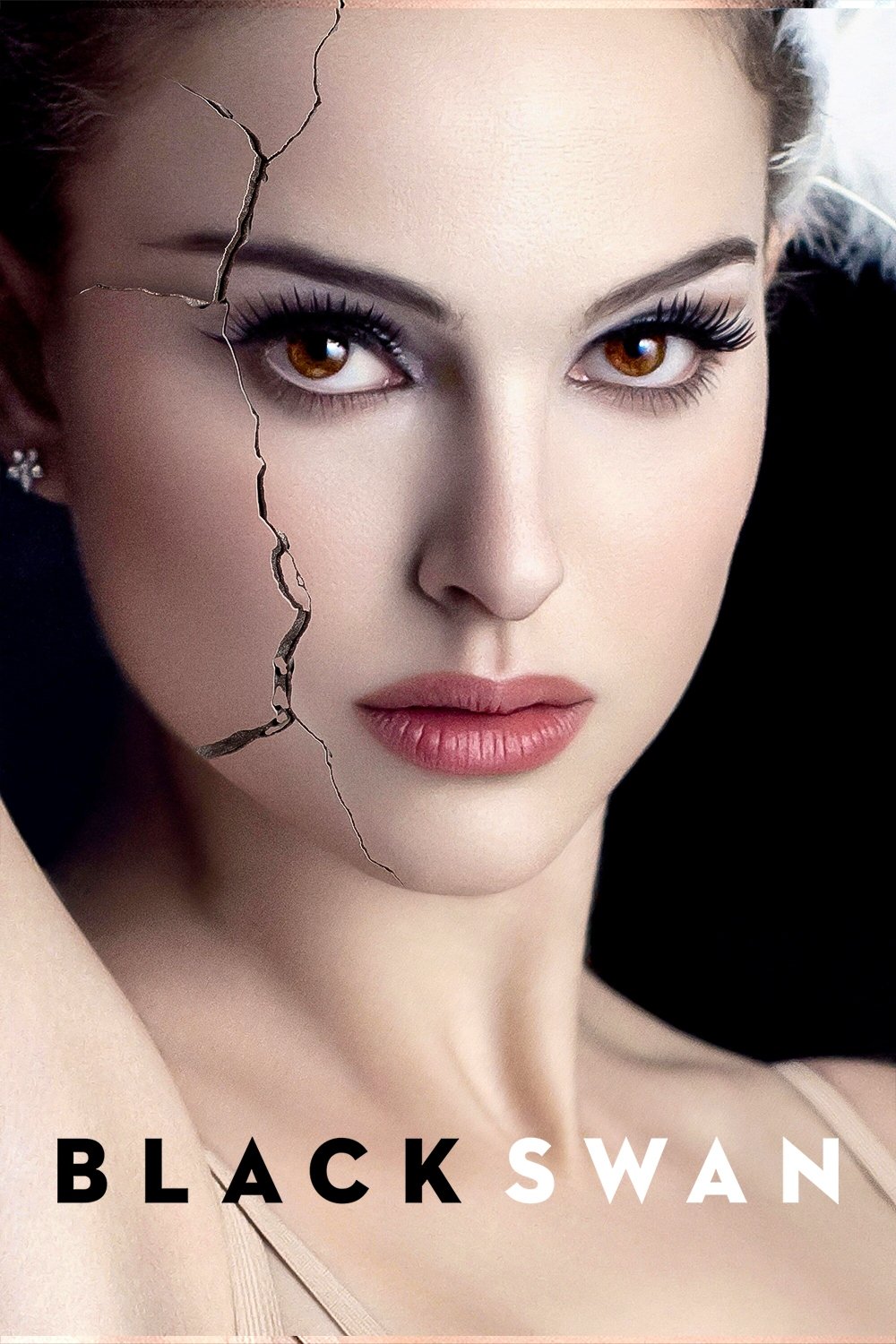
Over the years, I find “Black Swan” speaking to me not so much as a cautionary tale, but as an artifact—one that holds up a cracked mirror to the particular malaise of its time. When I contemplate what the film reveals about the era of its making, I see a portrait haunted by ambition gone awry, a world infatuated with the perfect image yet terrified of the chaos beneath. The anxieties around exposure, performance, and mental unravelling that saturate the film are the very themes that saturated the lives of many in 2010.
What I take away, after repeated viewings and years of reflection, is how “Black Swan” reveals the costs of an era that prized perfection over presence, appearance over authenticity. It crystallizes the toll of living through years when the pressure to outperform—to “shine” in ever-higher resolution—grew so intense as to feel almost inescapable. The film’s fever and its heartbreak, for me, are the residue of historical conditions: economic insecurity, shifting gender roles, and the relentless pressure to optimize one’s self for public consumption.
I see “Black Swan” as symptomatic of its period—a film that blurs beauty and agony, creation and destruction, in a way that is not accidental but deeply rooted in the tensions of early 21st-century life. It makes me contemplate how the drive to excel can breed both transcendence and collapse. In that way, it stands as a testament to the double-edged promise of an era obsessed with what lies just beyond perfection, and what happens when we claw our way to its precipice. It is a ghost story for an age afraid of its own reflection.
To see how these real-world elements shaped the film’s impact, you may also explore its reception and legacy.
🎬 Check out today's best-selling movies on Amazon!
View Deals on Amazon