
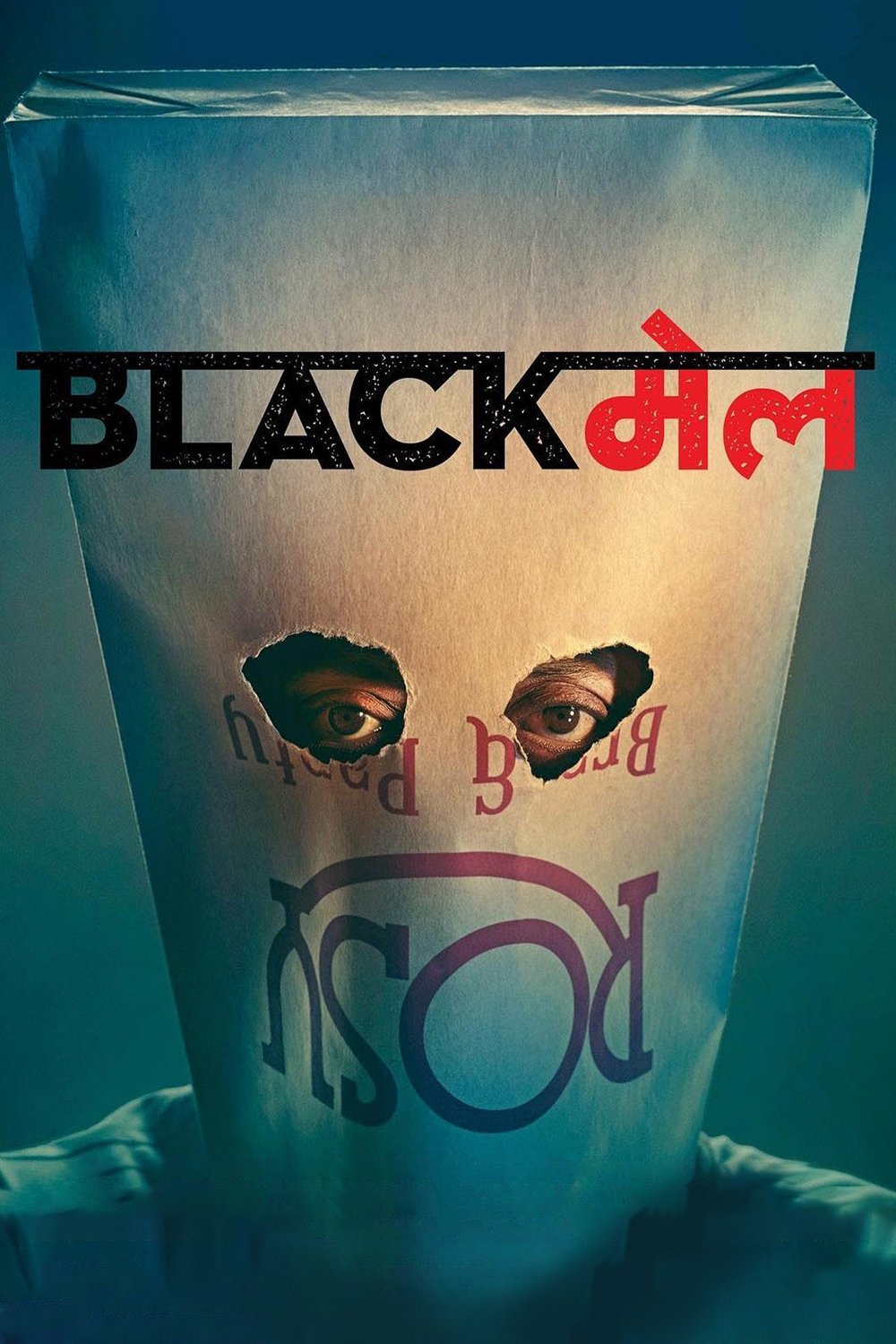
The Historical Era of the Film
Whenever I sit with Blackmail (1929), I can’t help but be pulled into the unpredictable tides of late 1920s Britain. For me, the film is utterly entangled with the anxieties and aspirations of its own historical moment. Britain was reeling from the aftermath of World War I, its population shaped by deep losses and the economic turbulence that came in peacetime’s wake. The Roaring Twenties captured lightheartedness elsewhere, but I sense a far more complicated mood hovering over London in 1929. Despite some newfound energy in popular culture, unemployment rates were unsettlingly high, working-class struggles dominated headlines, and political authority seemed shaky.
That period is one I always connect to the formation of the Labour Party government, which, by 1929, was gaining real momentum—though still encountering fierce class divisions. I see Blackmail as emerging from a Britain marching towards its own modern identity but frequently stumbling on the growing pains of change. Technological advances felt astonishing: the film industry itself was in the throes of transformation, and radio, along with the spread of telephones, was changing how people communicated and consumed news. Social conversations about women’s expanding public roles and city life’s anonymity echo through the time’s literature, art, and, of course, film.
The unsteady optimism characterizing these years sets the backdrop for Blackmail’s production. The Wall Street Crash of October 1929, which began in the US but had reverberations for European markets, shadowed the closing months of the film’s release window, already infusing a sense of economic precariousness. Watching Blackmail, I’m reminded at every turn how tightly bound it is to the cultural shifts and political unrest right at the close of a tumultuous decade.
Social and Cultural Climate
Reflecting on Blackmail and its era, I always return to the powerful undercurrents shaping British society in 1929. Traditional norms were under assault, and new freedoms—particularly for women—were taking root. I pick up on the complex interplay between respectability and transgression that I sense was alive in contemporary urban life. The visibility of the “New Woman,” keenly discussed in the media at the time, signaled loosening strictures on female autonomy. Yet, there was pushback; anxieties about moral decay and crime, especially in rapidly urbanizing London, shaped conversation and the arts.
Technological changes feel omnipresent to me when considering this film’s context. The leap from silent movies to the talkies was not just a shift for technicians; it was a genuine social event, a topic at dinner tables and in newspapers. I imagine the excitement and skepticism mixing among British cinema-goers, bracing for a world in which sound altered the very fabric of storytelling.
Crime, urban anonymity, and shifting values—these themes weren’t abstractions for the film’s audience. They manifested in daily headlines about sexual politics, blackmail cases, and corruption. In the art I’ve studied, especially cinema, there’s a palpable sense of fascination with—and fear of—modernity’s shadowy corners. It’s this charged social climate, with its cocktail of innovation and unease, that I feel Blackmail channels so arrestingly.
- The technological transition from silent to sound cinema
- Debates about women’s independence and roles in public life
- Rising urban crime and anxieties over societal modernization
How the Era Influenced the Film
For me, the influence of historical circumstances over Blackmail isn’t merely visible; it pulses through nearly every scene. The anxieties and enthusiasms of late-1920s Britain impart the film with a nervous, restless energy. I’m struck most by how the leap into sound technology shaped the film’s production. Blackmail is often discussed as the country’s first successful British talkie, and that leap was risky. Studios rushed to adapt, uncertain about public taste but eager to ride the wave of innovation, which in turn dictated the style, acting performances, and even narrative pacing.
What I notice most is how the story’s tension draws vitality from real-life shifts in social dynamics. The depiction of a young woman navigating city life taps into the era’s transformation in gender relations. Sexual assault, blackmail, and the threat of public scandal—these weren’t simply plot devices but fears both sensationalized and sincerely felt by contemporary audiences grappling with loosening Victorian mores. When I reflect on the police presence and reliance on new investigative “scientific” methods in the film, I see echoes of ongoing institutional modernization and public debates about the reach and ethics of law enforcement.
Even the film’s portrayal of London is saturated with the period’s swirling chaos. I’ve always interpreted its settings—the claustrophobic flat, the lively streets, the shadowy corners—as expressions of urban life’s newfound opportunities and dangers. The risk and promise of big-city anonymity shaped both the film’s narrative logic and its audience’s collective psyche. From set design to dialogue, and each technical experiment, the era’s influence feels inseparable from the finished product. Blackmail, for me, is as much the story of Britain’s own transformation as it is a suspenseful crime drama.
Audience and Critical Response at the Time
Thinking about the first viewers of Blackmail always fills me with a sense of time travel. The debut of sound in British film was nothing short of revolutionary, and I imagine the curiosity and skepticism that must have electrified opening night. The critical reaction, from what I’ve studied in newspapers and film periodicals, could hardly avoid marveling at the audacity of using synchronized sound so prominently. Some critics heralded the film as a triumph of British cinema’s new age, while others noted the awkwardness of performances as actors and technicians adapted to this groundbreaking shift.
What stands out to me is the thrill audiences clearly felt at the spectacle of hearing English spoken naturally on screen. The murder mystery, already popular, took on an added charge. I sense a pride in seeing a homegrown production compete with the technological bravura of Hollywood, and that nationalistic boost surely flavored the public response. Still, familiar anxieties surfaced in early reviews: some decried the film’s frankness in tackling blackmail and sexual violence, judging it provocative for the times.
Conversations I’ve had with older cinephiles or read from memoirs describe the film’s atmospheric tension as both mesmerizing and unsettling. Audiences, newly sensitive to the power of the spoken word, reportedly left the cinema buzzing about the infamous “knife” sequence—a real testament to how technical advances shaped emotional impact. For me, these snapshots of response highlight how keenly a film can reflect and disrupt the social consciousness of its own day.
Why Historical Context Matters Today
Whenever I return to Blackmail, I’m always struck by how much richer the experience becomes once I immerse myself in its historical context. Knowing just how tumultuous, inventive, and uncertain the late 1920s really were for Britain lets me see details I might otherwise miss. What now looks to us like melodrama or period specificity was, in fact, the real currency of contemporary anxieties and hopes—the stuff of everyday headlines and dinner-table debate. Appreciating the shock and anticipation produced by the arrival of the talkie, for instance, makes the film’s technical experiments feel profoundly daring rather than archaic.
I find it impossible to separate the film’s engagement with crime, gender, and urban life from the genuine social tensions of its era. That awareness not only deepens my appreciation but also reminds me that films are never isolated texts. They are windows, sometimes distorted and sometimes clear, into the living world and heated conversations of their creation. Blackmail becomes more than a thrilling story—it’s a document of a society negotiating new relationships with technology, morality, and itself.
For anyone watching Blackmail today, the echoes of its era offer a bridge back to a world in flux. It’s this connection—to both the cracks and the innovations of history—that makes the film resonate across generations. I genuinely believe that the more we excavate its historical influences, the better we comprehend not only what audiences once saw and heard but also the courage it took to make such a leap into cinematic modernity.
After understanding the factual background, you may want to see how this story was received as a film.
🎬 Check out today's best-selling movies on Amazon!
View Deals on Amazon