
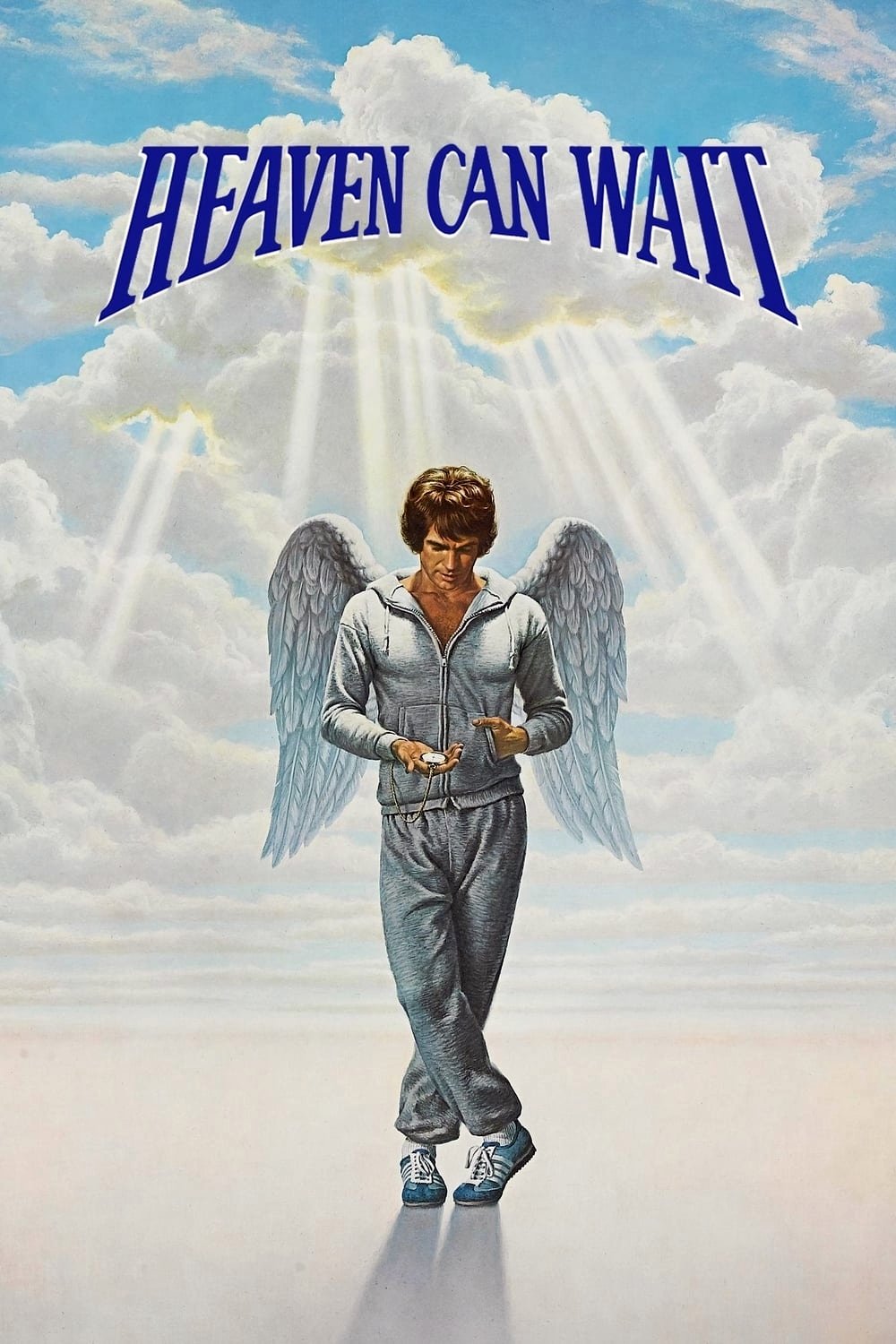
The Historical Era of the Film
When I first approached Heaven Can Wait (1943), I felt immediately transported into the early 1940s, a juncture when the world seemed precariously balanced between hope and uncertainty. The United States had entered World War II only a year and a half before this film’s release, and I find this context impossible to ignore when considering its significance. The political climate was dominated by the necessities and urgencies of a global conflict, with millions of American families upended by enlistments, war production, and the constant presence of casualty reports. For someone viewing the film with historical consciousness, it’s striking how the war dictated nearly every aspect of daily American life, including what people watched and how they found respite from the world outside.
This was a time defined by both economic hardship and rapid transformation. In the years immediately following the Depression, the American economy shifted into intense wartime production, and I’ve often thought about how, paradoxically, this lifted many households from poverty even as it instilled new forms of anxiety. Rationing, labor shortages, and the migration of women into the workforce were not merely background noise—they were the very air the audience breathed. The Motion Picture industry, centralized in Hollywood, was itself subject to rationed film stock, reduced budgets, and the conservative cultural pressures of the Office of War Information, introducing stricter oversight over content.
On a social level, I see the production era as striving to maintain normalcy and even a sense of nostalgia amid rapid change. People clung to traditions, perhaps more than ever, while at the same time adapting to new roles within their families and society. Studio executives, aware of this, frequently chose to emphasize stories that reflected either an idealized vision of the past or a comforting exaggeration of present values.
For me, Heaven Can Wait emerges as a product of a world caught between collective hardship and communal optimism, with its creators embodying the dual desire to look backward for reassurance and forward for affirmation.
Social and Cultural Climate
As I dig deeper into the social climate giving rise to the film, I see a nation wrestling with profound demographic and psychological shifting. Wartime America in 1943 was characterized by a sense of shared sacrifice but also a simmering undercurrent of anxiety. The popular culture of the day was inundated with messages of unity, patriotism, and the so-called American way—values that the film industry was both reflecting and reinforcing. I notice how the content of films became subtly more conservative, more protective of established values, as a direct response to what many perceived as threats to normative life.
What stands out to me is the elevation of family and generational continuity in this cultural moment, which “Heaven Can Wait” mirrors with its focus on personal legacy and family dynamics. The strength of traditional gender roles was reaffirmed publicly, even as the necessity of women entering the workforce was challenging those very norms. The home front was promoted as a moral bulwark against the chaos abroad; films, in turn, emphasized stability, tradition, and the comforts of intimate domestic circles.
Class distinctiveness, too, shaped public attitudes. Despite the democratizing effects of shared sacrifice, the vestiges of early twentieth-century class consciousness persisted, and I see the film’s depiction of old money, social climbing, and intergenerational privilege as deeply resonant with audiences at the time. There was nostalgia about the pre-war courtship rituals and manners of a bygone era—periods when the rhythms of daily life seemed less fraught. I often consider how this nostalgia was both a coping mechanism and an implicit promise that the world Americans knew would survive the war.
The culture industry, under the watchful eye of the Production Code Administration, was also cautious, steering clear of controversial or demoralizing themes. There was little patience for cynicism; instead, studios prioritized films exuding hope, reconciliation, and the importance of familial and romantic bonds. The result, I think, is an entertainment landscape that valued reassurance and continuity, values that “Heaven Can Wait” places at its core.
- Global uncertainty due to World War II shaped family and gender roles.
- Nostalgia for pre-war society influenced audience tastes.
- Cultural emphasis on patriotism and unity steered filmmaking priorities.
Whether through period settings, gentle humor, or idealized romance, I see these films attempting—sometimes desperately—to maintain morale by invoking both old certainties and the hope of lasting peace.
How the Era Influenced the Film
Trying to unravel how this particular era influenced “Heaven Can Wait,” I’m struck by the ways historical circumstances leech into every corner of its production and narrative sensibility. The story, which traces a life spent in pursuit of pleasure and meaning, carries a distinct undertone of nostalgia that I find inseparable from the broader wartime longing for stability and normalcy. When imagining the filmmakers’ motivations, I see an intent to offer viewers reassurance: that human foibles, family conflict, and lost loves can all be folded into a larger arc of redemption and belonging.
The film’s gentle humor and elegant presentation stand in marked contrast to the chaos of the period. The lavish attention to period detail, the arch dialogue, and the slow inexorable march through decades appeal to a yearning for time’s passage to be orderly and meaningful. This appeal felt sharply relevant when so many people were facing personal loss and unpredictable futures. I interpret this reverence for the past not as escapism alone, but as a subtle assertion that the core values of decency, tradition, and forgiveness persist even in crisis.
On a technical level, the restrictions of wartime production—whether rationed celluloid or censorship pressure—shaped everything from set design to story pacing. I’m aware that this could force creativity: costumes and sets had to imply affluence and nostalgia without excessive new expense, while scripts needed to pass muster with wartime censors emphasizing propriety and morale. “Heaven Can Wait,” with its focus on the continuity of generations and celebration of the American way of life, seems tailored to these constraints.
Character dynamics, too, are subtly marked by the era. The film’s attitudes toward marriage, fidelity, and social class reflect the contradictions of 1940s America. While women were entering public life in new ways, the story ultimately affirms the centrality of the nuclear family and romantic loyalty. I notice that the depiction of privilege and genteel living nods toward the waning influence of old-money families caught between tradition and modern uncertainty, a theme that would have resonated with contemporary viewers.
For me, the steady tone of gentle reassurance, the respect for propriety, and the emphasis on family bonds all stand as testament to how a fractious and threatening era could be soothed, at least in the darkened sanctuary of the cinema.
Audience and Critical Response at the Time
When I leaf through period reviews and fan magazines, I see a portrait of an audience eager to embrace something gentle and familiar. Wartime taste was, by necessity, deeply conservative; people wanted affirmation that the world they knew could survive the tumult. “Heaven Can Wait” was received as a beautifully produced, witty, and moving work. Critics admired its grace, its subtle humor, and especially its lush Technicolor—a rarity in a period when film stock was often scarce and prioritized for military training reels.
There was a kind of hunger for escapism that I find unique to the wartime years. Audiences filled theaters to escape not only the literal news of casualties, but also the strain of rationing, waiting, and separation from loved ones. “Heaven Can Wait” offered a gentle balm, its period settings and narrative sweep transporting viewers into a past that, for all its complications, seemed ordered and ultimately forgiving.
From what I’ve read, the critical consensus was almost unanimous in its praise of Ernst Lubitsch’s direction—his so-called “Lubitsch touch” was considered the gold standard for sophisticated comedy. The public, meanwhile, embraced both the film’s humor and restraint. The fact that it could evoke laughter and sentimentality without the threat of scandal or impropriety made it especially welcome among adults who, like me, might have been seeking reassurance amid their daily challenges.
In conversations with historians and in archived letters to studios, I repeatedly encounter a deep appreciation for the film’s balance of elegance and emotional substance. For those living through the traumas of war, the film’s nostalgia was not only a comfort but a subtle affirmation that their own memories of better days—and hopes for the future—were legitimate.
After understanding the factual background, you may want to see how this story was received as a film.
Why Historical Context Matters Today
Every time I revisit “Heaven Can Wait,” the shadow of its historical context falls over it in ways I find essential to my appreciation of the film. Watching it without an awareness of wartime 1943 can make its gentle irony seem slight or its nostalgia cloying; but when viewed through the lens of wartime pressures, rationing, and the nervous energy of a society living on edge, the film’s choices become both brave and deeply human.
For me, understanding the pressures of wartime America transforms the film from a simple period comedy into a gesture of collective reassurance. What might seem on the surface to be a light romantic farce is, in fact, suffused with longing for stability and belief in enduring values—sentiments that mattered powerfully to its first audiences. Whenever I reflect on why this context matters, it is because the film is both a reflection and an argument: a reflection of its audience’s hopes and fears, and an argument for the ability of tradition and love to withstand upheaval.
Today’s viewer faces a dramatically different social order, but I notice echoes of the same anxieties about change, the same anxieties about what will survive disruption. By understanding the film’s context, I gain richer insight into my own responses—whether I feel comforted, skeptical, or moved. Historical context opens the door to empathy: I can see not only what the film presents, but why it mattered, why it endures, and why audiences then and now respond to its blend of humor and nostalgia.
Examining the social and historical lineage of “Heaven Can Wait,” I am reminded of the importance of films not just as entertainment, but as repositories of collective memory and hope. Learning about the world for which it was made helps me to see not just the details of costumes or dialogue, but the deeper currents of belief, anxiety, and reassurance beneath its polished surface.
Ultimately, I find that no appreciation of the film is complete without an understanding of the era that gave birth to it. The values it promotes, the style it perfects, and the purposes it serves all drew life from a historical moment that continues to matter for me—and for anyone seeking to understand the role of cinema as both art and artifact.
🎬 Check out today's best-selling movies on Amazon!
View Deals on Amazon