
The Historical Landscape
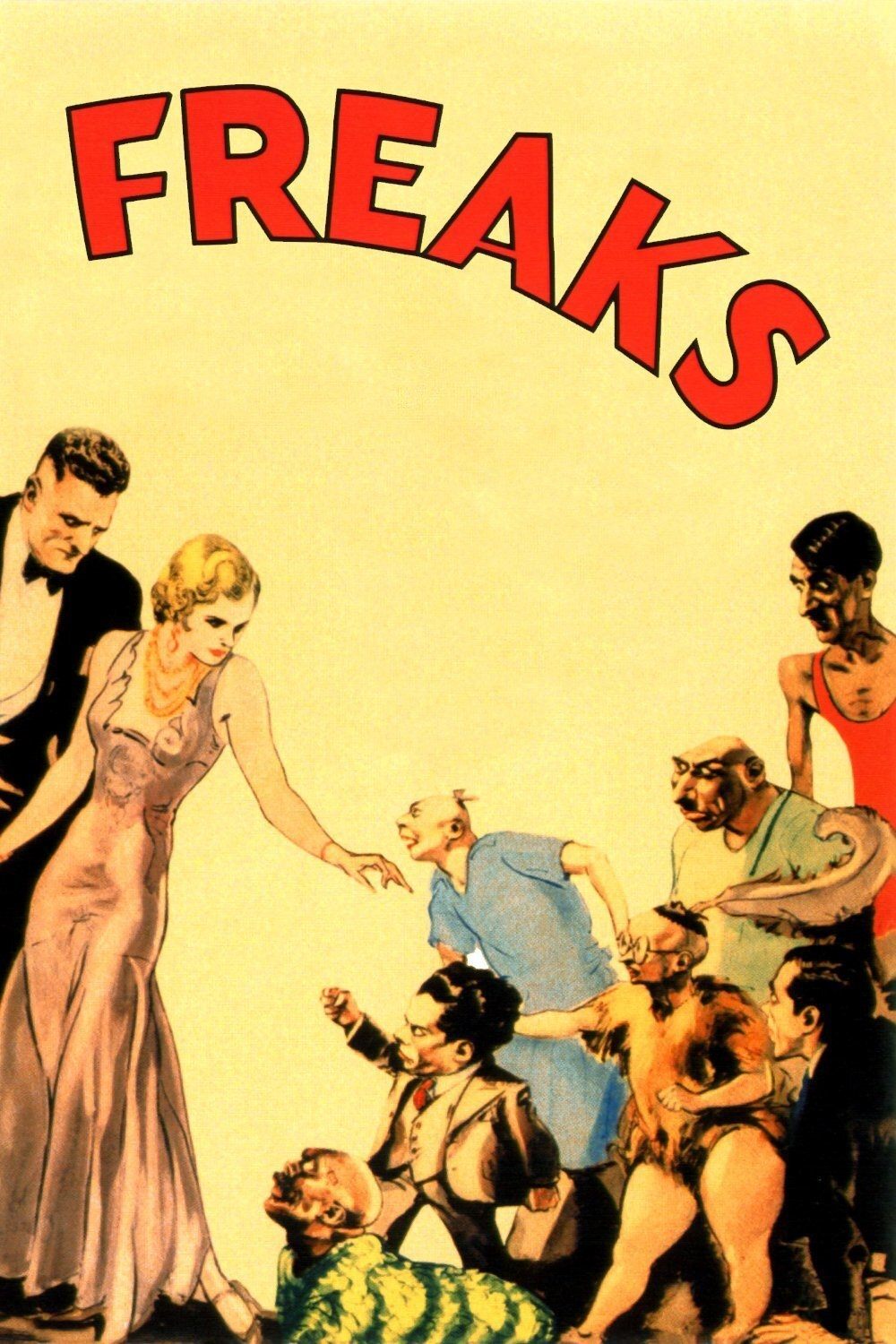
Even after all the years I’ve spent sifting through film reels and scrutinizing the shifting lines between art and exploitation, “Freaks” startles me. My initial encounter with this 1932 film—shrouded in controversy, still haunted by whispers—felt less like the straightforward relic of a bygone Hollywood and more like a time capsule from a world teetering on the edge of crisis and change. I find myself transported to the early 1930s, where the Great Depression’s shadow fell long and deep. Bread lines, shuttered banks, and uneasy crowds on city streets were as common as the thrill-seeking throngs who flocked to the circus for escape. That uneasy duality—at once seeking escape and witnessing harsh truths—defines the landscape into which “Freaks” was released.
The film’s origins smack right up against the waning years of pre-Code Hollywood: a moment, as I see it, marked by desperation and daring. Studios scrambled for audiences with subjects that cut close to the bone—things deemed too raw for comfort once the censors clamped down. As unemployment soared, I can almost feel the undercurrent of anxiety bleeding into creative risks. Extravagance and spectacle in cinema, especially the grand worlds of MGM, masked a society looking anxiously toward survival. Yet what strikes me again and again about “Freaks” is that it doesn’t merely mirror the surface shimmer of the time; it digs into the anxieties just beneath—those social fears the circus itself seemed both to exploit and to soften.
Reflecting on these years, I see a nation fascinated with difference—yet also terrified by it. The sideshow was more than mere entertainment. To Depression-era audiences, it was a microcosm of hopes and struggles, bodies and lives thrown together in uneasy proximity. I sense that the precariousness of the American dream, and the fragility of visibility, hover at the edge of every frame. It remains remarkable to me how a film so rooted in its era could nonetheless anticipate questions that would echo through decades: about normalcy, acceptance, and the blurry line between spectacle and humanity.
Cultural and Political Undercurrents
Whenever I revisit “Freaks,” I’m reminded that every piece of cinema is a product not just of its studio but of the world roiling outside theater doors. In the early 1930s, the United States found itself in a pitched battle over identity, class, and survival. There was a hunger for stability, but also a relentless churn of instability underneath the nation’s façade. Against this backdrop, I see “Freaks” as an impossible provocation—a film daring to parade those who were, in polite society, shunned and hidden.
What continually draws me back to “Freaks” as a historical object is the way it embodies the anxieties wrought by economic collapse. I feel the fissures of class unease in every interaction, as the film’s “normals”—embodied by Cleopatra and Hercules—plot cruelly against those they consider beneath them. The circus, idealized as a realm of fantasy, becomes in my eyes a powder keg of exclusion and revenge. The sociopolitical edge here cuts deep: a commentary, conscious or not, on how societies scapegoat those who don’t fit, especially in times of turbulence.
I also can’t help but note how attitudes toward bodily difference, disability, and otherness were encoded in the politics of the era. The eugenics movement loomed large in the social fabric of the 1920s and ’30s; I find myself chilled by the knowledge that, even as “Freaks” cast actual sideshow performers, the prevailing mainstream rhetoric leaned toward segregation and sterilization for the disabled. Hollywood’s recent obsession with “uplifting” narratives only heightens the shock of Tod Browning’s insistence on showing people as they were—no sympathy or sensationalism, just, as I see it, a mirror held up to the prejudices around him.
What emerges most powerfully, though, is the film’s uneasy manipulation of sympathy and revulsion. In certain moments, I’m forced to reckon with how “Freaks” appears both to challenge and reinforce stigma—hinting, perhaps unconsciously, at the deep ambivalence in America about those it deemed “other.” Under each scene, I sense the tension between the possibility of community and the threat of exclusion, between voyeuristic curiosity and genuine human connection. I can’t think of another film that makes me feel so directly how culture and politics pulse, often painfully, beneath the surface of entertainment.
The Film as a Reflection of Its Time
Every time I return to “Freaks”, I am struck by its remarkable candor—its refusal to sanitize or romanticize. To me, the film is not interested in sentimentality; rather, it insists on showing the inseparable mingling of cruelty and tenderness. It’s both a product of the Depression, with its ragged alliances and betrayals, and an indictment of the era’s own need for scapegoats. I never feel allowed to rest comfortably; Browning thrusts me into alliances with those on the margins while reminding me, almost brutally, of the costs of exclusion.
What stands out for me is how “Freaks” serves as a snapshot of the tensions boiling in its own sociocultural pot. The reliance on real sideshow performers, for example, marks a rupture with Hollywood’s typical artifice. I think about how unnatural, even dangerous, this realism must have seemed in a time already wracked with fears over instability. Instead of offering a polished, escapist fantasy—something the audiences of the time might have craved—Browning returned them to a world where the line between spectacle and exploitation was ruthlessly blurred.
I can read the film as a meditation on otherness and loyalty, but more often, I see it as a fierce reaction to the era’s shifting ideas of normalcy and community. The infamous “One of us!” chant doesn’t just echo through the circus tent; it reverberates through the wider culture’s anxieties about who belongs and who does not. There is no small irony in the fact that the film’s real villains—those who feign normalcy—are the ones ultimately destroyed by their own rigid boundaries.
In so many scenes, I recognize the underlying historical tension between the search for community and the impulse for exclusion. This, to my mind, is characteristic of the broader American mood in the early 1930s. As poverty and forced migration scattered families and upended old social structures, the idea of “us versus them” gained frightening traction. “Freaks” doesn’t provide simple comfort; it exposes the ways fear festers when economic and social hardship disrupt the connective tissue of society. The film’s cruelty feels, every time I watch it, like a direct reflection of the everyday anxieties Americans lived with: the fear of being discarded, the terror of bodily failure, the helplessness in the face of forces beyond one’s control.
At the same time, I’m struck by how radical the film’s representation of disabled bodies is, particularly for a Hollywood production of that vintage. The camera lingers on difference without the usual veil of horror or parade of pity. I often wonder whether the world of “Freaks” was meant to unsettle more than just its audience’s sense of decorum; I read it as a direct confrontation with the shame and fear society projected onto those who were different. The result is an ambivalence that only sharpens the film’s historical significance—it is at once a painful relic of its prejudices and a daring proto-humanistic statement.
Changing Perceptions Over Time
For decades, “Freaks” existed as a kind of forbidden text—a film locked away, censored, and in many cases, spoken of only in hushed tones. My own understanding of its impact has changed as I’ve tracked its reception over time. In 1932, its depiction of sideshow performers, without the filter of metaphor or illusion, shocked and offended many viewers and critics. It was quickly withdrawn, relegated to a mixture of legend and obscurity. I imagine audiences, accustomed to being titillated by the oddities of the carnival, recoiling now that the gaze was reversed—no longer just looking at the ‘freaks,’ but forced to see themselves reflected in the cruelty on display.
When I reflect on later generations rediscovering the film, especially during the countercultural ferment of the 1960s and beyond, I notice a remarkable reversal. What was once an object of revulsion becomes, in many quarters, a cult classic—a badge of honor among those seeking to challenge mainstream norms and to reclaim the notion of outsider community. I’ve seen critics begin to argue that “Freaks” offers not an exploitation of difference, but a radical plea for inclusivity. Its once-controversial realism is, in different hands, reinterpreted as a precursor to later disability activism, challenging the audience to look beyond the surface and confront the true monsters: bigotry, betrayal, and social exclusion.
Over the years, I have been continually fascinated by how perspectives on “Freaks” shift with changing attitudes toward disability, body autonomy, and cinematic representation. Every new wave of analysis seems to find something fresh—or troubling—in the film’s contradictions. Some critics have gone so far as to claim the film exploits its performers; others argue that it gives them rare dignity and agency on screen. My own view keeps evolving, always informed by the struggles for visibility and justice that echo through every frame. I see “Freaks” as a mirror, sometimes warped, of our era’s best and worst impulses toward those we deem different.
Whenever I watch the film in front of contemporary audiences, I sense that it has become something more than a curiosity from the past. For some, it now stands as a unique document of lived experience—one that both reveals and indicts the prejudices of not just the 1930s, but our own times. Each new context, whether disability studies or gender politics or the politics of spectacle itself, invites another look, another reckoning. In that way, I view “Freaks” as a living document—its meaning constantly renegotiated in light of the cultural battles waged long after its original release.
Historical Takeaway
So what, after a lifetime of study and engagement, do I really take from “Freaks” about its turbulent era? To me, it is a film that crackles with the tensions and terrors of the early 1930s, exposing both the fragility and resilience of social bonds under duress. It doesn’t offer easy heroes or villains; instead, it demands that I question where I might fall along the merciless divide between “normal” and “other.” The film emerges as both a time-bound artifact and an unsettling prophecy—its vision of ostracism, group loyalty, and forensic scrutiny of the body and soul feels as relevant in today’s fractured world as it must have in Depression-era America.
I am reminded, every time I see those unforgettable faces—faces rarely granted space on screen—that cinema has always had the power to puncture complacency and overturn received wisdom. “Freaks” is not easy to watch; it was never meant to be. Its refusal to look away from suffering or difference places it squarely in its historic moment, a moment when cultural upheaval forced the country to reckon with the boundaries of empathy and the consequences of fear. In grappling with “Freaks,” I am grappling with the uneasy, unresolved questions of the 1930s and, in some ways, with those that continue to haunt us now.
To see how these real-world elements shaped the film’s impact, you may also explore its reception and legacy.
🎬 Check out today's best-selling movies on Amazon!
View Deals on Amazon