
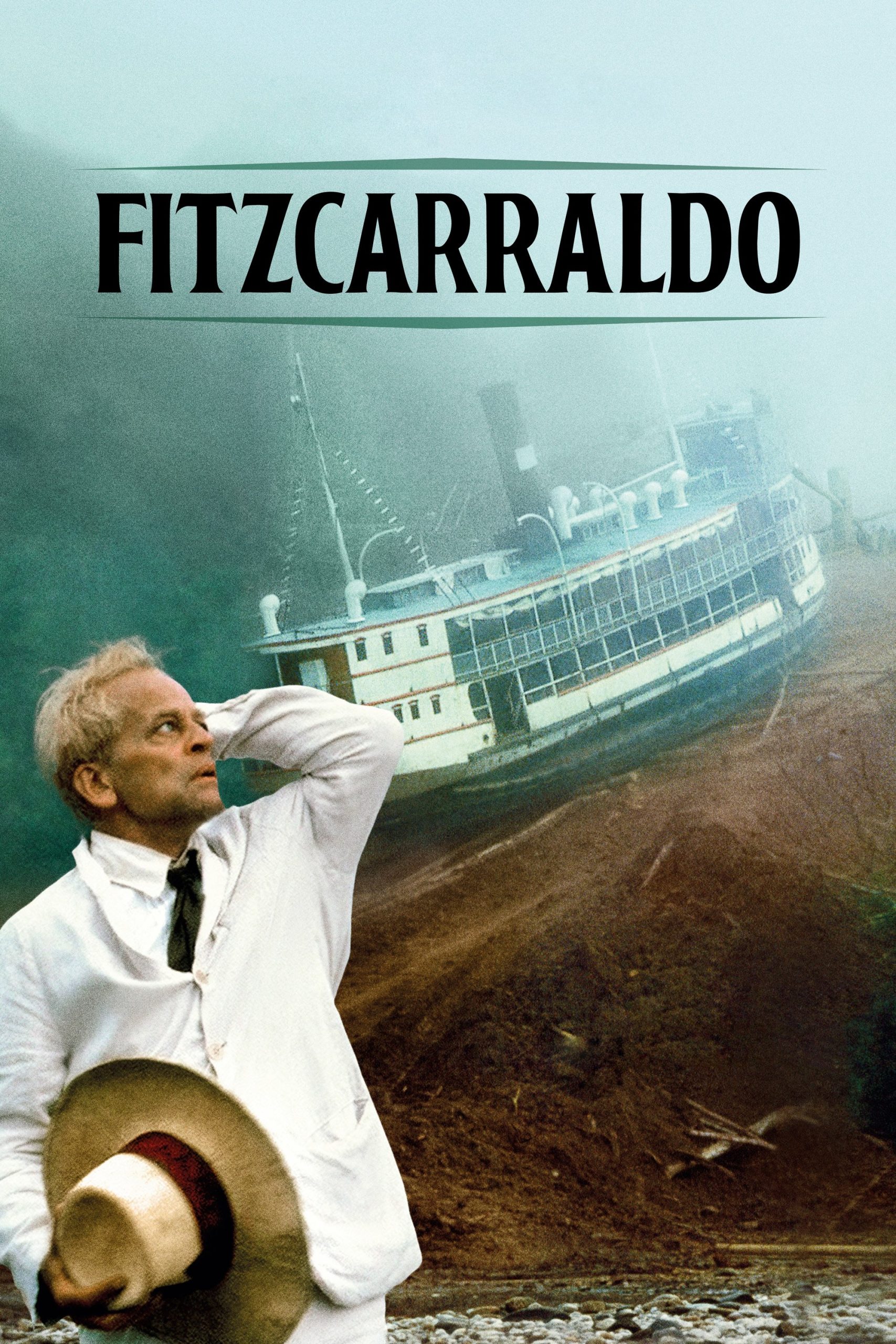
The Historical Era of the Film
When I first watched Fitzcarraldo (1982), I couldn’t help but sense the pulsing backdrop of history influencing every frame. The early 1980s were turbulent both globally and for the cinematic landscape. I remember how quickly the quiet optimism of the previous decade gave way to a world that felt increasingly polarized and raw. The film was made at the tail end of the 1970s, a time when economic recessions rattled capitals, and political unrest simmered in places like South America—the very region where Fitzcarraldo takes place. For me, the specter of colonialism and ongoing questions about natural resources hung over the production, echoing headlines from the time. While Europe adjusted to shifting powers and economic instability, many Latin American countries experienced dictatorships, insurgencies, and external pressure. When I imagine Werner Herzog trekking into the Peruvian Amazon, directing this ambitious project, I see him as another figure thrown into the chaos of the era: a world that was grappling with its colonial past while facing the uncertainties of modernization and neocolonial influence.
From my perspective, the economic instability of the late 1970s and early 1980s couldn’t be divorced from artistic production. Inflation was crippling film budgets, and the industry itself—especially in West Germany and across Europe—was looking for stories that resonated beyond simple entertainment. Herzog, always a director ready to mirror the existential disquiet of his time, responded to this climate. I think it’s significant that Fitzcarraldo was financed during a global recession, with various sources of funding cobbled together in true New German Cinema fashion. Films were being made with both creative risk and fiscal desperation, leading to idiosyncratic, fiercely personal projects like this one.
The social conditions in Latin America during the film’s production were especially fraught. Indigenous communities were under pressure from land grabs and foreign encroachment—a trend I noticed resounding through the Amazon’s history and present. Military governments, backed in certain instances by outside powers, stifled dissent and fostered an atmosphere of suspicion. When I see the film’s epic struggle against nature and the constant negotiations with local populations, it’s impossible for me not to read it through the lens of 1980s political tensions between native groups and those chasing wealth, whether rubber barons or filmmakers.
- Political upheaval in Latin America shaped perceptions of Western intervention.
- Economic crises influenced funding and ambitions in European cinema.
- Environmental debates gained traction as the Amazon became globalized iconography.
- Cold War anxieties manifested in distrust of cross-cultural encounters.
This multifaceted historical background, in my eyes, seeps into the film’s mood of ambition, volatility, and confrontation—with both nature and history itself.
Social and Cultural Climate
Reflecting on the period when Fitzcarraldo was created, I often think about how the tides of social change influenced the kinds of stories filmmakers chose to tell and the tone with which they told them. Throughout the late 1970s and early 1980s, there was widespread debate across the globe about the morality of progress and the unraveling legacies of colonialism. In my research, I frequently return to how the emergence of environmental movements and a rising consciousness about indigenous rights began to reshape Western eyes on the Amazon. The region was no longer just an exotic backdrop but a contested ground, politically charged with questions about exploitation and preservation.
I have always found it striking that this era coincided with the last gasp of old-style adventure narratives—big, epic quests by European dreamers seeking fortune in so-called uncharted lands. But as I see it, such tales were increasingly under scrutiny. Films like Fitzcarraldo had to navigate the complicated territory of depicting indigenous populations without falling into the traps of exoticism or erasure. The very presence of the indigenous tribes in the film, and the real-life negotiations required to secure their cooperation, reflect to me the era’s preoccupation with cultural sensitivity—however imperfect its expression might have been by contemporary standards.
Europe, too, was changing. Through my lens as a historian, I recall a newly assertive generation of artists trying to break free from the ruins of the postwar period and tell stories that exposed the limits of progress. Germany in particular was wrestling with its divided identity, and New German Cinema became a vehicle for social critique and personal vision. Werner Herzog fit this mold perfectly; his films, including Fitzcarraldo, expressed disillusion with modernity, sometimes romantic longing for vanished worlds, and always an unmistakable skepticism towards easy answers. The film, to me, embodies this climate—part frustration, part fascination with the myth of Western achievement.
Another aspect that can’t be ignored from my vantage point is how Fitzcarraldo dovetailed with broader global anxieties about environmental destruction. The Amazon forest was, by the 1980s, quickly becoming a symbol of planetary crisis—a vast, vulnerable paradise imperiled by unchecked ambition. I find it telling that so much of Fitzcarraldo’s tension revolves around the collision between human dreams and the indifference of the natural world, echoing public debates swirling in the years just before and after the film’s release.
How the Era Influenced the Film
The impact of the production era on Fitzcarraldo is evident in every logistical and narrative challenge the film embraces. As someone who has studied not only the finished product but the famously chaotic shoot, I am constantly struck by how external pressures—political, economic, and cultural—shaped both its story and its making. Herzog shot in real Amazonian locations, recruiting indigenous actors and dealing with dangerous, unpredictable circumstances. This wasn’t just artistic choice; it was also a testament to the resourcefulness demanded by a period when smaller budgets and alternative funding, especially outside Hollywood, forced filmmakers to push creative and physical boundaries.
For me, the intertwining of the film’s narrative—the quixotic attempt to drag a steamship over a Peruvian mountain—with Herzog’s own production struggles highlights the era’s obsession with grand ambition against overwhelming odds. The 1970s and early 1980s were marked by a skepticism about whether technological might or colonial legacies could be justified or romanticized anymore. As I see it, the film’s very existence as an arduous production, plagued with setbacks, mirrored the period’s anxieties about the cost of “progress.” The unstable involvement of Klaus Kinski, local extras, and ongoing tension between crew and indigenous communities brought the social climate directly onto the set.
The production unfolded in a Peru still riven by political instability, and the persistent threat of violence and bureaucratic intervention both slowed and colored the process. Herzog and his team had to negotiate daily with local leaders, manage sometimes-violent disputes, and work around the limitations imposed by the very people whose lands they were traversing. For me, these negotiations echoed contemporaneous debates about indigenous sovereignty and the contested meaning of land and resource extraction in South America. The difficulty, expense, and controversy associated with the production weren’t exceptions for Herzog, but reflections of a world in which artistic ambition was always constrained, challenged, or reshaped by political realities.
On a deeper level, I find that the era’s cultural unease manifest in the film’s ambiguous relationship to its subject matter. It’s not simply a tale of triumph or failure, but a meditation on the shifting moral landscape of transnational stories. The friction between European ambition and Amazonian realities wasn’t just plot material—it mirrored the fraught, controversial presence of Western filmmakers in Latin America during those years. As I interpret it, Fitzcarraldo’s struggle became a synecdoche for all the unresolved tensions between old world dreams and new world consequences.
Audience and Critical Response at the Time
When I first encountered contemporary reviews of Fitzcarraldo, I was struck by the polarized yet deeply respectful reaction the film received. Audiences in Europe, and especially in West Germany where Herzog was already an auteur of note, seemed captivated by the sheer audacity of the production. I recall reading reviews describing the film as “insane” and “madly ambitious”—and yet consistently acknowledging that it captured something essential about the human condition in the twentieth century. I’m left with the impression that, for international cinephiles, the movie represented both a throwback to epic filmmaking and a raw account of its own making.
For critics, Fitzcarraldo became a touchstone for debates about the role of “art cinema” in a world increasingly dominated by blockbuster franchises and conventional narratives. I noticed that some reviewers marveled at Herzog’s willingness to depict the hardship and ecological destruction wrought by colonial ventures, even as they critiqued the film’s potentially problematic treatment of its indigenous actors and extras. For me, this criticism was emblematic of the era’s growing awareness of cultural appropriation—a discourse that only intensified in subsequent decades.
In Latin America, I sensed greater ambivalence and sometimes outright criticism. While some viewers were impressed by the spectacle of the filmmaking, others saw it as yet another patronizing portrait of the continent by an outsider, echoing a history of foreign adventurism. I’ve spoken with scholars who recall a sense of frustration among Peruvian intellectuals regarding the limited agency given to indigenous characters, and the enduring trope of the obsessed European at the heart of the narrative. For me, this measured but often skeptical reception suggests that the film’s social climate was present for audiences as well as its creators.
At the same time, Fitzcarraldo quickly attained legendary status among filmmakers and critics for its extraordinary production saga. In my own conversations and analyses, the film’s making-of story was almost as influential as the narrative itself, blurring the line between fiction and reality. I’ve always believed this unique position—artwork and endurance test—cemented the film’s reputation as an emblem of both the possibilities and dangers of artistic obsession, as seen through the lens of a historical moment uniquely attuned to risk and consequence.
Why Historical Context Matters Today
When I return to Fitzcarraldo decades after its release, I find that my appreciation hinges on a keen awareness of its historical context. Understanding the tangled web of political instability, cultural anxieties, and economic hardship that underpinned its production makes every frame richer and more complex. Personally, I don’t see the film as just an adventurous tale, but as a living artifact—a product of its own time, answerable to the questions and uncertainties of the era that shaped it. For those watching today, I think knowing about the era’s contested environmental and post-colonial debates gives new meaning to the struggles onscreen, both narrative and logistical.
More importantly, recognizing the social climate of the early 1980s clarifies why Fitzcarraldo resonates in our current era of global consciousness about indigenous rights and environmental precarity. When I discuss the film with students or cinephiles now, I see the conversation inevitably shift to representation, cultural appropriation, and the exploitation of both land and people—issues that were percolating during production but have only become more urgent. The confrontations between Western ambition and local realities in Fitzcarraldo mirror ongoing tensions in global industries from filmmaking to resource extraction, reminding me that history never truly recedes from view.
Grasping the specific historical pressures that led to the film’s creation also helps me appreciate its flaws and contradictions. I often feel that Herzog’s project is a microcosm of its own moment—a moment when the line between progress and destruction was blurry, and where questions of authorship and agency were just beginning to be asked in earnest. For me, modern viewers who understand this context are less likely to romanticize or dismiss the film’s troubles and more likely to engage with it as a provocative, historically situated work of art.
Ultimately, the value of examining Fitzcarraldo’s historical context, from my perspective, lies in its power to reveal not just what the film is, but why it is—as the product of an era consumed by ambition, haunted by conscience, and forever challenged by the hard boundaries between cultures. It’s in this balance, I believe, that the film finds its enduring, unsettling power.
After understanding the factual background, you may want to see how this story was received as a film.
🎬 Check out today's best-selling movies on Amazon!
View Deals on Amazon