
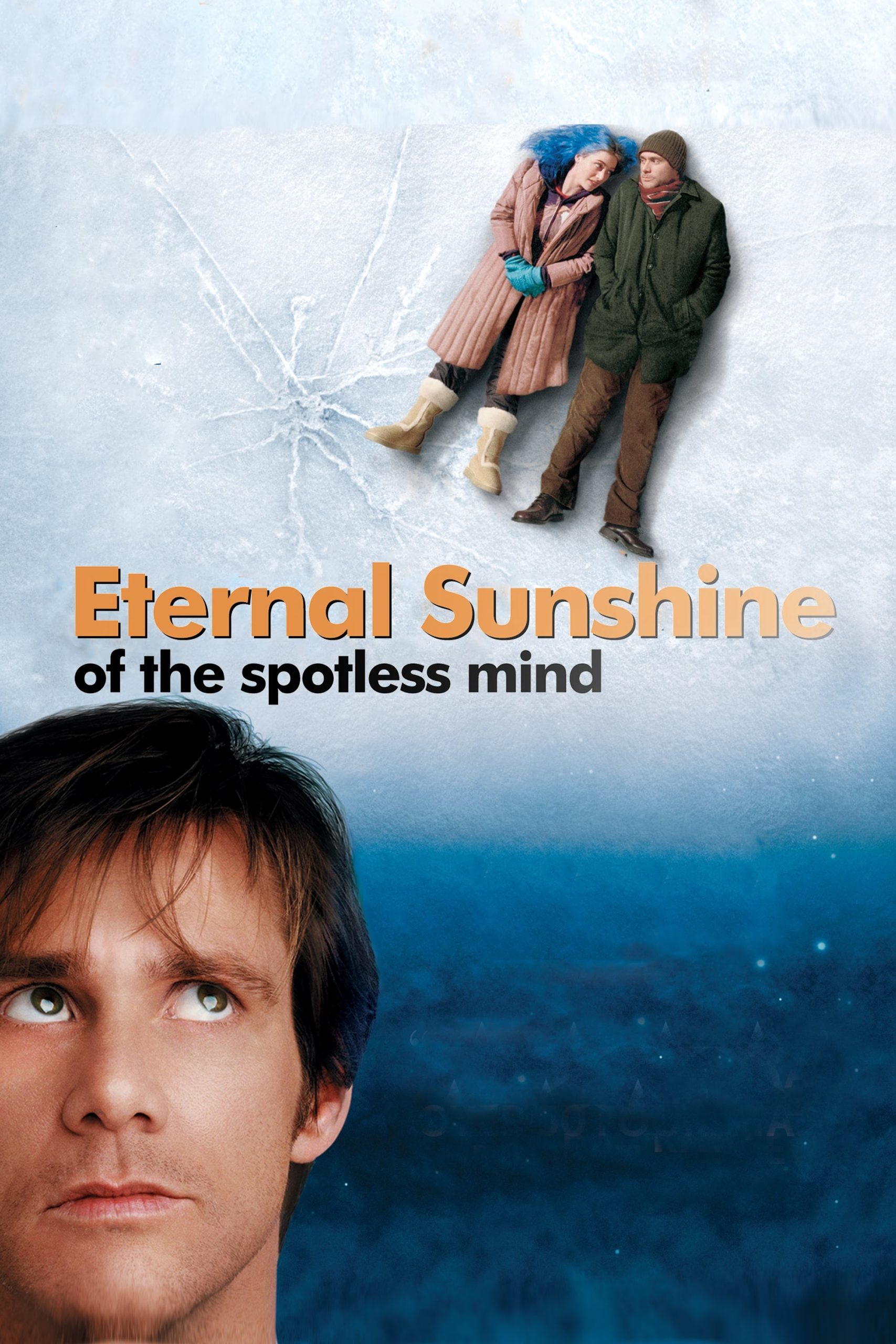
The Historical Landscape
I can still remember how jarring—and oddly liberating—it was to first watch “Eternal Sunshine of the Spotless Mind” in the early 2000s, with its almost experimental dissection of memory and heartache. Thinking back, the world at that time seemed to be fluctuating between nostalgia for a closing millennium and anxiety over a rapidly digitizing future. Personally, I found myself both excited and unnerved by how life was changing: emails had practically taken over written correspondence, cell phones were shrill new appendages, and my mind—like many others—was reeling from the profound shifts of the post-9/11 era. It’s impossible for me to separate the way I perceived Michel Gondry’s film from this broader landscape, cluttered as it was with both hope and historical baggage.
Cinema, I sensed, was caught in transition then. Hollywood was banking on franchise tentpoles and spectacle, while a restless undercurrent in independent film sought to interrogate the mundane, the private, the things we’re too embarrassed to say aloud. I remember a visceral hunger among my peers for stories that reflected emotional messiness—a core, pulsing need for authenticity. “Eternal Sunshine,” for me, encapsulated all the technological and psychological chaos of those years. The early 2000s were awash with technological optimism, but beneath it, I felt a trace of disillusionment: the sense that our digital tools might be as likely to erase as to enrich our memories.
It was an era typified by recursion and reinvention. Whether in music—with a wave of cardiac indie bands and electronica—or on TV, as reality shows exploded and scripted series like “Six Feet Under” and “The Sopranos” mined ordinariness for meaning, popular culture was obsessed with examining, and sometimes unraveling, personal narrative. I remember debates among friends about the reliability of memory—spurred not just by academic breakthroughs, but by a shared curiosity about digital footprints and the stories they preserve or distort. In this ecosystem, a movie where characters undergo a procedure to erase their emotional past felt less like science fiction and more like a deeply resonant fable about contemporary anxieties.
Cultural and Political Undercurrents
When I look back on the political pulse of those years, I see a society worn thin by surveillance and self-censorship. Post-9/11 paranoia was woven into the very fabric of daily life—government agencies, like shadows, loomed over email and phone records. Even in private conversation, I recall how the specter of being overheard, or recorded, seemed newly plausible. Watching memory become a battleground in “Eternal Sunshine” always struck me as a keen reflection of surveillance culture. Despite the film’s fantastical premise, its roots felt firmly embedded in a society uneasy about losing control over its own narrative, be it at the hands of officials, corporations, or memory itself.
I see these anxieties deeply connected to a worldwide debate about authenticity and emotional openness. As therapeutic culture went mainstream—therapy sessions depicted on television, self-help bestsellers lining every major bookshop—ordinary people wrestled with the right to curate their own psychological stories. For me, the film’s depiction of voluntary memory erasure embodied the era’s ambivalence: a desire to heal mingled with an impulse to escape the hardest parts of selfhood. Contemporary politics, with its focus on trauma, identity, and truth-telling, infused everything, and I couldn’t help but interpret the film through that lens.
Globalization, too, made itself felt in small but telling ways. The turn of the millennium accelerated cross-cultural exchanges, and everywhere I looked I saw young people questioning inherited wisdom in favor of reinvention. For me, the relationship dynamics in “Eternal Sunshine” mirrored that mood—restless, rootless, always doubting whether tradition offered anything meaningful, yet constantly circling back to basic human needs. Social networks had just begun reconfiguring how we remembered, archived, and erased remnants of our lives. As someone living through the birth of social media, I saw the film perform a dance with that nascent reality, daring to pose questions about selective memory long before they became mainstream digital anxieties.
The Film as a Reflection of Its Time
Whenever I revisit “Eternal Sunshine of the Spotless Mind,” I am reminded not only of its breathtaking narrative invention, but also of the specific pain and promise of living in the early 2000s. The film’s dreamlike logic, with memories collapsing and merging into one another, feels like an almost literal translation of what it meant to transition from analog to digital life. As someone who grew up cherishing photo albums but had begun to rely on digital folders—and the ease with which they could simply vanish—I found the film’s questions about loss, recovery, and the ethics of forgetting especially poignant.
I always interpreted the storyline not so much as a romance or a breakup saga, but as a meditation on what it means to be alive in a culture obsessed with “fixing” itself. Self-improvement had become an industry by then: magazines hawked reinvention through diets, mindfulness, even cosmetic surgery; reality shows promised total transformation. When the film dramatized the erasure of painful memories, it felt like an unsparing commentary on contemporary obsessions: What would we sacrifice for peace of mind? What, after all, would remain of us if our hardest lessons were excised? My sense is that the film’s elliptical plotting and surreal imagery are not merely aesthetic choices—they mirror, with uncanny precision, the disjointed ways in which historical trauma can fracture identity and narrative alike.
To me, the film also reflected a profound skepticism toward technology’s promise. While the memory-erasing process is depicted as clunky and imperfect—wires snaking over sleeping bodies, outdated machines humming in cramped apartments—I saw in that a larger metaphor for how technological interventions into the mind would always outpace our ethical or emotional readiness. This was a period when people were regularly shocked to learn just how much data was being tracked, when the line between “helpful innovation” and “intrusive manipulation” was up for debate. The film’s willingness to live in ambiguity, refusing to offer pat answers or tidy resolutions, felt true to an era marked by both exhilaration and dread.
Perhaps what strikes me most, looking back, is how raw and credible the emotional stakes feel, even amidst all the surreal trappings. The characters’ longing to “start over,” to be unmarked by previous mistakes, feels like an indictment of the zero-sum optimism peddled by contemporary culture. Yet, the film ultimately asserts—through pain, confusion, and eventual reconciliation—that forgetting is not freedom but impoverishment. In that sense, I see “Eternal Sunshine” as less a fantasy than a reckoning with the specific and collective memories that shape who we are. The early 2000s taught me that nostalgia is rarely innocent, and the film’s lingering sadness makes it, in my eyes, a perfect artifact of its time.
Changing Perceptions Over Time
The first time I witnessed Joel and Clementine’s doomed dance—again and again, across altered recollections—I was struck by the film’s contemporaneity. It felt almost startling in its fluency with early-2000s malaise: the confusion, the weariness, the ache for real connection in an increasingly performative world. Yet over the years, as society’s relationship with memory and technology has deepened, my view of the film’s message has subtly shifted. Now, the procedure to erase memories feels not just sad or ill-advised, but prescient—a metaphor for the curated selves we manufacture online and the digital “forgetting” made possible by rapid advances in technology.
My own engagement with the film has changed, too. Initially, I saw it as a cautionary tale about the dangers of running from grief. Later, as I watched friends fall in and out of touch—old photos vanishing as social platforms died or were deleted—I became fixated on the more delicate ways the film interrogates self-erasure. The contemporary post-social network world has given the film new, sometimes darker, resonance: what, I wonder, becomes of love or regret when our record of lived experience is always at risk of corruption, deletion, or distortion?
One of the most fascinating things for me as a cinema historian is how the romantic core of “Eternal Sunshine” has remained robust, while the social context around it has changed dramatically. The film’s messy, nonlinear structure—so innovative at the time—became a blueprint for countless later narratives. What I once viewed as an outlier has gradually become a reference point for filmmakers parsing the peculiar intersection of human emotion and mediated life. Critics and audiences alike, I’ve noticed, now interpret the film through the lens of trauma studies, digital archiving, and even neuroscience—layers that simply didn’t cross my mind back in 2004, but which now feel essential to understanding the film’s significance for a new generation.
I find it telling that as culture’s focus has shifted from catharsis to authenticity, the movie’s ultimate message—about the necessity of pain for genuine intimacy—has only deepened. In an era increasingly skeptical of “too neat” solutions to emotional distress, I watch the film and see not only a product of its time, but a mirror held up to ever-evolving hopes and fears. In a strange way, the film now strikes me as even more radical than it did on first viewing, because it insists—stubbornly, even as our tools for memory management multiply—that we cannot, and perhaps should not, live without the full texture of our own stories.
Historical Takeaway
The lesson I draw from “Eternal Sunshine of the Spotless Mind” is etched into the fissures of its own narrative: that to live honestly in the early 21st century was to grapple with the temptation—and the cost—of forgetting. The era of its making was one of transitions, shaped by technological upheaval, geopolitical uncertainty, and a voracious appetite for personal reinvention. In the film’s vision, I see all the beauty and terror of that moment: the yearning for easy absolution, the horror of blankness, and the slow, messy reconciliation with imperfection.
For me as a historian, the enduring vitality of the movie is rooted in how mercilessly it interrogates the precise anxieties of its epoch: the hollowing out of authentic experience, the commodification of memory, the exhaustions of love and loss in a frantic, oversaturated world. Yet, by daring to insist that even our most painful memories contain the seeds of meaning, the film becomes a quiet act of cultural defiance. “Eternal Sunshine” teaches me that every era tries, in its own way, to escape discomfort, only to discover that the fabric of identity is woven from unresolved longing and remembered failure. The film has outlasted its own time not because it offers solace, but because it refuses easy answers—leaving each new viewer, myself included, to wrestle with the question of what we would choose to remember, and who we would become if we truly forgot.
To see how these real-world elements shaped the film’s impact, you may also explore its reception and legacy.
🎬 Check out today's best-selling movies on Amazon!
View Deals on Amazon