
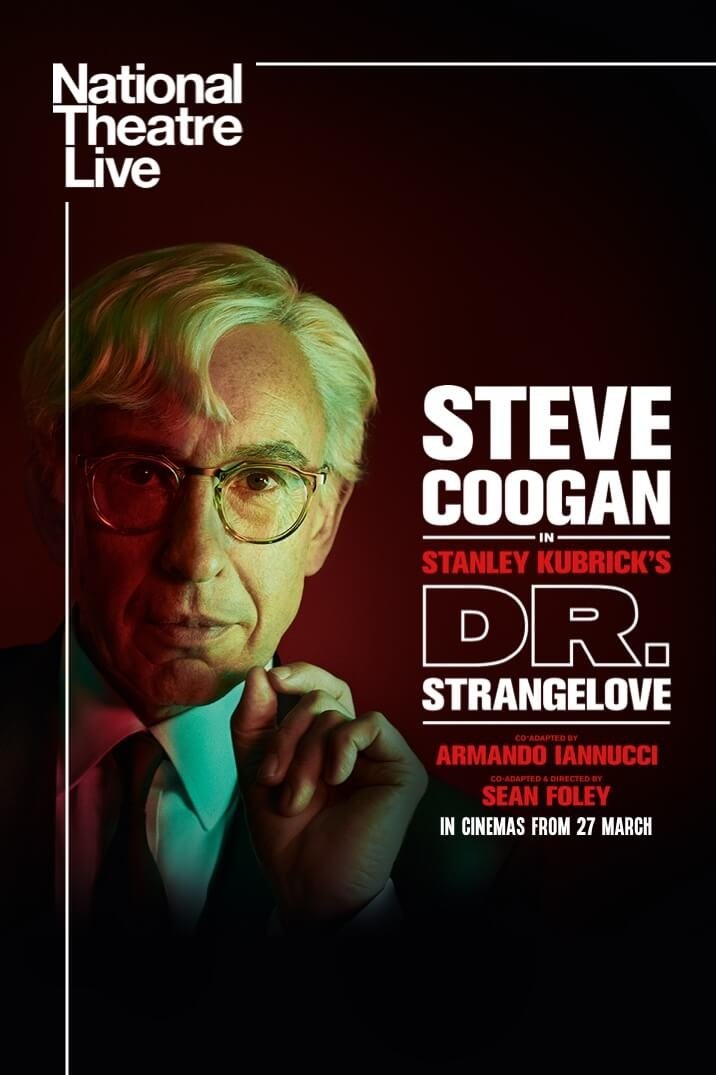
The Historical Era of the Film
One of the things I find most noteworthy about Dr. Strangelove (1964) is how profoundly it embodies the anxieties and power structures of its time. When I immerse myself in the era that gave birth to this film, I see a world dominated by the stark duality of the Cold War. The globe felt sharply divided into two spheres: the United States on one side, the Soviet Union on the other—both armed to the teeth and locked in a relentless arms race. The 1960s, to me, seem defined by their atmosphere of suspicion, aggression, and uneasy coexistence. Everywhere I look in history books, I find evidence of the tension: nations were stockpiling nuclear weapons, developing delivery systems, and formulating doctrines like Mutually Assured Destruction (MAD), shaping a world perpetually on the edge of disaster.
Looking closer at the economic and technological backdrop, I realize that this period was also an age of technological boom, enabling both the military-industrial complex and the consumer marketplace alike. The drive to outpace Soviet capabilities pushed unimaginable amounts of funding into research and development, but it also created a sense of collective anxiety about whether this very progress was courting extinction. I get the sense that people lived with an intimate knowledge that annihilation could be one error away, while the economic abundance of postwar America was shadowed by this existential risk.
Socially and politically, Americans in the early 1960s had experienced both the optimism of postwar victory and the sobering shocks of international crises. I always find myself drawn to the lingering trauma of the Cuban Missile Crisis in 1962—just two years before the film’s release. It created a massive ripple through global consciousness, impressing upon everyday citizens the real possibility that leaders’ decisions could determine the fate of humanity overnight. National policies revolved around military preparedness, citizen drills for nuclear attack, and fierce debates about deterrence and survival. It’s almost impossible for me to imagine what ordinary life felt like with that persistent, background dread. This is the world into which Dr. Strangelove emerged—a world with its finger poised over the button.
Social and Cultural Climate
As I think more about the profound cultural turbulence and social unrest brewing in the 1960s, I see just how essential these sentiments are to understanding the film’s deep resonance. The dominant social atmosphere was tense and uncertain, marked by an underlying mistrust of authority and institutional power. Many people I talk to who lived through the 1960s speak of a disillusionment that grew out of the steady drumbeat of militarization and secrecy. Government agencies and the military, once sources of confidence, were increasingly seen as potential threats because they held incredible, potentially catastrophic power that operated far outside the realm of ordinary citizen input.
I also notice how the prevailing skepticism toward official narratives and leaders was accompanied by an upsurge in artistic experimentation and satire in popular culture. The aging optimism of the 1950s gave way to a kind of cultural nervousness, reflected in the rise of counterculture movements and a willingness among artists and filmmakers to critique long-standing institutions. I feel that the world Stanley Kubrick inhabited was one where boundary-pushing commentary—and especially the weaponization of humor—became an increasingly common means of survival, not just entertainment.
Race relations, gender politics, and protests over civil rights and Vietnam were not yet at their fever pitch, but the seeds of massive cultural shifts were germinating during this time. Television brought the realities of international conflict and domestic unrest into living rooms, making the abstract threat of nuclear war feel immediate and personal to millions. I have always thought it fascinating how this media landscape both mirrored and shaped public fears, contributing to a broader sense of uncertainty and potential upheaval.
How the Era Influenced the Film
Whenever I dig into how Dr. Strangelove’s era influenced its storytelling and production, I’m struck by the way the historical backdrop functions almost like another character in the movie. The shadow of the Cold War permeates every scene, and I believe Kubrick’s approach was deeply informed by the era’s unique mix of paranoia and policy dogmatism. Storylines about accidental nuclear war or rogue commanders weren’t pure fantasy for viewers of the time. I see these elements as dark reflections of widespread public fears—echoes of real-life near-misses and secretive military strategies revealed in the press.
Having reviewed archival interviews and behind-the-scenes materials, I also notice how Kubrick engaged deliberately with the nuclear chain of command and the absurdity of complex deterrent systems. Characters are exaggerated types—generals obsessed with purity, politicians seeking advantage, scientists behaving like Machiavellian clowns—each rooted in the true-life figures and policies that dominated headlines. The era’s proliferation of nuclear weapons, development of doomsday scenarios, and irrational arms escalation are all boiled down and caricatured in the film. No wonder I often read it as much as a historical document as a comedy.
What makes the film particularly incisive for me is how its absurdity serves as a vehicle for the raw, often unspoken terror of the age. Kubrick’s choice to rework the source material—a serious thriller—into a biting political satire strikes me as a direct response to an era that seemed both terrifying and preposterous. Sometimes I think Dr. Strangelove is only possible in an age when the unthinkable had already nearly happened, and the mechanisms meant to prevent disaster seemed as likely to cause it. The era’s blend of bureaucratic rigidity and existential menace finds its match in the film’s tone and structure.
- The Cold War rivalry shaped political narratives and institutional priorities
- Advances in nuclear technology prompted public drills and media campaigns
- The Cuban Missile Crisis fueled widespread fear of imminent nuclear war
- Increasing public skepticism toward government and military leadership
Audience and Critical Response at the Time
Reading contemporary reviews and reflecting on public reaction, I am consistently struck by how polarizing Dr. Strangelove was upon its release. Audiences in 1964 were still living with fresh memories of the Cuban Missile Crisis—so the film’s bleak humor and irreverent style must have felt both exhilarating and unsettling to those who experienced the chilling brink of nuclear annihilation firsthand. I sense that some filmgoers were unsettled by the movie’s refusal to defer to authority or to treat the specter of nuclear war with reverence. When I talk to people who watched the film in theaters in its initial run, I hear a mix of nervous laughter and deep introspection; people were both entertained and alarmed.
Critics at the time, as I’ve since discovered through their published words and radio debates, were remarkably divided. Certain reviewers celebrated Kubrick’s ingenuity and audacity, applauding the film’s willingness to puncture the myth of military infallibility. Others found its tone shocking or distasteful, not least because it was released so close to the assassination of President Kennedy, an event that had left the nation in mourning and anxious about its future. I get the impression that the film’s dark satire struck some as profoundly necessary—a vital release valve for a tense era—while others deemed it “too soon” or outright disrespectful.
Box office receipts and ticket sales suggest that Dr. Strangelove achieved substantial commercial success, though I believe its most lasting impact was on younger viewers, future filmmakers, and critics who saw it as evidence that cinema could speak directly and unforgettably to current events. For people living through those years, the film was not merely entertainment; it was a challenge, a provocation, and in some cases, a comfort. I find it fascinating to reflect on just how much the film’s shock value was commensurate with the real anxieties of the age—sometimes outrage and laughter were two sides of the same coin.
Why Historical Context Matters Today
When I revisit Dr. Strangelove with a modern perspective, I’m always reminded that my understanding of the film is vastly deepened by knowing the backdrop against which it was made. The historical context transforms what could simply be perceived as outlandish comedy into a vivid relic of a world grappling with its own possible extinction. As someone drawn to historical nuance, I find myself always considering how familiar the threats and debates of the early 1960s now seem in our own time. Knowing that the world genuinely feared nuclear doomsday brings a new potency to scenes that might otherwise be dismissed as mere farce.
Studying the film in its correct social and political context allows me to appreciate its craftsmanship not just as a technological artifact, but as a conversation between artist and audience about survival, responsibility, and the fragility of civilization. It’s incredibly clear to me that understanding this setting—the unstable alliances, the ever-present tension, the recent brushes with catastrophe—invites a kind of empathy for those who originally watched the film with the possibility of annihilation all too real.
In discussions with students and film buffs, I’ve noticed that unpacking the historical influences behind Dr. Strangelove unlocks fresh layers of meaning. The film’s stylized characters and black humor gain clarity when set alongside the policies, personalities, and near-disasters of the time. I’ve found that this approach also combats the numbing effect that the passage of decades can have: events that seem distant or abstract take on immediacy and urgency once their true context is restored. Understanding the roots of these fears—why the bomb loomed so large, why authority was so mistrusted—provides a framework for understanding not just the film, but a crucial slice of twentieth-century history.
As the specter of nuclear conflict and political mistrust reemerges in new forms today, I find that the questions raised by Dr. Strangelove feel as timely as ever. Its satirical gaze is sharpened, not dulled, by time, and my appreciation for the film only intensifies the more I understand about the era that spawned it. For those willing to dig a little deeper, the historical context is not just background—it’s the key to the film’s enduring power and relevance.
After understanding the factual background, you may want to see how this story was received as a film.
🎬 Check out today's best-selling movies on Amazon!
View Deals on Amazon