
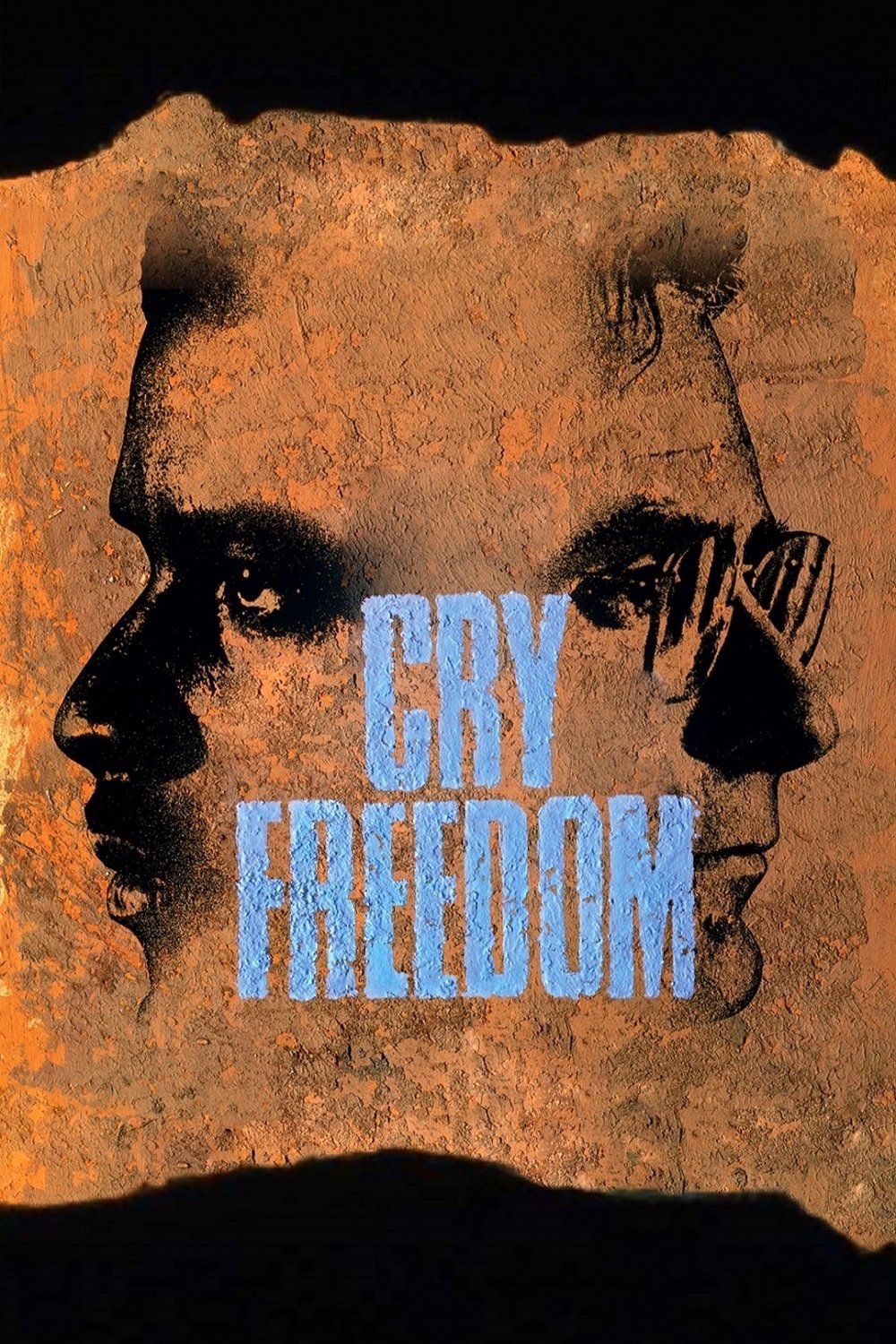
The Historical Era of the Film
When I first sat down to watch Cry Freedom (1987), what immediately struck me was how inextricably linked its power is to the historical currents swirling around its moment of both setting and release. The film dropped onto screens during the tail end of the Cold War, a period that, for me, felt loaded with contradiction and anxiety. I remember the late 1980s as a time of growing international activism, but also persistent indifference in many quarters to the ongoing tragedies wrought by colonial and racial injustice—especially in places like apartheid-era South Africa, where the film’s narrative takes root. What made this era so combustible was a combination of entrenched racial segregation, international economic tension, and mounting grassroots efforts to challenge the old order. The official policy of apartheid—systematic, legally sanctioned discrimination against Black South Africans—remained deeply entrenched, despite increasing signs of strain.
The political climate was, in my opinion, one of institutional paranoia. The South African government wielded draconian laws to maintain white minority rule, while banning dissenting voices and organizations. Economic conditions mirrored this rigid control: the country’s wealth was lavishly concentrated within a white elite, anchored by a resource economy that thrived on exploitative labor. Simultaneously, I recall international sanctions and divestment efforts gaining unprecedented traction. Globally, many nations and organizations spoke out against apartheid, but the real pressure came from popular movements and economic boycotts designed to isolate the regime. Socially, the chasm between Black and white South Africans yawned wide, reinforced by everyday acts of cruelty and resistance alike. The brutality of this time period formed the canvass on which the film’s story is painted, and when I think about the production era, I imagine filmmakers wrestling with both the practical and moral enormity of representing such circumstances on screen.
Social and Cultural Climate
Reflecting on the prevailing social and cultural climate, I find myself frequently returning to the extraordinary tension underlying late twentieth-century conversations about race and justice. In the 1980s, global awareness of apartheid began shifting dramatically, propelled not just by political appeals but by a swelling wave of cultural activism. For many in my generation, the force of protest music, literature, and street demonstrations was impossible to ignore. The anti-apartheid movement surged outward from university campuses and city streets, reaching the heart of popular consciousness through persistent mobilization. To me, the tone of the era—particularly in the West—was one of awakening, as people who had long ignored distant injustices began to connect their own freedoms with those denied to others around the world.
But this was also a period marked by ambivalence and backlash. In my view, media representations of South Africa often struggled with oversimplification, exoticizing victims or demonizing perpetrators without context. I felt this pull personally, watching the moral certainty of the moment occasionally slip into self-congratulatory narratives among those far removed from daily apartheid realities. The period also saw growing numbers of South African artists, journalists, and exiles contributing to a more nuanced understanding of their homeland’s crisis. The infusion of these perspectives into Western public discourse, sometimes at great personal risk, had a profound impact on how issues of race, colonial legacy, and human rights were debated.
In everyday culture, the resonance of resistance movements took on new visibility. International artists and celebrities rallied on behalf of imprisoned leaders like Nelson Mandela, while news footage of township uprisings contrasted jarringly with the comfort of Western living rooms. My own social circles were abuzz with conflicting opinions—some swayed by powerful stories, others wary of “outsiders interfering” in what they considered sovereign affairs. The persistent friction of this moment, culturally and socially, deeply colors my understanding of how Cry Freedom (1987) positioned itself within a much larger, urgent conversation.
How the Era Influenced the Film
Every time I revisit Cry Freedom, I’m struck by how clearly the period’s historical currents shaped its creation, from its approaches to character to the very language of its script. The moral struggle of the film’s protagonists—modeled after real-life figures Steve Biko and Donald Woods—mirrors the dilemmas faced by those seeking justice in a ruthlessly policed society. To me, it’s clear that the urgency to tell Biko’s story in the late ’80s was informed by the mounting global awareness of apartheid’s brutality. Watching the film, I recognize that the real-world crackdowns on journalists and activists strongly influenced the filmmakers’ insistence on emphasizing the cost of truth-telling under authoritarian regimes.
The era’s heightened sense of activism seems to permeate nearly every frame. I noticed how the international appetite for films that shone a light on injustice emboldened director Richard Attenborough and his collaborators to tackle political material that, only a few years prior, might have been shunned by mainstream studios as too contentious. In my own research, I found that the need for authenticity was so great that much of the film was shot outside South Africa due to the risk to cast and crew—a move that demonstrates the ways in which contemporary realities shaped both aesthetics and logistics.
It’s hard for me not to see the influence of the time period in the tension between storytelling and activism that runs through the movie. The narrative itself serves as an act of witness and remembrance, answering widespread calls for international solidarity with oppressed people everywhere. Even the way supporting characters are drawn seems guided by an awareness of the need to capture not just personal heroism but the complex web of complicity and resistance that defined an entire society.
- Entrenched apartheid laws enforced by the South African government
- Global anti-apartheid activism and heightened international scrutiny
- Active suppression of free speech and media in South Africa
- Growing divestment and sanctions campaigns from Western governments and organizations
Ultimately, I see Cry Freedom as a product of its time—a cinematic artifact shaped by the era’s swelling momentum for justice, tempered by the real dangers inherent in confronting oppressive regimes. The very act of making and distributing the film feels, to me, like a response to the demands and possibilities of the political landscape of the 1980s.
Audience and Critical Response at the Time
Thinking back to when Cry Freedom first reached audiences, I recall the emotional charge that accompanied its release. The international audience response was, in my observation, intense and polarized, which is what one might expect from a film that so overtly challenged the moral status quo. In many Western countries, the film inspired a wave of discussions among viewers who might not have previously engaged deeply with news from South Africa. I remember friends and colleagues grappling with the depiction of Steve Biko’s martyrdom, drawn into conversations about personal responsibility and the ethical imperative to confront distant injustices.
Critical response was notably divided. There were those—myself included—who praised the film’s willingness to bring the violence of apartheid into public view while also questioning whether, and how, Western filmmakers could do justice to African narratives. Some critics argued that Cry Freedom risked centering its white protagonist at the expense of Black South African voices, a charge that reflected ongoing debates about representation in media at the time. For me, this criticism didn’t diminish the film’s impact, but rather highlighted the difficulties inherent in cross-cultural storytelling during a period when Western audiences, and even critics, were frequently unfamiliar with the inner dynamics of resistance in South Africa. The heightened political context charged every review and conversation—discussions about cinematic technique were often overshadowed by debate about the film’s message and responsibilities.
In South Africa, of course, official censorship meant that very few could see the film legally at all. I often think about the effect this thwarted viewing might have had on South Africans hungry for honest representation, forced instead to encounter their own national pain through pirated copies or clandestine viewings. For those exiled or living abroad, the film seems to have served as both a channel of truth and a source of frustration over missed nuances. Overall, I remember the movie igniting social dialogues in a way that made clear just how volatile—and vital—representation had become within the cultural climate of the late 1980s.
Why Historical Context Matters Today
For me, approaching Cry Freedom now—years removed from both its setting and its release—only underscores the immense value in understanding the historical context that shaped it. There’s a risk, when viewing the film outside its time, of reducing it to an oversimplified morality tale, stripped of the deeply specific pain and hope that infused its creation. I find that learning about the real-life conditions faced by activists, the regime’s tactics of repression, and the climate of international activism illuminates many of the choices made by the filmmakers: the structure of the narrative, the depiction of violence, even the pacing of key scenes.
I have come to believe that historical context doesn’t just explain why a film like this was necessary. It transforms my appreciation of the work, revealing how every artistic decision was shaped by—and, at times, challenged by—the urgent realities of its time. The persistence of racial injustice in today’s world means that the questions raised by Cry Freedom refuse to fade. Modern viewers, myself included, can clearly see echoes of past struggles in contemporary movements for equity and truth. Understanding how audiences responded in the late 1980s, and what risks were taken by those involved, makes the film’s insistence on moral engagement resonate even more deeply now.
In the end, I see Cry Freedom not only as a record of one historical moment but as a testament to the enduring role cinema can play in awakening conscience and memory. The film reminds me that every act of storytelling is rooted in a specific social and political soil, and that my own reactions are inevitably shaped by my awareness—or ignorance—of the world that bore these stories. For those seeking to move beyond surface impressions, grappling with the historical context of Cry Freedom offers a deeper, richer pathway to understanding both its message and its continuing relevance.
After understanding the factual background, you may want to see how this story was received as a film.
🎬 Check out today's best-selling movies on Amazon!
View Deals on Amazon