
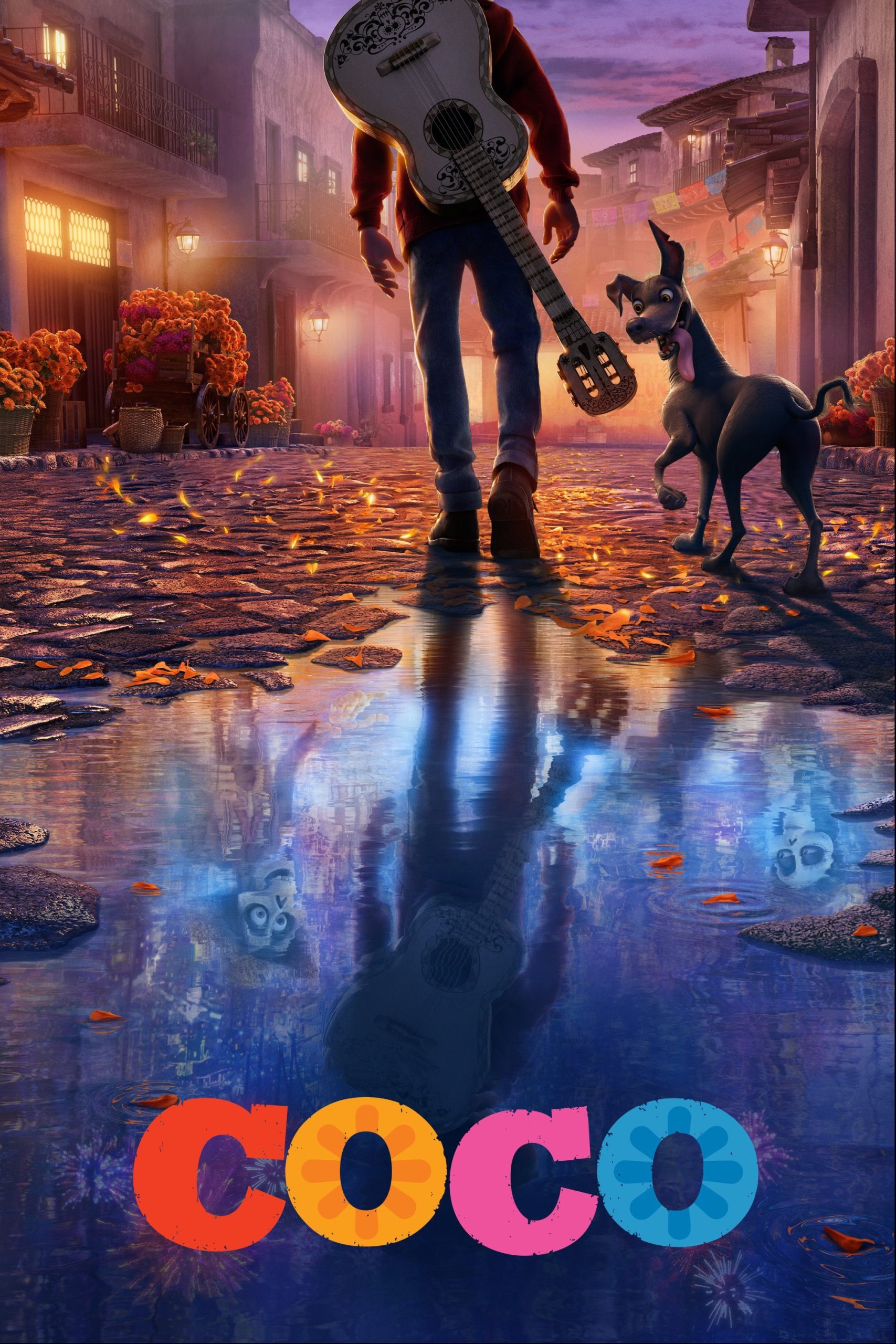
The Historical Era of the Film
Whenever I revisit Coco (2017), what always strikes me first is just how much the political, economic, and social landscape of the late 2010s shaped Pixar’s approach to storytelling. This was a period riddled with significant debates about identity and belonging, particularly around the subject of immigration and cross-cultural representation in the United States. Politically, the era was charged: the U.S. had just seen the election of Donald Trump, whose presidency produced widespread debate over nationalism, border security, and the complex realities facing Latinx communities. As someone deeply invested in how movies echo real-world anxieties and hopes, I can’t ignore the ripple effects of this political turbulence found in the film’s sensitivity to heritage and tradition.
The economic backdrop adds another layer of complexity. The world was emerging from the aftermath of the 2008 financial crisis, and by 2017, globalism was both enriching economies and inflaming anxieties about cultural erosion. Within the entertainment industry, the globalization of popular media meant studios like Pixar were increasingly aware that their films would land not just in American multiplexes, but in communities across the globe. Corporations like Disney were investing with renewed energy in Latin America, drawn by both the potential of the market and the imperative to address prior missteps in representation. The pressure to create an authentic, respectful portrayal of Mexican heritage was not just artistic; it had deep financial roots, as stakeholders knew that mishandling cultural themes could spark backlash or drive away key demographics.
Socially, I look back and see a landscape characterized by a growing insistence that media should both reflect and challenge the diversity of audiences. Conversations about inclusion were not just academic: advocacy groups, audiences, and cultural critics demanded better ethnic and racial representation. The need for films that could act as social bridges—movies that both educate and celebrate marginalized cultures—had never felt more urgent to me. It was in this climate that Coco was conceived and released, navigating expectations set by films before it and the charged discourse around cultural appropriation and celebration. For me, the synthesis of these political, economic, and social realities makes Coco’s historical context especially rich and revealing.
Social and Cultural Climate
Looking at the dominant social attitudes and cultural trends of the mid-2010s, I recall a powerful surge in discussions about multiculturalism and the meaning of authentic representation. In the years leading up to Coco’s release, movements like #OscarsSoWhite exposed the entertainment industry’s lack of diversity. Suddenly, there was a mounting sense among filmmakers, audiences, and critics alike that stories about historically underrepresented communities deserved to be told—and told correctly. I could see how social media amplified the voices often left out of traditional gatekeeping processes, and this, in turn, meant studios faced scrutiny like never before.
I observed a particular tension between the desire for global accessibility and the need for cultural specificity. The entertainment industry had often favored universality to maximize profits, but by 2017, being culturally neutral was no longer seen as a virtue but as a way to erase identity. Audiences openly criticized the industry whenever it fell back on tired tropes or superficial depictions of complex traditions. As I watched the development of Coco, I recognized that one of the movie’s radical acts was its commitment to immersion in Mexican cultural traditions, especially the Dia de los Muertos celebration. Disney and Pixar worked closely with Mexican consultants and artists—a move shaped by prior criticisms and, I believe, an evolving sense of responsibility toward accurate representation.
This period also saw a surge in Latino pride and cultural activism, especially among younger generations living between two worlds. I remember how social climate shaped expectations: communities long for movies like Coco to reinforce the legitimacy and beauty of their customs. At the same time, there was ongoing debate around the line between cultural appreciation and appropriation, especially as commercial interests often tried to capitalize on identity politics. For me, the era’s cultural complexity comes through in how Coco simultaneously introduces global audiences to Mexican heritage while doubling as a source of validation for those who recognize their lives reflected on screen.
- Rising activism around fair media representation
- Debates about cultural appropriation vs. celebration
- Stronger Latino influence in U.S. social life
- Public calls for authenticity in storytelling
How the Era Influenced the Film
As I study Coco through the lens of its historical production, I see how the charged issues of the era directly influenced nearly every creative choice. The push for sensitivity in representation stands out, but it’s the depth of that push that fascinates me. Pixar didn’t simply place a story in Mexico; it went to great lengths to immerse itself in the country’s daily realities, traditions, and artistic expressions. Underneath this effort, I sense the influence of a social climate unwilling to overlook cultural missteps. For example, after intense criticism over Disney’s early attempt to trademark “Dia de los Muertos,” the production team brought in prominent cultural experts like Adrián Molina and consulted with Mexican artists and folklorists. These steps weren’t performative; they were essential for earning trust and credibility in an era marked by skepticism of big studios’ intent.
I also notice how the film’s narrative—a journey of personal discovery tied to family memory—mirrors wider conversations in 2017 about the importance of roots amidst fears of erasure. The fact that Coco centralizes family, memory, and intergenerational relationships feels to me like a response to real-world anxieties about migration, loss of tradition, and questions of legacy. The visuals and music sprang from that same impulse, serving not only as spectacle but as homage to Mexican artistry from papel picado banners to the haunting charm of traditional ballads. I believe Coco’s lush stylistic choices brought audiences into the world of a town rarely seen in mainstream animation—proof that the production era demanded more immersive, less tokenistic approaches to cultural worlds outside the Hollywood norm.
In technical terms, the era’s advances in computer animation allowed Pixar to explore previously unimaginable detail, motivated not just by artistic ambition but by the need to render cultural nuance accurately. For me, this was more than a feat of engineering; it was the culmination of social pressures insisting on dignity in representation, even down to the stitching on a character’s clothing or the authenticity of foods served on the family’s ofrenda. Such details derived directly from the interlocking historical currents of the time: a political climate keenly aware of the stories it told about “the other,” and an industry whose audiences were demanding both complexity and respect. In my opinion, the film’s existence at this intersection is what ultimately made it transformative.
Audience and Critical Response at the Time
When I think about the reception of Coco by contemporary audiences and critics, I remember a remarkable outpouring of emotional resonance and pride. For many in the Mexican and broader Latinx communities, seeing their lives, customs, and especially the Dia de los Muertos tradition honored onscreen was a moment of profound validation. Those I spoke with often emphasized how rare it was for a major Hollywood studio to treat their culture with both expertise and affection, and this was reflected in a surge of personal stories shared on social media and in the press. Even outside these communities, the response was equally enthusiastic. Audiences seemed captivated by the vibrant storytelling and the sheer emotional power of the family narrative at its core.
Critics responded with near-universal acclaim, frequently citing the film’s attention to detail and its respectful weaving of Mexican tradition into universal themes of family. I noticed that many reviews engaged not just with the craftsmanship of the film, but also with its social significance—debating its role in an era of rising division over immigration and identity. To me, this represented a shift: movies about underrepresented groups were, at last, being measured not only on entertainment value but on their historical impact. The film’s award season run—culminating in an Oscar for Best Animated Feature—felt like a recognition, both overdue and hard-earned, of what stories like this could mean for audiences long denied real visibility onscreen.
Yet this praise was not without nuance. Some commentators reflected on the lingering risks of commodifying tradition, an issue I follow closely. There were concerns that, despite authenticity, the machinery of Hollywood profit could still dilute or “Disney-fy” cultural moments. Even so, the overwhelming consensus I observed was one of gratitude and admiration. Seeing children in both Mexico and the U.S. dress as Miguel or sing “Remember Me” at school celebrations underscored the reach and power the film instantly acquired within popular culture. That reach, in my view, was possible only because Coco tapped into needs and aspirations shaped by contemporary historical realities.
Why Historical Context Matters Today
Reflecting on why this historical context remains vital, I find that understanding the world Coco emerged from radically deepens my appreciation for its artistry and significance. When I share the film with students or fellow film historians, I constantly highlight how the work grows out of a specific social crucible—one where debates over immigration, belonging, and respect for cultural heritage were urgent and ongoing. That context illuminates not only the choices made in production, but also the fierce emotional reactions the film inspires to this day.
In my experience, knowing about the pressure-cooker of late 2010s America—with its political polarization and grassroots demands for inclusion—makes the film’s gentle insistence on empathy feel doubly courageous. Coco becomes more than an animated spectacle or a family drama; it stands, in my eyes, as a statement against xenophobia and for the richness of multiculturalism. The fight for authentic representation is not “background noise”—it’s the very atmosphere that allowed the film to exist in its celebrated form. For those who argue today about the value of “identity politics” in art, I always reference Coco as living proof that context shapes content in ways that matter both now and in the future.
Modern viewers are still drawn to Coco not only for its entertainment, but because it acts as a bridge—connecting generations, cultures, and communities across borders. I often remind my colleagues and students that without grasping its historical origins, it becomes easy to miss the reasons behind both its creation and continued relevance. In a world still wrestling with questions of migration and national identity, the historical moment of Coco’s production offers a living lesson in the importance of who gets to tell a story, and why that control matters. That’s why, for me, immersion in the historical context isn’t just scholarly duty—it’s the foundation of a deeper, richer enjoyment of the film itself.
After understanding the factual background, you may want to see how this story was received as a film.
🎬 Check out today's best-selling movies on Amazon!
View Deals on Amazon