
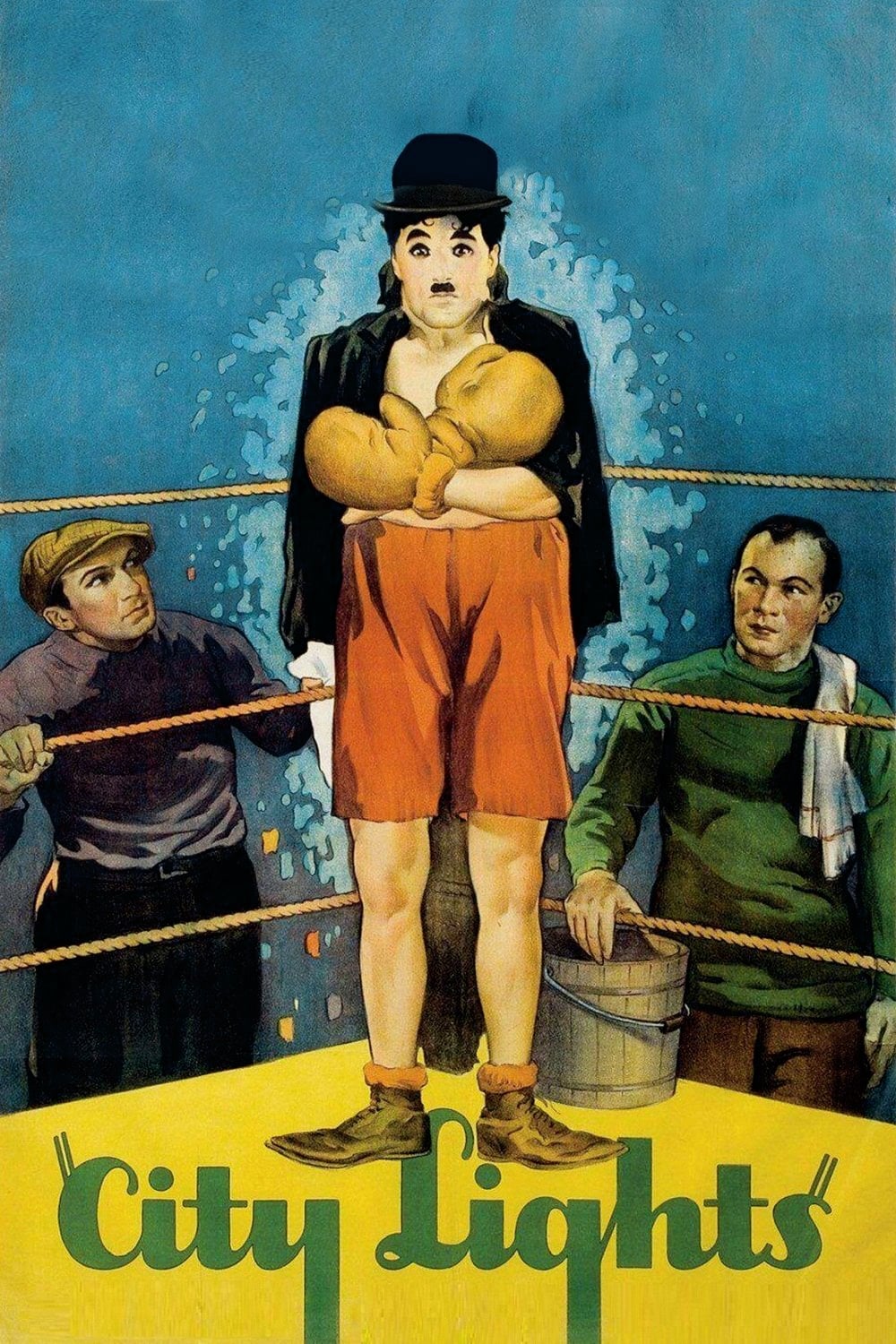
The Historical Landscape
Stepping into the world of “City Lights” for the first time, I felt as if I were peering through a looking glass into an era riddled with contradictions, heartbreak, and resilience. The year of the film’s release, 1931, resonates deeply within me as a marker—a moment perched uneasily between the last gasps of the Roaring Twenties and the all-consuming shadow of the Great Depression. I can never fully separate the gentle whimsy of Chaplin’s Tramp from the overwhelming despair and uncertainty wracking society at that time. The United States, still reeling from the stock market crash of 1929, found itself in a state of collective mourning for lost prosperity, its optimism battered by bread lines and a mounting sense of dislocation. The streets, once so promising during the technological marvels and jazz-fueled euphoria of the previous decade, were now lined with jobless men and families clinging to dignity.
I’m always struck by the sheer audacity it must have taken to birth such a tender and hopeful film in this context. The cinematic landscape in 1931 was cluttered with anxiety—acoustic technologies were rapidly thrusting film into the era of “talkies,” and yet Chaplin stubbornly clung to the silent form that had made him a legend. I see this as more than mere artistic stubbornness. Choosing silence amid the cacophony of technological change felt, to me, like an insistence on slowing down the relentless march of time, a poetic resistance to a world clamoring for novelty. The streets depicted in the film, though ostensibly those of Anycity, USA, seemed to me unmistakably shadowed by the economic collapse—echoes of real people I had read about struggling to reclaim dignity as they hustled to survive. Nowhere is this more apparent, to my sensibilities, than in the way simple acts—such as giving a flower or earning a coin—take on almost mythic weight.
Yet, it isn’t just the American experience that colors my vision of the film’s era. I can’t ignore the global context: Europe was teetering on the edge of radical transformation. Political volatility, nascent extremism, and the rumblings of new ideologies darkened the continent. From my vantage point, “City Lights” appears as a bridge between the old and new, the dying laughter of silent cinema juxtaposed with the foreboding quiet before another global storm.
Cultural and Political Undercurrents
Watching “City Lights,” I’m reminded how art, intentionally or not, soaks up the anxieties and aspirations of its time. What fascinates me about this film is the way it subtly threads the complexities of class division, social alienation, and human decency through its comedic tapestry. Chaplin’s Tramp, with his battered bowler and shuffling gait, is for me less a historical artifact than a living expression of both the desperation and enduring humanity I’ve encountered in so many firsthand accounts of the early 1930s.
The Great Depression wasn’t just an economic event—it was a psychic wound, a pervasive sense that the promise of progress had betrayed the very people it was meant to uplift. I always feel this in the very bones of the film: the interactions between the impoverished Tramp and the blind Flower Girl are as much about the collision of two economic realities as they are about love and charity. I’m struck by how Chaplin, without sermons or polemic, underscores the arbitrary cruelty of fate that the economic collapse revealed. The film’s refusal to valorize either wealth or poverty, its skepticism toward the trappings of affluence, echoes what I’ve read in period literature—a mistrust of the elites and a growing suspicion of systems stacked against the vulnerable.
Politically, this film feels to me like a quiet act of subversion. Chaplin’s own life as an immigrant colored by hardship and exile bleeds into every detail, and nowhere is this clearer than in the Tramp’s endless encounters with bureaucracy and authority figures. I’m always struck by the way policemen, city officials, and self-important bystanders flit through the story—unmoving, unhelpful, or even obstructive. Watching these moments, I can’t help but see them as an indictment of the very institutions that had failed so many during the Depression. While contemporary cinema sometimes reads as mere entertainment, I see “City Lights” as a subtle but potent critique of social and political systems, camouflaged in laughter and pathos so as to escape outright censorship or scandal. The novella of kindness that takes shape within the film is all the more profound because of these silent indictments.
The Film as a Reflection of Its Time
What strikes me most when I revisit “City Lights” is how the film insists upon hope, resilience, and selflessness as the bedrock of survival in hard times. If I let myself dwell on the details, each scene becomes a palimpsest upon which the traumas and small triumphs of 1931 are inscribed. I have always read the Tramp’s toils—not as isolated slapstick, but as reflections of the broader struggle so many faced: the daily indignities of unemployment, the ceaseless hustle to find food or shelter, and, most poignantly, the longing to be seen and valued amid the chaos.
I’m reminded that during a time when American cinema was increasingly bowing to the pressures of synchronized sound, Chaplin’s persistence with silence returned focus to the universality of experience. To my mind, the absence of spoken dialogue does not make the film mute. Rather, it sharpens the viewer’s focus on gesture, on expression, on the small ways humans communicate need, empathy, desire, and disappointment. The lack of sound seems to me a centuries-old whisper woven into a medium obsessed with novelty—an artistic gamble, yes, but also a statement that the things worth saying about the human condition do not always require words. In this way, the film becomes a vessel for both nostalgia and resistance, asserting that old forms can still bear new truths.
When I watch the growing bond between the Tramp and the Flower Girl, I can’t help but connect it to the culture of mutual aid that emerged in Depression-era cities: neighbors feeding neighbors, strangers sharing what little they had, organizations springing up to stave off hunger. The Tramp’s willingness to sacrifice for another without expectation of reward feels to me like both a rebuke and a comfort amid an age that often measured worth by material success. In the millionaire’s bouts of alternating generosity and obliviousness, I see a clear-eyed assessment of the capriciousness of wealth and its unreliable promise of security or kindness. These interactions always seem to take on new resonance for me when I remember how American communities—previously obsessed with individualism—were lurching toward a new sense of collective responsibility for the downtrodden.
Beyond the specifics of the plot, “City Lights” feels, in my reading, like an emotional barometer of 1931, registering both the pain and persistent sweetness that survived in spite of disaster. I’m always moved by the final sequence, so often lauded for its ambiguity. To me, that ending encapsulates the whole era: uncertainty, vulnerability, and—against all odds—a trembling possibility for grace.
Changing Perceptions Over Time
When I reflect on how “City Lights” has been interpreted across the decades, I see a film whose core meanings have both shifted and deepened. In the noisy rush of its initial release, audiences—my impression is—were grateful for a reprieve from their daily worries, embracing the Tramp’s antics as both escapism and reassurance. But as I’ve traced how critics and viewers have dialogued with the film over time, I’m always fascinated by the layers that have since unfolded. The optimism that might have once seemed naïve to Depression-era audiences has, from my vantage point in the future, taken on almost radical overtones. In an America where hardship later became mythologized into national character, the film’s insistence on gentleness reads to me both as antidote and provocation.
There was, in the film’s early reception, an undercurrent of resistance to Chaplin’s nostalgic “old world” methods. I suppose that’s inevitable; every generation wants to break with what came before. What’s curious to me is how the pendulum has since swung: as technology and society have leapt forward and the silent era has become a distant memory, I detect a longing, even among the digitally-saturated, for the kind of universal expression Chaplin embodies. Watching the film today, I notice how its formal choices—once dismissed as outmoded—are now praised as timeless, even avant-garde. The cyclical nature of taste, it seems, has imbued “City Lights” with a kind of sacred aura, not simply because it’s old, but because it seems to address aches that remain unhealed in our own time: loneliness, class division, the struggle for dignity.
My sense is that each decade projects its own anxieties and desires onto the film. Some see it as a love story, others as an allegory for social justice, and still others view it primarily as a feat of formal innovation. It never fails to intrigue me how the Tramp’s anonymity—his refusal to fit neatly into any one class, nationality, or even historical moment—allows viewers to read him as both Everyman and outcast. I’ve met cinephiles who marvel at the technical mastery of the boxing scene, activists who see a proto-Marxist push against capital, and romantics who find in that last tender glance an expression of hope against hopelessness. Each reading, I think, reaffirms the film’s role as living cinema—a mirror reflecting not only the world from which it sprang, but also the era in which it is watched.
Historical Takeaway
For me, “City Lights” is more than the sum of its brilliant gags or its place in film history. It exists as a personal touchstone—a way of feeling the past not as distant fact, but as continuing heartbeat. What I take away from immersing myself in its world is a sharpened sense of how artistic risk, empathy, and humor can together speak more eloquently to an era’s wounds than any mere chronicle. Watching the Tramp move through a city both hostile and full of possibility, I’m reminded that the seemingly small acts—lifting another from despair, persevering through ridicule, loving in the absence of words—are what ultimately shape the texture of an age.
The film, in my eyes, serves as a chronicle not just of 1931 but of the tensions that define every social crisis: the pull between despair and hope, neglect and care, individual striving and communal survival. Its refusal to grant easy answers—its willingness to leave the Tramp’s future unsettled even as he finds recognition—rings truer for me with every passing year. I find in “City Lights” a clear lesson from the era in which it was made: that even when commercial, political, or technological storms threaten to sweep away what is cherished, the deepest currents of human connection can endure. If the world Chaplin inhabited was battered by unpredictability and loss, his film responds by insisting, gently but unflinchingly, that no circumstance can fully eclipse the search for dignity or the need to be seen. That, I think, is what the 1930s have left us—not simply in the history books, but in the lingering light of the Tramp’s shy, indomitable smile.
To see how these real-world elements shaped the film’s impact, you may also explore its reception and legacy.
🎬 Check out today's best-selling movies on Amazon!
View Deals on Amazon