
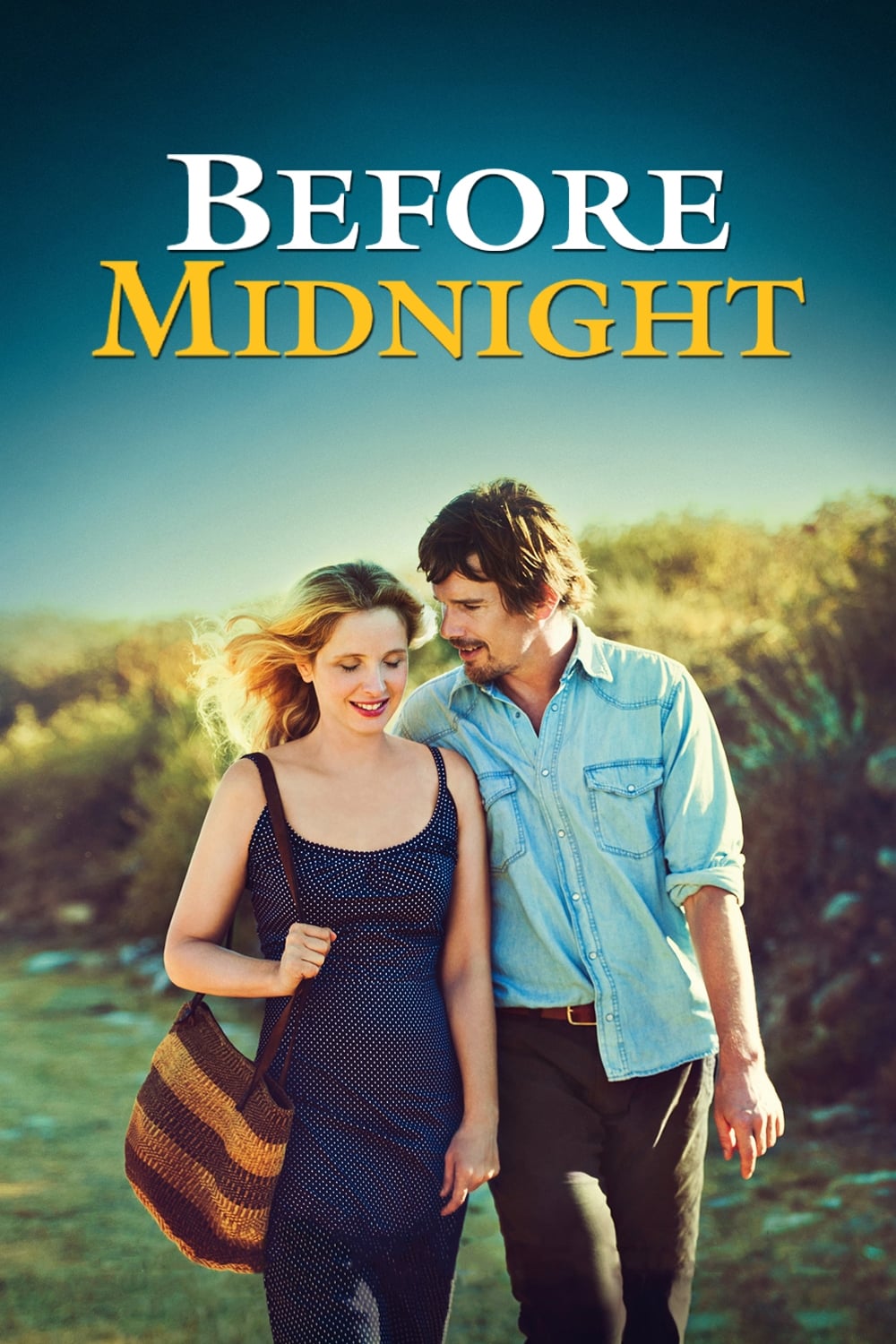
The Historical Landscape
I remember first watching “Before Midnight” during a time when the world itself seemed to stand at a crossroads—not unlike Ethan Hawke and Julie Delpy’s characters, Jesse and Celine, facing another life-defining dusk. The early 2010s felt unmoored. That decade opened with financial turbulence, as the aftershocks of the 2008 global economic collapse lingered, seeping into every aspect of daily experience. Even from my armchair or during conversation with colleagues, those anxieties were palpable: the headlines of eurozone bailouts, American joblessness, and the almost existential uncertainty that shaped our collective mood.
Technologically, I saw the world embracing the smartphone revolution, social networks cementing their grip on how we relate, and globalization rendering old borders less meaningful while simultaneously giving rise to populist reactions against it. The personal and the global seemed to blur, as did the borders between public and private life. There was a push and pull—the digital promise of constant contact, yet the fear that we were losing the capacity for deeper, quieter connection.
In this cultural soup, I noticed cinema growing more introspective. The blockbusters were larger-than-life, but the films that stuck with me, and many of my peers, asked quieter, more searching questions. “Before Midnight” arrived against the backdrop of “prestige indie” cinema’s ascendancy—where directors like Richard Linklater, Noah Baumbach, and Sofia Coppola crafted stories rooted in minutiae, in the poetry of unremarkable moments. I felt the subtle tension in these films: the yearning for truth, stability, and authenticity, amid a time when all those things were cracking beneath our feet.
The Euro crisis hung especially heavy in my reading of “Before Midnight.” Greece itself became a symbol of global fragility: a country grappling with austerity, unemployment, and street-level unrest. For me, the setting of the film isn’t just atmospheric; it’s almost a silent character, an ancient land in the midst of convulsive change. When I think back to the conversations people were having then—about the sense of being unmoored, about relationships tested by hardship, about the shifting expectations between men and women—it’s clear to me that “Before Midnight” belongs squarely within this period of reckoning and search for meaning.
Cultural and Political Undercurrents
I can’t look at “Before Midnight” without thinking about the seismic shifts then rippling through Western societies. The Eurozone’s woes, for instance, weren’t isolated economic events—they cut to the bone of what it meant to be European in a united yet fracturing continent. For me, the Greek setting imbues every frame with historical resonance: those sun-drenched ruins weren’t just backdrop; they were haunted by the collapse and renewal cycles of empires, echoing the personal and collective uncertainties I felt in the air. It’s telling, too, that Linklater set his film in Greece right as the world watched that nation struggle for footing. The ancient columns and olive groves became, in my mind, emblems of endurance amidst chaos, and the film’s characters carried the burden of history in their dialogues, their shared silences.
On another level, I saw the evolving gender dialogue simmer below the surface of Jesse and Celine’s sparring. In the early 2010s, I sensed a growing impatience with traditional narratives about romance. The depiction of a long-term relationship—battle-hardened yet tender, fraught yet loving—felt like a counterpoint to Hollywood’s glossy romances. Conversations about equality, child-rearing, and the sacrifices of professional women were everywhere. Pop culture was peppered with “lean in” rhetoric, media reckonings with work-life balance, and a franker look at how deeply entrenched gender norms affected partnerships.
These cultural anxieties inevitably colored my reading of Celine’s emotional outpourings. Her frustrations with motherhood, her professional ambitions, and Jesse’s paternal guilt all felt heightened by ongoing discussions about the failures of modern masculinity and the emotional labor women were expected to provide. I found myself recognizing debates I’d had at dinner tables—the exasperation over invisible expectations, the negotiations over “having it all,” the exhaustion that comes with being both a lover and a parent. These were part of the collective dialogue, as much as they belonged to these fictional characters.
Politically, the post-crisis skepticism about grand metanarratives was everywhere I looked. Linklater’s film doesn’t offer easy resolutions; to me, this reflects the contemporary sense that tidy answers are a relic of the past. As I watched Jesse and Celine hash out their wounds in real time, I felt that anti-illusionist stance common to the era: a desire to dismantle fairy tales, preferring the honesty of struggle over the escapism of happy endings.
The Film as a Reflection of Its Time
Watching “Before Midnight,” it struck me that the film isn’t just about two people arguing in a hotel room. It’s about living with—and through—crisis. The movie feels almost diaristic; the characters’ conversations about fidelity, aging, and regret are written in the ink of uncertainty. I remembered the wounded post-recession mood so clearly: the way people talked less about dreams and more about survival, about making things work. Jesse and Celine, now in middle age, abandon the buoyant hope of “Before Sunrise” and the bittersweet urgency of “Before Sunset” for something rawer, more bruised.
The film’s realism isn’t just a stylistic choice—it’s a historical one. Linklater seemed to me to be dialoguing with the culture’s move away from idealization. The conversations in “Before Midnight” are careworn, and it felt like a reflection of an entire society recalibrating its approach to love, work, and identity. There’s a kind of honesty here—the acknowledgment that love doesn’t conquer all, that baggage accumulates, and that the world’s instability seeps into the most intimate corners of our lives.
I see the film’s structure—an unbroken flow of dialogue, arguments that rise and fall, and silences that wound—as a testament to a growing appetite for authenticity over spectacle. As economic realities forced many to question life choices and relationships, “Before Midnight” seemed to ask: What does perseverance mean when the world no longer promises safety? I saw Jesse and Celine’s negotiation of responsibilities, desires, and disappointments as an allegory for a generation forced to accept compromise, to adapt, and to find meaning in the mundane rather than in fantasy.
Another layer is the film’s emphasis on communication. I found myself drawn again and again to the disconnects, the misreadings, the small mercies and cruelties of language between longtime partners. In the era of digital communication, where misunderstandings can flare with a misfired text, I saw this as emblematic of our struggle to remain close in a hyper-connected but emotionally distant age. The characters’ attempts to bridge their differences seem, to me, like a metaphor for the wider project of maintaining connection through uncertainty—whether in relationships, international cooperation, or in our sense of self.
Finally, the film’s sense of time—its acknowledgment of history, aging, and irreversibility—struck me as a response to an era obsessed with youth and novelty. This was a time when nostalgia and remembrance were everywhere: social media “throwbacks,” retro revivals, even a rise in historicized storytelling. For Jesse and Celine, as for so many people I knew, confronting the past wasn’t just personal; it was cultural. The film’s gaze is unflinching, refusing the comforts of selective memory, lingering instead over the costs of our choices. That, to me, was a hallmark of the early 2010s cinematic and social sensibility.
Changing Perceptions Over Time
As years passed, my readings of “Before Midnight” have shifted. At the time of release, I felt the rawness of the couple’s struggle mirrored the exhaustion and skepticism that defined so many conversations about love, marriage, and adulthood. But time has recontextualized the film for me. The economic instability has faded somewhat, but the anxieties about connection, burnout, and gendered labor have only deepened. What felt, in 2013, like a brave admission of imperfection now sometimes strikes me as a warning—about the cost of chronic dissatisfaction and the fragile threads that bind even the most seasoned partners.
I’ve watched the dialogue around the film evolve alongside shifting norms. Conversations I have today are sometimes more forgiving of the characters’ flaws. There’s sympathy, certainly, but also a sharper critique regarding the gender dynamics at play. Modern discussions about “emotional labor” and “mental load” have given new language to what Celine expresses: her resentment isn’t just personal, but a reflection of broader systemic imbalances. Simultaneously, Jesse’s struggles with distance from his son gain new resonance in a world where cross-continental families, shared custody, and co-parenting are increasingly common but still fraught.
The encroachment of technology also casts a longer shadow over recent viewings. When I first encountered the film, I took its long takes and focus on dialogue as a formal rebellion against rapid-fire, social media–fueled attention spans. Now, in a world even further atomized by algorithmic influence, the yearning for sustained, face-to-face conversation feels bordering on utopian. I can’t help but mourn the patience “Before Midnight” demands; these days, so much of life happens in quick reactions and fragmented exchanges. The film feels like an artifact from a moment when slow, difficult conversation was still culturally prized, even as it was slipping away.
I also notice generational changes in how viewers of different ages relate to the film. While contemporaries of Jesse and Celine may recognize themselves in the film’s negotiation between passion and resignation, younger viewers sometimes read their conflicts as cautionary—an argument, perhaps, for reimagining commitment entirely. The battles over ambition, identity, and reconciliation seem both perennial and, at the same time, relics of an era approaching middle age in the shadow of so much uncertainty.
In my own reflections, I return to the film for its candor, for the rare grace of watching partners admit how difficult it is to stay connected over time. The film’s legacy grows as these themes remain as urgent as ever—proof that however much the world has changed, the basic project of human connection is still fraught with contradiction and hope.
Historical Takeaway
For me, “Before Midnight” stands as a testament to an era where certainty was in short supply and hard truths replaced comfortable illusions. I see in the film the mingling of personal and historical crisis—the way global anxieties seeped into daily life, rendering even a sunlit Greek holiday tinged with regret and expectation.
What the film ultimately teaches me about its era is this: in times of social upheaval and shifting norms, the search for authenticity takes on a particular urgency. The film doesn’t offer nostalgia or easy comfort. It meets the historical moment head-on, showing the necessity—and cost—of honesty in love, the complexity of reshaping identity alongside a partner, and the reality that history both wounds and reveals. I find the endless negotiation between Jesse and Celine to be more than personal drama; it’s a meditation on surviving in a world where the old scripts no longer apply, and every relationship is, in its way, a small act of historical reckoning.
What lingers for me, long after the credits roll, is a sense of recognition. The film doesn’t provide answers, but it illuminates the pressing questions of its time: What does it mean to endure? Can connection survive disillusionment? Is there grace in embracing imperfection? Looking back on the early 2010s, I realize that these questions weren’t just cinematic—they were everywhere. “Before Midnight” offered, and still offers, a kind of solace: not by denying uncertainty, but by inviting us to dwell within it, together.
To see how these real-world elements shaped the film’s impact, you may also explore its reception and legacy.
🎬 Check out today's best-selling movies on Amazon!
View Deals on Amazon