
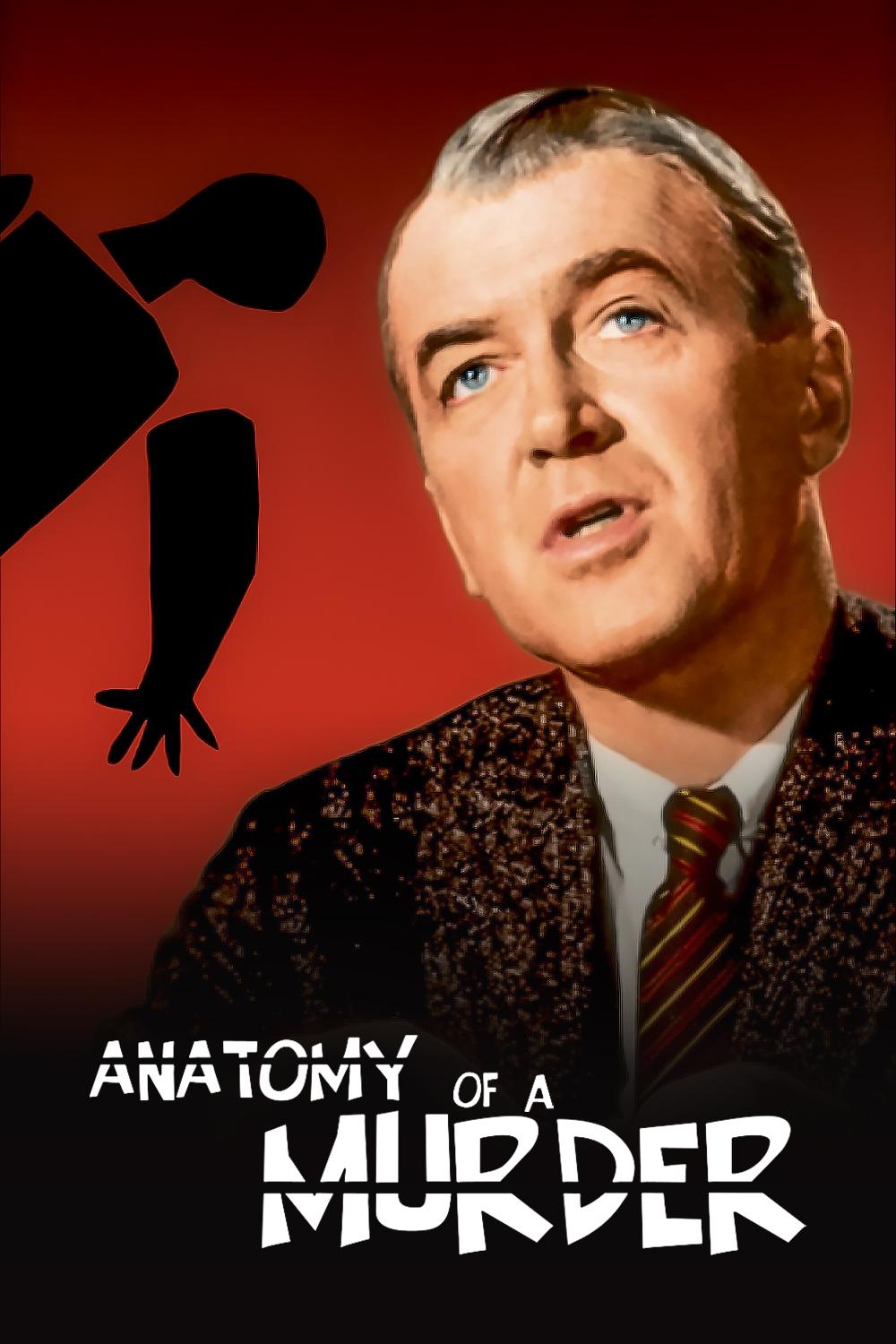
The Historical Era of the Film
Whenever I look at Anatomy of a Murder (1959), I’m immediately reminded how entwined its identity is with the deep undercurrents of postwar American life. The breadcrumbs of the late 1950s—politically, socially, and economically—shape nearly every frame and directorial choice. For me, the specter of McCarthyism and the chilly hangover of the Cold War seem just beneath the film’s surface, coloring how people related to each other and how justice was discussed in public spaces. This was a period when suburbanization accelerated, families clung to security, and anxieties simmered beneath a polished, consumer-driven exterior. The Eisenhower administration’s steady, calm leadership dominated, but I always sense the unspoken edges: an undercurrent of skepticism about institutions, fueled by the memory of war and the dawning recognition of persistent inequalities.
Economically, it was a boom era for many Americans, but the prosperity was stubbornly uneven. I’m struck by how small towns, like the one depicted in the film, felt both isolated and representative of the struggles filling the nation’s living rooms—issues of gender, authority, and class never entirely out of mind. In the midst of all this, television exploded as a cultural force, changing how people understood their own lives in relation to the larger world. The legal system, a central pillar in Anatomy of a Murder, was itself at a crossroads, as Supreme Court opinions and media coverage spotlighted everything from civil liberties to the limits of free expression.
For me, these circumstances are impossible to ignore when trying to understand why the film’s legal drama felt so raw and unvarnished at the time. It was not made in a vacuum; its forthright handling of controversial subject matter mirrors a society inching, however hesitantly, toward introspection.
Social and Cultural Climate
For a film like Anatomy of a Murder, the dominant social attitudes and tensions of the 1950s infuse every scene with meaning I wouldn’t want to overlook. The United States during that decade projected an aura of consensus and conformity, but as I pore over the film, I detect cracks everywhere: alienation, questioning of authority, and a growing willingness to acknowledge the realities of sex, crime, and morality. These weren’t topics for polite dinner conversation, and yet, they seeped into public consciousness in ways that are palpable to me now.
Gender relations, in particular, stand out when I watch the film. I notice all the ways women are scrutinized—caught between newfound independence and the lingering expectations of postwar domesticity. Sexual assault was rarely discussed publicly, let alone depicted onscreen with the frankness and ambiguity seen here. I imagine most audiences, accustomed to the Production Code era’s tight restrictions, must have been startled by the film’s candor, as was I upon first viewing. That same sense of shock and discomfort lingers today when I confront the honest, sometimes murky discussion of crime, violence, and the limits of law.
Cultural anxieties about respectability, reputation, and the trustworthiness of institutions form the bedrock of this social landscape. In my own analysis, I feel the push and pull between a society yearning for stability after decades of upheaval, and the ever-present urge, especially in creative realms, to challenge taboos and invite difficult conversations. This is the climate in which the film arrived—an era poised for change, but not quite ready to embrace it publicly.
How the Era Influenced the Film
When I contemplate how the historical context shaped Anatomy of a Murder’s story and production, I’m struck by how daring it feels even today. The film’s willingness to depict messy, unresolved truths speaks directly to the shifting atmosphere of its era. For me, these choices represent not just a reaction to contemporary anxieties, but an active engagement with them. In 1959, pushing past the taboos that governed American entertainment required boldness—legal dramas rarely tackled sexual violence or ambiguous morality with such openness.
In my mind, the characterizations—particularly those of Laura Manion and Paul Biegler—reflect the era’s brewing discontent with rigid social roles. Their depth signals a growing fascination with psychological complexity, a direction I associate with the influence of modern psychiatry and headline-grabbing criminal trials. The script’s frank language and its nuanced examination of due process suggest a quiet rebellion, as if the filmmakers were testing what the public was ready to hear about sexuality, justice, and guilt. This directly reflected the legal ferment of the time, with courts wrestling with issues like defendants’ rights and the definition of obscenity.
- Lingering restrictions of the Production Code began to loosen
- Cold War anxieties about authority and conformity influenced storytelling
- Gender roles were evolving in the wake of World War II
- Wider societal debates about the criminal justice system were emerging
Production choices, too, bear the stamp of their moment. I’ve always admired the on-location shooting in Michigan, a break from the carefully controlled studio environment. This decision, I think, speaks to a larger trend: a desire for realism, for grounding fiction in recognizable places. Every detail—from costumes to courtroom procedure—was informed by a respect for authenticity, a quality increasingly prized in late-1950s American cinema. And the celebrated Duke Ellington score marks yet another way the era’s crosscurrents—between tradition and innovation, mainstream and subversive—found expression in the film’s DNA.
Audience and Critical Response at the Time
I find it illuminating to explore how people first reacted to this film, which arrived on screens during a period of gradual cultural thaw. Contemporary audiences, as I’ve learned through reviews and press accounts, were simultaneously fascinated and unsettled by what they saw. Many viewers, conditioned by decades of sanitized courtroom dramas, were taken aback by the direct language used in describing sexual assault and the human imperfections of every character involved. I can imagine moviegoers whispering in the theater, grappling with how to process taboo words and the film’s refusal to deliver easy answers.
Critics, too, were divided—but what strikes me is the tone of reluctant admiration that emerges from even the most critical responses. On one hand, there were accusations of sensationalism and vulgarity, particularly from defenders of the Production Code. On the other, some critics heralded the film as a new benchmark for legal realism and mature subject matter. The fact that the film prompted public debate about censorship is something I find revealing: it became a touchstone in arguments about whether American cinema should continue to shield audiences from difficult realities or invite them to confront complexity head-on.
The box office returns show that the film resonated with broad swaths of the public, despite—or perhaps because of—the controversies it stirred. I interpret this as a sign that, even in 1959, Americans hungered for stories that didn’t flinch from ambiguity. Anatomy of a Murder became, for many, an emblem of change: a daring, sometimes uncomfortable, but undeniably significant moment in cinematic history.
Why Historical Context Matters Today
Each time I revisit Anatomy of a Murder, I’m reminded how crucial it is to situate films in their own time if I want to appreciate their boldness and limitations. Without the historical context, modern viewers might miss the extent to which the movie broke barriers in terms of language, subject matter, and courtroom realism. For me, understanding the chill of Cold War suspicion, the expectations facing both men and women, and the cultural weight of the Production Code enhances the film’s impact—what seems routine or even tepid now was once inflammatory and ground-breaking.
Analyzing the film through a historical lens also helps me see why certain choices were made. What now feels like cautious ambiguity in the depiction of consent, trauma, and legal process was, in its day, a radical attempt to nudge the public toward a more honest reckoning with complex issues. Over time, I see how these efforts paved the way for later, even bolder narratives that could openly address topics once too risky for mainstream audiences.
More than that, I think acknowledging this context fosters empathy: for the artists who risked censure, for the audiences grappling with discomfort, and for the broader society inching toward modernity. To watch Anatomy of a Murder with this knowledge is, for me, to witness the moment American cinema grew up a little—reshaped by the fears, hopes, and restless energies of the late 1950s.
After understanding the factual background, you may want to see how this story was received as a film.
🎬 Check out today's best-selling movies on Amazon!
View Deals on Amazon