
The Historical Landscape
There’s a faint nostalgia that washes over me whenever I think back to the closing years of the twentieth century—a moment when optimism and anxiety collided in the American psyche. 1999, the year American Beauty was released, felt suspended between two centuries, balancing on the edge of both possibility and unease. I remember how the world around me seemed caught up in the relentless hum of technological progress: the internet had gone from novelty to necessity almost overnight, cellphones were shrinking but our social anxieties were expanding, and the phrase “Y2K bug” hovered over every conversation about the coming millennium. It was an oddly exhilarating disquiet—something in the air told me that the next chapter would be different, yet nobody could articulate exactly how.
At the time, prosperity was everywhere or, at least, that’s what the parade of SUVs and dot-com millionaires suggested. I often felt like the country was indulging in a reckless optimism—a belief that endless growth and comfort would keep real hardship at bay. The suburbs, once a symbol of postwar hope, looked increasingly manicured and bland to my eyes. Yet beneath their perfect lawns and tastefully muted façades, I sensed a restless yearning—some emotional vacancy that no new appliance or promotion could fill. In standing before the rows of identical houses, I always imagined what went on behind those windows: the arguments, the quiet despairs, the desperate little rituals by which people tried to keep meaning alive.
I saw the late 1990s as a period of paradoxes—peace without tranquility, wealth without satisfaction. Political scandals surfaced almost as a form of entertainment: Bill Clinton’s impeachment was dissected on every screen, yet it often seemed like a sideshow, less about justice and more about the spectacle American culture had become. Everyone watched, everyone had opinions, but the sense of earnest engagement with civic life felt somehow thinner than in prior years. Even as America enjoyed its relative world dominance and a seemingly unbreakable economy, I noticed a mood of disconnection. Families, workplaces, and entire communities seemed to drift further apart, masked by the polite gestures of suburbia.
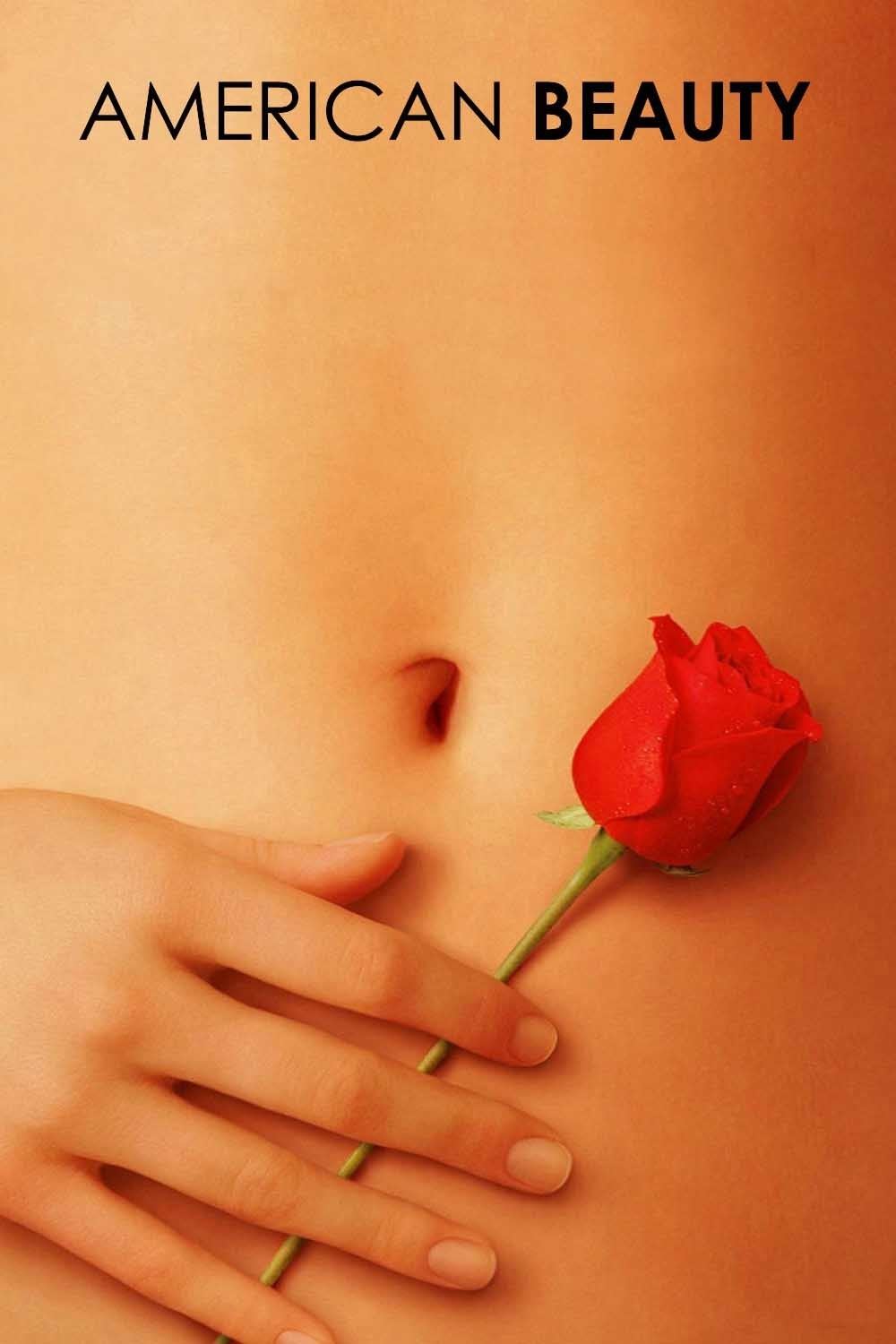
The pop culture of that era reflected both the malaise and the hope I felt in the air. TV comedies riffed on underwhelmed office workers and dysfunctional families; music oscillated between upbeat pop and the angst of grunge’s lingering aftershocks. Everywhere I turned, it was as if America had fallen in love with a vision of itself that was both beautiful and hollow—a paradox American Beauty so distinctly grasped. It was a time when a single red rose, perched against a pristine white wall, could symbolize either passion or artifice. The historical backdrop for the film is not just a year or a decade, but a collection of shared uncertainties and unspoken yearnings, surfacing just below the surface of late 20th-century life.
Cultural and Political Undercurrents
As I watched American Beauty for the first time in 1999, I was struck by the way it channeled the suburban malaise that had been quietly accumulating in the culture around me. Underneath the cultural sheen of “having it all”—the sturdy jobs, the tidy houses, the illusion that the American Dream was still alive and well—I felt a persistent, gnawing disenchantment. The era’s prosperity felt thinly lacquered over deeper troubles: rising divorce rates, a spike in antidepressant usage, and a chorus of disaffected youth who saw little to admire in their parents’ choices.
The film, to me, is saturated with the politics of appearances—the culture wars over what families should look like, how sexuality should be expressed, and what constituted true “success.” Looking back, I recognize the fascination with surfaces that defined that period. Home improvement shows dominated television, self-help books filled shelves; everywhere, self-presentation seemed paramount. But the energy behind this performative perfection struck me as deeply anxious—a collective worry that the façade would crack. The “Don’t ask, don’t tell” policy, popping up in news cycles, echoed a kind of emotional compartmentalization I recognized in the film’s characters, each one iconically trapped by the person they were expected to be.
There was a silent wariness, too, about the nature of family and identity. I recall the proliferation of media coverage addressing the “crisis of American masculinity”—men uncertain of their place in homes and offices transformed by new economic realities. Meanwhile, the sexual revolution’s ripples were far from finished. I heard nervous jokes about midlife crises on talk radio, yet those gags betrayed a craving for something unspeakable—real intimacy or a return to some elusive authenticity. American Beauty is riven with this cultural tension: the struggle between privately felt longing and publicly performed contentment.
There’s no separating the film from the political mood that cast its shadows in the background. Social conservatism and liberal rebellion were locked in uneasy coexistence; I remember teenagers turning every minor rebellion—hair color, music choices—into statements against conformity. Yet, beneath those postures, even the rebels seemed unsure of what came next. The rise of surveillance culture, both literal (with neighborhood “watch groups” and video cameras) and emotional (parents helicoptering over every adolescent misstep), turned home into a zone of quiet constraint. The anxiety of being observed, judged, and measured is etched into the film’s DNA, and for me, it mirrored the broader suspicion that society’s rules had become arbitrary, brittle—ready to be questioned but not yet abandoned.
The politics of difference—racially, sexually, ideologically—simmered just out of sight. I remember how often I’d hear conversations in which “diversity” was celebrated, yet meaningful integration and dialogue remained elusive. This unease, this negotiation of boundaries and identities, infused the culture with both promise and apprehension. The sense of “us” and “them” often played out in those perfectly aligned neighborhoods—a city of hidden divides behind rows of matching mailboxes. The era nurtured a longing for disruption, a desire to shake free from all that felt inauthentic, even as everyone seemed unsure of what “realness” looked like anymore.
The Film as a Reflection of Its Time
What American Beauty revealed to me, even on that initial viewing, was an unblinking portrait of late 1990s America—one that refused both nostalgia and condemnation. Its focus on the spiritual exhaustion of middle-class suburbia felt profoundly timely. I saw, in Lester Burnham’s quiet resignation and eventual rebellion, an articulation of frustrations I’d noticed everywhere: the empty routines, the compromised dreams, the sense that ordinary life offered comfort but not meaning. His journey, as messy and misguided as it becomes, was something I recognized in the self-help manias, the gym memberships, the desperate efforts to reclaim youth or passion that swept across my social circles and the wider culture alike.
What strikes me most is the way the film dramatizes the pursuit of authenticity in a culture seemingly hostile to it. I remember how, by the late ’90s, irony had become a second language; sincerity was met with suspicion, even among close friends. The film’s characters—Carolyn with her mania for appearances, Lester with his sarcastic withdrawal, Jane with her cynical teenage armor—all seemed to embody an era in which vulnerability was a liability. Watching them struggle to break free of their own defensive routines, I saw the ways the era’s conventions suffocated genuine feeling, even as new forms of expression beckoned beyond the safe borders of suburbia.
I also sensed, in the film’s tangled relationships, the cost of failing to connect. The emotional barricades constructed by the characters mirrored the broader American landscape I inhabited—one where everyone seemed to be talking but no one was really listening. The rise of digital communication tools—email, instant messaging—promised connection, but I remember how hollow much of that contact felt. The film’s aesthetic—a world of shimmering surfaces and hidden anxieties—oscillated between jaw-dropping beauty and chilling vacancy. That’s precisely how I experienced the period: alluring, overlit, and strangely insubstantial.
The film’s boldness in portraying the dissolution of traditional roles also felt like a reckoning with the shifting boundaries of gender and power I saw playing out everywhere. Women like Carolyn leaned into professional ambition and self-reliance, while men like Lester found themselves adrift, grasping at largely outdated markers of authority and desire. The ambiguity, the instability—these currents seemed as much a reflection of the moment as any newspaper headline. Even the film’s ending—a violent eruption beneath the placid surface—struck me as a distillation of the era’s lurking fears. Beneath all the comfort and composure, I always suspected there was a trembling sense of threat or loss, some reckoning with everything the American Dream could not provide.
Perhaps most hauntingly, I noticed how morality blurred in the film’s world. All the codes by which I learned to judge—hard work, family loyalty, sexual discipline—collapsed or inverted, leaving only uncertainty in their wake. I remember how, around this time, notions of right and wrong seemed to soften or fragment under the pressure of endless choice and relentless self-presentation. The film refuses easy solutions or villains. It forces me—as it forced its first audience—to sit with the ambiguity and to feel, in some ways, implicated by what it reveals about the roles we all perform.
Changing Perceptions Over Time
My relationship with American Beauty has evolved in ways I could never have predicted when I first saw it bathed in the golden light of its year 1999. Immediately after its release, my friends and I spoke of the film as if it had cracked open a secret truth—unveiling what we all suspected about suburbia and the emotional costs of success. At the time, the film’s audacity and beauty overshadowed its potential flaws. It felt radical, subversive, even funny in its willingness to shake up the cultural consensus about happiness and family life. The image of a middle-class patriarch breaking free—however clumsily—from his domesticated cage struck many as both thrilling and necessary, a catharsis for anyone who felt suffocated by the constraints of an ordinary life.
Years passed, and the world changed. Scandals emerged about those involved in the film. Social and cultural conversations moved forward, often leaving the late-1990s mindset looking painfully naïve. In the wake of #MeToo and other reckonings with power and gender, parts of the film—especially its sexual themes—strike me now as dated, even troubling. The once-transgressive lens through which the film viewed desire and rebellion sometimes feels, to my modern eyes, fixated on male wish fulfillment, less interested in what women or teens themselves might desire or deserve. What once seemed like a clear-eyed dismantling of false ideals now looks, in places, dangerously close to reaffirming them, albeit with a twist of dramatic irony.
I find myself more critical now of the film’s flirtation with taboo, and more attuned to the voices—particularly Carolyn and Jane’s—that the narrative sometimes sidelines. In some circles, the suburban critique that once thundered with relevance now reads as familiar, even simplistic. The culture wars have become more complicated; the borders between public performance and private longing ever blurrier in the social media era. The secrets we keep are often shouted across the virtual street. Yet even knowing all this, I still sense in the film a precision about the emotional disconnections of its era—an ache that transcends some of its awkward moments or obsolete assumptions.
Over time, I have also come to see the film’s style as inseparable from its message. Where I once admired its cleverness, I now notice the ways that cleverness can shade into cynicism. The camera’s languid drift over suburbia no longer feels as fresh, yet it still captures something profound about late-century alienation. Today’s viewers may laugh at the old computers or the casual references to Y2K, but the sense of lives measured out in keystrokes and quiet desperation remains intact, if transformed. On rewatch, I am less certain of the film’s answers, but more appreciative of its willingness to dwell in discomfort, to ask what meaning can survive the collapse of old narratives.
The legacy of American Beauty is thus, to me, more complex now than it was in the cultural moment of its arrival. Its beauties are tarnished but not erased. Its vision, for all its dated edges, retains a clarity about the costs of our collective pursuit of perfection and the ache for something genuine within it. The changing interpretations do not negate the film’s importance; rather, they deepen its place in the ongoing dialogue about who we are and what it means to want more than the world has promised.
Historical Takeaway
As I look back, I believe American Beauty offers an unguarded moment of self-examination for an era that was, in so many ways, uncertain of its own depth. The film is a snapshot—not just of turn-of-the-century suburbia but of the limits of American prosperity, the sharp edges of what it means to belong, and the hidden hunger for authenticity behind every polished surface. What it teaches me, above all, is how impossible it is to separate the triumphs of an age from its doubts, its promises from the fears they conceal.
The end of the 1990s was a time of opulence laced with apprehension. The prevailing story I inherited—if you did everything “right” you would be content—seemed to wither under the film’s gaze. What emerges, instead, is a broader truth: the pursuit of beauty, perfection, and approval cannot substitute for risking connection, for being truly seen. For all the film’s flaws, it reminds me again and again that each era must wrestle with its own discontent; the precise style may change, but the questions endure. What do we really want, and what will we give up to get it? Is it possible to live a beautiful life, or only to appear to?
In its moment, American Beauty drew back the curtain on the bargains we strike to maintain comfort, revealing their hidden costs. It demanded that we acknowledge the despair beneath the laughter, the anger woven into routine. If times change and our reading of the film changes too, that is, to my mind, its most lasting value. It is less a warning or a condemnation than a mirror left in the middle of a once-unshakable dream. What I see in that reflection tells me as much about where I’ve been as where, perhaps, we’re all going.
To see how these real-world elements shaped the film’s impact, you may also explore its reception and legacy.
🎬 Check out today's best-selling movies on Amazon!
View Deals on Amazon