
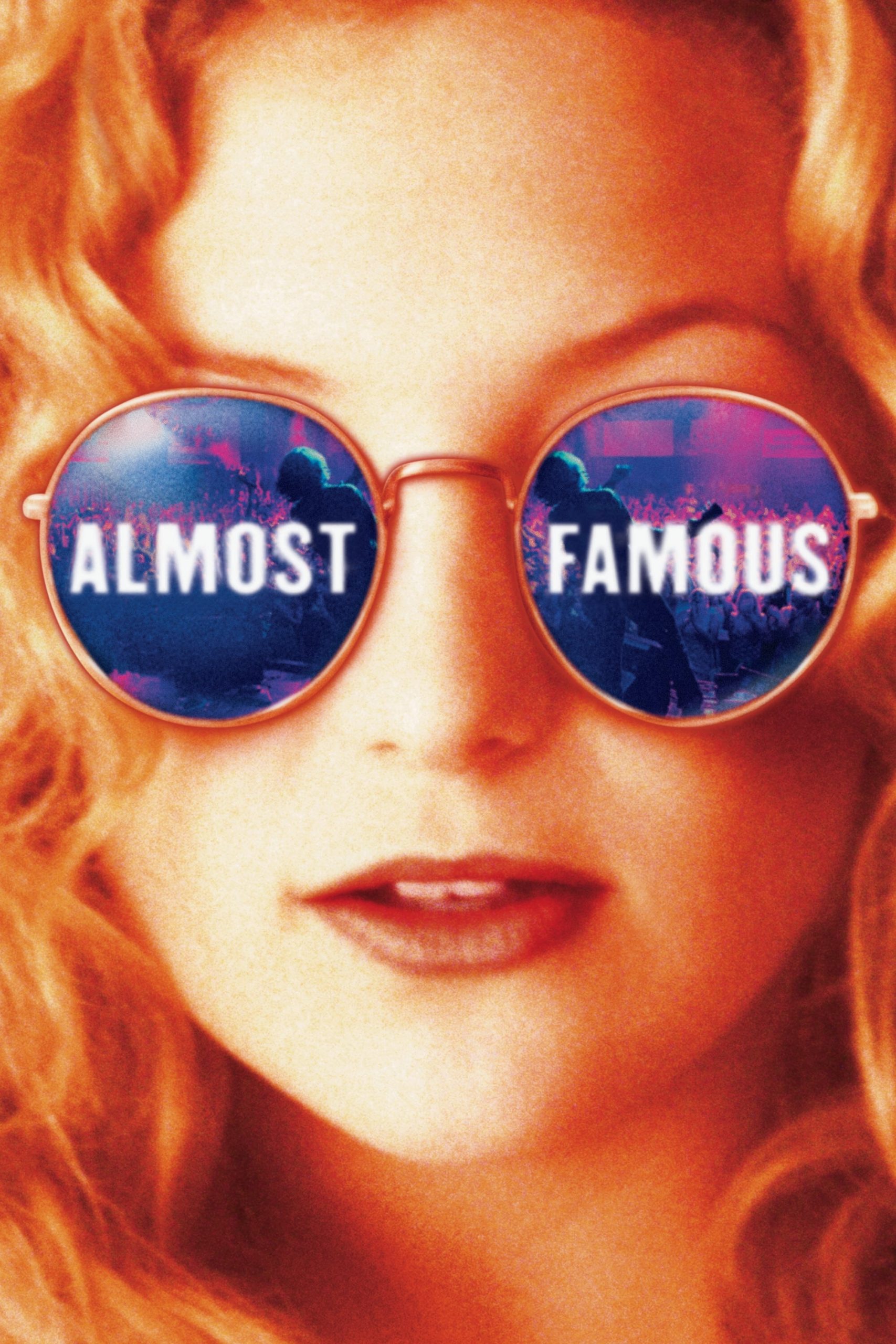
The Historical Era of the Film
The historical context of Almost Famous (2000) is rooted in the early 1970s, a period marked by significant political, economic, and social shifts in the United States. The aftermath of the turbulent 1960s lingered, with the Vietnam War drawing to a close and the Watergate scandal beginning to unravel, which led to widespread government distrust. Economically, the country encountered stagflation—a rare combination of stagnant growth and inflation—making the era uncertain for both workers and the music industry.
Social movements for civil rights, women’s liberation, and LGBTQ+ advocacy continued to shape the atmosphere, with younger generations challenging traditional norms and seeking authentic self-expression. The music scene, particularly rock, mirrored these transitions, serving as a form of protest, escapism, and cultural commentary. The role of mainstream media was evolving as new platforms started to amplify diverse voices, while traditional gatekeepers began to lose their grip.
The production era of the film—around the late 1990s—echoed significant nostalgia for the sincerity and upheaval of the 1970s, creating fertile ground for stories revisiting that decade. Thus, Almost Famous emerged against a complex backdrop of national reflection, generational change, and economic unpredictability, making its historical era central to both its narrative and reception.
Social and Cultural Climate
The social and cultural climate of the early 1970s was characterized by an intense desire for change, authenticity, and freedom, particularly among young people. Rock bands and music journalists became prominent figures, not only chronicling but actively shaping youth culture. Influenced by the rise of counterculture movements, social attitudes toward sex, drugs, authority, and personal identity shifted dramatically, with many challenging conventional life paths and embracing alternative lifestyles.
Music itself became a cultural battleground, reflecting the era’s political dissent and social experimentation. The recording industry saw both explosive creativity and increasing corporatization, giving rise to tensions between artistic integrity and commercial interests. The popularity of music magazines and gonzo journalism offered new ways to capture and critique the changing landscape.
During the film’s production era, the late 1990s, there was a renewed fascination with the 1970s, seen in fashion, media, and new forms of storytelling. Dire socio-political events were less pressing, allowing filmmakers and audiences to reflect nostalgically on the recent past. This period provided an opportunity to reinterpret the legacy of cultural icons and values from two decades prior.
- Widespread youth rebellion and anti-war protests
- Expansion of rock and popular music as social commentary
- Heightened distrust in political institutions post-Watergate
- Shifts in sexual and social norms
How the Era Influenced the Film
The era’s historical circumstances profoundly influenced the story, characters, and production of Almost Famous. Drawing from the lived experiences of music journalists in the 1970s, the film captured the complex relationship between artists, fans, and the media during a transformative period for American music culture. Characters embody the era’s search for meaning, authenticity, and connection, frequently testing boundaries in pursuit of creative freedom.
Production design, costumes, and soundtrack choices are deeply rooted in the period’s aesthetics. The filmmakers recreated the visual ambiance of 1970s America, from concert halls and hotel rooms to tour buses, using archival references to ensure authenticity. The emergence of Rolling Stone magazine as a force in music journalism provided a template for the protagonist’s journey, highlighting how youthful ambition intersected with the moral and professional complexities of the time.
Moreover, the film’s script, dialogue, and character motivations are shaped by wider uncertainties of the 1970s, capturing both the optimism and disillusionment of a generation. The 2000 production context, marked by nostalgia for the music and culture of the past, reinforced these choices, encouraging audiences to reflect on both the progress and the recurring dilemmas facing artists and seekers in any era.
Audience and Critical Response at the Time
The audience and critical response to Almost Famous at the time of its release reflected an appreciation for the film’s historical fidelity and emotional resonance. Viewers who experienced the 1970s firsthand recognized the film’s detailed recreation of the musical and social milieu, while younger audiences found its coming-of-age narrative compelling and accessible. The film was lauded for its attention to period detail, authentic soundtrack, and nuanced depiction of the complexities within the music industry.
Critics praised the direction and performances, noting how the film balanced nostalgia with critical insight into the 1970s era. It received several awards and nominations, including the Academy Award for Best Original Screenplay, underscoring its impact as a cultural artifact. The film also sparked discussions about journalistic ethics, authenticity in storytelling, and the enduring power of rock music.
Contemporary audiences responded positively to the reverence for the period’s spirit, viewing the film as both a tribute and a sober reflection on the costs of fame and idealism. The historical context provided a foundation for the widespread acclaim and lasting affection the film enjoys in popular memory.
Why Historical Context Matters Today
Understanding the historical context of Almost Famous significantly enhances modern appreciation of the film. It allows current viewers to grasp the unique social, political, and artistic conditions that shaped its characters and themes. By situating the story within the shifting landscape of the 1970s, audiences can better comprehend the motivations and dilemmas that defined the era’s youth, music, and media industries.
The film serves as a time capsule, capturing a moment when cultural boundaries were rapidly changing and when the music scene was both inspired and challenged by outside forces. For today’s viewers, recognizing the disillusionment with authority, the pursuit of authenticity, and the transformative role of music helps bridge the distance between past and present. In an era when questions about the media, celebrity, and cultural identity remain pressing, the historical backdrop of the film remains highly relevant.
Examining the production era—the end of the 20th century—also helps to contextualize why stories set in the 1970s continue to resonate with audiences, highlighting cyclical patterns in American society and in artistic expression. The film’s accurate depiction of its historical moment contributes to a richer, more informed viewing experience, underscoring the ongoing interplay between history, culture, and cinema.
After understanding the factual background, you may want to see how this story was received as a film.
🎬 Check out today's best-selling movies on Amazon!
View Deals on Amazon