
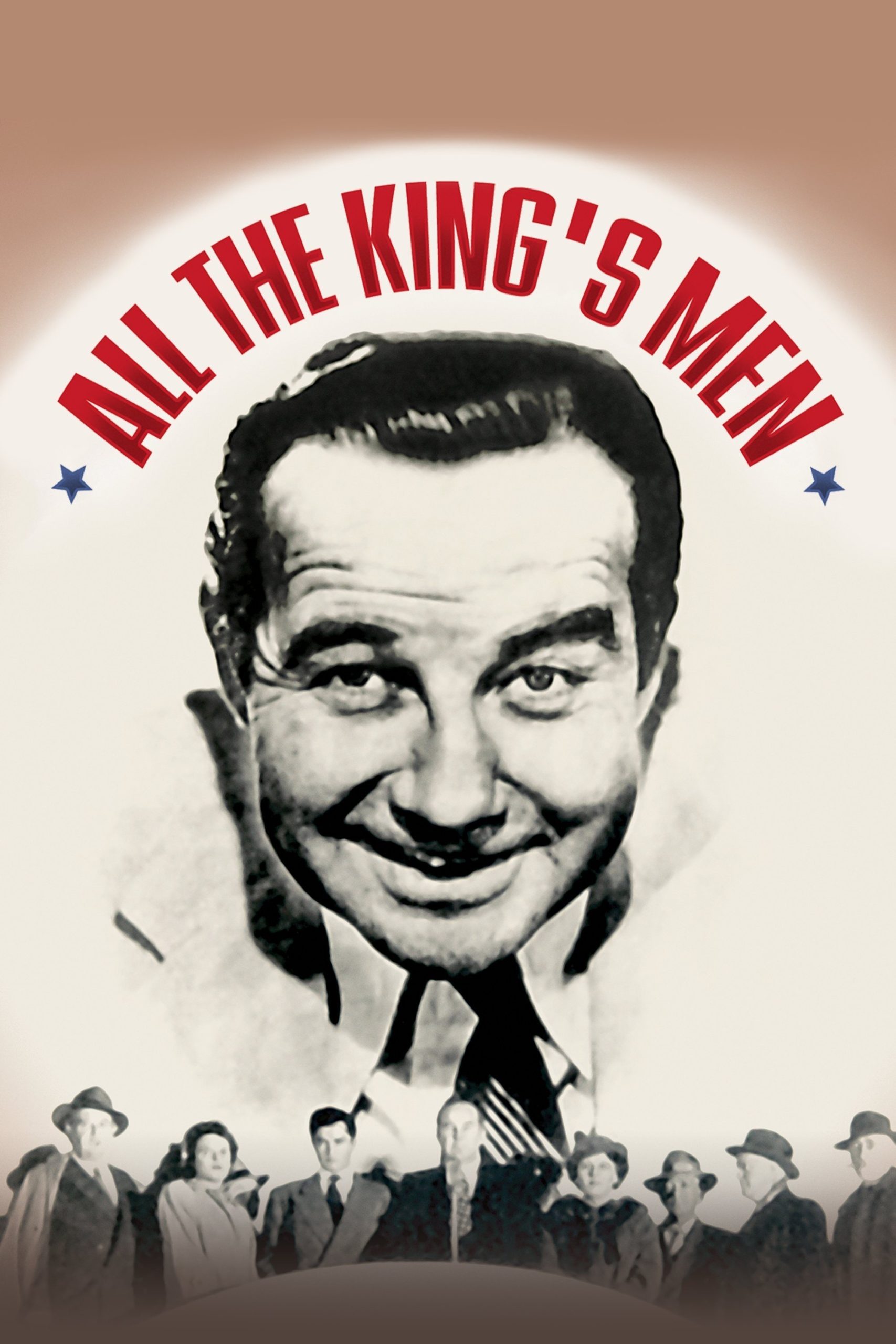
The Historical Era of the Film
The historical context of All the King’s Men (1949) is rooted in the unique social, political, and economic environment of the late 1940s in the United States. The years immediately following World War II were marked by a period of profound transition. Politically, America was establishing itself as a world superpower while grappling with the onset of the Cold War, which fostered a climate of suspicion and ideological struggle against communism. At home, returning veterans and the general population faced the challenge of integrating into a peacetime economy. The prosperity of the postwar boom brought optimism, increased consumerism, and rapid urbanization, but it also highlighted deep-seated inequalities and regional disparities.
Simultaneously, the American South underwent significant shifts. The era’s lingering legacy of the Great Depression and the effects of the New Deal still influenced both national policy and local politics. Political corruption, machine politics, and populist leaders shaped Southern state governments. Concerns about political integrity were paired with skepticism toward both big business and centralized government, especially in rural communities. These elements of the period are essential to understanding the atmosphere that inspired the film’s storyline of political ambition and moral compromise.
Social and Cultural Climate
The dominant social attitudes during the late 1940s centered around questions of trust in authority and the role of individual morality in public life. Cultural trends included a fascination with stories about the American Dream, as well as skepticism about whether success was truly attainable for everyone in the aftermath of war and economic hardship. Populism was a significant force in shaping both popular discourse and political campaigns, particularly in the South and Midwest, where leaders often portrayed themselves as champions of the common man against elite interests.
This environment also reflected growing anxieties over the use and abuse of power. Scandals involving government officials and business leaders heightened public concern about corruption. Meanwhile, Hollywood and the entertainment industry began increasingly to reflect these attitudes in their films, focusing on complex, morally ambiguous characters rather than traditional heroes. Such themes resonated with postwar audiences, who were eager to see the darker sides of American democracy explored honestly on screen.
- The Red Scare and anti-communist sentiment
- Postwar prosperity mixed with regional poverty
- Questioning of authority after world conflict
- Changing social roles for veterans and women
How the Era Influenced the Film
The production era of All the King’s Men directly shaped its narrative choices, characterizations, and overall tone. The film was adapted from Robert Penn Warren’s Pulitzer Prize-winning novel, itself inspired by real-life political figures such as Huey Long, a controversial Louisiana governor and senator whose blend of populism, charisma, and autocracy had left a lasting impression on Southern politics. The filmmakers harnessed the public’s preoccupation with political corruption to craft a story focused on a charismatic demagogue and the costs of absolute power.
That the film was made just as America was negotiating its place on the world stage, and amid increasing distrust of both local and federal government, allowed its critical portrayal of American governance to feel contemporary and urgent. The use of realistic supporting characters and gritty cinematography lent authenticity, while the cast—largely composed of then up-and-coming actors—helped convey the sense of ordinary people being swept into extraordinary events. All the King’s Men tapped into a widespread desire to question, and even resist, unrestrained ambition in public life.
Audience and Critical Response at the Time
Upon its release, the film met with significant attention from both audiences and critics, who recognized it as deeply relevant to the period’s debates on power and morality. Many viewers found the storyline—depicting the rise and fall of an unscrupulous politician—echoed contemporary anxieties about the vulnerability of democratic institutions. As concerns about the loyalty of public officials and fears of growing authoritarianism mounted during the early McCarthy era, the film felt alarmingly prescient.
Critics lauded the film for its realistic performances and timely subject matter, noting its willingness to challenge idealized portrayals of American politics. The movie was both a commercial and critical success, winning Academy Awards including Best Picture. Its reception signaled a shift in Hollywood’s output, as studios began to invest more in stories grappling with social and political issues relevant to the modern American experience.
Why Historical Context Matters Today
Understanding the historical context behind All the King’s Men (1949) enriches modern viewers’ engagement with the film by highlighting the real anxieties and questions driving its creation. Exploring the production era’s unique blend of optimism and skepticism reveals why audiences were invested in stories about the dangers of unchecked ambition. Recognizing 1940s concerns about political corruption, individual morality, and the challenges of postwar life provides valuable insight into how and why such a narrative resonated in its time.
Today, as audiences encounter similar questions of political accountability and public trust, the film’s depiction of the fragility of democracy continues to hold relevance. A deeper appreciation for the historical factors—such as the postwar political climate, economic changes, and evolving cultural norms—enhances understanding of both the film and the period it seeks to portray. This broader perspective facilitates a more nuanced appreciation, linking the past and present through shared societal questions.
After understanding the factual background, you may want to see how this story was received as a film.
🎬 Check out today's best-selling movies on Amazon!
View Deals on Amazon