
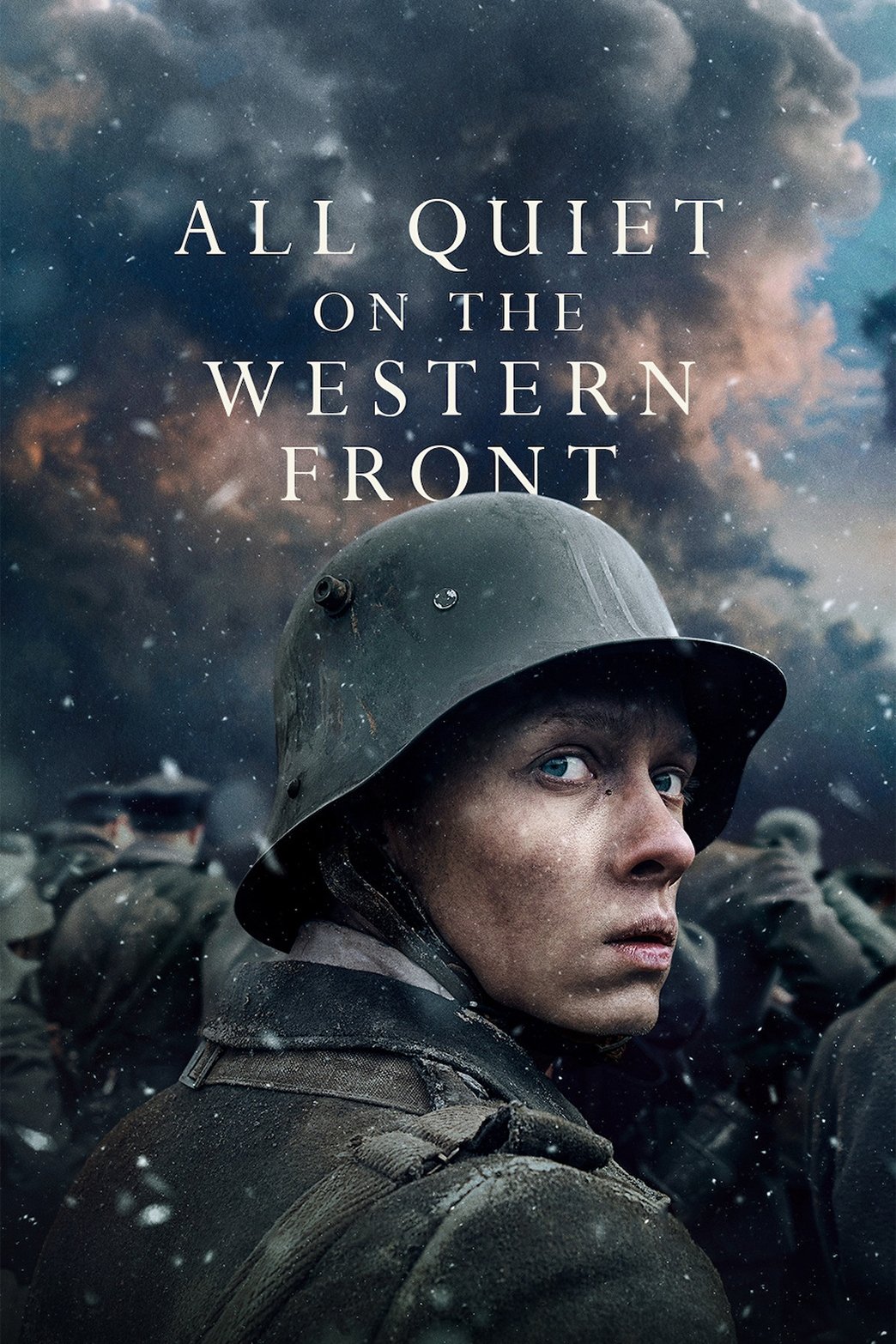
The Historical Landscape
The 1979 release of “All Quiet on the Western Front” emerged during a period of marked transition and introspection in both American and global history. The world stood on the threshold of the 1980s, still bearing the imprint of the turbulent 1970s, an era shadowed by the aftereffects of the Vietnam War, Watergate, and a series of sociopolitical upheavals that challenged long-established institutions and public trust. The decade was characterized by widespread disillusionment, as well as a pronounced skepticism toward authority and grand narratives of heroism that had long colored representations of war in popular media.
The end of the Vietnam War in 1975 had left deep scars on America’s psyche. Televised images of the conflict, its brutality, and the ambiguous moral justifications presented a stark contrast to the ennobling myths of earlier wars. This was a time when artists and filmmakers frequently turned to the past, especially World War I and World War II, to comment obliquely on the present. The choice to remake “All Quiet on the Western Front,” a story rooted in the disillusionment of the Great War’s survivors, was itself reflective of the historical moment—a society grappling with the limitations and costs of military engagement, and the psychological toll on its youth.
Beyond the US, the late 1970s also saw the solidification of the Cold War’s détente period, yet the atmosphere was by no means one of resolution. There was a prevailing sense of uncertainty about the future, with nuclear anxieties and ideological confrontations simmering beneath the surface. In Western Europe, memories of the world wars still lingered in collective consciousness, infusing war narratives with cautionary undertones. In short, the historical backdrop to the 1979 adaptation was one of reflection, skepticism, and the re-examination of old certainties. This climate deeply influenced the approach and tone of the film.
Cultural and Political Undercurrents
The late 1970s were marked by a pervasive reevaluation of national identity and purpose. The counterculture movements of the 1960s had given way to questions about what, if anything, the sacrifices of the past had achieved. Anti-war sentiment was no longer confined to radical circles; it had become a mainstream theme, discussed in homes, classrooms, and the media. Films and literature of the period often rejected triumphant, patriotic readings of history, opting instead for ambiguity, complexity, and a focus on the personal cost of political decisions.
Within this context, the government’s credibility was diminished, pummeled by scandals and a perceived lack of accountability. The Watergate affair in the early 1970s fundamentally altered the relationship between the public and their leaders, breeding a generation of filmmakers and audiences wary of simplistic stories that glorified statesmen or military leaders. The public’s appetite shifted toward authenticity and exposure of uncomfortable truths. War was not seen as the crucible of character, but as a destructive force that consumed the young, often for causes whose nobility was increasingly questioned.
Another important cultural undertone was the rise of television as a serious medium for both news and narrative drama. The 1979 “All Quiet on the Western Front” was produced as a TV movie, evidence of television’s growing role in shaping national conversations about history and morality. Made-for-TV movies of the time did not shy away from difficult topics, mirroring the wider trend in journalism and the arts toward confronting harsh realities. The film’s arrival in homes via the small screen signaled a democratizing of difficult conversations, opening them up to a wider, more intimate audience.
In literature and academia, there was a reconceptualization of trauma, memory, and history. The First World War, initially memorialized as a tragedy of gallant sacrifice, was reinterpreted as the genesis of modern disillusionment and alienation. Schools included more critical perspectives on 20th-century conflicts, highlighting the role of propaganda and the generational divides between those who ordered wars and those who fought them. Thus, the film’s bleak tone and emphasis on the loss of innocence was both a mirror to and a product of the intellectual tides shaping the era.
The Film as a Reflection of Its Time
The 1979 adaptation of “All Quiet on the Western Front” profoundly captures and responds to the historical realities of the late 1970s. Its narrative choices, visual style, and performances are infused with the era’s sense of skepticism and its emphasis on personal over collective experience. Unlike earlier portrayals of war, particularly those made during or immediately after World War II, this film abstains from sentimentality or hero worship. Instead, it delves into the psychological torment of the central character, Paul Bäumer, a young German soldier whose journey is defined by futility, trauma, and the collapse of meaning in the face of industrialized slaughter.
The film’s release as a television production underscores the democratization of serious historical reflection. The decision to bring such a harrowing story directly into Americans’ living rooms speaks to a society ready, perhaps even hungry, to confront the painful realities of war. The camera lingers not on grand strategies or moments of supposed glory, but on mud, exhaustion, confusion, and fear—the everyday realities faced by young men thrust into conflict. The film’s careful avoidance of technical bravura and spectacle underscores its commitment to authenticity, a hallmark of late-1970s cinema influenced by both the Vietnam War and the rise of documentary realism.
“All Quiet on the Western Front” in 1979 also reflects the increasing willingness to empathize with the ‘enemy’—in this case, young German soldiers. Rather than reinforcing nationalistic divides, the film humanizes the other side, suggesting a shared victimhood among the generation that fought and died in the trenches. This perspective aligns strongly with the era’s broader questioning of black-and-white moral narratives, and its recognition of the universality of war’s destructiveness. In doing so, the film becomes a vehicle for both anti-war critique and a plea for cross-cultural understanding—a striking contrast to the sharpened ideological divides of the early Cold War period.
Stylistically, the film employs subdued colors, somber pacing, and a refusal to resolve its narrative with redemptive closure. The tragic deaths of the characters and the pervasive sense of senseless loss echo the cultural exhaustion felt after Vietnam. Themes of alienation and the failure of older generations to protect or understand their children are woven throughout, echoing the era’s generational rifts. Where earlier war films might have offered comfort or justification, this one offers only the tender, brutal truth of destroyed youth—an unblinking reflection of the American and European soul-searching of the 1970s.
Changing Perceptions Over Time
Upon its release, the 1979 version of “All Quiet on the Western Front” generated significant discussion, both as a literary adaptation and as a work colored by the tenor of its times. For contemporary audiences traumatized by years of war reporting from Southeast Asia, the film’s unsparing depiction of combat felt urgent, even cathartic. Critics noted how the production’s focus on psychological realism, and its skepticism toward authority, echoed broader societal debates about the costs of military intervention and the reliability of official narratives.
At first, some traditional-minded viewers critiqued the film for its bleakness and perceived lack of patriotism, seeing in its global, humanist tone a threat to more comfortable or unified national memories. But over time, as the Vietnam War receded into history and new generations encountered the film, its reputation grew. Audiences increasingly recognized it as a sensitive exploration of themes—trauma, alienation, the lost promise of youth—that transcended any particular conflict or country.
Later historical events, such as debates over military intervention in the Middle East, gave the film renewed relevance. Modern viewers saw in its depiction of dehumanization and propaganda potent echoes of contemporary discourse about the manipulation of truth and the costs of war. Scholars and cinephiles alike sought to understand how the 1979 adaptation resonated differently from its 1930 predecessor, observing that its stark visual palette and psychological focus reflected an era more aware of moral ambiguity and the failures of idealism.
As digital availability expanded, the film found new audiences with fresh perspectives, inspiring discussions not only about World War I, but also about the recurring cycles of violence and memory that define modern history. Especially in educational settings, its unflinching honesty and refusal to comfort remain powerful antidotes to the romanticization of conflict.
Historical Takeaway
Viewed from the vantage point of history, the 1979 adaptation of “All Quiet on the Western Front” offers an invaluable window into the anxieties, hopes, and moral reckoning of its time. It distills a moment when American and global societies were intensely preoccupied with the questions of war’s purpose and its costs. The war film, traditionally a vehicle for valorization or nation-building, is here transformed into a platform for honesty and compassion. Its characters are not just stand-ins for lost generations, but vivid reminders of the consequences when youth is consumed by forces beyond its comprehension.
Ultimately, this film records both a historical moment—marked by doubt, democratization, and the search for authenticity—and an ongoing reckoning with how societies remember their darkest chapters. Its enduring relevance is a testament to the era’s willingness, however uneasy, to challenge comforting illusions and to foster empathy even across former divides. The 1979 “All Quiet on the Western Front” endures as both a product of its fraught era, and as a guide for future generations encountering the persistent questions of war, conscience, and remembrance.
To see how these real-world elements shaped the film’s impact, you may also explore its reception and legacy.
🎬 Check out today's best-selling movies on Amazon!
View Deals on Amazon