
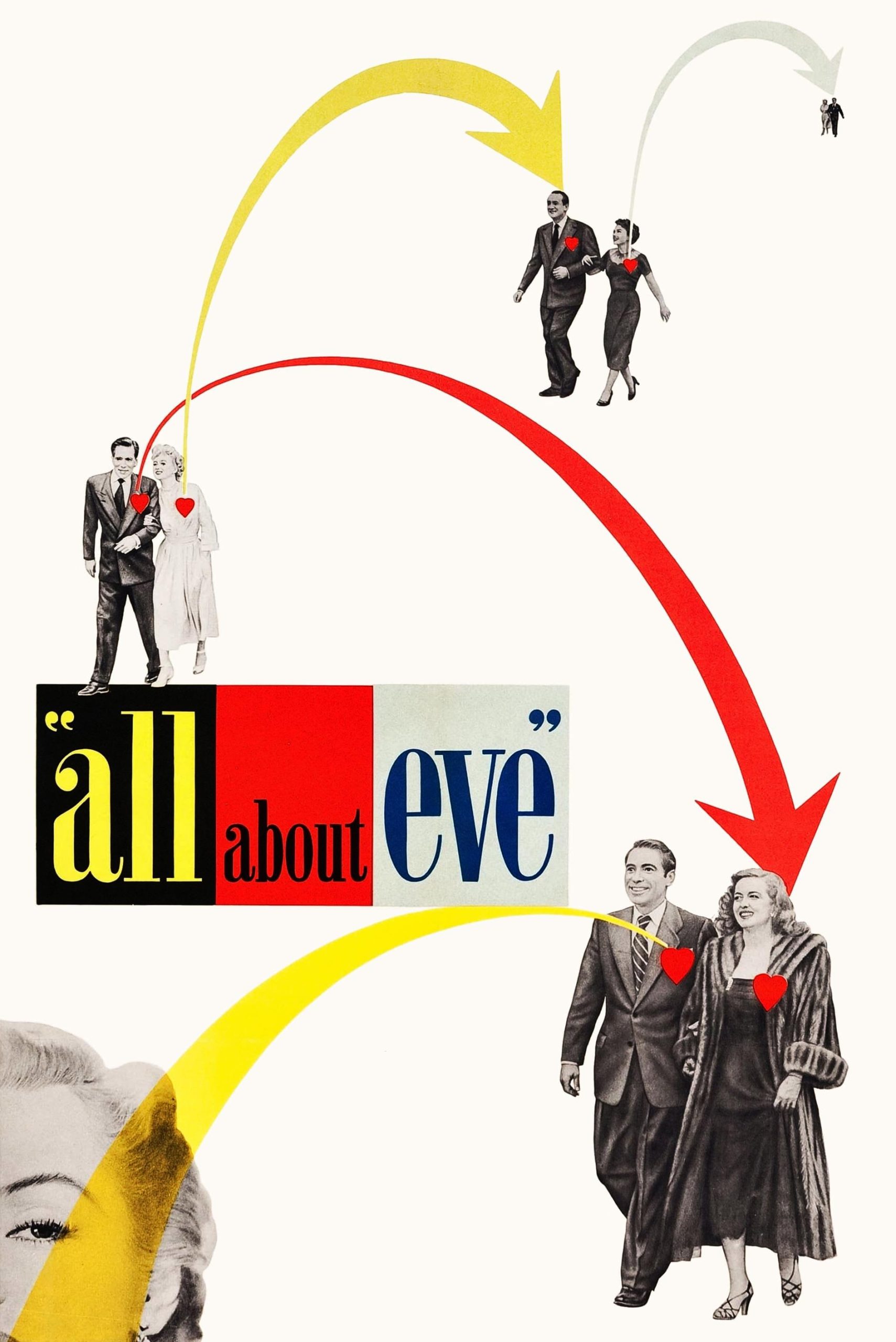
The Historical Era of the Film
All About Eve (1950) was created and released in the early years of the post-World War II period, a time marked by significant political, economic, and social developments in the United States. The late 1940s and early 1950s were years of transition, as the country emerged from wartime rationing and upheaval into an era of relative economic prosperity. The United States was establishing itself as a superpower in the burgeoning Cold War, and a sense of optimism was coupled with anxiety over social conformity and the perceived threats from communism. Politically, the nation was under the administration of President Harry S. Truman, soon to succeed to Dwight D. Eisenhower, and was witnessing the start of the Red Scare—a time of suspicion and the targeting of individuals accused of communist sympathies. Economically, the nation saw rising standards of living and consumerism, but also the persistence of social hierarchies and inequality.
Social and Cultural Climate
The social and cultural climate of early 1950s America was defined by a blend of conservatism and subtle transformation. Dominant social attitudes encouraged adherence to traditional gender roles, and there was a renewed idealization of domesticity, with an emphasis on nuclear families and suburban living. However, the same period was marked by an undercurrent of change in cultural trends, including the gradual emergence of stronger, more independent female figures in popular media. Within the entertainment industry, Broadway and Hollywood were central hubs for both artistic endeavor and social discourse, but both worlds faced their own pressures from prevailing moral codes, including the influence of the Motion Picture Production Code. The anxieties of the Cold War, and the rise of anti-communist sentiment, also colored much of public life, leading to blacklisting and increased self-censorship in creative professions.
How the Era Influenced the Film
The production era’s complexities had a significant impact on the shaping of All About Eve. Historical circumstances in the film industry, such as the dominance of the studio system and the pressures to conform to strict production codes, played into the construction of its narrative and characters. The story’s focus on ambition, identity, and rivalry in the world of theater reflects the competitive spirit and tensions present in postwar American society, particularly within show business. Social expectations for women were simultaneously restrictive and evolving, which is mirrored in the central roles that female characters occupy in the film. Additionally, the presence of a career-driven protagonist both acknowledged and challenged existing gender norms, while the setting in New York’s theater scene reflected the importance and vibrancy of American stage culture in this period.
- Post-World War II economic boom
- Influence of the Motion Picture Production Code
- Increasing public fascination with celebrity and fame
- Anxieties over conformity and authenticity
Audience and Critical Response at the Time
Upon its release, All About Eve was met with critical acclaim and considerable public interest. Contemporary audiences, already fascinated by the glamour and behind-the-scenes realities of the theater and film industries, responded to the film’s portrayal of ambition and intrigue. Critics praised its sharp writing, memorable performances, and realistic depiction of backstage life. The film’s dialogue and character-driven drama resonated with a society accustomed to both the facade and the realities beneath public personas. Recognized for its artistic achievement, All About Eve received numerous accolades, including the Academy Award for Best Picture, reflecting its widespread appreciation within the cultural context of early 1950s America.
Why Historical Context Matters Today
Understanding the historical context of All About Eve enhances modern appreciation by providing insight into the forces that shaped its creation. The film’s narrative, character arcs, and industry portrayal are steeped in the social, political, and economic realities of postwar America. Knowledge of the period’s gender norms, cultural anxieties, and industry constraints offers a richer reading of the film’s enduring relevance. Appreciating the challenges and pressures of the era helps viewers recognize the ways in which All About Eve both mirrored and subtly critiqued the world in which it was made, highlighting the ongoing importance of historical context in interpreting cinema from any period.
After understanding the factual background, you may want to see how this story was received as a film.
🎬 Check out today's best-selling movies on Amazon!
View Deals on Amazon