
The Historical Landscape
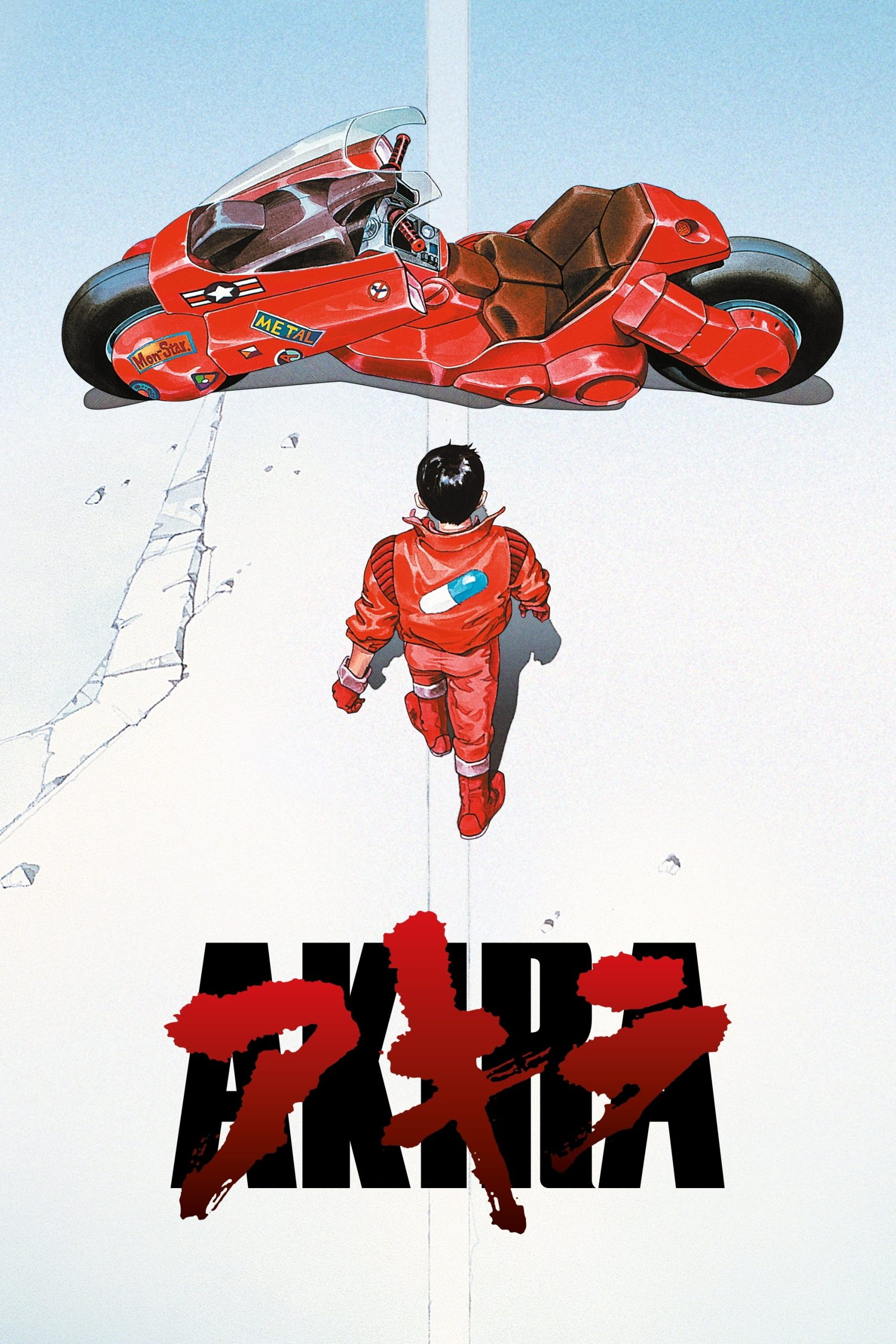
Akira, released in 1988, emerged from a Japan straddling the end of its extraordinary post-war economic boom and teetering on the cusp of the so-called “Lost Decade.” The late 1980s marked an era of dizzying prosperity in Japan, when its GDP per capita rivaled Western powerhouses and real estate prices in Tokyo soared to unprecedented heights. Neon glowed throughout the capital, technology flourished, and consumer electronics and automobiles stamped Japan’s footprint on the global stage. It was an atmosphere of both anticipation and unease—the nation’s rapid economic ascent was mirrored by a sense of impermanence, shadowed by recollections of catastrophe and fears of instability. This was also a period marked by growing youth subcultures, heightened urbanization, and a fascination with technology’s promises and perils. Internationally, Japan was recognized as a model of modern progress, but at home, anxieties over identity, generational divides, and a latent fear of self-destruction persisted.
Amid this backdrop, Akira surfaced as a seismic event in Japanese popular culture and the global perception of animation. The world, too, was in flux: the late Cold War years were characterized by escalating nuclear anxieties, military build-ups, and the ever-present specter of mutually assured destruction. Urban centers worldwide grappled with social unrest, technology blurred the boundaries between man and machine, and media reflected both the hope and the dread of an imminent future shaped by forces that often seemed beyond human control. As the 1980s drew to a close, questions of authority, rebellion, and the meaning of progress hovered over societies, setting the stage for a cinematic work that was as much a warning as it was a vision.
Cultural and Political Undercurrents
Behind Akira’s dystopian veneer lies a substrate of deep-seated anxieties and transformations stirring within Japanese society and across the globe. The film’s setting—Neo-Tokyo, a city rebuilt after an apocalyptic explosion—echoes Japan’s lived experience of atomic devastation and postwar rebirth. The memory of Hiroshima and Nagasaki loomed over national consciousness, inflecting creative expression with existential dread and skepticism about human mastery over technology. Throughout the 1980s, Japan’s urban youth culture experienced rapid mutation. Biker gangs, known locally as bosozoku, grabbed headlines for their brash rebellion, flouting social conventions in much the same way Akira’s adolescent protagonists challenge the rigid structures that define their world.
The political climate too fueled Akira’s narrative tension. Japan in the late 1980s was grappling with questions of how to wield newfound power and cope with changing social dynamics. Political scandals, government corruption, and generational rifts fostered cynicism about authority. Questions of scientific ethics and militarism infused Japanese cultural output, obsessive progress linked to the traumas of war and the ever-present fear of catastrophe. Globally, a nuclear arms race and Chernobyl’s haunting aftermath in 1986 rigidified a climate of unease about technological hubris. The very real dangers associated with unchecked ambition and scientific overreach supplied the subtext for narratives ranging from literary science fiction to cinema.
Moreover, Akira’s release coincided with a worldwide explosion in cyberpunk aesthetics. Works like William Gibson’s “Neuromancer” fed a fascination with decaying urban landscapes and the blurring of biological and mechanical boundaries. In Japan, manga and anime were ascending from niche cultural products into internationally recognized art forms, challenging Western preconceptions about the potential and seriousness of animation. Akira was birthed from this cultural ferment, laced with the era’s energies, doubts, and aspirations.
The Film as a Reflection of Its Time
Akira’s vision of Neo-Tokyo is not merely a futuristic fantasy but a pointed evocation of late 20th-century Japanese experience. The cityscape—teeming, chaotic, choked by neon and menace—evokes both the exhilarating density of contemporary Tokyo and an unease at technology’s relentless encroachment on daily life. Throughout the film, the specter of political failure looms: government bodies are either impotent or corrupt, scientists are reckless, and the military’s interventions invite disaster rather than safety. This reflects the decade’s pervasive skepticism toward established institutions—a cynicism that arose from actual political scandals and the widespread perception that neither politicians nor industry leaders could be trusted to safeguard society from disaster.
The adolescents at the center of Akira—Kaneda and Tetsuo—are emblems of a disaffected, volatile youth. Their alienation and anger echo the fears of a generation that had grown up in prosperity yet sensed, beneath the gloss of affluence, a hollowness or instability. Tetsuo’s transformation from a powerless teenager to a being of immense, uncontrollable force functions as a parable for both technological potential and anxiety: the power to shape—or destroy—the future. His mutation can be read as an allegory for nuclear science escaping human control, just as his struggle for autonomy resonates with a society fearful of sacrificing individual agency at the altar of progress.
The film’s pervasive imagery of destruction—a second catastrophic explosion, government crackdowns, and the dissolution of familiar urban landscapes—mirrors both historical memory and contemporary anxiety. Neo-Tokyo’s fate is inextricably tied to Japan’s own traumatic past, most obviously the atomic bombings, but also the more recent environmental disasters and fears of societal dissolution lurking beneath the surface of prosperity. Akira thus dramatizes both an enduring wound and a presentiment of potential calamity should the lessons of the past be ignored.
At the same time, Akira’s embrace of cutting-edge animation techniques and narrative complexity is itself a statement about the Japan of 1988—a nation unafraid to innovate, anxious to assert cultural leadership even as it wonders about the costs involved. The film’s depiction of psychic powers, biotechnology, and urban decay reflects the era’s fascination with, and suspicion of, science and progress. In blending the ancient and the ultra-modern, Akira encapsulates the tension between tradition and contemporary life that defined Japan at the sunset of the Shōwa period.
Changing Perceptions Over Time
Since its release, Akira has moved through shifting interpretive frameworks that reflect both evolving historical contexts and the film’s own enduring ambiguity. Initially, Western audiences were most struck by the film’s visceral animation and violent narrative, often reading it as a general cautionary tale about technology or a stylistic outlier in a medium then associated with children’s entertainment. In Japan, Akira generated intense debate over its depiction of youth rebellion and urban chaos, sparking both admiration for its technical mastery and concern over its bleak vision of society’s future.
As decades passed, Akira gained stature as a foundational work—not just in the realm of anime but within the panoply of international science fiction cinema. The film’s influence can be traced through countless subsequent works in both Eastern and Western media, as its prescient depiction of urban anxiety, technological ambition, and disaffected youth found echoes in everything from Hollywood blockbusters such as The Matrix to the imagery of global music videos and street fashion. Interpretations began to shift: what was once seen as unnerving spectacle was increasingly recognized as a profound meditation on trauma, power, and the dangers of forgetting history.
Contemporary viewers, informed by subsequent economic stagnation in Japan, changing geopolitics, and the maturation of animation as an art form, often perceive Akira through new lenses. For some, it now resonates as an early warning of unchecked technocracy and environmental crisis. For others, its vision of societal rupture speaks to ongoing generational divides and the search for identity in a persistently unstable world. The symbolism of psychic powers and catastrophic rebirth is mapped onto contemporary issues from biotechnology to state surveillance. Today, Akira is not merely an artifact of its own time but a living text, perpetually reinterpreted by each successive generation facing its own challenges.
Historical Takeaway
Akira stands not just as a cinematic landmark but as a remarkable document of late 20th-century anxieties and aspirations. It teaches us that even in an era defined by economic miracle and technological progress, a society’s deepest traumas and doubts shape its artistic output. The film’s blend of nostalgia for lost innocence, fear of annihilation, and compulsion toward transformation reveals the complex interplay between memory and ambition that animated Japan in 1988.
Through its dystopian vision, Akira invites us to reflect on the costs of progress and the perils of forgetting the past. The echoes of Hiroshima, the tensions of the Cold War, the experiments of youth subculture, and the volatility of unchecked power all converge in its narrative, making clear that historical moments are neither singular nor simple. The film’s enduring relevance underscores this: each time the world faces new uncertainty, Akira’s lessons on vulnerability, agency, and the burden of collective memory surface once more. It is not just a product of its era but an ongoing commentary on the universal implications of societal transformation—reminding us that to understand any age, we must heed not only its triumphs but also its fears.
🎬 Check out today's best-selling movies on Amazon!
View Deals on Amazon