
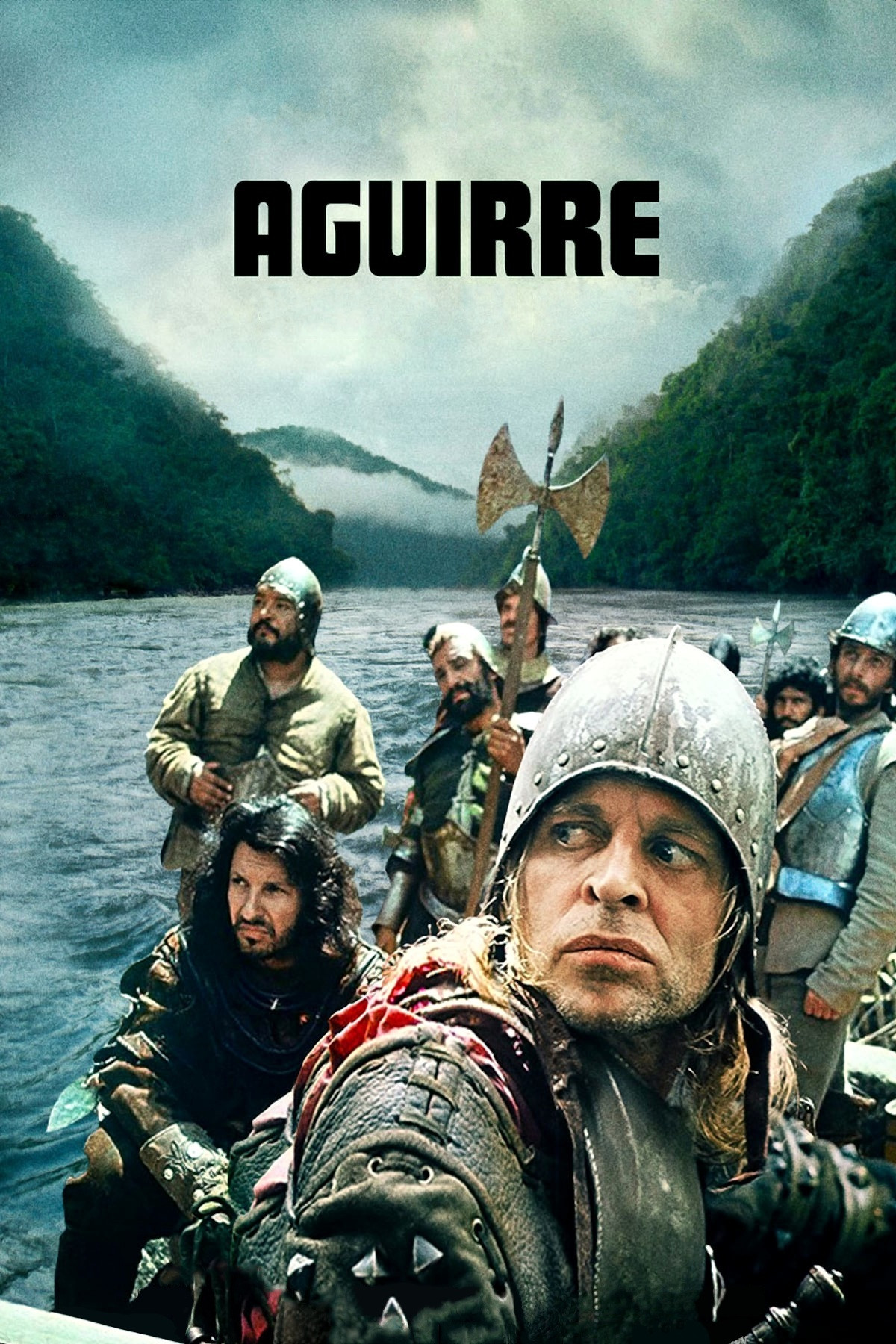
The Historical Era of the Film
The early 1970s, when Aguirre, the Wrath of God (1972) was produced, marked a period of profound social and political transformation in both Europe and the world. Many countries, including West Germany where the film was made, were undergoing significant shifts as a result of the social upheavals and protest movements of the late 1960s. These years saw the rise of questioning traditional authority, anti-war sentiments following the Vietnam conflict, and a general disillusionment with post-war optimism. Economically, Western Europe was entering a phase of uncertainty, experiencing the initial tremors of the oil crisis that would unfold more dramatically in the mid-1970s. Political landscapes across the globe were shifting, with the Cold War intensifying suspicions and tensions between East and West.
Germany’s film industry was experiencing its own transformation. The previous generation of filmmakers mainly focused on commercial successes and heavily censored productions. However, by the 1970s, the New German Cinema movement had emerged, driven by a group of young directors seeking to address Germany’s recent past and its moral dilemmas through more personal and artistic films. This context provided fertile ground for ambitious, unconventional projects like Werner Herzog’s film, which offered a distinct departure from mainstream cinema’s narrative and visual conventions.
Social and Cultural Climate
The social and cultural climate of the early 1970s was shaped by widespread questioning of institutional authority and a desire to grapple with unresolved issues from the recent past. Across Europe and particularly in Germany, a younger generation was confronting the legacy of the Second World War and the roles their parents’ generation had played. This was expressed through protests, student movements, and a reevaluation of national identity. Artists, musicians, and filmmakers were responding to these turbulent currents by pushing artistic boundaries and challenging societal norms.
At the same time, there was growing international awareness of environmental issues, colonial legacies, and the impact of imperialism. Intellectuals and filmmakers were increasingly interested in exploring narratives from outside the traditional Western canon or Eurocentric perspective. The rise of alternative culture and counterculture movements contributed to a renewed interest in stories that exposed the struggles of marginalized or forgotten communities. Within this climate, Herzog and his contemporaries were drawn to themes that confronted the dangers of ambition, the complexity of conquest, and the relationship between humanity and untamed nature.
How the Era Influenced the Film
The era’s historical circumstances had a profound impact on both the story and production approaches of “Aguirre, the Wrath of God.” The film’s exploration of doomed ambition, colonial expansion, and the collapse of authority directly resonated with contemporary concerns regarding the abuse of power and the perils of unchecked leadership. Herzog selected the story of the ill-fated Spanish expedition into the South American jungle in part because it paralleled, on a metaphorical level, the political and moral uncertainties facing German and Western societies.
Additionally, the independence and experimental spirit typical of the 1970s film scene influenced Herzog’s decision to shoot on location in the Peruvian Amazon under extraordinarily difficult circumstances. The lack of studio resources forced creative problem-solving, reflecting the improvisational ethos of New German Cinema and the broader trend toward realism and authenticity. The casting of Klaus Kinski, whose intense on-set behavior and complicated relationship with Herzog became legendary, added another layer of unpredictability characteristic of the time’s artistic experimentation.
- Post-1960s social upheaval influenced artistic experimentation
- Emergence of the New German Cinema movement
- Widespread questioning of colonial narratives and traditional authority
- Transition from commercial to personal, auteur-driven filmmaking
Audience and Critical Response at the Time
Upon its release, the film’s reception reflected both the changing cultural landscape and the challenges faced by non-mainstream cinema of the early 1970s. German audiences and critics were beginning to embrace the more adventurous direction taken by young filmmakers, although mainstream commercial acceptance remained limited due to the film’s unconventional structure and tone. Internationally, critics recognized “Aguirre, the Wrath of God” as an important contribution to art cinema, frequently singling out its atmospheric cinematography and the ambition of its production.
Film festivals and art house venues provided the primary platforms for the film, where it developed a strong reputation among cinephiles. While some viewers were unsettled by its slow pacing and existential outlook, many praised its evocation of historical events and the way it used the South American setting to comment on contemporary issues. Over time, its reputation grew, becoming a central work in both Herzog’s filmography and the history of post-war European cinema.
Why Historical Context Matters Today
Understanding the historical context surrounding the production and release of “Aguirre, the Wrath of God” remains essential for appreciating its innovation and significance. By recognizing the social, political, and economic uncertainties of the early 1970s—as well as the rise of artistic movements like New German Cinema—modern viewers can better comprehend the film’s stylistic choices, its willingness to embrace ambiguity, and its critical perspective on authority and ambition.
Moreover, awareness of the global reexamination of colonial histories and environmental concerns lends additional weight to the film’s subject matter. Today, when questions about power, exploitation, and representation remain highly relevant, the historical forces that informed Herzog’s project allow audiences to see the film as both a product of its time and a prescient commentary on ongoing issues.
🎬 Check out today's best-selling movies on Amazon!
View Deals on Amazon