
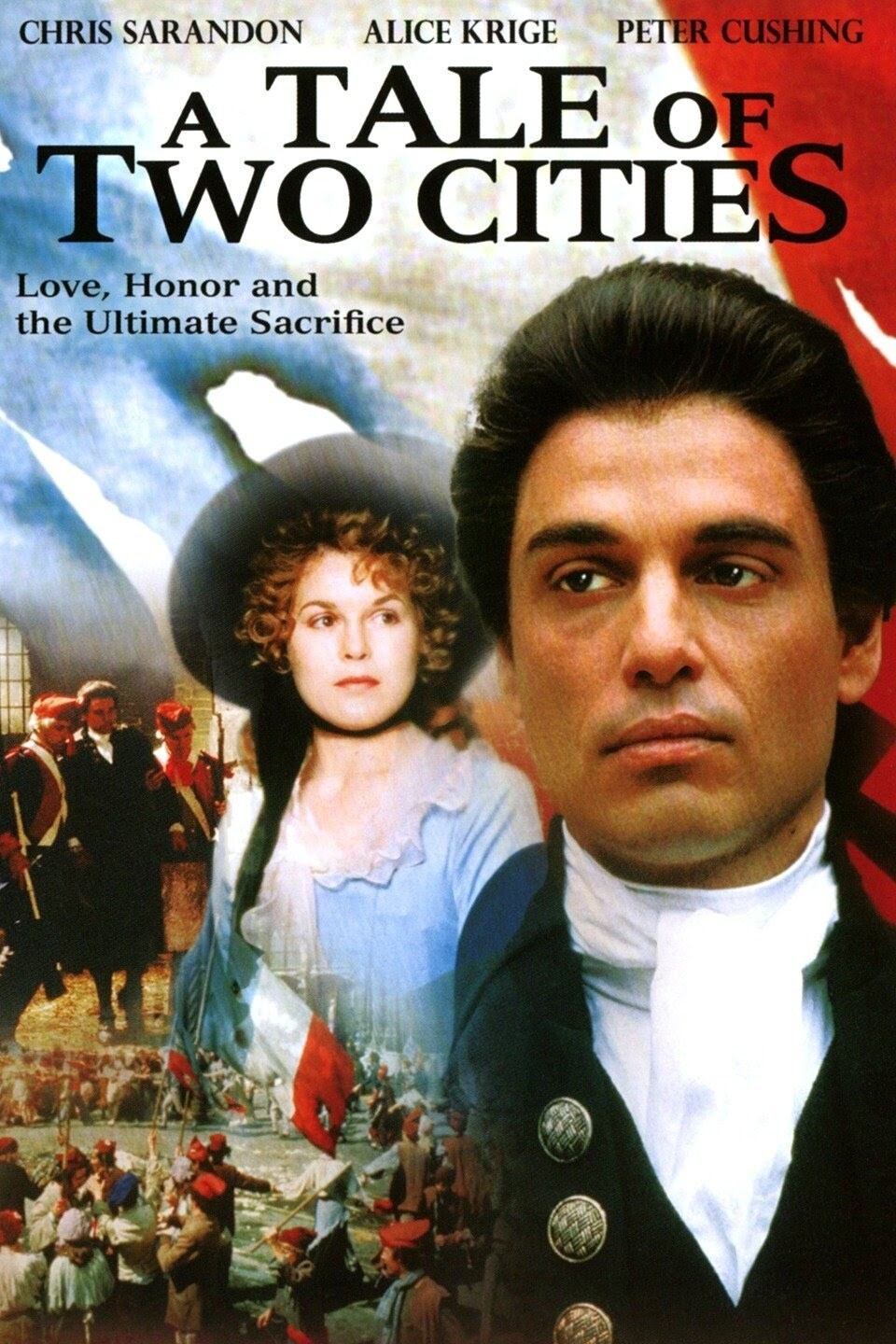
The Historical Era of the Film
A Tale of Two Cities (1935) was produced and released during a period marked by significant global and domestic upheaval. The film’s production era coincided with the midst of the Great Depression, a time of profound economic distress in the United States and much of the world. High unemployment, widespread poverty, and financial instability deeply affected American society. Politically, the 1930s were a decade of transition, with President Franklin D. Roosevelt’s New Deal policies seeking to revitalize the economy and restore public confidence in government institutions. Internationally, the rise of authoritarian regimes in Europe and growing fears of conflict set an uncertain global stage, as fascism gained ground in countries like Germany, Italy, and Spain.
The film industry itself was grappling with the effects of the economic downturn. While the so-called “golden age” of Hollywood was underway, studios like Metro-Goldwyn-Mayer (MGM), which produced A Tale of Two Cities, sought to attract audiences with grand, escapist productions. The social climate of the era was further colored by anxieties about social justice, class conflict, and the role of government, topics that were reflected in many cultural works of the mid-1930s. The specter of revolution abroad, especially with the lingering memories of World War I and the contemporary rise of political radicalism, resonated strongly with the American public and influenced the kinds of stories filmmakers chose to adapt.
Social and Cultural Climate
During the 1930s, the dominant social attitudes in America were shaped by both hardship and resilience. The continued effects of the Great Depression fostered a spirit of solidarity among many, even as social tensions simmered below the surface. The divide between the wealthy and the poor was a subject of open discussion. Through literature and film, the public engaged with stories about justice, suffering, and redemption, reflecting society’s own search for hope amidst adversity.
The popularity of historical dramas and adaptations of classic literature was at a peak. Audiences often looked to such films as both entertainment and moral instruction. The themes present in A Tale of Two Cities—sacrifice, revolution, and upheaval—mirrored contemporary concerns about social change and economic disparity. Cultural trends also included the growth of a more sophisticated film-going public that welcomed complex narratives and ensemble casts. The resultant cinematic works were a product of both the cultural anxieties and the aspirations of the time. Contrasts between old social orders and emerging new values dominated conversation, driven by increasing labor activism and evolving concepts of democracy.
How the Era Influenced the Film
The production of A Tale of Two Cities was significantly shaped by these historical circumstances. The film’s focus on revolution and its depiction of social struggle echoed real concerns about stability and justice during the 1930s. Screenwriters and directors, acutely aware of their audience’s experiences, adapted Charles Dickens’s novel in a way that highlighted class disparity and the moral ambiguities of revolution, themes that held particular relevance for Depression-era viewers.
- Heightened awareness of social inequality in America influenced narrative choices.
- Risks of political extremism abroad and at home made discussions of revolution both topical and sensitive.
- Hollywood’s response to hardship included investing in large-scale, emotionally compelling adaptations.
Studio executives were also mindful of the strict censorship imposed by the Production Code Administration, introduced in 1934, which limited how violence, class conflict, and other controversial subjects could be portrayed. This often led filmmakers to frame revolutionary violence carefully, focusing instead on themes of sacrifice and redemption. The elaborate sets and costumes, designed to invoke the era of the French Revolution, also reflected Hollywood’s desire to provide escapism and visual spectacle during difficult times. By aligning the film’s emotional undertones with real-world anxieties, the creators ensured the story felt immediate and resonant to contemporary viewers.
Audience and Critical Response at the Time
When A Tale of Two Cities was released, it drew a wide and enthusiastic response from both audiences and critics. American viewers found the historical narrative and its portrayal of sweeping social change compelling, especially in a context where many were grappling with questions about justice, equality, and personal responsibility in their own lives. Large-scale productions, elaborate set pieces, and faithful literary adaptations were popular draws at the box office, and MGM’s efforts were widely praised.
Critics identified with the film’s timely message and noted the powerful performances of actors such as Ronald Colman. The depiction of revolutionary France, with its intensity and scale, offered viewers both a sense of foreign adventure and deeper emotional engagement. The film succeeded in translating Dickens’s story into universal themes that felt relevant to Depression-era America, touching on the dangers of unchecked power and the possibility of nobility in everyday actions. The reception underscored how the cultural and social climate of the mid-1930s heightened the film’s impact.
Why Historical Context Matters Today
Understanding the historical context of A Tale of Two Cities (1935) gives present-day audiences a richer appreciation for both the film itself and the era in which it was made. Recognizing the realities of the Great Depression, the growing tensions in global politics, and the influence of social movements informs our understanding of why certain themes were emphasized and how stories were tailored for contemporary audiences.
By considering the film’s origins within the social and political framework of the 1930s, modern viewers can better grasp the meaning behind character motivations, narrative choices, and production values. The context sheds light on how artistic works respond not only to events of the past—such as the French Revolution—but also to the contemporary issues faced by those who create and consume them. Consequently, awareness of this background allows for a more nuanced viewing experience, bridging the gap between the film’s historical setting, its production era, and the evolving interpretations of its audience across generations.
🎬 Check out today's best-selling movies on Amazon!
View Deals on Amazon