
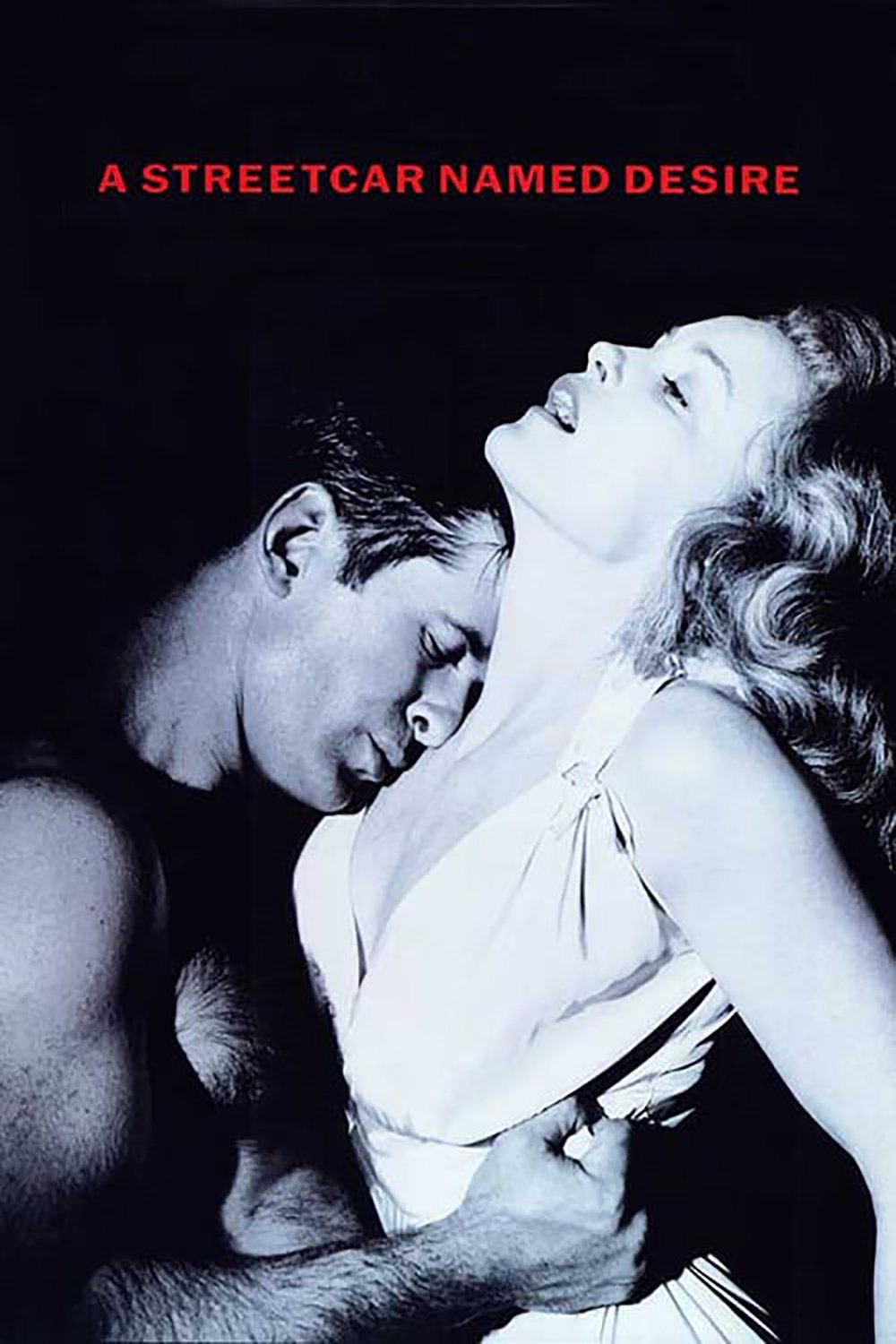
The Historical Landscape
The early 1950s in the United States was a period marked by pronounced cultural and social shifts. For audiences attending the premiere of A Streetcar Named Desire in 1951, the experience was situated between two wars—the memory of World War II still fresh and the Cold War steadily coloring the national mood with anxiety and suspicion. Veterans returned home to a landscape rife with contradictions: economic prosperity flourished, but so did conformity and pressure to fit into neatly prescribed roles. During the postwar boom, a strong emphasis was placed on building the “American Dream,” a vision defined by suburban tranquility, nuclear families, and upward mobility. Underneath this façade, however, tensions simmered—questions about gender, mental illness, sexual orientation, and class divisions were largely suppressed or spoken of in hushed tones.
It was also a time of cinematic transformation. The Hollywood studio system, dominant through the previous decades, began to show cracks under the weight of antitrust regulations and the growing threat of television. Filmmakers sought new ways to remain relevant, which included turning to the stage for inspiration. Tennessee Williams’ Pulitzer Prize-winning play had already garnered critical acclaim and controversy on Broadway, making its adaptation to film a significant cultural event. The Motion Picture Production Code, also called the Hays Code, still dictated the content and morality that could appear on American screens, but boundaries were starting to be nudged by creative voices eager to challenge the status quo.
Cultural and Political Undercurrents
Beneath the surface of A Streetcar Named Desire flowed the deep currents of American culture in flux. The decade following World War II was stamped by the Red Scare, McCarthyism, and the beginnings of the Civil Rights Movement. Fears of communist infiltration fostered suspicion, and personal freedoms tightened under the lens of national security. The FBI and the House Un-American Activities Committee monitored Hollywood’s output, wary of subversive messages and behaviors depicted on screen. The result was a paradox: a yearning for stories that spoke to the raw complexities of real life, alongside an official insistence on “clean,” uncontroversial portrayals.
Gender dynamics during this period were similarly fraught. While women’s workforce participation had surged during the war, the 1950s saw a major push toward traditional domesticity. Popular culture and advertising championed the image of the ideal housewife, yet simmering beneath the surface were the frustrations and ambitions of women unable to conform comfortably to these roles. The era also seethed with anxieties about sexuality, illustrated by the continued criminalization and pathologization of homosexuality, which was often coded or shrouded in metaphor in literature and cinema due to censorship laws.
Social class and the myth of mobility were unavoidable themes. America proudly asserted its democratic promise, but the divisions between “old money” Southern aristocracy and working-class, urban immigrants—as embodied by Blanche DuBois and Stanley Kowalski—reflected ongoing unease with both tradition and change. Williams’ play, and its cinematic adaptation, pulled back the curtain on these contradictions, inviting audiences to confront the dreams and disillusionments that pervaded postwar society.
The Film as a Reflection of Its Time
A Streetcar Named Desire stands as an artistic bridge between the cultural pressures of its era and the emerging appetite for cinematic realism. Its story both challenges and reinforces the boundaries of the 1950s, shaped as much by the limitations imposed by the Hays Code as by the desires of its creative team. The film retains the intensity and psychological depth of its stage precursor, but navigates the censors’ demands with subtlety and coded language that would have been readily understood by contemporary audiences.
At the heart of the film is a battle over identity and survival, portrayed through the volatile relationship between Blanche DuBois and Stanley Kowalski. Blanche’s fragility and nostalgia for an antebellum South represent a fading world order, while Stanley’s brutish vitality and immigrant background signal the rise of a new, more egalitarian—if less genteel—America. The film does not shy away from the consequences of this clash. Blanche’s psychological unraveling is rendered with rare candor for the era, touching on issues of trauma, sexual assault, and dislocation. Though the censors stripped some of the play’s most controversial aspects, the undercurrents remained: Blanche’s ambiguous sexuality, her history of disrupted relationships, and the violent assertion of male power were rendered in performances and cinematic suggestion rather than explicit dialogue.
The casting and performances further underscore the film’s engagement with the realities of its time. Vivien Leigh’s turn as Blanche was nuanced and haunted, a performance shaped by her own struggles with mental illness—a subject rarely depicted or discussed openly in 1950s America. Marlon Brando’s Stanley, all raw energy and animal magnetism, ushered in a new approach to acting influenced by Method technique, breaking with the theatrical stiffness of previous film generations. Brando’s performance, in particular, marked a shift toward realism and vulnerability, echoing a broader societal hunger for authenticity in the face of postwar blandness and repression.
Set within the steamy, multicultural hothouse of New Orleans, the film also provided American audiences a rare glimpse at urban life outside the sanitized boundaries of Hollywood’s comfort zones. Its jazz-infused soundtrack and humid, claustrophobic interiors mirrored the emotional turbulence of the characters—an implicit rebuttal to the period’s emphasis on surface order and conformity. Through both content and craft, A Streetcar Named Desire became a touchstone for new creative directions in cinema, signaling a willingness to grapple—however obliquely—with subjects that mainstream America tried to keep hidden.
Changing Perceptions Over Time
In the decades since its release, interpretations of A Streetcar Named Desire have shifted in tandem with broader changes in American society. In the conservative climate of the early 1950s, the film’s depiction of sexual tension, mental instability, and class antagonism was seen as daring, even shocking. Critics debated whether it undermined moral values or served as a cautionary tale about the dangers of denying reality. For many, Blanche’s tragic end was read as a warning against living in illusion, or as poetic justice for perceived moral failings.
As the cultural revolutions of the 1960s and 1970s unfolded, the film acquired new resonance among audiences attuned to feminist, psychological, and queer perspectives. Blanche’s vulnerability came to be seen less as a personal flaw and more as a product of patriarchal brutality and social ostracism. Stanley, once praised as a symbol of working-class vitality, gradually came to embody the darker side of masculinity—one capable of both physical and psychological violence.
The film’s coded references to sexuality and its handling of mental illness have provoked critical reappraisal. In contemporary times, scholars and viewers are more likely to see Blanche as a queer-coded character, her downfall tied not only to individual fragility but to her inability to survive in a society hostile to difference and complexity. The censorship that obscured these themes has become an object of analysis itself, revealing much about the repressive mechanisms of 1950s America and the creative workarounds developed by artists under constraint.
Furthermore, as discussions of race and class have deepened in public discourse, the set design, character backgrounds, and music of the film are scrutinized for what they reveal—and conceal—about the realities of Southern urban life. What was once viewed as an almost ethnographic portrait of New Orleans now invites critique for its limited representations and the ways in which it both romanticized and sanitized certain aspects of American diversity. Each new wave of viewers brings fresh questions to the film, illuminating both its enduring power and its rootedness in the era of its creation.
Historical Takeaway
Ultimately, A Streetcar Named Desire offers profound insights into the cultural climate of early 1950s America. The film encapsulates a moment when society was at once prospering economically and grappling with inner contradictions that would soon erupt into the social movements of the following decades. Through its narrative, performances, and cinematic style, it exposes the fragility of facades, whether personal or collective, and hints at the costs of collective denial around mental health, gender roles, sexuality, and class divides.
The historical significance of the film lies in its dual function as both product and mirror of its times. It is a testament to the ways in which artistry navigated—and occasionally subverted—the restrictions of the Hollywood system, channeling the anxieties and discontents of a nation facing an uncertain future. A Streetcar Named Desire reminds us that cinema not only reflects the era from which it springs but actively shapes how that era is remembered, questioned, and, ultimately, understood. By examining this film, historians glean invaluable clues about what Americans feared, desired, and refused to acknowledge in the aftermath of war and the dawn of a new age.
🎬 Check out today's best-selling movies on Amazon!
View Deals on Amazon