
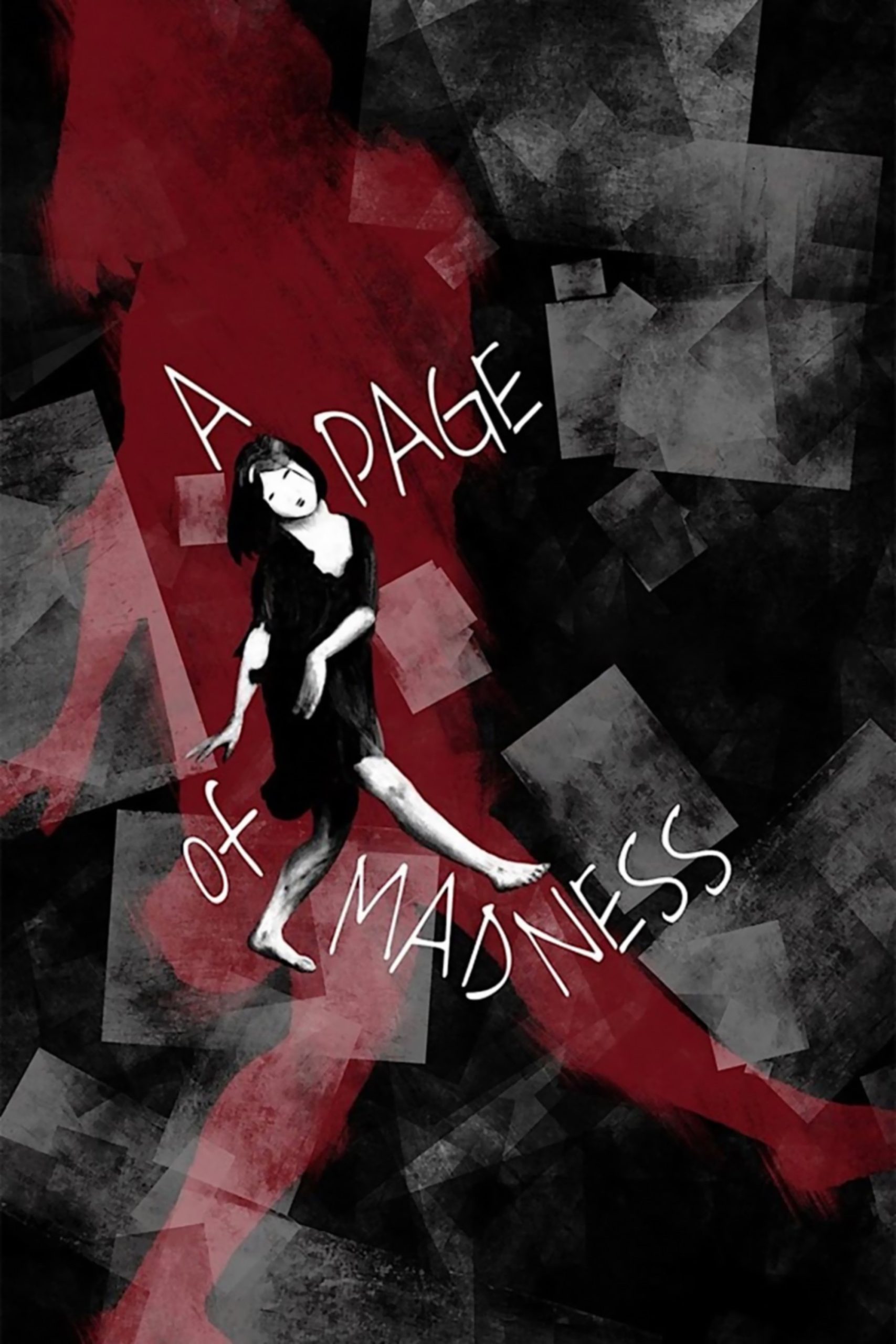
The Historical Era of the Film
A Page of Madness (1926) emerged during a period of significant transformation in Japan, which was entering the latter stages of its Taisho era (1912–1926). This era was marked by rapid modernization and expansion, yet also widespread social unrest and political change. Following World War I, Japan experienced both economic growth and volatility, with industrial development fueling urbanization, but also exposing growing gaps between rural and urban populations. The influence of Western ideas increased, contributing to shifts in traditional values and sparking debates about national identity. Politically, the country experienced calls for greater democracy, such as the movement toward universal male suffrage in 1925, though these were countered by rising militarism and conservative backlash. In daily life, the push and pull between modernization and rooted traditions set the stage for new artistic and cultural expressions, reflecting a society in flux.
Social and Cultural Climate
The social climate in Japan during the mid-1920s was shaped by a mix of optimism and anxiety, with strong influences from modernist movements worldwide. The era saw increasing urbanization, particularly in cities like Tokyo, where new forms of entertainment, fashion, and leisure transformed daily life. Art and literature underwent a revolution, with avant-garde circles promoting experimentation and challenging long-standing norms. Mental health, the subject at the center of the film, was still regarded with suspicion and significant stigma. Care for the mentally ill primarily took place in asylums, and broader society maintained a distance, influenced by both superstition and the desire for modern institutional order. At the same time, a small yet passionate intellectual class debated Japan’s future and engaged with new ideas from Europe and America, including Freudian psychoanalysis and Expressionist art. This period of cultural ferment fostered bold approaches to storytelling and filmmaking.
How the Era Influenced the Film
The production era of A Page of Madness directly impacted the creative choices and collaborations that defined the film. The influx of Western artistic trends, such as German Expressionism and Soviet montage, inspired director Teinosuke Kinugasa and his collaborators to pursue unconventional techniques and narratives. The Shinkankakuha (New Sensation School) literary movement, which sought to evoke the inner experiences of characters rather than straightforward plots, strongly influenced the film’s fragmented and dreamlike structure. Many artists and writers of the time, including those involved in the film’s creation, were interested in exploring themes of subjectivity and psychological depth, reflecting contemporary discussions about identity and mental health.
- Rapid modernization and urban growth
- Strong influence of Western art movements
- Increasing dialogue on mental health and social stigma
- Emergence of avant-garde literature and cinema
In addition, restrictive censorship laws and industry conventions around silent film presentation meant that certain topics could only be implied or expressed visually, rather than stated explicitly. The intertitled narrative common to silent films was largely omitted, both as a creative decision and as a nod to Japanese tradition, which depended on live benshi narrators to interpret the film for audiences. These historical and social factors led to a film that appeared disjointed or abstract, compelling viewers to engage actively with its visual storytelling.
Audience and Critical Response at the Time
The audience reception and critical response to A Page of Madness in 1926 were shaped by the era’s appetite for innovation coupled with general unfamiliarity with avant-garde art. In urban intellectual circles, the film garnered admiration for its artistic ambition and its break with narrative convention, especially among members of the literary and artistic vanguard. Critics praised its visual inventiveness and alignment with contemporary movements.
However, mainstream audiences were often perplexed by its non-linear structure and lack of explanatory intertitles; many found the film’s depiction of insanity both unsettling and difficult to interpret. The reliance on benshi narration meant that each viewing could vary significantly based on the skill and interpretation of the narrator, leading to mixed responses regarding coherence and emotional impact. As a result, while the film became an influential work within certain circles, its broader contemporary impact was muted compared to more traditionally structured films of the period.
Why Historical Context Matters Today
Understanding the historical context of A Page of Madness enhances modern appreciation by illuminating the unique circumstances of its production and initial reception. The film’s formal experimentation and depiction of mental illness cannot be fully appreciated without recognizing the era’s intersecting currents of cultural anxiety, artistic ambition, and social change. Today’s viewers, equipped with background knowledge about Japan’s rapid modernization and engagement with global artistic trends in the 1920s, gain a clearer perspective on the choices made by filmmakers and their collaborative spirit.
Moreover, awareness of the historical stigma around mental illness and the evolving role of cinema in society allows audiences to grasp why the film’s subject matter and style were both daring and controversial in their time. The interplay of East and West, modernity and tradition, as well as innovation and convention, shaped the film’s identity and contributed to its ongoing legacy as a milestone in early Japanese and world cinema. By situating the film within its specific historical and social climate, viewers can appreciate it not only as an artistic masterpiece but as a revealing document of its era.
🎬 Check out today's best-selling movies on Amazon!
View Deals on Amazon