
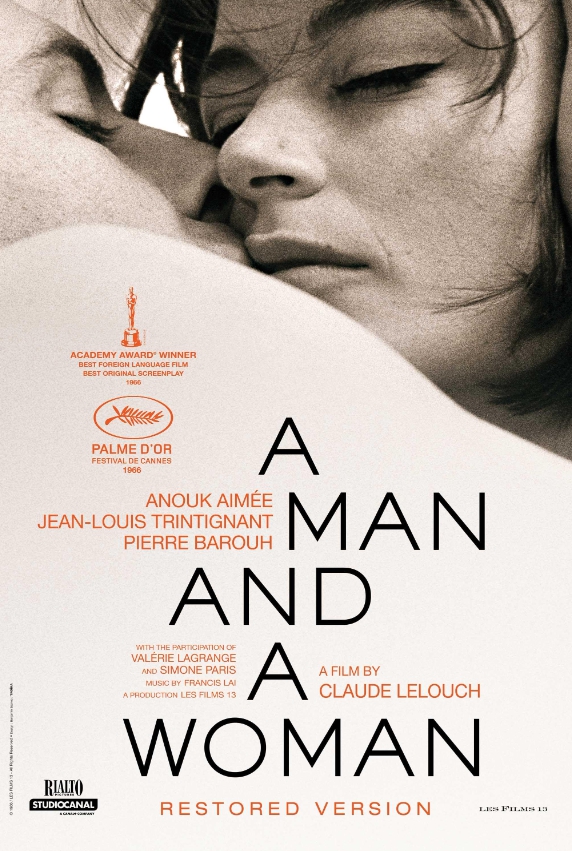
The Historical Era of the Film
“A Man and a Woman (1966)” emerged during a time of significant transformation in French society and the broader Western world. The mid-1960s in France were marked by a period of economic growth and modernization, part of what became known as the “Trente Glorieuses,” or the thirty years of postwar prosperity that lasted from 1945 to 1975. This era saw robust development in industry, urbanization, and living standards, contributing to a rapidly changing social landscape.
Politically, France was governed under the Fifth Republic, led by President Charles de Gaulle. The nation enjoyed relative stability but was still deeply affected by the recent memory of World War II, the Algerian War of Independence (ending in 1962), and decolonization efforts across Africa and Asia. At the same time, there was an undercurrent of generational tension, with traditional values coming into contact with new aspirations for freedom and individualism.
Within this context, French cinema was also experiencing a creative renaissance, influenced by the cultural liberation of the 1960s and the ongoing influence of the French New Wave. These conditions provided fertile ground for innovative artistic expressions and a reimagining of personal relationships on screen.
Social and Cultural Climate
The social and cultural climate of 1960s France was defined by both a spirit of experimentation and lingering conservatism. Shifts in public attitudes about gender roles, romance, and family life were increasingly visible, particularly as youth culture began to assert itself. Traditional family structures were still prominent, but new avenues of self-expression and personal happiness were emerging for men and women alike.
Significant cultural movements, including existentialism and the emphasis on the individual’s search for meaning, influenced daily life and artistic production. The influence of mass media, popular music, and fashion continued to grow, reflecting the start of what historians sometimes call the “modern” consumer lifestyle. The period’s tensions between conformity and progress were frequently reflected in literature, film, and visual arts.
Social change was on the horizon, signaled by rising activism on issues such as women’s liberation and workers’ rights, which would reach a climax in the protests of 1968. Films began to tackle personal subjects with greater frankness, examining love, loss, and relationships with a modern sensibility.
- Ongoing influence of French New Wave cinema
- Emergence of youth culture and modern attitudes
- Emphasis on individual freedom and existential thought
- Early rumblings of social activism and reform
How the Era Influenced the Film
The production era of “A Man and a Woman” directly informed its narrative approach, visual style, and character development. The film’s understated, naturalistic depiction of romance echoed the aesthetic innovations of the French New Wave, which favored on-location shooting, improvisational performances, and a sense of realism in its storytelling. These stylistic choices reflected the broader social desire for authenticity and a break from earlier cinematic conventions.
The characters’ personal histories, shaped by widowhood and single parenthood, resonated with audiences experiencing shifting expectations around marriage, gender, and emotional expression. Such portrayals mirrored the increasing openness of French society to discuss complex emotions and non-traditional relationships. The film’s focus on internal feelings and nuanced interactions can be seen as a reflection of the time’s existentialist influences.
Additionally, the choice to blend color and black-and-white cinematography gave the film a modern, experimental feel, aligning it with the visual experimentation of the decade. The film’s emotional restraint and poetic realism evoked both the uncertainty and optimism that characterized France’s social transition during the 1960s.
Audience and Critical Response at the Time
When “A Man and a Woman” was released, it quickly became a sensation among French and international audiences. Contemporary viewers responded to the film’s honest exploration of romance, its emotional subtlety, and its distinct visual style. Critics praised director Claude Lelouch’s ability to capture the delicate nuances of love and human connection, a rare achievement in romantic cinema of the time.
The movie was also noted for its musical score and lyrical pacing, which resonated with the period’s appetite for artistic innovation. Its success was underscored by major awards, including the prestigious Palme d’Or at the Cannes Film Festival and multiple Academy Awards, signifying its impact beyond France and cementing its reputation on the global stage.
Audiences found the film both refreshing and relatable, as it aligned with broader changes in attitudes toward relationships, individual fulfillment, and cinematic form. Its critical and commercial triumph was evidence of its ability to tap into the evolving mood of the era.
Why Historical Context Matters Today
Understanding the historical context of “A Man and a Woman” significantly deepens modern viewers’ appreciation of the film’s achievements. The political and cultural shifts of 1960s France—marked by optimism, economic growth, and the early stages of social upheaval—permeate every aspect of the film, from its storytelling style to its portrayal of romantic connection.
Recognizing the influence of the French New Wave and the changing social landscape reveals why the film stands out as a landmark of cinematic innovation. Awareness of the era’s aspirations and anxieties helps contemporary audiences grasp why themes of vulnerability, authenticity, and personal transformation resonated so strongly at the time.
By situating the film within its original socio-political environment, viewers can appreciate not only its artistic distinctiveness but also its reflection of a crucial moment in modern European history. The historical context enriches interpretations of character and narrative, grounding the film’s appeal in the tangible realities and hopes of its era.
🎬 Check out today's best-selling movies on Amazon!
View Deals on Amazon