
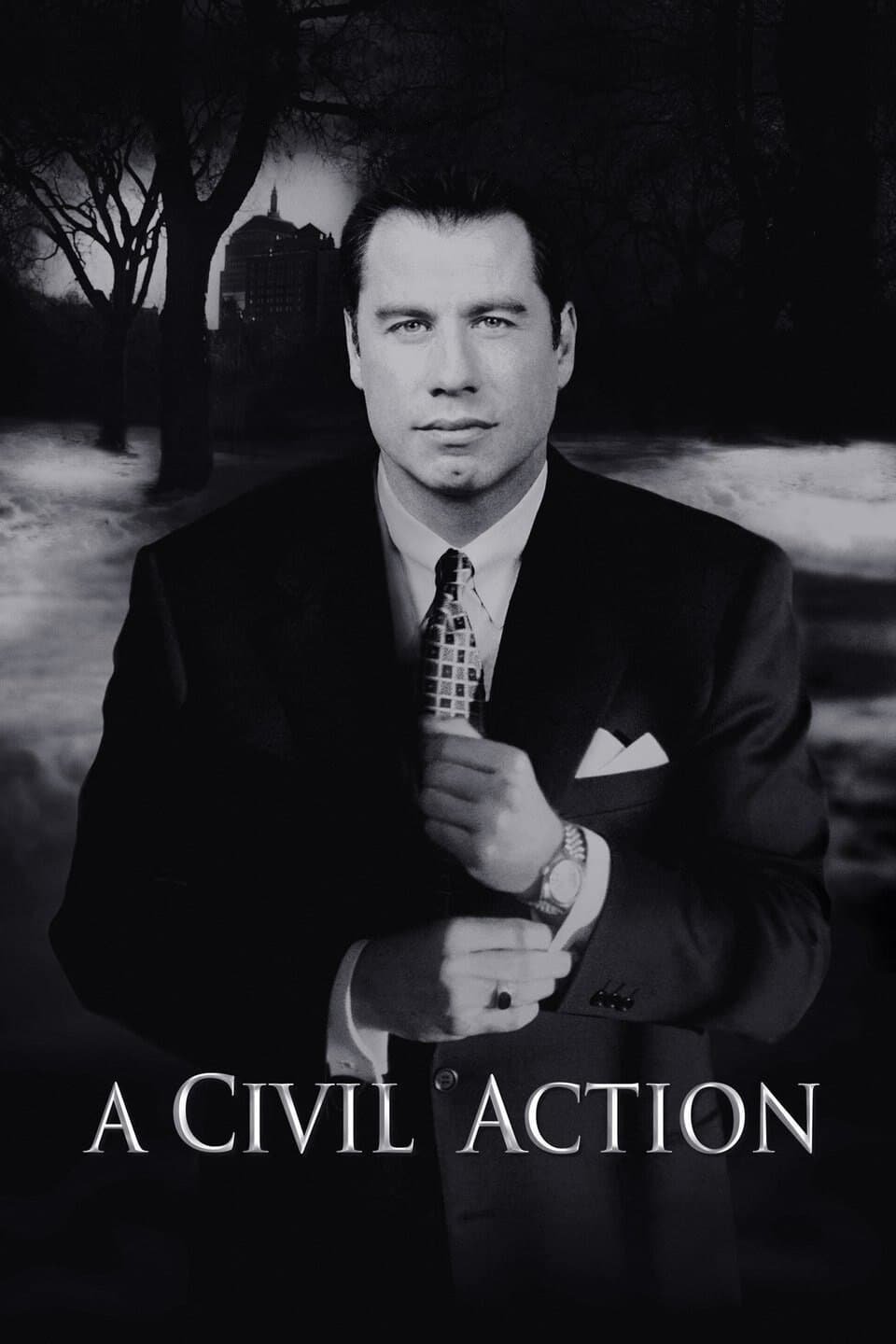
The Historical Era of the Film
The historical context surrounding “A Civil Action (1998)” is deeply rooted in the social, political, and economic landscape of late twentieth-century America. This period, the late 1990s, was defined by economic prosperity marked by the dot-com boom and a generally favorable labor market. Politically, President Bill Clinton’s administration oversaw a time of relative international peace and robust domestic growth, but also faced mounting public scrutiny regarding government oversight and ethics. Environmental regulation became an increasingly visible issue during the 1990s following the environmental movements that grew throughout the 1970s and 1980s. The film’s narrative, based on real-life events from the 1980s, taps into these ongoing concerns, specifically about corporate responsibility and environmental protection.
This era also saw increased public awareness of corporate accountability, largely driven by high-profile legal cases and investigative journalism. Legal dramas and works based on real court cases gained popularity, reflecting a broader societal interest in justice and the mechanisms of the American legal system. Consumer confidence was high, yet skepticism toward large corporations and their perceived impunity in matters of environmental damage or public harm persisted.
Social and Cultural Climate
The social and cultural climate in which the film was produced was heavily influenced by a few dominant trends and anxieties. Chief among them was the growing distrust of large institutions, both public and private, which had roots in earlier scandals, such as Watergate, and ongoing debates over environmental standards. Issues of environmental justice and class distinction came to the forefront, with working-class or marginalized communities often seen as the victims of industrial pollution.
Environmental activism grew steadily, leading to a public more attuned to the dangers of industrial pollution, hazardous waste, and contaminated drinking water. Films and news stories began to depict the consequences of unchecked industrial growth, contributing to a culture increasingly conscious of ecological risks. The term Superfund—referring to the federal government program created to clean up polluted sites—became part of the civic conversation. Popular media, including films like “A Civil Action,” mirrored these concerns, often focusing on the challenges of seeking justice against complex systems of power.
How the Era Influenced the Film
The production era of “A Civil Action” heavily influenced its story, characters, and tone, reflecting broader historical circumstances. The film’s focus on environmental litigation was directly inspired by high-profile cases from previous decades, particularly the well-known Woburn, Massachusetts water contamination incident upon which both the book and film are based. The 1990s’ increased attention to environmental regulation and legal reforms is reflected in the film’s detailed depiction of civil litigation and the underdog battle against major corporations.
The late twentieth-century climate encouraged filmmakers to present realistic portrayals of lawyers, corporations, and the limitations of the legal system. Audiences of the time were familiar with stories of whistleblowers and legal battles, leading to a script and production that emphasized authenticity and procedural detail. Emphasis was given to the complexity and ambiguity of pursuing justice through legal avenues, a realistic theme aligned with contemporary attitudes.
- Environmental regulation debates grew after high-profile pollution cases.
- Industrial contamination incidents became national news.
- Public distrust in corporations increased during the 1990s.
- Federal Superfund initiatives shaped public expectations for accountability.
The era’s focus on legal reform, environmental consciousness, and the human cost of industrial prosperity directly shaped the film’s structure, narrative, and characterization, making it resonate with contemporary viewers.
Audience and Critical Response at the Time
Upon its release, “A Civil Action” was received by audiences and critics within the context of a society increasingly concerned with environmental justice and legal reform. Many viewers found the film to be a timely encapsulation of the struggle between individual citizens and powerful corporate interests, a narrative that reflected ongoing real-world events and tensions. The rise of investigative reporting and acclaimed environmental journalism in the prior decades contributed to a receptive climate for these themes.
Critics in particular noted the film’s realistic depiction of civil legal processes, often praising its commitment to the complexities of environmental litigation and ethical dilemmas. The late 1990s saw a growing appetite for fact-based legal dramas, and the film tapped into contemporary relevance by highlighting the challenges faced by ordinary people in the face of large, resource-rich entities. The public’s familiarity with environmental lawsuits and class-action suits played a role in shaping expectations and interpretations of the film’s narrative.
While commercial reception was moderate, the film was seen as contributing to the larger cultural dialogue about legal accountability and environmental protection. It sparked discussions about the efficacy of the legal system and the ethical responsibilities of corporations, reinforcing broader concerns present in the cultural climate of the era.
Why Historical Context Matters Today
Understanding the historical context of “A Civil Action” adds important depth for modern viewers, illuminating how contemporary debates and anxieties shaped the film’s production and impact. Today’s ongoing discussions about environmental sustainability, corporate responsibility, and access to justice draw clear connections to the issues faced during the film’s production era. Recognizing these historical influences allows viewers to appreciate the film not just as a dramatization, but as a cultural artifact responding to specific social concerns of the late 1990s.
The continued relevance of environmental justice and the public’s relationship with corporate entities underscore why the context matters. Problems surrounding pollution, water safety, and legal redress remain urgent, and the film—rooted in its original era—serves as a historical lens for examining both progress and remaining challenges. Understanding the political and cultural conditions of the late twentieth century helps explain the film’s focus on legal detail and procedural authenticity, as well as its reception by audiences attuned to issues of accountability.
Reflecting on the film’s origins in an era marked by environmental activism and legal scrutiny can deepen appreciation for its nuanced portrayal of complicated legal and ethical dilemmas. It also serves as a reminder of the evolving nature of public advocacy and institutional trust, reaffirming the importance of historical context in understanding not only the film itself but also the society that produced and received it.
🎬 Check out today's best-selling movies on Amazon!
View Deals on Amazon