
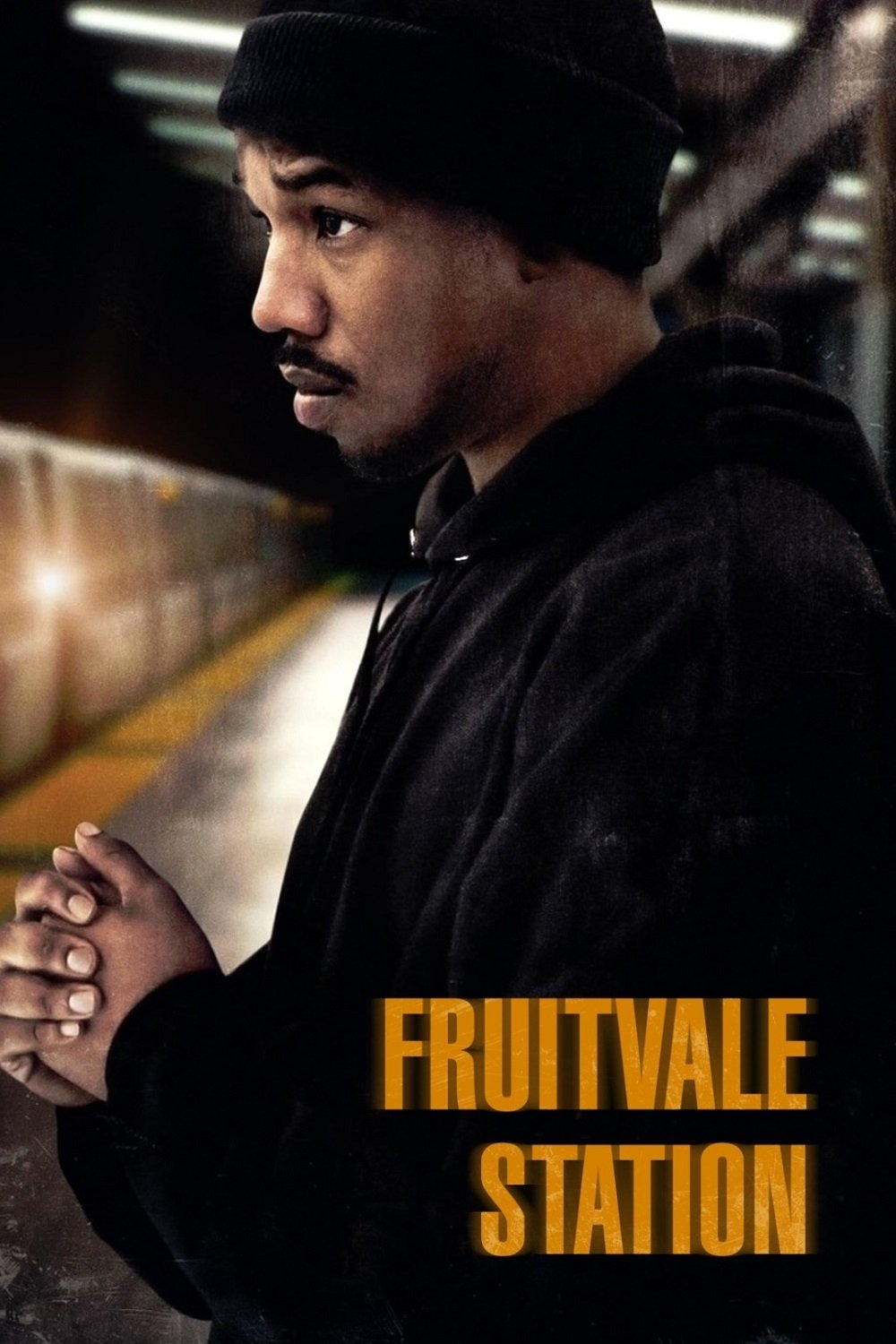
The Historical Era of the Film
When I look back on where Fruitvale Station (2013) arrived in the world, I can’t separate it from the specific crossroads of American society in the late 2000s and early 2010s. I remember witnessing enormous shifts that pushed issues of race, policing, and justice to the national forefront. Politically, the United States was deep into Barack Obama’s presidency. There was broad hope that his election might signal a new wave of racial progress, but I quickly saw that violence against Black Americans—especially by police—remained heartbreakingly frequent. The economy, still reeling from the 2008 Great Recession, hung over everyday life. Unemployment lingered high and economic anxiety cut particularly deep in working-class communities, especially among people of color. That tension was in the air, shaping daily conversations and fueling a collective sense of uncertainty that I felt everywhere I went.
The social and political climate of this era was punctuated by critical events. I think about the killing of Oscar Grant on New Year’s Day 2009 at the Fruitvale BART station in Oakland, California—a tragedy that became nationally recognized largely due to video footage captured by witnesses and spread quickly online. Cell phone cameras suddenly became tools of documentation and, as I see it, of community empowerment. It was a period where social media started enabling rapid social mobilization, allowing marginalized voices to be heard in new and forceful ways. These grassroots, citizen-driven narratives began to challenge traditional media accounts—a dynamic that redefined how I understood social accountability and activism.
Within this framework, America’s persistent racial divides felt visible and raw. The names Amadou Diallo, Sean Bell, and Oscar Grant entered public consciousness not just as victims, but also as rallying points around broader questions of civil rights and police reform. To me, the nation seemed to be holding its breath, seeking answers and struggling to find meaning in repeated incidents of police violence. This period laid ground for early Black Lives Matter activism, stressing the urgent need for visibility and justice. The prevailing anxieties, mistrust, and searching for justice deeply colored the period in which the film was conceptualized and released. I can’t separate the film from this fraught and urgent background—it feels inseparable from its moment in history.
Social and Cultural Climate
Reflecting on dominant social attitudes around the time of Fruitvale Station’s release, I am struck by just how charged and volatile discussions of race relations and institutional trust had become. On one hand, the election of a Black president was a historic milestone. I remember feeling that, for many, this represented the possibility of “post-racial” America—a hope that, by 2013, already felt hasty and, to some, naive. The steady stream of televised and shared incidents of police brutality forced my generation and those younger than me to reevaluate assumptions about progress.
Culturally, cell phone technology and the rise of social media platforms—particularly Twitter and Facebook—struck me as transformative. For the first time, ordinary people recorded evidence of abuse and inequality, and their voices traveled far beyond their immediate communities. That shift changed the public’s relationship to authority. When the world saw the video of Oscar Grant’s shooting, it wasn’t just a news story—it became a cultural flashpoint, sparking debate, protest, and a hunger for accountability that echoed for years.
Local activism flourished, with Oakland and similar cities becoming epicenters for grassroots mobilization. At the same time, I noticed a growing polarization between those calling for systemic reform and those defending existing policing structures. Media coverage reflected this split. Some outlets painted a picture of chaos and threat, while others gave space to voices demanding justice and highlighting decades of suffering in African American communities.
All of this unfolded amid a resurgence of conversations about inequality, not just in the criminal justice system but in healthcare, education, and employment. The Occupy Wall Street movement, though focused on economic issues, overlapped thematically—anger against systems perceived as unaccountable and rigged. These streams of unrest, activism, and hope formed the cultural weather in which Fruitvale Station was made and experienced.
How the Era Influenced the Film
When I watch Fruitvale Station, the influence of its era feels immediate and pressing. The historical circumstances didn’t just supply its storyline—they breathed life into its characters and informed its every creative choice. I find it impossible not to notice how the film’s visual realism echoes the first-person cellphone footage that brought Oscar Grant’s story to light. That handheld style feels to me like both a historical reference and a purposeful assertion: see what happened, as if you were there, just like those present that night. The era’s specific anxieties about institutional power and vulnerability shape every interaction I see—whether between family members, friends, or the police.
The film’s focus on a single, ordinary day in Oscar’s life strikes me as a direct response to the dehumanization so often present in public discussions of victims of police violence. By dwelling on Oscar’s familial joys and daily struggles, the filmmakers made the political personal. It’s clear to me that the climate of skepticism toward the justice system underscored their decision to give Oscar full humanity, challenging viewers to look beyond his fate and see themselves or their loved ones in him.
Creative decisions within the production also show the imprint of the time. The choice to cast Michael B. Jordan, then known for roles rooted in realism, seems to have been a way to create trust and intimacy with the audience—qualities in short supply during a period of high-profile police shootings. The Oakland locations, often shot with a documentary-like honesty, anchor the narrative within a real, recognizable community deeply affected by the event.
- Publication of cell phone footage of Oscar Grant’s shooting ignited widespread public outrage.
- Rapid growth of social media empowered marginalized communities to organize and protest.
- High-profile police violence cases shaped nationwide debates around policing policies.
- Widespread mistrust of institutional power influenced storytelling choices in film and media.
I often think about how film as an art form is shaped by, and in turn shapes, the world around it. Fruitvale Station, for me, is an exemplar of this dynamic—a film not just about a moment, but unavoidably forged by it.
Audience and Critical Response at the Time
My memories of the months following the film’s Sundance debut are filled with intensity and debate. Audiences, especially in urban, racially diverse settings, reacted with visceral emotion. When I attended post-screening discussions—even secondhand in community forums and online—I witnessed people in tears, grasping for answers, sometimes even silent in collective grief and recognition. The film was frequently hailed as necessary, timely, and courageous; it felt like a somber mirror placed before a country struggling with repeated tragedy.
Critics, too, responded with a sense of urgency. I recall reading reviews that praised director Ryan Coogler for what many called a fiercely authentic evocation of recent events. Michael B. Jordan’s performance was singled out for its quiet force, embodying a humanity too often overlooked in headlines. That same year, I noticed that the film won awards at Sundance and Cannes—clear evidence that its historical resonance extended internationally, as global audiences grappled with similar questions of power and policing. For some viewers, especially those directly affected by police violence, the film was almost unbearably difficult to watch, bringing up old wounds and ongoing anxieties.
There were, of course, dissenting voices. I remember arguments in editorials and online spaces about portrayal, accuracy, and perception. Some worried that dramatizations might bias public opinion, while others called the film a vital antidote to simplistic, official narratives. Yet in my view, the overwhelming reaction was one of gratitude for a film that didn’t shy away from pain—one that demanded the viewer reckon with the very real, human cost of institutional failure.
Why Historical Context Matters Today
I believe that approaching Fruitvale Station with an understanding of its historical context deepens every aspect of its meaning and emotional power. Knowing precisely what conversations and crises surrounded its creation helps me see why its realism is so urgent, why its focus on a single day carries such significance. The film didn’t create its world out of thin air—it was responding to, and hoping to influence, a moment when the nation was in turmoil, its conscience pricked by yet another loss.
Today, discussions of police brutality, systemic racism, and the importance of personal testimony are still central to American life and culture. I often reflect on how the Black Lives Matter movement, gaining prominence in the years after the film’s release, built on the same forces that shaped Fruitvale Station. Viewers who approach the film without this background may see it as a powerful story, but those who recognize its context see it as a document of real struggle, an artifact of collective memory from a pivotal era. This awareness isn’t just academic to me; it’s personal, helping me draw lines between the film’s world and the ongoing fight for justice seen in headlines, protests, and policy debates even now.
Understanding the historical moment of Fruitvale Station’s creation gives me empathy for the filmmakers’ choices, clarity on audience response, and a deeper sense of how art and history interact. Reflecting on its context makes the film less like a self-contained story and more like a living conversation—a piece of the broader struggle to acknowledge pain, remember names like Oscar Grant, and work toward a fairer future.
After understanding the factual background, you may want to see how this story was received as a film.
🎬 Check out today's best-selling movies on Amazon!
View Deals on Amazon