
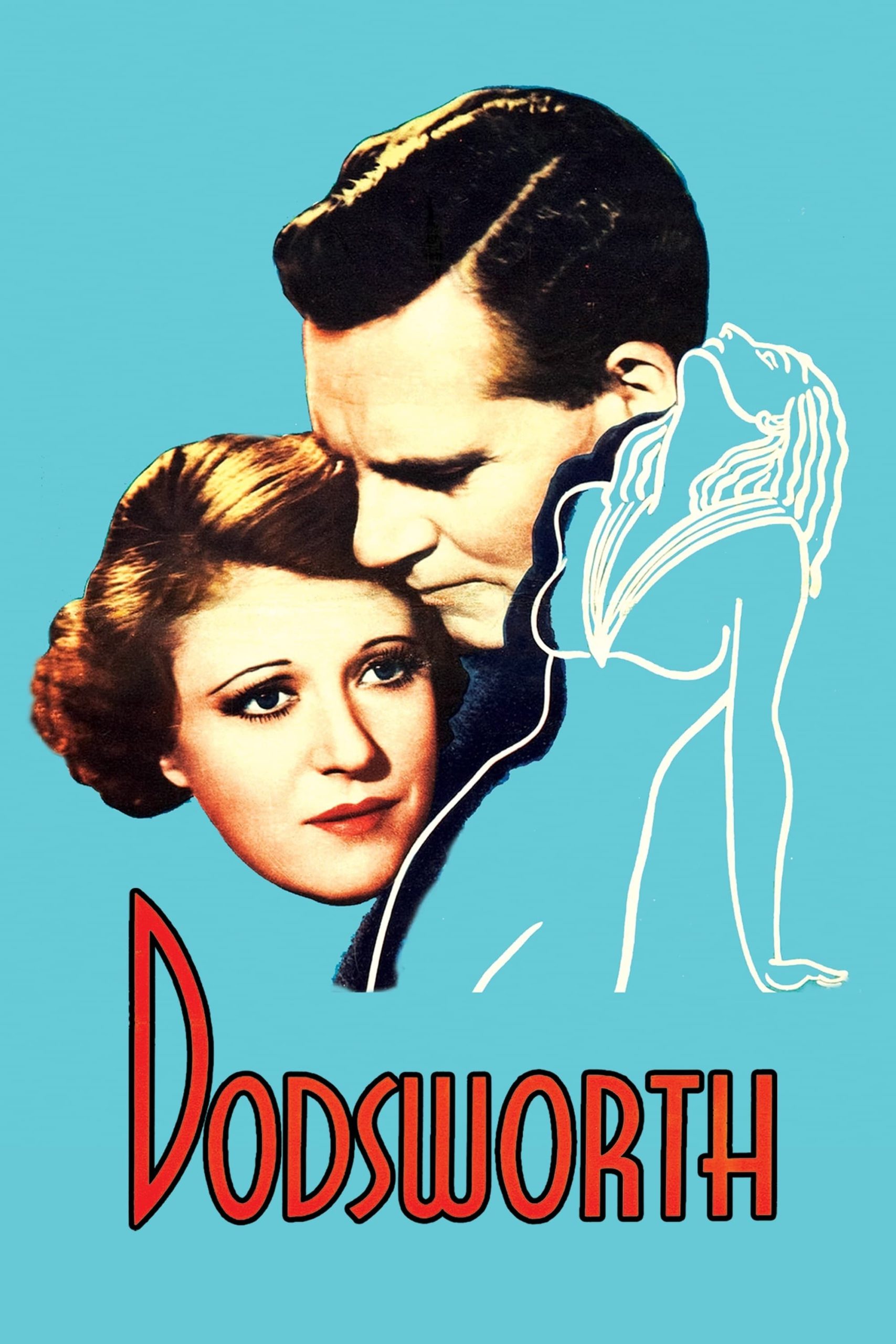
The Historical Era of the Film
Reflecting on the world in which Dodsworth (1936) was made, I’m always struck by how the tumultuous backdrop of the 1930s is woven into its DNA. This was no ordinary period in American history—years weighed down by the lingering shadow of the Great Depression. By the mid-1930s, the immediate devastation of the 1929 market crash had begun to recede, but insecurity and uncertainty colored every facet of public life. In the United States, people were wrestling with a tense blend of hope and hardship: Franklin D. Roosevelt had launched his second term, and his ambitious New Deal programs were both a lifeline and a subject of public debate. The landscape was still scarred by economic hardship, but you could sense the slow return of cautious optimism as industrial production inched upward, and unemployment—though high—began to decrease.
Internationally, I often remember how the winds of war were gathering. Europe in the mid-1930s was not at peace: fascism had gripped Italy under Mussolini since the early 1920s, Germany had brought Hitler to power in 1933, and Spain’s Civil War ignited in July 1936, the same year Dodsworth debuted. The intensifying sense of instability and looming conflict abroad could not help but seep into the American psyche. Even as many Americans championed isolationism, the headlines from across the Atlantic were impossible to ignore. My sense is that the political climate was a blend of cautious self-focus and mounting anxiety about global crises not entirely within reach but impossible to discount.
Beyond these large political and economic frames, life in the 1930s was changing in small but essential everyday ways. I picture the era as one of transition—radio offered up-to-the-minute news and golden age Hollywood films promised escape, but the average person couldn’t completely wall off the hardships and realities outside the theater. Communities were tight-knit in a way that reflected shared adversity, yet both class and gender divisions remained pronounced, setting the stage for the complicated interplay between tradition and modernity found in many works from the period.
- Persistent aftershocks from the Great Depression
- Rise of authoritarian regimes in Europe
- Expansion of New Deal social policies
- Growing influence of radio and film in American culture
When I watch or study Dodsworth, I’m always conscious that it carries the psychological residue of these years. It’s impossible to divorce it from the deep anxieties, tensions, and flickering hopes that defined the production era.
Social and Cultural Climate
When I consider Dodsworth in the context of 1930s social attitudes, I see a tapestry of competing values: the confidence of pre-Depression affluence constantly jostling against the humility and practicality forced by economic struggle. American society, especially among the white middle and upper classes depicted in Hollywood films, was being reshaped by questions of identity, gender roles, and the boundaries of the American Dream.
Traditional expectations persisted—men were expected to be providers, while women faced pressure to embody propriety and fulfill domestic roles. But that’s only part of the story. In my research, I keep returning to how the cultural trends of the 1930s began challenging these divisions, especially as the hardships of the Depression compelled some women into the workforce and fostered a measure of independence not entirely welcome or anticipated. The aftershocks of the suffrage movement and the visibility of women’s “flapper” rebellion from the 1920s lingered, prompting a subtle questioning of what it meant to be modern and respectable. This tension was mirrored in films about marriage, travel, and self-fulfillment, like Dodsworth.
Travel itself had a particular resonance. The idea of Americans venturing abroad, especially to a cosmopolitan Europe, was both exotic and slightly subversive. Europe was still imagined as the cradle of sophistication and culture, but it was simultaneously regarded with suspicion—a place of loose morals, dangerous politics, and subtle threats to American virtues. There was an undercurrent of both envy and wariness toward old-world traditions.
The era’s class distinctions cannot be ignored. The 1930s, for me, are marked by a fascination with wealth—how to regain it or maintain it, and what to do with it once achieved. Hollywood reflected and amplified these aspirations, but even stories of affluent characters were imbued with hints of vulnerability. Like so much of this decade, the surface glittered but the foundation had cracks. I see in Dodsworth’s depiction of affluence and striving a mirror for the social anxieties of the time: success could be fleeting, and personal fulfillment was anything but guaranteed in a world where the rules seemed to be shifting under everyone’s feet.
How the Era Influenced the Film
I’ve always found that Dodsworth could not have existed in quite the same way outside the particular historical moment of the mid-1930s. The film’s concerns—marital dissatisfaction, the perils and lures of expatriate life, the search for individual purpose—are direct offshoots of the social climate and economic turbulence of its time. I sense that the script, direction, and even casting choices were profoundly shaped by these currents. Hollywood studios in this period were acutely aware of their power to both reflect and steer public sentiment.
The yearning for escape, which pulses through Dodsworth’s story, felt intensely familiar to Depression-era viewers. For many, travel to Europe was as much fantasy as possibility, symbolizing both liberation and the dangers of abandoning American stability. I see the character arcs as inscribed with the anxieties of an audience torn between restarting their lives and the comfort of the status quo. In an era when the definition of success was being renegotiated, a film about a businessman reevaluating his life’s meaning had particular urgency.
Equally significant for me is how gender dynamics are depicted. The power struggle between husband and wife in Dodsworth echoes the unsettled gender roles of the era. The wife’s longing for youth and sophistication in European society, and the husband’s stolid practicality, mirror the twin pressures facing American families—enduring traditional values and the temptation of new freedoms. The filmmakers’ careful navigation of these themes, within the boundaries of the Production Code, speaks to a period of simmering change, moderated by overt respectability.
Technologically and artistically, Dodsworth also represents the growing maturity of sound filmmaking. By 1936, Hollywood had grown more assured in its use of synchronized sound and dialogue, creating films with a new psychological depth. I notice that Dodsworth’s measured pacing, sophisticated dialogue, and European settings are in conversation with the refined, adult-oriented dramas that became more common as studios confidently catered to both escapism and introspection in their audiences.
Audience and Critical Response at the Time
Whenever I imagine audiences encountering Dodsworth for the first time, I picture a public primed by years of personal and collective struggle—but also eager to see mature themes treated seriously on the big screen. The film’s restrained realism and adult subject matter felt like a breath of fresh air to many. I’ve read period reviews that praise the movie’s sophistication, calling out its handling of marital conflict and personal transformation as remarkably genuine. There was appreciation, even in 1936, for a narrative that didn’t rely solely on fantasy but engaged with the real concerns of middle-aged Americans.
Critical praise focused as much on the performances as the story. I find that Walter Huston was often singled out for his depth and subtlety, embodying the American everyman at a crossroads. Director William Wyler’s careful, almost austere style was noted for elevating the material above melodrama—a significant achievement during a time when theatricality and star power often dominated. Contemporary critics seemed hungry for, and impressed by, films that reflected authentic dilemmas rather than mere escapist spectacle.
Audience reactions, as I interpret them, were complex. While the film drew segments of the educated middle class, some working-class audiences may have felt distanced by its European settings and upper-middle-class protagonists. Still, the broader resonance of its themes—restlessness, disappointment, the possibility of change—transcended social boundaries. I sense that, for many, Dodsworth was the rare film that treated adulthood with honesty, neither offering easy solutions nor shying away from disappointment.
Praise was not universal, of course. There were criticisms about the film’s pacing or what some perceived as an emotionally cold approach. But such responses, to me, only reinforce how the film emerged at a moment when viewers and critics alike were renegotiating their tastes and expectations in response to the changing world around them.
Why Historical Context Matters Today
I firmly believe that knowing the historical context of Dodsworth transforms how we experience it as modern viewers. When I bring with me an understanding of the crises, uncertainties, and evolving values of the 1930s, the film becomes more than a drama about relationships—it becomes a window into a society trying to reimagine itself amid tumult. I find particular value in recognizing how social anxieties, such as insecurity about status or a woman’s role in marriage, aren’t just personal but are rooted in deep historical shifts.
Appreciating this context infuses what might otherwise seem old-fashioned with profound immediacy. The characters’ uncertainties, ambitions, and struggles are not just private troubles; they echo the uncertainties of a nation emerging from crisis and preparing, perhaps unwittingly, for global conflict. Recognizing the impact of the Great Depression and pre-World War II anxieties gives me a deeper empathy for decisions that, on the surface, might seem baffling. The choices made by the filmmakers, the language they use, even the settings they choose—these reflect not only artistic vision but the compromises and aspirations of their era.
For me, watching Dodsworth through this lens creates a richer, more layered experience. It invites questions about how cinema acts as both reflector and shaper of public feeling. It also reminds me of the constant dialogue between art and history—how films like this draw their meaning from the times in which they’re made and continue to resonate when we understand the forces that shaped them. This is not nostalgia but an active engagement with the ways in which culture responds to, and sometimes tries to heal, the wounds of its moment.
After understanding the factual background, you may want to see how this story was received as a film.
🎬 Check out today's best-selling movies on Amazon!
View Deals on Amazon