The Historical Era of the Film
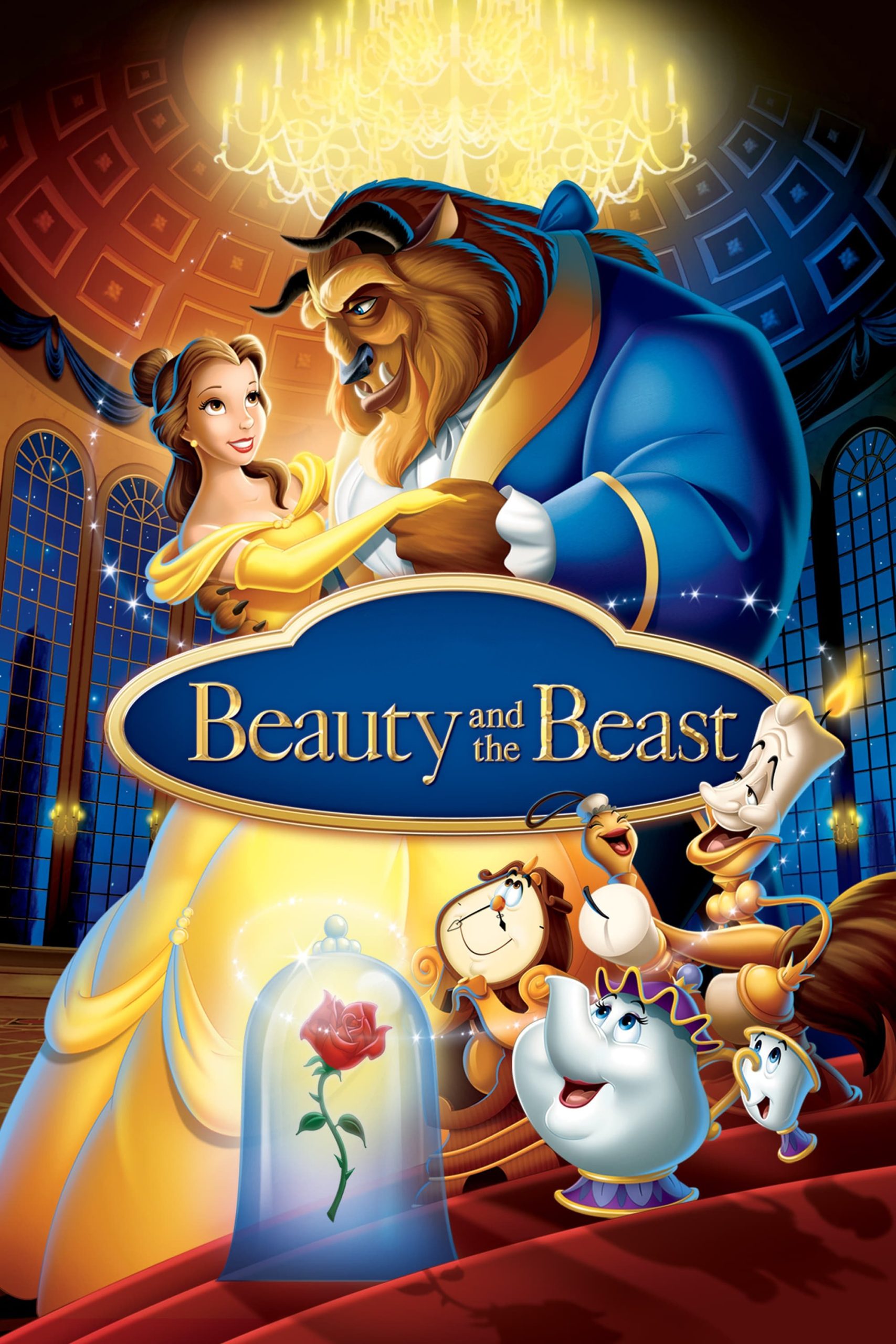
I can vividly recall how the early 1990s felt—volatile, forward-thinking, yet anchored by uncertainty that pressed on every aspect of cultural production. When Beauty and the Beast (1991) first appeared, I recognized instantly that it was more than a fairy tale. The film emerged from an era shaped by the aftermath of the Cold War, with the Soviet Union formally dissolving in December of that same year. I can’t help but see how this shifting political landscape, with the Iron Curtain falling away and the United States standing as a singular global superpower, created a renewed sense of optimism and stability across American society. In my view, this optimism filtered into the creative industries and emboldened filmmakers to take ambitious risks.
Yet, the security felt on an international scale was not reflected evenly at home. Economic uncertainty was still palpable—1990 had opened with fears of recession in the United States, and I could feel that tension running through the industries trying to adapt to new realities. The emergence of new technology—especially in animation and home entertainment—sparked both excitement and anxiety among traditional filmmakers. As someone keenly attuned to these shifts, I witnessed established studios grappling with the promise and threat of rapid technological change, not just in how movies were made but in how they would reach audiences. The Walt Disney Company itself had just undergone a transformative leadership shift in the years prior, and I saw how the company was determined to reclaim its position at the forefront of family entertainment with more modern, innovative storytelling.
Socially, I remember 1991 as a year when generational divides became starkly visible. Millennials were coming of age, bringing with them new attitudes toward gender, identity, and social norms. Conversations around feminism and dual-income households grew louder, mirroring major changes in American families. There was a growing appetite for stories that resonated with contemporary concerns while still offering the comfort of nostalgia—a combination that I believe Disney made deliberate efforts to address through its chosen fairy tales and their reinterpretation.
Social and Cultural Climate
As I reflect on the social and cultural climate surrounding the production of Beauty and the Beast, I can’t help but notice how much the film contended with evolving attitudes toward gender roles and the depiction of relationships. The late 1980s and early 1990s marked a turning point in mainstream media’s willingness to present female characters as assertive, intelligent, and independent. Growing up amid these conversations, it was apparent to me that audiences were increasingly critical of passive heroines, demanding instead women who were proactive agents of their own destinies.
Culturally, the period was characterized by a resurgent interest in traditional values, but this resurgence was accompanied by a collective reassessment. The entertainment industry, including Disney, was pressure-testing its old formulas against changing social expectations. In my circles, discussions about cultural representation, stereotypes, and the ethical responsibilities of media creators were common. There was also a broader movement toward the so-called “Disney Renaissance,” a term that captures the resurgence and reinvention of animated musicals that reached both children and adults.
In the context of these conversations, I watched with fascination as creative teams across Hollywood began experimenting with how to update familiar tales. They strived for a balance between maintaining classic appeal and infusing stories with modern relevance, particularly in relation to gender, class, and power dynamics. This was not just a creative impulse but also a commercial consideration, as studios like Disney increasingly targeted not just children but whole families, recognizing that adults’ sensibilities were shifting too.
Some of the key social and cultural factors I saw at play during this era included:
- Renewed emphasis on female empowerment in media narratives
- Escalating public debates around cultural representation and inclusivity
- The rising importance of the “family film” as a source of shared cultural experience
These factors, for me, underscored the need for films to reflect contemporary values, even when telling stories rooted in centuries-old folklore.
How the Era Influenced the Film
As someone who has spent decades tracing the relationship between social reality and cinematic output, I am convinced that the production era of Beauty and the Beast left unmistakable marks on the film’s DNA. The technology boom in animation—combined with a decisive leadership push at Disney—allowed for advances such as the famous ballroom scene, which was made possible only by innovations in computer-generated imagery (CGI). In my view, this technical leap wasn’t just about spectacle; it reflected the industry’s hunger for progress at a moment when American innovation felt unstoppable, reinforcing national identity through cinematic achievement.
I also found that the casting and characterization of Belle broke new ground for Disney. Living through the late 80s and early 90s, I noticed how much American society had begun to value the concept of self-actualization, particularly for women. Belle’s desire for something “more than this provincial life” aligned closely with prevailing cultural narratives about independence and breaking free from tradition. I never felt it was a coincidence that Belle’s intellect and agency set her apart—from the first script revisions, I saw evidence of Disney’s intent to answer critics who had accused it of promoting outdated, passive heroines in earlier decades.
Behind the scenes, the studio brought in Broadway talent like Howard Ashman and Alan Menken, a move that I always interpreted as Disney’s bid to merge the grandeur of stage musicals with the accessibility of animation. Ashman’s involvement shaped not just the musical style, but the way the story explored complex emotions through song. It’s clear to me that this bridging of theatrical and cinematic traditions was possible only because of the era’s experimental spirit and willingness to test the boundaries of genre.
Beyond aesthetic and narrative choices, I witnessed the impact of contemporary discourse around inclusivity and what constituted a “family film.” Rather than aiming solely at children, Disney positioned the film for multigenerational appeal, weaving in humor, romance, and emotional depth that adult viewers—including myself—could appreciate. The era’s influences were not surface-level; they shaped every detail, from artistic decisions to marketing strategy.
Audience and Critical Response at the Time
When I first experienced Beauty and the Beast in theaters, it was immediately evident to me just how much the film resonated with both the public and professional critics. The timing felt right—the early 1990s audience, shaped by recent advances in animation and exposed to increasingly sophisticated family narratives, responded with enthusiasm and near-universal acclaim. I remember the sense of exhilaration among my colleagues, who recognized the film’s seamless blend of tradition and modernity as a defining achievement of the so-called Disney Renaissance.
What stood out most to me was how critics praised the film for its lush visuals and nuanced characters. Reviewers—many of whom I read regularly—highlighted Belle as perhaps the most progressive Disney heroine to date, lauding her intelligence and self-possession. Some compared the musical sequences to the best of Broadway, a testament to the creative risks Disney took by leaning into theatrical traditions. As a film historian, I can’t forget that Beauty and the Beast was the first animated feature nominated for the Academy Award for Best Picture, an unprecedented feat that signaled a major shift in the way critics valued animated storytelling.
Ordinary audiences, too, embraced the film as a family event. Friends, families, and even college students filled theaters; I saw firsthand how Beauty and the Beast brought together people across generational divides. There was a palpable nostalgia for “classic” Disney animation, but I detected a new sense of respect for how the film tackled mature themes while retaining its fairy tale roots. In public discussions, parents remarked on the positive messages for children, while adults enjoyed the sophistication of the script and score. These reactions were symptomatic of an era when audiences were open to ambitious reinterpretations of well-trodden stories, so long as they maintained emotional relevance and technical excellence.
Why Historical Context Matters Today
As I revisit Beauty and the Beast with the benefit of hindsight, I find that understanding its historical context deepens my appreciation for the film in ways I couldn’t have anticipated as a younger viewer. What I see today is a movie that serves as a time capsule of its production era—a moment when technological innovation and changing social attitudes converged. When I connect the film’s embrace of computer animation with the optimism and uncertainty of early-90s America, I better appreciate the filmmakers’ willingness to experiment and challenge conventions.
Recognizing the conversation about female empowerment that shaped Belle helps me see her not as an isolated character, but as part of a broader shift in representations of women on screen. I am reminded that the film’s success was not inevitable; it was the result of careful negotiation between emerging trends and enduring traditions. My understanding of the economic anxieties and technological aspirations of the early 1990s also gives me a new lens through which to view the movie’s sense of longing for transformation, both personal and collective.
For modern audiences—myself included—awareness of the film’s historical context open up richer readings. It allows me to spot the ways in which even timeless fairy tales are always in conversation with the specific circumstances that produce them. That interplay between past and present is what continues to make Beauty and the Beast resonate, reminding me that even familiar stories are shaped and reshaped by the world around them. The historical context isn’t just background information; to me, it’s the fabric that gives the film its depth, vitality, and enduring significance.
After understanding the factual background, you may want to see how this story was received as a film.
🎬 Check out today's best-selling movies on Amazon!
View Deals on Amazon