
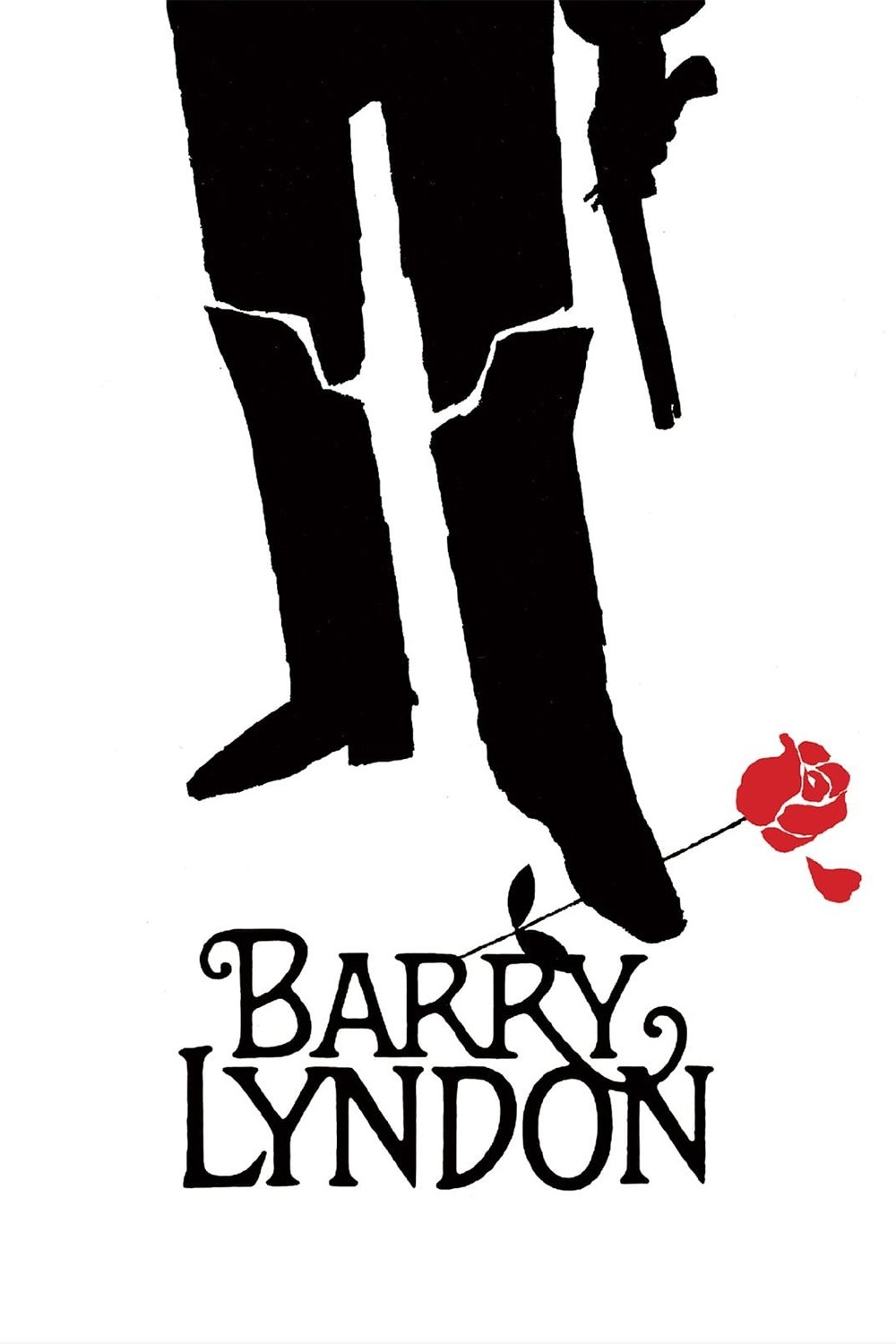
The Historical Era of the Film
Whenever I sit down to revisit “Barry Lyndon (1975)”, I find myself haunted by the twin shadows of the 1970s and the 18th century. The contrast and the conversation between those two eras—one of Enlightenment-age aristocracy, the other of post-Vietnam malaise—seem woven into every fabric of the film. The story unfolds during the latter half of the 18th century, specifically the Seven Years’ War period and its aftermath, but I can never fully separate Stanley Kubrick’s meticulous vision from the tumultuous decade in which he worked.
The 1970s in the West, particularly in the United States and the United Kingdom, were marked by deep skepticism of grand narratives and authority. Think of the fallout from Watergate, the resignation of Nixon, and the exhausted, distrustful mood permeating every newspaper headline. Economic instability was common, largely due to the 1973 oil crisis, which provoked both sudden inflation and unemployment that unsettled millions of working- and middle-class families. Social optimism from the preceding decades seemed to evaporate, replaced by wary cynicism and political malaise.
It’s impossible for me to ignore the fact that Kubrick built “Barry Lyndon” at this precise moment. Filmmakers in both Hollywood and Europe were grappling with uncertainty about whether film itself could still express anything like the reassuring truths of earlier ages. Even Britain itself—where the film was made and set—was in the throes of complicated debates about its identity, having finally admitted economic and political decline after proudly trumpeting imperial stature for so long. On screen, that uncertainty and tension seem to contour every candlelit scene and every grand, echoing chamber, reflecting not just the England of the past but the anxieties I recognize from the film’s production era.
Social and Cultural Climate
I always notice in films from the mid-1970s how intensely they were influenced by contemporary discussions of morality, hierarchy, and authenticity. In the background of “Barry Lyndon,” I sense the shifting sands of social values—a time when younger generations were increasingly skeptical of traditional class structures and began pushing back against inherited privilege and artificiality. This was true not only in politics but in every walk of life, fueling the energy of the civil rights movement’s aftershocks and demands for gender equality.
At the same time, there was a true aesthetic revolution brewing in cinema. The New Hollywood scene, with its raw, personal storytelling and rejection of tidy Hollywood endings, was at its peak. I can see how Kubrick’s icy, detached approach fit into this new appetite for realism and ambiguity, even though he dressed it up in powdered wigs and Georgian finery. The 1970s fascination with antiheroes and flawed protagonists seamlessly aligns with the world of Redmond Barry, a character swept along by forces beyond his control.
Social attitudes toward class specifically seemed to weigh heavily on Kubrick’s adaptation. After years of economic strife and labor unrest, audiences were more aware than ever of the fragile nature of fortune, lineage, and luck. The cold precision with which the film dissects the inner workings of aristocratic society—from marriage contracts to duels at dawn—mirrored many contemporaneous suspicions about whether true merit could ever flourish beneath a mountain of inherited privilege.
- Post-Watergate distrust in authority and elite power
- Resurgence of auteur cinema with personal, idiosyncratic styles
- Growing skepticism toward traditional class structures
- Debates about cultural decay and the nature of national identity
For me, the social climate of the time gave Kubrick permission to make a period film that was critical, ironic, and emotionally cold—qualities that resonated with audiences reckoning with the collapse of old certainties, both personal and collective.
How the Era Influenced the Film
There’s a temptation to think of “Barry Lyndon” purely as a historical exercise, a lavish reconstruction of 18th-century Europe. But I always feel the cold breath of the 1970s in every stately tracking shot. Kubrick’s production choices—his deliberate pacing and painterly compositions—were shaped by the sober, introspective mood of his own era. The film blends rigorous historical authenticity, from the costumes to the use of Zeiss photography for candlelit scenes, with a distinctly modern sensibility that questions the point of all this wealth and glory.
I’m convinced that the growing popularity of the antihero in the 1970s forms the backbone of Redmond Barry’s characterization. He isn’t a revolutionary or a rebel; he’s a man who manipulates, seduces, and survives, driven more by personal ambition than by any moral crusade. This approach feels intensely reflective of an era wary of claiming heroes at all—a time when traditional figures of authority, whether in government or on the screen, had lost much of their allure. It’s as if Kubrick wanted to show that society is a performance, and its rewards often go to those willing to play along, even cynically.
On a technical note, I’m always struck by Kubrick’s use of natural lighting and period-appropriate art direction. It wasn’t just a self-imposed challenge; it reflected a broader cultural yearning for authenticity that dominated not only cinema, but all manner of art and literature. The camera lingers on landscapes that are beautiful yet empty, much like the 1970s’ sense of post-utopian vacancy. The relentless effort to recreate 18th-century aesthetics, while exposing the emotional and psychological distance of its characters, speaks to the alienation felt by many in Kubrick’s own day.
When I look at the choices Kubrick made in adapting William Makepeace Thackeray’s novel, I see a director using the 18th century as a canvas to project the doubts and aches of the 1970s. The story’s obsession with the transience of fortune, the arbitrary nature of social ascent, and the emptiness of aristocratic conventions seem to echo what many saw as the unraveling promises of postwar modernity.
Audience and Critical Response at the Time
Reflecting on the reaction to “Barry Lyndon” in 1975, I find it fascinating how divided both critics and regular viewers were. After the runaway success of “A Clockwork Orange” and the cult legacy of “2001: A Space Odyssey”, expectations for Kubrick’s next move ran high. Yet the release of “Barry Lyndon” was met with a kind of stunned ambivalence—it certainly wasn’t the crowd-pleaser some had hoped for, nor did it offer the subversive provocation of his previous work.
I recall reading reviews from the period that speak of the film’s “coldness” and “distance”. This was hardly an accident. Kubrick’s style, with its calculated formalism and emotional restraint, challenged audiences who were used to more direct engagement, even from other anti-establishment films of the era. There was admiration for the film’s undeniable beauty—the compositions, the costumes, the recreation of period detail—but also frustration with its bleakness and refusal to offer viewers a traditional character arc.
At the box office, the response was equally mixed. While I know that the film eventually grossed enough to cover its grand budget, it was not seen as an unqualified financial success, especially compared to Kubrick’s earlier hits. A few critics, especially in Europe, championed it as a masterpiece almost immediately, appreciating its visual ambition and darkly comic sensibility. Others, particularly in America, seemed confounded, unable to embrace a film so distant from the gritty, urgent realism of the New Hollywood movement.
I find the critical discourse from the time enveloped in debates about the value of artistic detachment. For some, Kubrick’s deliberate pacing and moral ambiguity perfectly captured the mood of societal uncertainty. For many others, that same icy rigor proved alienating, making the film a slow-burn favorite among cinephiles rather than a sensation of its day.
Why Historical Context Matters Today
Whenever I guide students or casual viewers through “Barry Lyndon,” I think understanding its historical context is essential to really grasping what’s on screen. Knowing about both the 18th-century world the film depicts and the uneasy 1970s landscape in which it was made turns what might seem like a painterly period piece into a complex historical dialogue. The sense of alienation and the persistent questioning of tradition that run through the film feel deeply rooted in Kubrick’s own moment in time.
For me, returning to the social, political, and cultural backdrop of the 1970s sharpens my appreciation for how groundbreaking the film truly was. It allows me to understand why Kubrick focused so obsessively on the machinery of power and the mechanisms of social ascent, questioning whether any of it has real meaning. Modern audiences may be tempted to see “Barry Lyndon” simply as an aesthetic spectacle, but I find the film’s reserved tone and narrative detachment make far more sense when viewed as a product of post-Watergate cynicism and a crisis of faith in Western progress.
I believe that historical context also deepens the film’s commentary on class, fate, and personal ambition. Watching the film today, with heightened awareness of social inequities and persistent anxieties about meritocracy, I see in Kubrick’s vision a prescient warning about the fragility and falseness of social mobility. Recognizing that Kubrick’s perspective was shaped by the economic upheavals, cultural shifts, and moral uncertainties of his own decade provides a vital key to unlocking the film’s resonance.
Ultimately, when I reflect on “Barry Lyndon” as both a monument to cinematic craft and a mirror to two distant, troubled centuries, I’m reminded of how inseparable great art is from its moment of creation. Only by understanding the historical context—both the period depicted and the period of production—can I truly appreciate the full force and subtlety of Kubrick’s achievement.
After understanding the factual background, you may want to see how this story was received as a film.
🎬 Check out today's best-selling movies on Amazon!
View Deals on Amazon